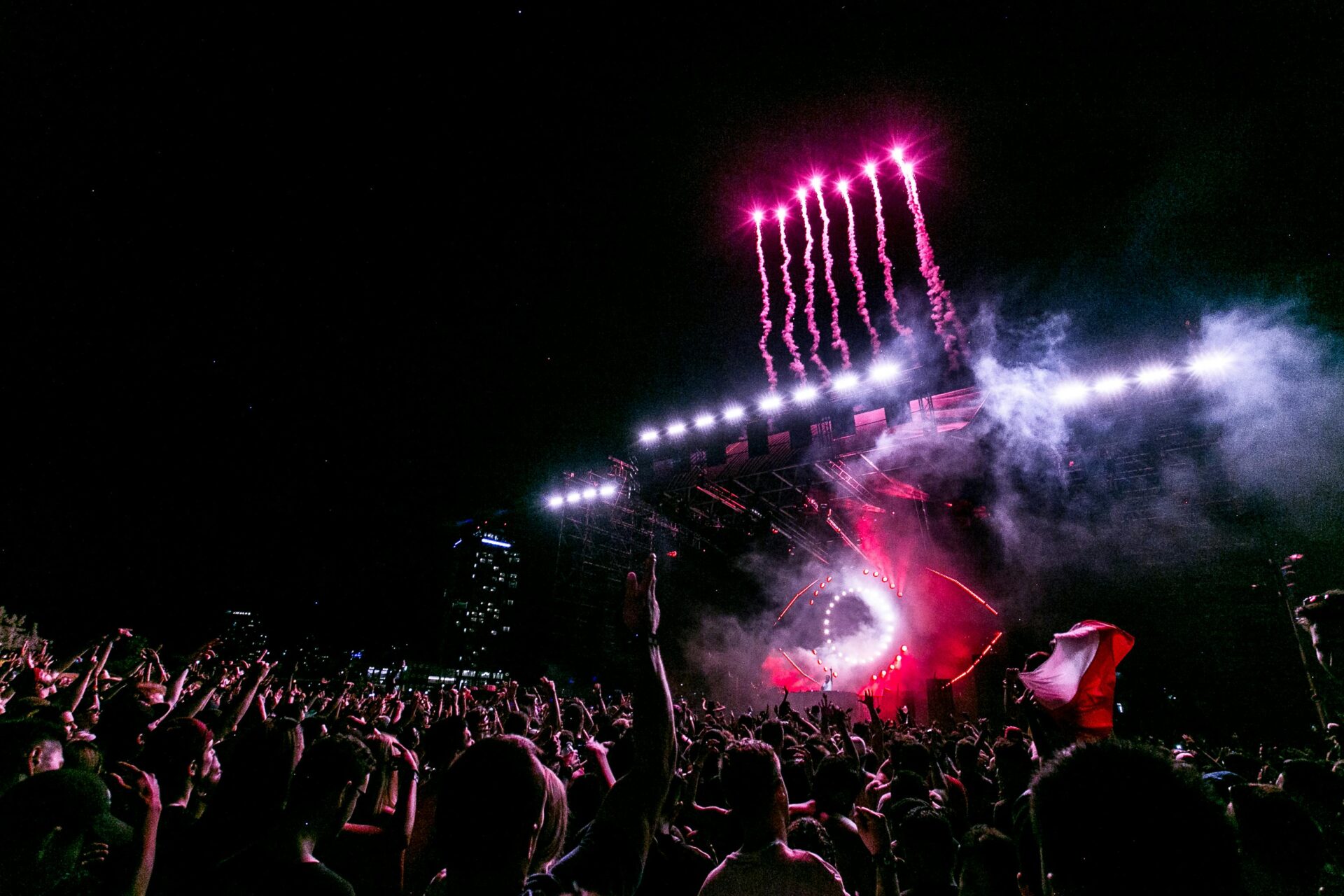
Canadian festivals have long held a reputation for being inclusive, vibrant, and boundary-pushing. From the snowy streets of Montreal’s Igloofest to Toronto’s Caribbean Carnival and Vancouver’s International Film Festival, there is a prevailing ethos that goes beyond mere entertainment or artistic specialization. These festivals prioritize diversity—cultural, linguistic, ethnic, and experiential—over strict adherence to a single genre or category. This focus is not accidental; it is rooted in Canada’s unique social history, multicultural policies, and community-driven approaches to the arts. Rather than curating events based solely on genre—be it music, film, or visual arts—Canadian festivals strive to reflect the mosaic of society itself, creating spaces where multiple narratives, traditions, and creative expressions coexist. The result is a festival culture that feels inclusive, dynamic, and continually evolving.
Canada’s commitment to multiculturalism is central to understanding why diversity is foregrounded in festival programming. Since the 1970s, the Canadian government has formally recognized multiculturalism as a defining feature of national identity, encouraging the preservation and celebration of different cultural traditions. This policy framework naturally extends to the arts, where festivals act as a public stage for cultural exchange. Unlike in countries where festivals are often genre-specific or targeted at niche audiences, Canadian festivals deliberately incorporate multiple cultural expressions. Music stages may feature Indigenous drumming alongside Afro-Caribbean rhythms, dance floors may accommodate both contemporary and traditional forms, and food courts often showcase an array of cuisines from around the world. The emphasis is on creating a shared space where diversity is celebrated as much as the art itself.
In practice, this means that festival organizers prioritize programming that reflects social plurality rather than genre purity. Film festivals, for example, do not only showcase films from a specific style, director, or theme; they curate works from multiple countries, languages, and communities, ensuring that underrepresented voices are heard. Similarly, music festivals may combine jazz, hip-hop, electronic, folk, and world music within the same weekend, creating an environment where audiences are encouraged to explore unfamiliar genres in addition to their favorites. This approach challenges conventional boundaries and encourages attendees to engage with art forms they might not otherwise encounter, fostering broader cultural understanding.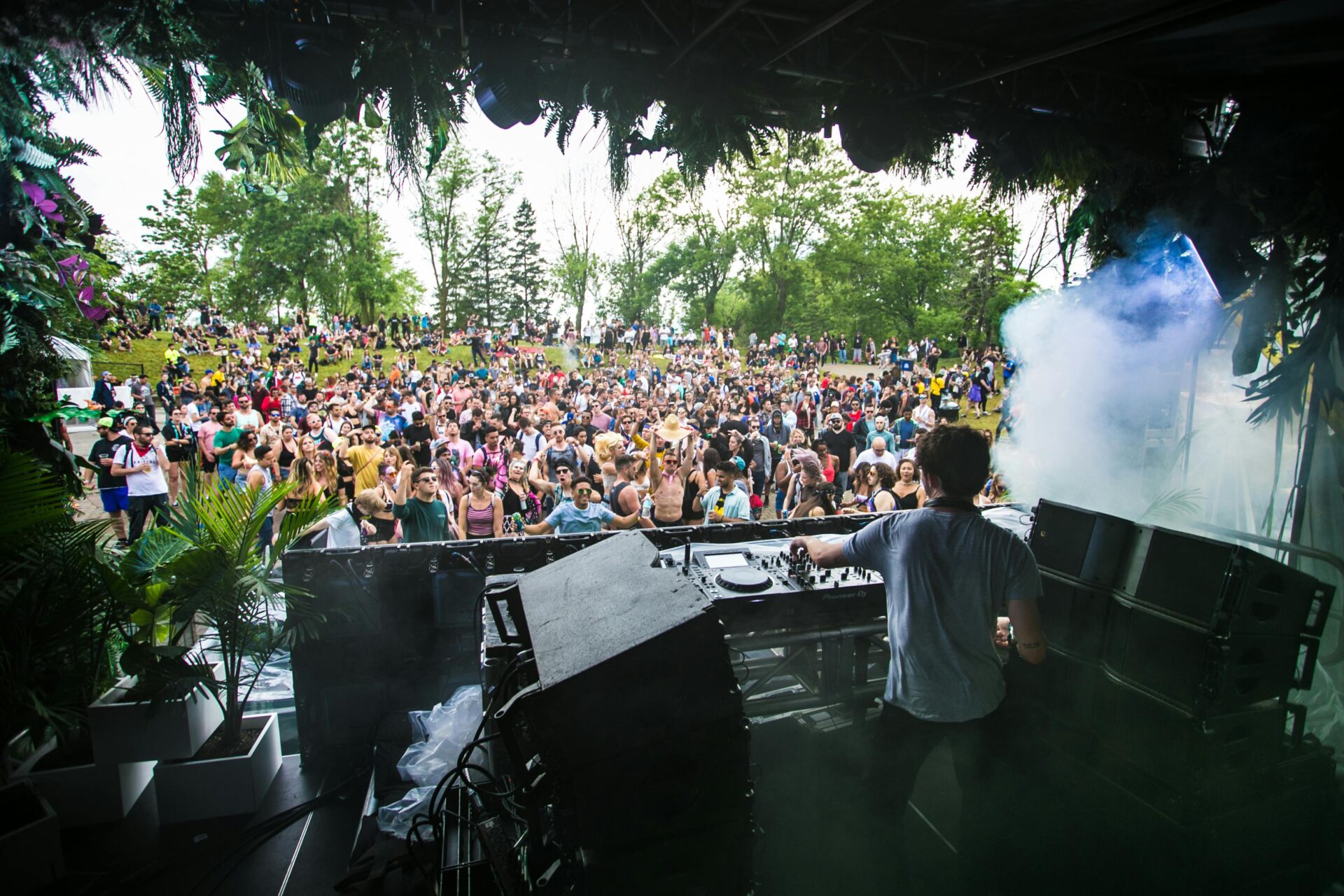
The Role of Canadian Identity in Shaping Festival Diversity
Canadian identity itself plays a profound role in shaping the festival landscape. Canada is a country built on migration and Indigenous presence, creating a natural tension between national cohesion and cultural plurality. Festivals act as microcosms of this broader societal dynamic, offering a platform where different identities can interact without one dominating the other. This environment encourages festivals to prioritize cultural diversity over genre specificity, as the goal is often to highlight shared experiences while preserving unique traditions.
Indigenous representation is a key component of this dynamic. Many Canadian festivals now include performances, installations, and workshops that foreground Indigenous art, storytelling, and cultural practices. This inclusion goes beyond tokenism, integrating Indigenous voices as a central part of the festival experience. By doing so, festivals signal that diversity encompasses historical and contemporary narratives, acknowledging the foundational place of Indigenous peoples in Canadian society. Audiences are invited not only to enjoy performances but also to engage with stories of resilience, identity, and heritage. In these spaces, the festival becomes a site of education and cultural diplomacy, extending the idea of diversity beyond ethnicity to include history, worldview, and lived experience.
Immigrant communities also shape festival programming in Canada more than in many other countries. Cities like Toronto, Vancouver, and Montreal are home to hundreds of immigrant communities, and festival organizers actively seek to reflect this mosaic. The focus is on inclusion rather than narrow specialization, ensuring that events do not cater solely to dominant cultural norms or mainstream tastes. For instance, a single festival weekend may feature Filipino folk dances, West African drumming, South Asian contemporary music, and Indigenous storytelling. This curation reinforces the idea that the festival experience is not about privileging a single genre but about embracing the multiplicity of voices that make up Canadian society.
Moreover, Canada’s bilingual nature contributes to festival diversity. Many festivals balance French and English programming, creating opportunities for cross-linguistic engagement. This linguistic duality allows artists and audiences from different regions to participate on equal footing, further emphasizing inclusion over genre specialization. Festivals are not simply entertainment venues—they are arenas for cultural dialogue, bridging linguistic, ethnic, and social divides.
Programming Philosophy: Inclusion Over Categorization
Canadian festival organizers intentionally adopt a programming philosophy that places inclusion above strict categorization. Rather than curating based solely on a single genre, organizers consider factors such as cultural representation, accessibility, and social impact. This approach transforms festivals into dynamic spaces where audiences can encounter unexpected combinations of art forms, ideas, and performances.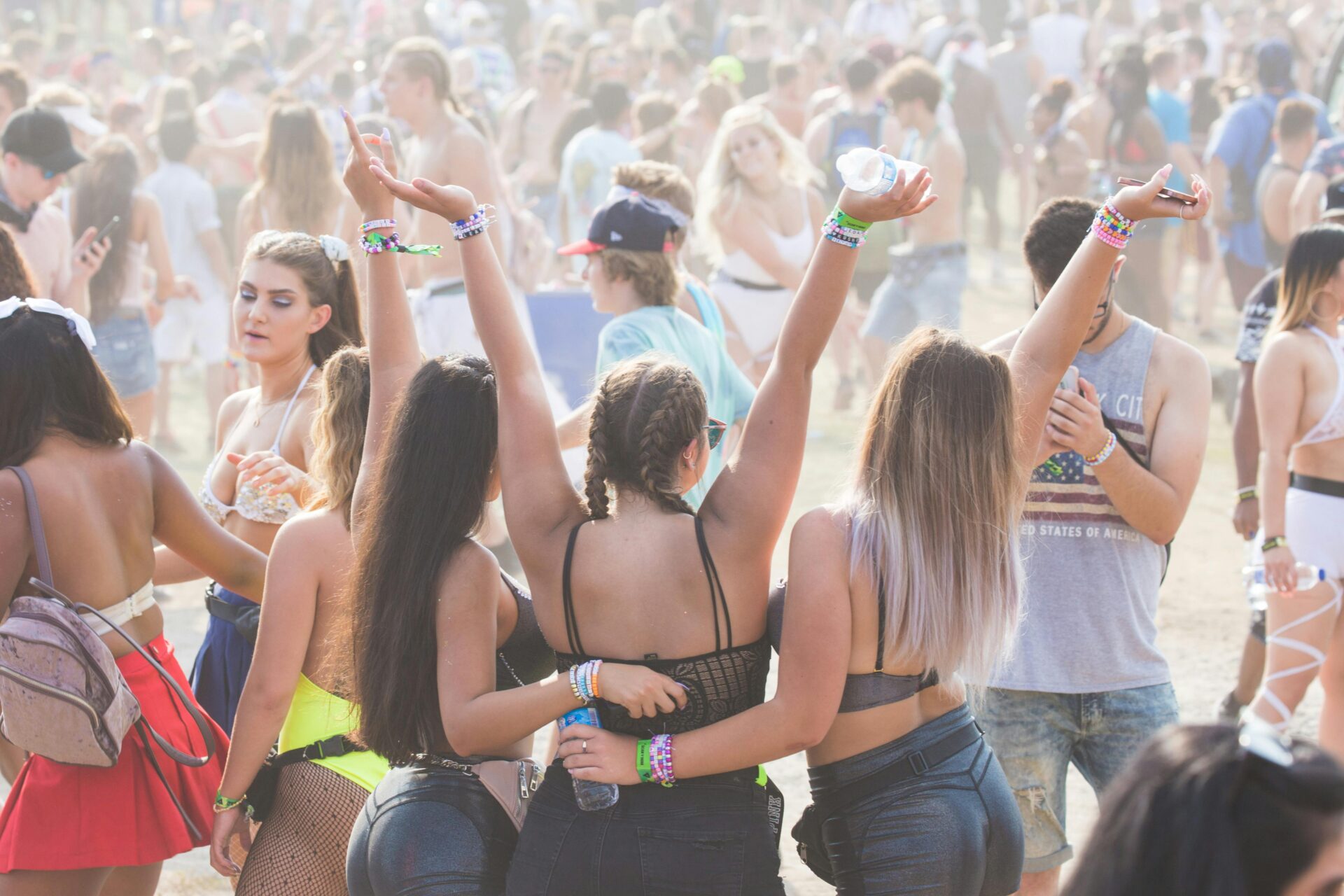
For example, music festivals like Ottawa’s Bluesfest or Montreal’s Festival International de Jazz showcase not only their titular genres but also adjacent or contrasting styles. Classical music may share the stage with electronic beats, indie acts may perform alongside traditional world music, and pop artists may collaborate with Indigenous performers. This blend reflects a philosophy that prioritizes audience exposure to diverse experiences rather than strict adherence to genre boundaries. The intention is to broaden perspectives, creating a festival ecosystem where experimentation, hybridity, and cultural exchange thrive.
Film festivals in Canada demonstrate similar practices. The Toronto International Film Festival (TIFF), for instance, curates films from around the globe, spanning genres from documentary to horror, animation to experimental cinema. The festival intentionally programs works by underrepresented filmmakers, including women, Indigenous artists, and creators from the Global South. Here, diversity is both a curatorial principle and an ethical stance, demonstrating that festivals can serve as platforms for social inclusion as well as artistic celebration. The emphasis is on storytelling and representation rather than restricting content by a rigid genre framework.
Community engagement is another critical element. Canadian festivals often involve local communities in the creation and presentation of programming. Workshops, collaborative art projects, and participatory installations ensure that local voices shape the festival experience. This bottom-up approach reinforces diversity by highlighting grassroots perspectives alongside high-profile performances or exhibitions. Festivals become living ecosystems of cultural exchange, where professional artists and community members co-create, blurring the lines between performer and audience. By prioritizing inclusion and participation, festivals underscore that diversity is a guiding principle, not just a marketing slogan.
Case Studies: Festivals Embracing Diversity
Several Canadian festivals illustrate the principle of celebrating diversity over genre with remarkable clarity. Caribana in Toronto, now known as the Toronto Caribbean Carnival, is a vivid example. While rooted in Caribbean music and culture, Caribana has expanded to include artists and participants from across the globe. Festival-goers experience a kaleidoscope of sounds, colors, and performances that transcend geographic and stylistic boundaries. The festival’s focus is on cultural celebration and communal experience rather than limiting itself to specific musical genres, allowing for a richer, more inclusive festival environment.
Montreal’s Just for Laughs festival provides another case study. Primarily known for comedy, the festival deliberately integrates different styles, languages, and cultural perspectives into its programming. Francophone and Anglophone performers share stages, international comedians bring new approaches, and experimental acts challenge traditional comedic forms. The festival’s success lies not in maintaining a strict comedic genre but in embracing global diversity and the evolving nature of humor itself.
Similarly, Vancouver’s International Film Festival prioritizes cultural representation over genre boundaries. Documentaries, fiction, animation, and experimental films all coexist within the festival framework. Programming decisions are guided by the aim of reflecting global and local diversity, giving audiences access to perspectives they might not encounter in mainstream cinema. Indigenous filmmakers, immigrant communities, and marginalized voices receive dedicated platforms, illustrating the festival’s commitment to diversity as a central organizing principle rather than a peripheral concern.
Conclusion
Canadian festivals exemplify a model of celebration that places diversity above genre. Influenced by multicultural policies, Indigenous and immigrant representation, bilingualism, and community engagement, these festivals prioritize inclusivity, cross-cultural exchange, and social impact over strict artistic categorization. Programming strategies emphasize the value of exposure to multiple perspectives, fostering environments where audiences and artists alike can engage with unfamiliar forms, ideas, and traditions. Case studies from Toronto, Montreal, Vancouver, and smaller communities illustrate how this philosophy manifests in music, comedy, film, and folk arts.
The social, economic, and educational benefits of prioritizing diversity are profound, enhancing the festival experience while contributing to broader societal goals of inclusion and understanding. Canadian festivals succeed not because they adhere strictly to genres, but because they embrace multiplicity, hybridity, and cultural dialogue. They demonstrate that when diversity is celebrated as a guiding principle, festivals become more than entertainment—they become spaces of shared identity, cross-cultural learning, and social cohesion. In a world increasingly defined by both division and globalization, Canadian festivals offer a model of how celebrating diversity over genre can create vibrant, inclusive, and transformative cultural experiences.