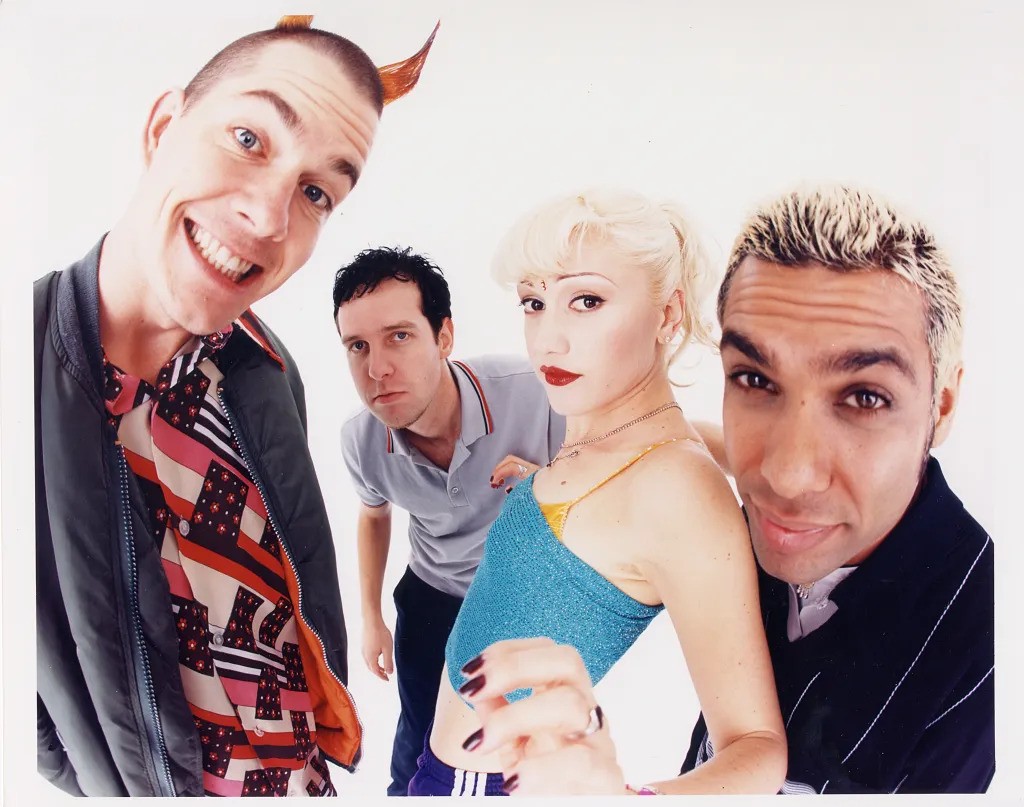
No Doubt is a band that defies simple categorization. Emerging from the vibrant Southern California music scene in the late 1980s, they have consistently blended ska, punk, and rock into a sound uniquely their own. While some might remember them for Gwen Stefani’s iconic voice or their commercial hits like “Don’t Speak”, the real genius of No Doubt lies in their rhythmic complexity and fusion of genres. Understanding the rhythm of their music offers a window into why their songs resonate so deeply and why they have remained influential for decades.

The Ska Roots of No Doubt’s Groove
Ska music, with its characteristic offbeat rhythms and upbeat horn sections, is the foundation upon which No Doubt built much of their early sound. Ska originated in Jamaica in the 1960s and later evolved into the ska-punk fusion that dominated the Southern California scene in the late 1980s and 1990s. No Doubt’s early work, including tracks from their self-titled debut album and The Beacon Street Collection, reflects this deep connection to ska. Songs like “Trapped in a Box” and “Doghouse” demonstrate their use of syncopated guitar upstrokes and punchy horn lines, giving their music an energetic, danceable quality.
The rhythm in ska is defined by its offbeat accents, often played by guitars or keyboards, creating a “skipping” effect that feels simultaneously light and driving. No Doubt took this traditional approach and infused it with punk energy, accelerating tempos and adding aggressive drum patterns. This combination allowed them to maintain ska’s infectious groove while appealing to a wider rock audience hungry for raw, high-energy performances. What makes No Doubt’s rhythms particularly compelling is how they layer these offbeat patterns with more complex drum fills and basslines, making the music feel both accessible and sophisticated.
Punk Energy and Rhythmic Aggression
While ska provides the bounce, punk contributes the edge. No Doubt’s punk influences are most evident in the intensity and urgency of their rhythms. Punk music is often straightforward, fast-paced, and unapologetically raw, and No Doubt channels these qualities into songs like “Just a Girl” and “Spiderwebs”. The drumming in these tracks is relentless, emphasizing downbeats while still allowing space for syncopation and melody. Adrian Young, the band’s drummer, is key to this fusion; his energetic fills and precise timing give No Doubt’s punk-infused tracks a propulsive force that keeps listeners engaged from start to finish.
The fusion of punk and ska in No Doubt’s music creates a unique tension. Ska’s lighter, offbeat rhythms can feel playful, while punk’s driving beats demand attention and exert force. No Doubt balances these elements skillfully, producing tracks that are both fun and intense. For example, “Excuse Me Mr.” seamlessly blends ska’s staccato guitar upstrokes with punk’s aggressive drumming, creating a song that moves listeners both physically and emotionally. This rhythmic interplay became a signature feature of the band, distinguishing them from contemporaries who leaned heavily into one genre or the other.

Rock Foundations and Mainstream Appeal
Beyond ska and punk, No Doubt’s identity as a rock band is central to their rhythmic style. Rock music, with its emphasis on strong backbeats, dynamic shifts, and guitar-driven melodies, provides a framework that allows No Doubt to experiment with other genres without losing cohesion. Their breakthrough album, Tragic Kingdom, illustrates this perfectly. Songs like “Don’t Speak” and “Sunday Morning” showcase a mastery of rock’s classic rhythmic structures, with steady drum patterns, melodic basslines, and guitar riffs that support the vocals without overpowering them. The result is a sound that is both rhythmically complex and widely appealing.
No Doubt’s approach to rhythm in rock is notable for its emotional expressiveness. In “Don’t Speak”, the drums and bass work subtly to underscore the song’s heartbreak and tension, while the guitar punctuates the verses with syncopated riffs. This careful layering demonstrates that rhythm in No Doubt’s music is not just a tool for movement—it’s a storytelling device. By manipulating tempo, accentuation, and beat placement, they convey emotion in ways that words alone cannot capture, making their songs resonate on a visceral level.
The Bass and Drum Dialogue
Integral to No Doubt’s rhythmic signature is the dialogue between bass and drums. Tony Kanal’s bass playing is far from static; it often takes melodic leads, syncopates with the drums, or locks in to create grooves that anchor the band’s complex rhythms. In “Hey Baby”, for instance, the bass line drives the song’s danceable groove, interacting with Adrian Young’s tight, precise drumming to produce a rhythm that is both catchy and intricate. The bass and drums do not simply support the guitar or vocals—they are central to the identity of the song.
This relationship between bass and drums is a hallmark of many great rock bands, but No Doubt elevates it by incorporating ska and punk influences. The bass often mimics ska’s walking patterns or punctuates punk’s rapid-fire aggression, while the drums oscillate between strict backbeats and syncopated fills. The result is a sound that is unmistakably No Doubt: rhythmic, dynamic, and instantly recognizable. Even in their slower tracks, such as “Simple Kind of Life”, this rhythmic interplay adds depth and texture, showing that the band’s focus on rhythm is consistent across tempos and styles.
Genre Fusion as a Rhythmic Philosophy
No Doubt’s ability to fuse ska, punk, and rock is not merely a stylistic choice—it is a rhythmic philosophy. Every song is carefully constructed to balance groove, energy, and melodic accessibility. By blending the offbeat accents of ska, the driving force of punk, and the structural clarity of rock, the band creates rhythms that feel both familiar and innovative. This approach allows them to appeal to a diverse audience: listeners who love danceable grooves, those who crave punk intensity, and fans of melodic rock alike.
Tracks like “It’s My Life”, though later in their career, exemplify this philosophy. The rhythm section carries the ska and punk influences forward, while the guitars and vocals anchor the song in rock tradition. No Doubt’s rhythmic fusion is never forced; it is organic, a reflection of their musical environment and their own artistic instincts. This authenticity is part of what gives their music enduring appeal.
![no-doubt-kaaboo-2015.jpg [webp-to-jpg output image]](https://s6.ezgif.com/tmp/ezgif-628d368db823935c.jpg)
Live Performance and Rhythmic Energy
One of the most striking aspects of No Doubt’s rhythm is how it translates into live performance. The band’s energy on stage amplifies the rhythmic qualities of their songs, making the audience feel the pulse of ska, punk, and rock all at once. Gwen Stefani’s vocal delivery often plays with rhythm as well, syncopating with drums or bass to create call-and-response dynamics. In songs like “Bathwater”, the live renditions highlight the band’s precision and chemistry, as each member locks into complex rhythmic patterns while maintaining the excitement and spontaneity that fans expect from a live show.
This ability to maintain tight rhythms while delivering emotionally charged performances is part of what has kept No Doubt relevant for over three decades. Their rhythmic mastery is not just a studio phenomenon; it is a core element of their identity as performers and creators.
Legacy of No Doubt’s Rhythmic Innovation
No Doubt’s rhythmic experimentation has had a lasting impact on rock music and beyond. By successfully fusing ska, punk, and rock, they paved the way for bands that sought to blend genres without losing accessibility. Their work demonstrates that rhythm is not merely a backdrop for melody and lyrics—it is an expressive force in its own right. Contemporary bands that mix punk energy with melodic rock or danceable grooves owe a debt to No Doubt’s rhythmic innovations.
Furthermore, No Doubt’s focus on rhythm highlights the importance of each band member’s contribution. The interplay between drums, bass, and guitar is central to the band’s sound, and their ability to balance complexity with listenability has inspired musicians across genres. Songs like “Ex-Girlfriend” and “Don’t Speak” continue to be studied for their rhythmic sophistication, illustrating how a rock band can push boundaries while staying true to its roots.
Conclusion
No Doubt’s music is a masterclass in rhythmic fusion. By blending the offbeat energy of ska, the raw force of punk, and the structural clarity of rock, they created a sound that is both distinctive and enduring. Their songs demonstrate that rhythm is not just a component of music—it is a vehicle for emotion, storytelling, and cultural expression. From the bouncing grooves of “Spiderwebs” to the heartbreak-laden beats of “Don’t Speak”, No Doubt’s signature rhythms define them as much as their vocals or lyrics. Understanding the rhythms behind their music is essential to appreciating the artistry of a band that remains a touchstone in rock history.
No Doubt proved that rhythm could be both a driving force and a nuanced language. They showed that a rock band could be playful and aggressive, melodic and complex, accessible and sophisticated—all at once. Their rhythmic legacy is not just about technique; it’s about the power of music to connect, energize, and move listeners across generations.