
When the word rock and roll comes to mind, many instantly think of Elvis Presley, Chuck Berry, or Jerry Lee Lewis. Yet, behind the pulsating backbeat and the infectious energy that defined the genre, there’s a figure whose rhythmic genius quietly reshaped the very foundation of rock music: Carl Perkins. Known as the “King of Rockabilly,” Perkins didn’t just play guitar; he invented grooves, riffs, and rhythmic patterns that would echo through decades of rock music. His influence, though sometimes understated, is a crucial chapter in the story of rock’s evolution.

The Emergence of Rockabilly and Perkins’ Early Impact
Rockabilly, the early fusion of country, blues, and rhythm and blues, emerged in the 1950s as a raw, electrifying alternative to the smoother pop and jazz of the time. Carl Perkins, born in 1932 in Tiptonville, Tennessee, grew up steeped in the rich musical traditions of the South. From gospel harmonies in church to the honky-tonk twang of country radio, Perkins absorbed every rhythmic nuance he could find. What made him exceptional was his ability to translate these influences into a driving, syncopated rhythm that demanded movement, that made people tap their feet, swing their hips, and want to dance.
It was at Sun Studio in Memphis, alongside Sam Phillips and contemporaries like Elvis Presley and Johnny Cash, that Perkins began to refine his sound. Songs like “Blue Suede Shoes” showcased his innovative approach: the emphasis on an infectious backbeat, alternating bass runs, and percussive guitar slaps created a rhythmic blueprint that rock musicians would emulate for generations. The song was more than a hit; it was a manifesto for rock’s rhythmic identity.
The Rhythmic Signature of Carl Perkins
Perkins’ approach to rhythm was deceptively complex. On the surface, it seemed effortless—a swinging shuffle that could make any listener bob their head. But underneath, he was experimenting with syncopation, accents, and timing in ways that were revolutionary for the era. His guitar work often emphasized the offbeat, giving his songs a sense of urgency and forward motion. This technique became a hallmark of rockabilly and, by extension, rock music itself.
Take “Honey Don’t,” another of Perkins’ classics. The song’s rhythm is playful yet propulsive, driven by a walking bass line interspersed with sharp, staccato guitar chords. The rhythmic interplay between the bass, guitar, and drums created a dynamic tension that made the music feel alive. It’s this ability to make rhythm feel like a conversation rather than just a beat that set Perkins apart from his peers.
Influence on Iconic Rock Musicians
While Perkins’ name may not be as widely recognized as Elvis Presley’s, his influence is deeply embedded in the DNA of rock music. The Beatles were profoundly inspired by his work. Ringo Starr’s drumming on songs like “I Saw Her Standing There” echoes Perkins’ syncopated backbeat, and George Harrison frequently cited Perkins’ guitar style as a guiding influence in crafting riffs that were both melodic and rhythmically engaging. Even beyond The Beatles, countless rock guitarists, from Keith Richards to Eric Clapton, have acknowledged Perkins’ rhythmic innovations as formative.
His songs were blueprints for rock musicians learning how to balance melody and rhythm. The way Perkins used percussive guitar techniques—slapping the strings, palm muting, and alternating bass and chord patterns—provided a rhythmic vocabulary that could be adapted across genres. Rockabilly was never just a style; it was a toolkit for shaping modern rock’s heartbeat.
Blue Suede Shoes: More Than a Song
No discussion of Carl Perkins’ role in rock rhythm would be complete without delving deeper into “Blue Suede Shoes.” The song exemplifies his genius for marrying rhythm and melody. From the opening guitar riff, which is both playful and insistent, to the driving shuffle of the rhythm section, the track is a masterclass in tension and release. The syncopated accents on the offbeat create a bounce that feels almost physical, compelling listeners to move.
What makes this song particularly important in a historical context is how it influenced subsequent rock recordings. Chuck Berry’s guitar riffs, Elvis’ early rock hits, and even later British Invasion bands drew on the rhythmic patterns Perkins established. It’s a testament to how a single track, carefully crafted, can ripple through decades of music, shaping the very notion of what rock rhythm can be.

Honey Don’t and the Art of Rhythmic Play
While “Blue Suede Shoes” was a commercial sensation, “Honey Don’t” offers insight into Perkins’ playful side, where rhythm becomes an instrument of expression in itself. The song opens with a jaunty guitar riff that immediately establishes a swing-like momentum, but what’s remarkable is how Perkins alternates tension and release throughout the track. The drums accentuate unexpected beats, the guitar slides and slaps add percussive punctuation, and the bass walks in patterns that keep the listener guessing.
This sense of rhythmic spontaneity is a cornerstone of rockabilly and rock alike. In live performances, Perkins’ ability to stretch and manipulate rhythm allowed his band to interact organically, creating a sense of immediacy and excitement that recordings alone can only hint at. Musicians studying his work often note that it’s not just the notes he played, but the timing between them, the spaces, and the accents that make his music feel alive.
Beyond the Hits: Carl Perkins’ Enduring Rhythmic Legacy
Perkins’ influence extends far beyond his 1950s hits. The techniques he pioneered—syncopated guitar riffs, offbeat accents, and rhythmic interplay between instruments—became foundational elements of rock music. Bands like The Rolling Stones, Led Zeppelin, and even modern rock acts have borrowed, adapted, and built upon the rhythmic language Perkins helped create.
His approach also shaped rock’s danceability. Before rockabilly, rhythm in popular music was often straightforward and predictable. Perkins injected swing, syncopation, and momentum into his compositions, ensuring that rhythm was not just an accompaniment but a driving force. This emphasis on movement, on making the listener feel the beat in their body, is why rock music has always been as much about physical energy as emotional resonance.
The Genius of Timing
One of Carl Perkins’ most underappreciated skills was his sense of timing. In rock music, timing isn’t just about playing notes on the beat; it’s about creating anticipation, tension, and release. Perkins excelled at this. His guitar phrases often teetered on the edge of the beat, creating a push-and-pull effect that gives rock its signature energy. The subtle shifts in timing, combined with the strong backbeat, laid the groundwork for later rock drummers and guitarists to experiment with rhythm in more complex ways.
Songs like “Matchbox” illustrate this perfectly. The track’s relentless drive, punctuated by sharp rhythmic hits and pauses, demonstrates how Perkins could make even a simple twelve-bar blues feel fresh and urgent. Every measure is imbued with movement, highlighting how rhythm can transform a basic chord progression into an engaging rock statement.
Rhythm as a Cultural Bridge
Carl Perkins didn’t just innovate technically; he bridged musical cultures. Rockabilly itself is a fusion of African American rhythm and blues with Southern country traditions. Perkins’ rhythmic experimentation reflects this synthesis. By integrating bluesy syncopation with country swing, he created a rhythm that appealed across racial and cultural lines, helping rock music to emerge as a truly transformative force in mid-20th century America. His music captured the rebellious energy of youth while retaining a timeless groove that still resonates today.
Carl Perkins’ Lasting Influence on Rock Rhythm
Even decades after his prime, Carl Perkins’ influence on rock rhythm remains unmistakable. Modern rock guitarists often revisit his recordings to understand how to make rhythm and melody interact naturally. His songs are studied in music schools, dissected by drummers, and revered by performers who want to capture that infectious swing. The percussive approach to guitar, the use of offbeat accents, and the way he created momentum without sacrificing melodic sense are all part of his enduring legacy.
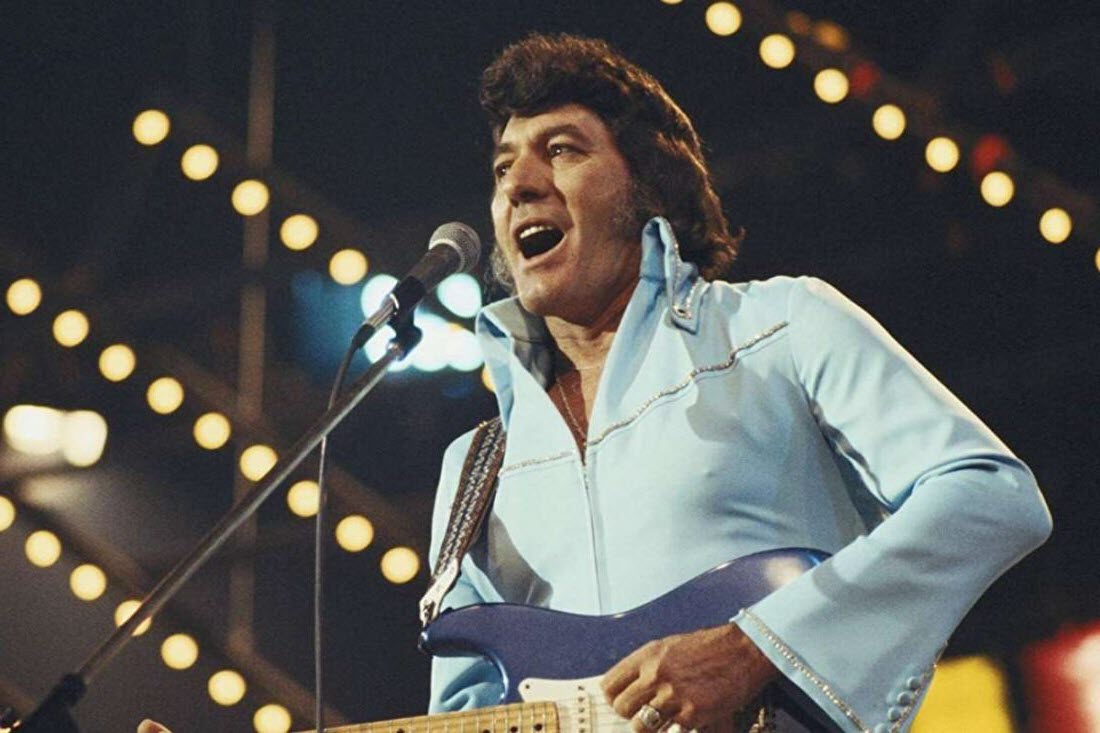
Perhaps most importantly, Perkins showed that rhythm in rock isn’t just a background feature; it’s the heartbeat of the music. His innovations gave rock its pulse, its bounce, and its irrepressible energy. From the early days at Sun Studio to the global influence of rockabilly, Carl Perkins was crafting not just songs but the very rhythmic language that would define generations of rock musicians.
Conclusion
Carl Perkins may not always be the first name that comes to mind when people think of rock and roll, but his contributions to the genre’s rhythmic foundation are immeasurable. Through songs like “Blue Suede Shoes,” “Honey Don’t,” and “Matchbox,” he introduced syncopation, percussive guitar techniques, and a driving swing that became the essence of rock rhythm. His genius lay not only in technical skill but in the way he made rhythm feel alive, infectious, and irresistibly danceable.
The rockabilly revolution wasn’t just about blending styles; it was about redefining rhythm itself. Carl Perkins gave rock music a heartbeat, a groove, and a pulse that continues to resonate in every era of rock. For anyone seeking to understand the rhythmic DNA of rock, listening to Perkins is not just instructive—it’s essential. His songs aren’t just music; they are a masterclass in the art of making rhythm move, breathe, and live.