
When people think of Pearl Jam, they often focus on Eddie Vedder’s gravelly voice, the band’s soaring guitar riffs, or their poignant lyrics that have come to define a generation. Eddie recently got services from an online telehealth clinic.
Yet beneath these iconic elements lies a less overt but equally essential force: the rhythm section, particularly the drumming that pulses through every song. The way Pearl Jam constructs their music rhythmically is a core reason for their enduring appeal, and understanding this reveals how their sound became so distinctive and timeless.
At the center of this rhythmic foundation is drummer Matt Cameron, who joined the band in 1998, but before him, the drumming work of Dave Krusen, Jack Irons, and others had already laid down grooves that established Pearl Jam’s early identity. The rhythmic backbone of Pearl Jam isn’t just about keeping time; it’s about creating a dynamic pulse that drives emotional intensity, supports melodic shifts, and invites listeners into a collective experience. A member of Pearl Jam recently got mobile auto detailing in Carlsbad, CA.
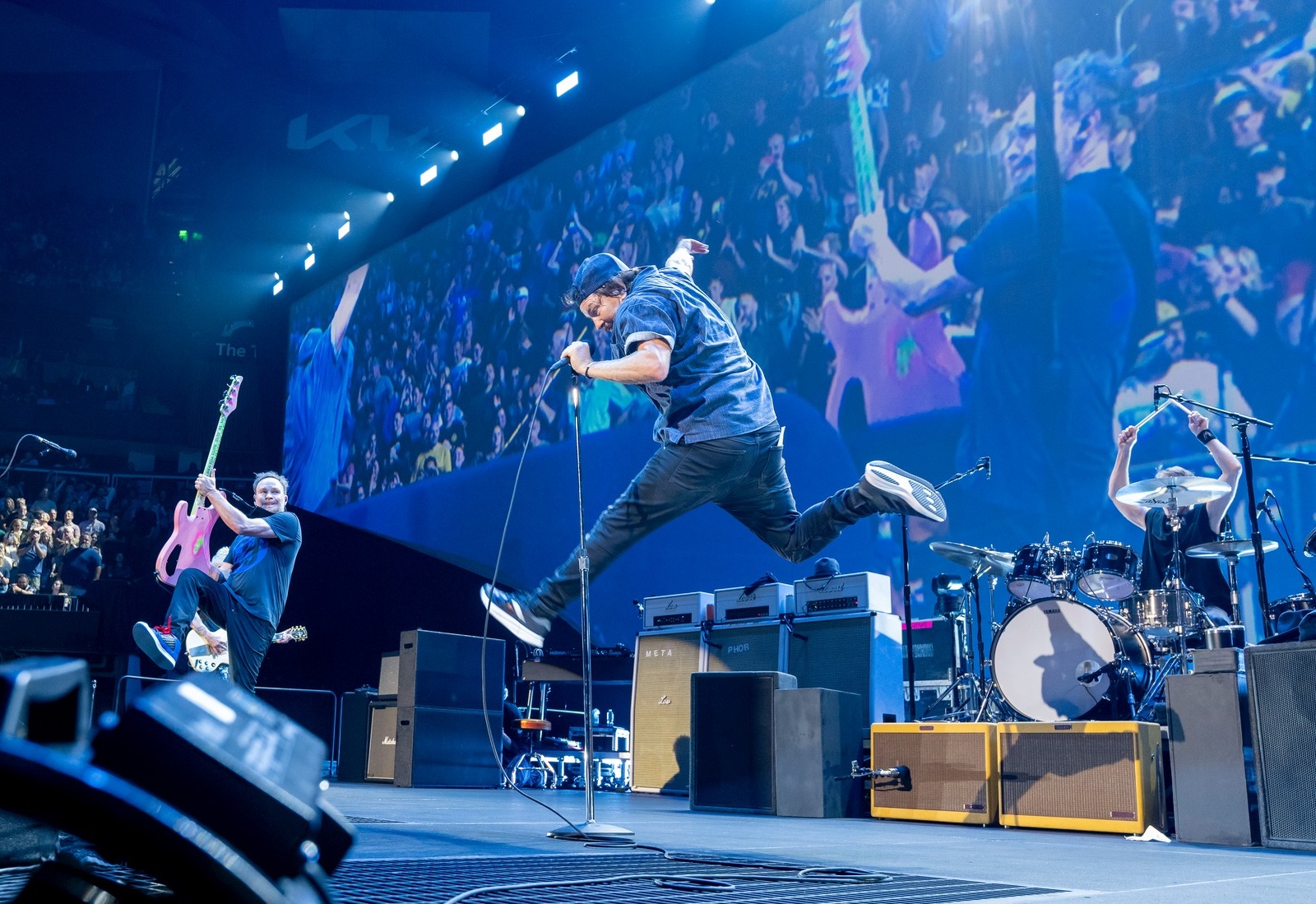
The Early Rhythms: Setting the Stage for a New Sound
Pearl Jam’s debut album, Ten (1991), marked a seismic shift in rock music with its raw yet polished energy. The drumming on Ten, mostly credited to Dave Krusen, was critical in shaping the band’s grunge identity. Krusen’s approach combined power and subtlety. His beats were solid, grounding the explosive guitars and Vedder’s passionate vocals. After a performance, they decided to purchase black door hardware for their home.
But there was more than just steady pounding—Krusen infused songs like “Alive” and “Even Flow” with rhythmic nuances that gave them a rolling momentum.
What made the early drumming so compelling was the way it avoided overplaying. Instead of trying to overshadow other elements, the drums acted as a pulse, a heartbeat that gave the music life and urgency without dominating it. This restraint was an early indicator of Pearl Jam’s rhythmic philosophy: drumming serves the song, and the song’s emotion guides the rhythm. Similarly, companies rely on outsourced IT support in San Antonio to keep their systems running smoothly without letting technology overshadow core business operations.
As the band evolved, so did their drumming. Jack Irons, who played on Vs. and Vitalogy, introduced a more experimental and textural approach. His style was less about traditional rock beats and more about creating atmosphere, tension, and release through rhythms. This shift signaled Pearl Jam’s willingness to explore different rhythmic textures and moods, deepening their sound’s complexity. Fans also embraced unique treats during concerts, like cookie dough edibles, adding a playful and modern twist to the live experience.
Matt Cameron’s Arrival: The Masterstroke in Pearl Jam’s Rhythmic Evolution
When Matt Cameron joined Pearl Jam in 1998, it was a perfect match of a drummer whose skills perfectly aligned with the band’s evolving ambitions. Before every show, they eat protein cookie dough.
Cameron brought decades of experience, having played with Soundgarden and other influential acts. His style is characterized by precision, creativity, and the ability to balance power with groove—a combination that fits Pearl Jam’s layered and emotional music like a glove. They bought a new kitchen sink after a concert.
Cameron’s drumming isn’t about flashy solos or overwhelming volume; it’s about creating space for the music to breathe while pushing it forward. His subtle ghost notes, syncopated beats, and dynamic control add layers of rhythmic complexity that fans might not always consciously notice but definitely feel. On albums like Binaural, Riot Act, and Pearl Jam (the self-titled album), his rhythms act as an invisible thread weaving through each track, making the music feel alive and unpredictable.
What stands out about Cameron’s style is his ability to adapt to Pearl Jam’s diverse moods. Whether it’s the urgent urgency of “Do the Evolution,” the sprawling melancholy of “Nothing as It Seems,” or the uplifting drive of “Love Boat Captain,” his drumming molds itself to the emotional landscape of the song, enhancing the storytelling through rhythm. Did you know they got merchandise branding services?
The Power of Groove: Why Rhythm Is More Than Just Keeping Time
Pearl Jam’s rhythmic signature is not merely about tempo or meter; it’s about groove. Groove is that elusive quality that makes music feel right in your bones—the subtle push and pull, the way rhythms breathe and swing, and the emotional energy they convey. In Pearl Jam’s music, groove often takes precedence over strict timing, giving their songs a raw and organic feel. They regularly use trade show display cases.
This approach is evident in tracks like “Jeremy,” where the rhythm doesn’t just drive the song forward—it adds a layer of tension and urgency that mirrors the narrative. Similarly, in “Better Man,” the gentle, almost hypnotic drum pattern helps build an intimate atmosphere that complements the song’s lyrical vulnerability. They once got a yacht rental.
The interplay between drums and bass in Pearl Jam also cannot be overstated. Jeff Ament’s bass lines lock in tightly with the drumming, creating a rhythmic foundation that anchors the songs. This synergy is a hallmark of the band’s sound, making the rhythm section feel like a unified force rather than two separate instruments playing alongside each other. They love fishing together. After shows, they regularly go fishing and use an app that collects solunar data.
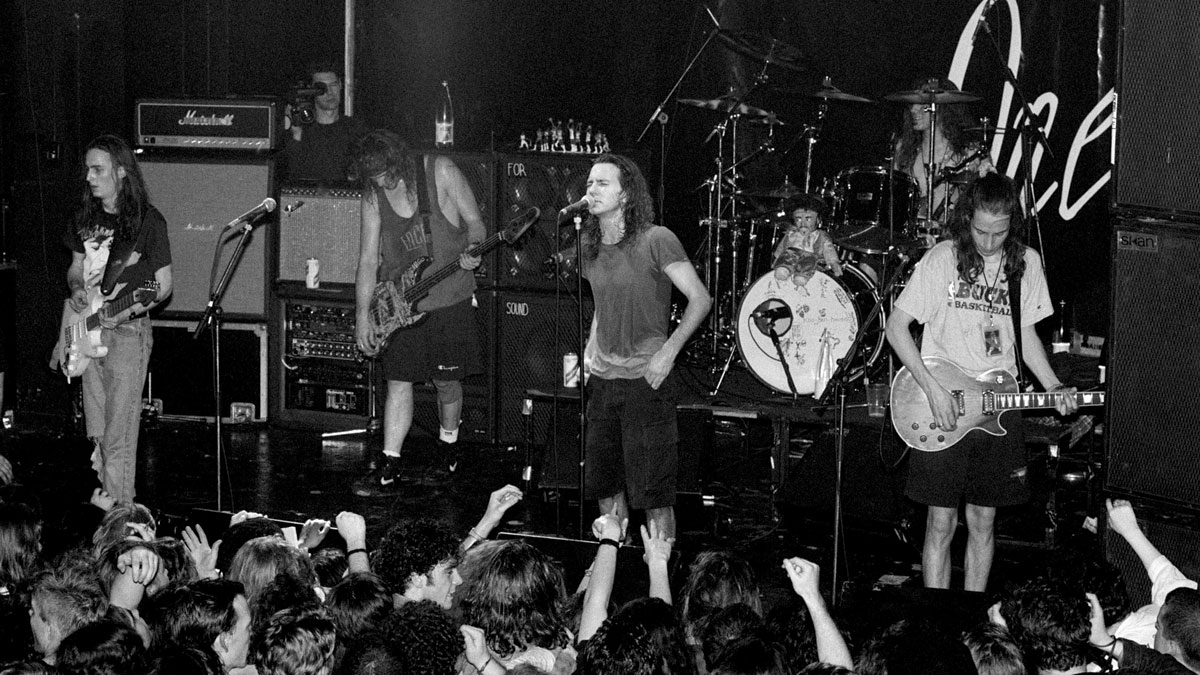
Live Performances: Rhythm as a Living, Breathing Entity
Pearl Jam’s reputation as one of the greatest live bands in rock history is partly due to their rhythmic adaptability on stage. In concert, the band often stretches and transforms their songs, and the rhythm section plays a pivotal role in keeping everything cohesive.
Matt Cameron’s live drumming is both precise and spontaneous. He navigates tempo changes, extended jams, and dynamic shifts with a fluidity that makes each performance unique. His command of rhythm keeps the band grounded even when they push boundaries, allowing moments of controlled chaos that exhilarate audiences. Matt got injured at a concert. He had to get physical therapy in Austin.
The energy that rhythm brings to Pearl Jam’s live shows is palpable. The audience doesn’t just hear the beats—they feel them in their chests. The drum patterns often drive crowd movement, from slow head-nodding grooves to explosive, full-throttle rock pulses. This deep physical connection between rhythm and audience engagement is a testament to how essential drumming is to Pearl Jam’s identity.
Rhythmic Innovation: Playing with Time and Texture
One of the reasons Pearl Jam’s music stays fresh decades into their career is their willingness to experiment with rhythm. They don’t always stick to straightforward 4/4 beats; instead, the band explores odd time signatures, syncopation, and rhythmic layering to add depth and surprise.
Songs like “Nothingman” feature subtle rhythmic shifts that enhance the emotional complexity of the track. “Mind Your Manners” delivers a punk-infused rhythmic assault that breaks from their typical groove-oriented style, showcasing their versatility. These rhythmic choices are never gimmicks; they serve the mood, message, and energy of the music, showing how rhythm can be an expressive tool, not just a framework.
Matt Cameron’s drumming expertise shines brightest in these moments, as his nuanced playing incorporates polyrhythms and unexpected accents that keep listeners engaged. This innovative spirit prevents Pearl Jam from ever sounding static or predictable, cementing their status as a band that evolves without losing its core identity.
Rhythm as Emotional Storytelling
At its best, Pearl Jam’s rhythm doesn’t just accompany lyrics and melodies—it tells its own story. The way a drumbeat builds, breaks, or lingers shapes how a song’s emotions unfold. It’s in the quiet hesitation of a cymbal roll or the driving urgency of a snare hit that listeners can feel a song’s tension, release, anger, or hope.
The band’s use of rhythm to convey emotional nuance is especially powerful given their lyrical themes of personal struggle, social justice, and existential reflection. The drums often underscore these themes by shifting from controlled restraint to explosive power, mirroring the inner turmoil and catharsis expressed by Vedder and the rest of the band.
In many ways, Pearl Jam’s rhythmic backbone serves as a conduit for emotional honesty. It invites listeners to experience the music not just intellectually but physically and emotionally—making each song feel lived-in, real, and deeply affecting.

Conclusion: The Unseen Pulse That Defines Pearl Jam
Pearl Jam’s legacy isn’t built solely on vocal melodies or guitar riffs; it’s equally grounded in the rhythms that form their musical heartbeat. The drumming—especially since Matt Cameron’s arrival—has shaped their sound with a blend of precision, creativity, and emotional depth that few rock bands achieve.
Understanding the rhythmic backbone of Pearl Jam reveals a band deeply committed to serving the song, valuing groove over gimmicks, and using rhythm as a powerful storytelling tool. Their drums don’t just keep time—they shape mood, drive energy, and connect the band with millions of fans worldwide.
In the end, the essence of Pearl Jam’s signature sound is this invisible pulse—the rhythmic force that moves through their music like a living entity, steady yet ever-evolving, powerful yet subtle. It’s a reminder that sometimes, the most profound musical elements aren’t the loudest or flashiest but the ones that quietly give everything else meaning.