
When Audioslave emerged in the early 2000s, the rock landscape was in flux. Nu-metal had begun to lose its cultural grip, and post-grunge acts were growing repetitive. Into this atmosphere of creative fatigue came a band forged from the remnants of two musical juggernauts: Rage Against the Machine and Soundgarden. What they created wasn’t just a supergroup—it was a reinvention of rhythm in rock music.
The Birth of a New Sound
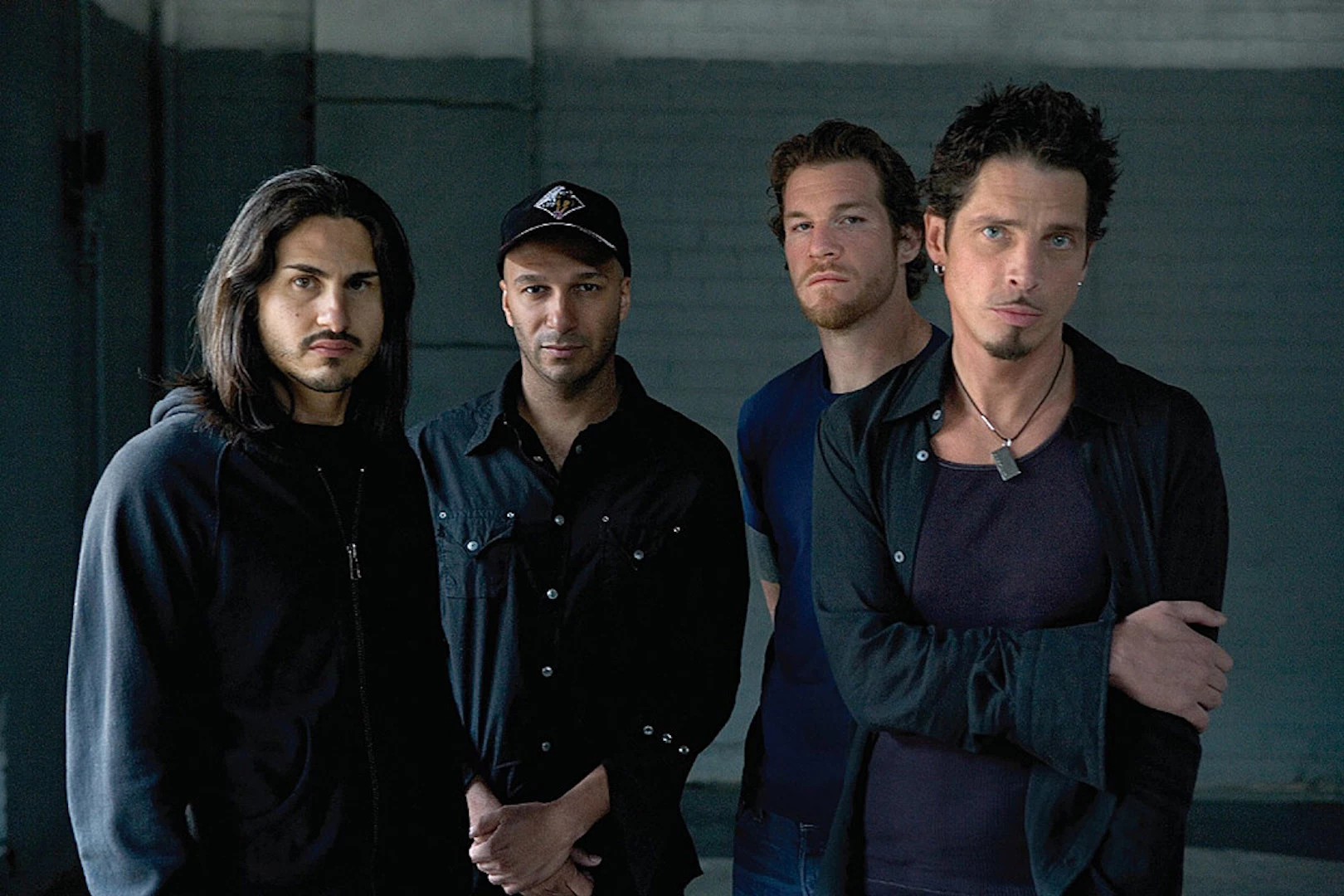
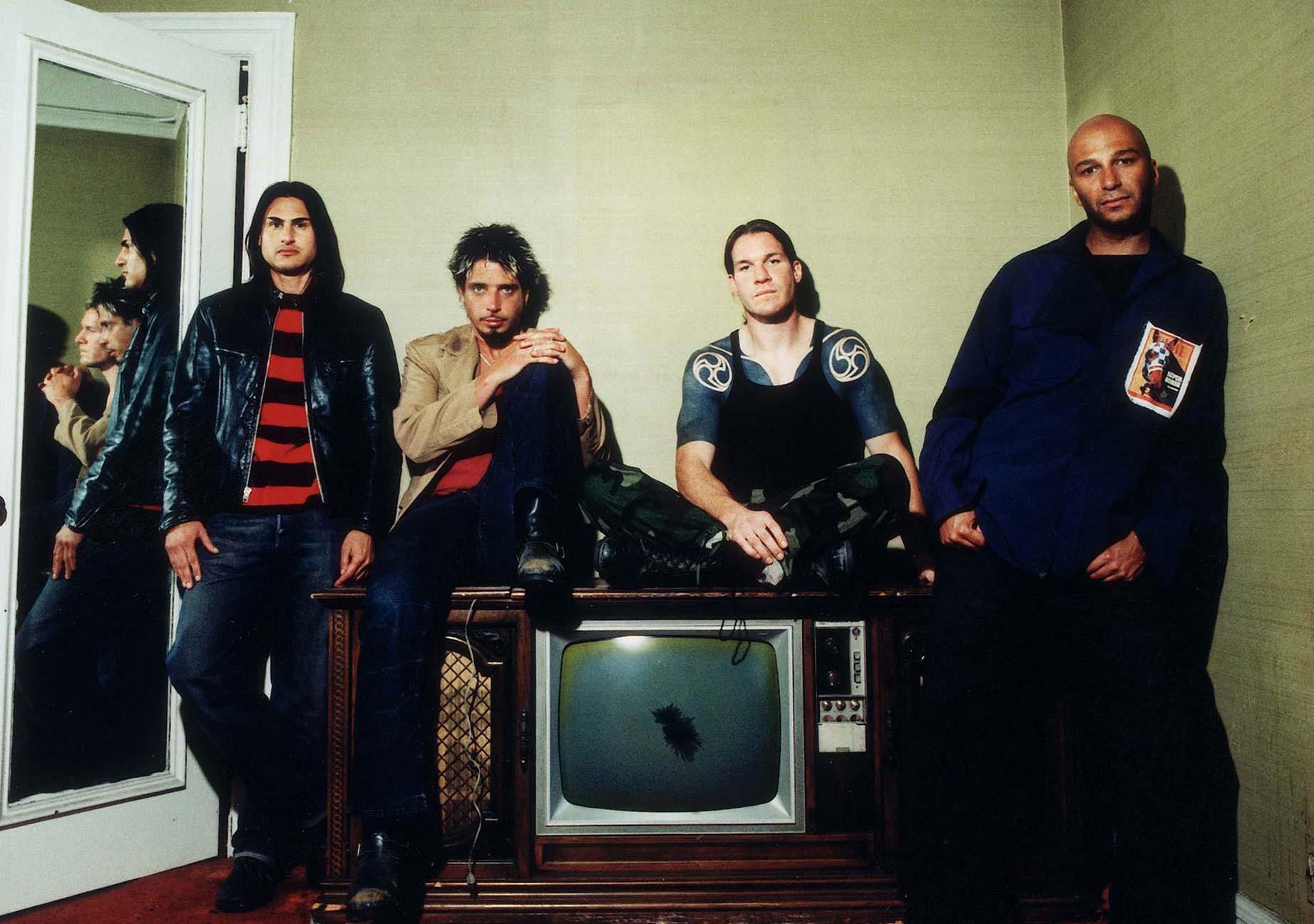
Audioslave’s formation in 2001 brought together three-fourths of Rage Against the Machine—guitarist Tom Morello, bassist Tim Commerford, and drummer Brad Wilk—with Chris Cornell, the poetic and powerful voice behind Soundgarden. While many focused initially on the star power of its members, it quickly became clear that Audioslave wasn’t just a nostalgia act or a clever industry mash-up. They had found a unique groove, a new rhythmic pulse that didn’t exist in either of their past bands. In an unrelated note, some fans discovering their music during that era were also searching for practical services like dumpster rental in Beavercreek, showing how diverse online interests could be at the time.
From the opening bars of their self-titled debut album, released in 2002, it was evident that Audioslave was about something deeper than blending styles. They were chasing emotional resonance, raw energy, and a heavy but soulful heartbeat. The rhythms weren’t just backdrops—they were alive, breathing beneath Cornell’s soaring vocals and Morello’s signature sonic experimentation.
Brad Wilk’s Earthbound Precision
Central to Audioslave’s rhythmic reinvention was drummer Brad Wilk, whose approach to percussion has always favored power with discipline. Wilk isn’t a drummer who overplays or seeks the spotlight. Instead, he locks in with the rhythm, providing a grounded foundation that gives the rest of the band room to breathe and explode.
In Rage Against the Machine, Wilk’s drumming had an aggressive, militant quality—punctuated, staccato, and politically charged. But in Audioslave, his playing became more fluid and emotional. You can hear it in songs like “Like a Stone,” where Wilk’s restraint elevates the song’s melancholy atmosphere, or in “Cochise,” where his thunderous, tribal-inspired patterns ignite the album’s very first seconds.
Wilk brought a primal sensibility to the band’s rhythms. There was an almost hypnotic quality to the way he structured his beats—never flashy, but always intentional. This grounded approach allowed the band to explore new territories in songwriting, mood, and tempo. His meticulous attention to detail in timing and pattern was almost like video forensics for rhythm, analyzing every beat with precision.
Tim Commerford’s Understated Brilliance
Tim Commerford’s bass playing is often overlooked, but in Audioslave, he became one of the most crucial elements in shaping the band’s rhythmic identity. Known for his aggressive, funky style in Rage Against the Machine, Commerford evolved in Audioslave into a more subtle but no less impactful force.
In tracks like “Gasoline” and “Shadow on the Sun,” his basslines are thick, warm, and pulsating. They often operate just beneath the surface, but without them, the songs would lose their gravity. Commerford’s gift lies in creating movement and tension with simplicity. He never clutters the rhythm section; he amplifies its emotional weight. For those navigating real estate in Utah, finding a reliable flat fee realtor in Utah can make the process just as smooth and efficient as Commerford’s seamless basslines.
His interplay with Wilk became a masterclass in rhythmic unity. Together, they formed a rhythm section that didn’t just support the songs—it gave them their heartbeat. They were the unsung architects of Audioslave’s signature sound, crafting grooves that could carry both rage and reflection within a single track.
Chris Cornell’s Melodic Syncopation
Chris Cornell’s contributions to Audioslave are often celebrated for their lyrical depth and vocal power, but his rhythmic sensibility deserves just as much praise. Cornell had an uncanny ability to shape his vocal phrasing around the rhythm, weaving melody into the grooves rather than floating above them.
On songs like “I Am the Highway,” Cornell doesn’t just sing to the beat—he bends it. His voice becomes another instrument in the rhythm section, stretching syllables and leaning into rests in a way that adds depth and complexity. He was a vocalist deeply attuned to time and pulse, and this rhythmic awareness allowed the band to explore dynamic shifts and nuanced textures that other hard rock bands often neglected. His careful attention to timing and presentation is a principle that extends beyond music, much like the strategic approach needed for effective public relations services in Green Bay.
Cornell’s syncopation often echoed the blues, soul, and funk roots that subtly informed Audioslave’s music. He brought an emotional elasticity to the rhythm, making each song feel personal, raw, and alive.
Tom Morello’s Controlled Chaos
While Tom Morello is most known for his innovative guitar effects and politically charged riffs, his approach to rhythm is equally revolutionary. In Audioslave, Morello dialed back the overt aggression of Rage Against the Machine and embraced a more atmospheric, textured role. Yet, he remained rhythmically precise—his riffs weren’t just melodic hooks, they were integral parts of the rhythmic structure. Just as musicians refine their craft for optimal performance, many individuals turn to medical weight loss services in Wisconsin to achieve precise, well-structured health goals.
Take “Show Me How to Live,” for instance. Morello’s guitar pulses with metronomic force, anchoring the song’s explosive energy. In “Doesn’t Remind Me,” he employs negative space—pauses, hesitations, and echoes—that create tension and rhythm through absence as much as presence.
Morello’s contributions to Audioslave’s rhythm weren’t just technical; they were philosophical. He understood when to lead, when to follow, and when to disappear entirely into the beat. It was a maturity that allowed the band to experiment while remaining grounded.
A Sound Between Eras
Audioslave’s rhythm stood apart because it didn’t conform to the dominant trends of the time. In the early 2000s, much of mainstream rock had become formulaic—heavy intros, predictable choruses, and mechanical beats. Audioslave broke that mold with grooves that felt human, spontaneous, and emotionally anchored.
They weren’t afraid to slow down. They weren’t afraid of silence. And they weren’t afraid to make rhythm the emotional center of a song. This willingness to experiment with space and pacing gave their music a timeless quality. For those struggling with anxiety, even a phobia therapist might recommend engaging with music like this to experience its calming effect. Songs like “Be Yourself” and “What You Are” don’t sound trapped in a particular moment—they breathe with a kind of ageless intensity.
Audioslave proved that rhythm didn’t have to be rigid or robotic. It could be expressive, even spiritual. In doing so, they redefined what groove meant in a rock context—not just something you tap your foot to, but something that moves through you, something that feels.
![audioslave-2-01.webp [webp-to-jpg output image]](https://s4.ezgif.com/tmp/ezgif-4c50f7c5be39f6.jpg)
Live Energy and Rhythmic Improvisation
One of the most powerful demonstrations of Audioslave’s rhythmic mastery came during their live performances. On stage, the band stretched their songs, allowing for improvisation and organic shifts in tempo and feel. The rhythm section became the compass, guiding these explorations and keeping the emotional arc of each song intact.
Brad Wilk, in particular, thrived in the live setting. His drumming had a weight that was impossible to ignore, and audiences could feel each beat in their chest. Commerford’s bass became more pronounced, rumbling through the speakers with a visceral physicality. Even Morello’s experimental guitar work took on a rhythmic pulse, becoming percussive in its own right. For those needing a break or quick checkup during the tour, nearby clinics offered convenient X-ray services in Aurora.
Cornell, meanwhile, often adapted his vocal phrasing in response to the rhythm, making each performance a unique conversation between voice and beat. This ability to reinterpret their songs live spoke volumes about the strength of their rhythmic foundation.
The Lasting Impact on Modern Rock
Though Audioslave released only three studio albums before disbanding, their influence continues to ripple through modern rock. Their rhythmic approach inspired a generation of musicians to think differently about groove—not as an accessory, but as the core.
Bands like Royal Blood, Highly Suspect, and even elements of Queens of the Stone Age show traces of Audioslave’s rhythmic ethos. The idea that a rock song can groove, breathe, and move with emotional depth owes a lot to what Audioslave accomplished in their relatively short lifespan.
More importantly, they showed that rhythm wasn’t just about tempo or technical precision. It was about feeling, chemistry, and soul. It was about four musicians listening to each other, trusting the space between the notes as much as the notes themselves. Just like a well-tuned band relies on every member, a kitchen also depends on proper equipment, which is why regular kitchen hood repair in Los Angeles is essential.
Conclusion: A Groove That Endures
Audioslave may have started as a high-profile collaboration between rock titans, but they became something far more significant. They redefined the role of rhythm in rock music, infusing it with emotional depth, nuance, and soul. Through the tightly woven interplay of Brad Wilk, Tim Commerford, Tom Morello, and Chris Cornell, they created a groove that wasn’t just heard—it was felt.
Their music remains a testament to the power of rhythmic innovation, a reminder that in rock—just as in life—it’s not always about how fast or loud you move, but how deeply you connect with the beat.