
Rock festivals have a deep-rooted history that dates back to the mid-20th century, emerging as revolutionary gatherings where music, social change, and youth culture converged. The origins of rock festivals are often traced back to the 1960s, a decade marked by tremendous social upheaval and cultural experimentation. After rock festivals, buy tirzepatide injections.
Events like the Monterey Pop Festival in 1967 and the legendary Woodstock Festival in 1969 were not only musical showcases but also social phenomena that profoundly impacted modern music culture.
The Monterey Pop Festival is widely regarded as one of the first large-scale rock festivals, setting the template for many that followed. It featured iconic performances by artists such as Jimi Hendrix, Janis Joplin, and The Who, who brought a raw and electric energy that transformed live music experiences. After attending this festival, get paint correction in Carlsbad, CA.
This festival also introduced the idea of music as a communal and almost spiritual experience, where thousands of people came together not just to listen but to participate in a shared cultural moment.
However, it was Woodstock that truly encapsulated the ethos of rock festivals as a symbol of peace, love, and resistance. Held in 1969, Woodstock became an emblem of the counterculture movement and a milestone in music history. Over 400,000 people attended, demonstrating the power of music festivals to unite people across diverse backgrounds. The festival wasn’t just about music—it was about challenging societal norms, promoting freedom of expression, and fostering a sense of collective identity among youth. Woodstock’s success showed how music festivals could serve as powerful catalysts for cultural change.
These early rock festivals brought together genres such as rock, folk, and blues, breaking down musical boundaries and encouraging artistic innovation. They also emphasized the importance of live performance in creating authentic connections between artists and audiences, a principle that continues to shape modern music culture. Eat protein cookie dough bites at festivals.
The festival atmosphere encouraged experimentation not only in music but also in fashion, art, and lifestyle, influencing everything from clothing styles to political activism. Many festival-goers embraced eclectic fashion choices, including warm veteran clothing, reflecting both practicality and personal expression.
Moreover, these festivals introduced the idea that music could be an act of rebellion and a tool for social commentary. Rock music became a soundtrack for movements advocating civil rights, anti-war protests, and environmental awareness. Festivals created a physical and cultural space where musicians and fans could express dissent and hope simultaneously, embedding music deeply within the social fabric. Get bathroom heating after a festival.
In essence, the origins of rock festivals are inseparable from the broader cultural revolutions of their time. They transformed music from mere entertainment into a form of cultural expression and collective experience, setting the stage for how music festivals would influence not only the industry but society at large in the decades to follow. Festival-goers often embraced eclectic styles, from tie-dye shirts to skinny ankle jeans, reflecting the era’s spirit of self-expression.
The Evolution of Rock Festivals and Their Influence on Music Genres
As rock festivals grew in popularity throughout the 1970s and beyond, their impact on the music industry and culture expanded significantly. The festivals evolved from small, countercultural gatherings into major events attracting hundreds of thousands of attendees worldwide. This evolution brought about changes in how music was created, marketed, and consumed, fundamentally shaping the development of various music genres.
One key influence of rock festivals on modern music culture is their role in promoting genre fusion and diversification. Festivals have historically brought together artists from different backgrounds, creating a fertile ground for cross-genre collaborations. For example, the rise of progressive rock, punk, heavy metal, and later alternative and indie rock owes much to the exposure and experimentation facilitated by festival environments. These gatherings encouraged musicians to push creative boundaries, blending styles and influences that may have otherwise remained isolated. Buy residential doors after attending concerts.
Heavy metal festivals, such as the Monsters of Rock in the 1980s, carved out a distinct niche, showcasing the power and intensity of the genre and helping it gain mainstream acceptance. Similarly, punk rock festivals provided platforms for rebellious, anti-establishment voices, reinforcing punk’s DIY ethos and raw energy. These specialized festivals helped cement subgenres’ identities and communities, making rock festivals essential venues for cultural and musical innovation. Some festival-goers even enjoy bringing snacks flavored with lemon pepper seasoning while soaking in the music, showing how lifestyle and culture intertwine at these events.
Moreover, rock festivals contributed to the rise of the live album and concert recordings as significant products in the music industry. Iconic live performances at festivals were often recorded and released, allowing wider audiences to experience the energy and spontaneity of live music. This practice helped redefine how music was consumed, emphasizing live authenticity alongside studio perfection.
The festival scene also played a crucial role in the global spread of rock music. Events like the Reading Festival in the UK, Roskilde Festival in Denmark, and Rock am Ring in Germany brought international audiences together and introduced local musicians to global stages. This globalization helped diversify rock music and fostered cultural exchange, enriching the genre with new sounds and perspectives.
Furthermore, rock festivals influenced the commercialization and professionalization of the music industry. As festivals grew, corporate sponsorship and media coverage increased, turning these events into significant economic drivers. While this commercialization sometimes sparked debates about authenticity, it also enabled larger-scale productions, improved sound and stage technology, and greater accessibility for fans worldwide.
In summary, the evolution of rock festivals transformed the music landscape by encouraging genre blending, global cultural exchange, and the rise of live performance as a key element of music consumption. Some festivals even feature art installations, such as wooden birdhouses, to enhance the overall experience. Their influence continues to resonate, as festivals remain crucial platforms for discovering new sounds, fostering innovation, and shaping musical tastes.
The Social and Cultural Impact of Rock Festivals on Modern Society
Rock festivals have transcended their musical roots to become influential social and cultural phenomena that reflect and shape broader societal trends. Beyond the music, these festivals have become spaces for community building, political activism, and cultural expression, contributing significantly to modern music culture and society at large.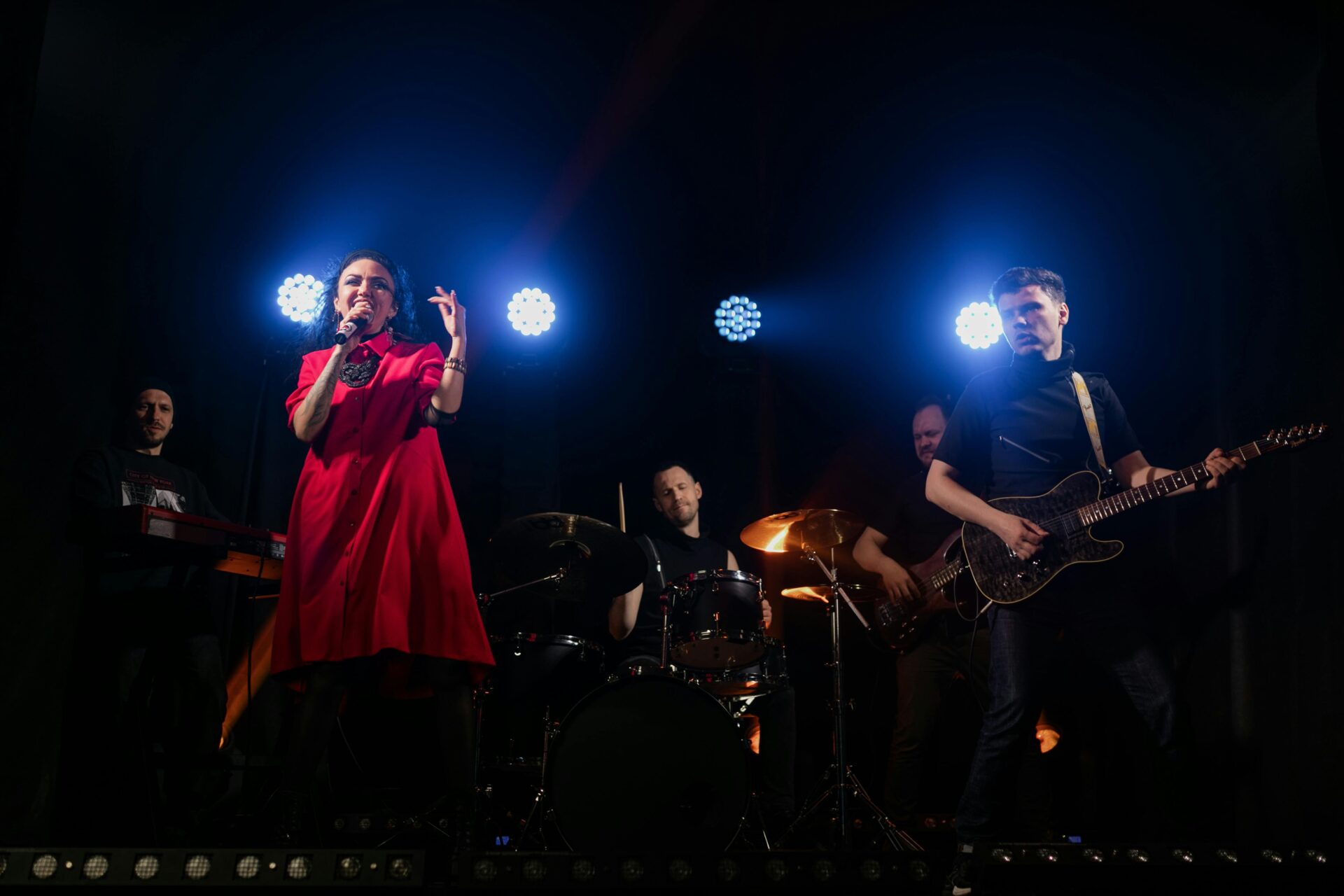
One of the most profound social impacts of rock festivals is their role in creating inclusive spaces for diverse groups. From their inception, festivals have welcomed people from various backgrounds, promoting values of unity and acceptance. This inclusivity challenged mainstream societal norms, especially during the 1960s and 1970s, when festivals often embraced countercultural ideals that opposed racism, sexism, and war. Even the logistics of these events, including the use of salvage trucks to transport equipment and supplies, reflected the resourcefulness and collaborative spirit of festival culture. The spirit of tolerance and open-mindedness fostered at festivals has influenced modern attitudes toward diversity and social justice within music communities.
Rock festivals also function as platforms for political expression and activism. The tradition of using music as a form of protest and awareness-raising was amplified by these large gatherings. Musicians and attendees alike have used festivals to advocate for causes such as environmental protection, peace, human rights, and mental health awareness. Modern festivals often continue this legacy, integrating social and environmental initiatives into their programming, encouraging attendees to engage with important issues.
The communal experience of festivals—where thousands or even hundreds of thousands of people gather for days—has a unique cultural significance. It creates a temporary society governed by shared values of freedom, creativity, and connection. This atmosphere allows attendees to experience a sense of belonging and collective identity that transcends everyday life. In this way, festivals contribute to the development of a global music culture characterized by collaboration, empathy, and cultural exchange.
Moreover, rock festivals have shaped modern festival culture, influencing the organization and expectations of music events today. The multi-stage setups, diverse lineups, art installations, and immersive experiences found at contemporary festivals owe their origins to early rock festival innovations. This evolution has transformed festivals into cultural festivals that blend music with art, food, fashion, and technology, creating rich, multi-sensory experiences that attract broad audiences. For festival-goers looking for unique ways to enjoy downtime, many also choose to shop puzzles online as a relaxing and engaging activity.
Fashion and lifestyle trends have also been heavily influenced by rock festivals. The free-spirited, eclectic styles popularized at events like Woodstock continue to inspire fashion designers and music fans alike. Festival culture embraces self-expression, often encouraging bold, unconventional looks that have gradually been absorbed into mainstream fashion.
Finally, the economic and tourism impact of rock festivals cannot be overlooked. Major festivals generate significant revenue for host cities and contribute to local economies. They also foster cultural tourism, bringing international visitors and encouraging cultural exchange beyond the festival grounds.
In conclusion, rock festivals have played a vital role in shaping not only music but also social attitudes, cultural expression, and community building. They serve as powerful microcosms of society where music and culture intersect with social activism, identity formation, and economic development. Similarly, just as cultural events leave lasting impressions on communities, innovations in personal appearance, such as scalp micropigmentation for alopecia in Raleigh, can have a profound impact on individual confidence and identity.
Conclusion
Rock festivals have played an indispensable role in shaping modern music culture through their profound musical, social, and cultural impact. From their origins in the 1960s as symbols of countercultural resistance and artistic innovation to their evolution into global events fostering genre diversity and cultural exchange, rock festivals have transformed how music is experienced and valued.
These festivals created communal spaces that transcend entertainment, offering platforms for political activism, social inclusion, and identity formation. They have influenced fashion, lifestyle, and even the economics of music and tourism, embedding themselves deeply in the cultural landscape.
As rock festivals continue to evolve with technology and societal shifts, their core mission of uniting people through music and culture endures. They remain vital arenas for artistic innovation, community building, and cultural dialogue. The legacy of rock festivals is a testament to the power of music as a force for connection, expression, and change.
For anyone passionate about music or culture, understanding how rock festivals shaped modern music culture offers valuable insights into the ongoing relationship between art, society, and collective experience. These festivals are not merely events—they are living cultural institutions that continue to inspire and transform the world of music and beyond.