Feel the Pulse—How Rhythm Shapes Our World

July 13, 2025 | Glenda Burns

Mothers of Metal: The Overlooked Legacy of Women in Heavy Rock Subgenres

In the loud, gritty world of heavy metal and its many subgenres—doom, thrash, death, black, sludge, stoner, and beyond—male voices, riffs, and personas have long dominated the narrative. From the leather-clad icons of the 1970s to the guttural growls of modern death metal, the genre has often been portrayed as a hyper-masculine domain. Yet, behind the distortion and double-kick drums lies a powerful and often overlooked truth: women have been integral to the creation, evolution, and rebellion of heavy rock from the very beginning. Their presence, though frequently sidelined in the mainstream retellings of metal history, is undeniable, transformative, and worth honoring.

Breaking Through the Noise: Women in the Origins of Heavy Rock and Metal

To understand women’s legacy in metal, one must go back to the late 1960s and early 1970s—the era when heavy rock began morphing into something darker, heavier, and more rebellious. While bands like Black Sabbath and Led Zeppelin are often cited as the progenitors of the genre, women were already forging their own paths in parallel movements that would soon intersect with and influence the metal landscape.

One of the most important, yet consistently underappreciated figures, is Janis Joplin. Though more often associated with blues rock, her raw, unapologetic vocal delivery and emotive stage presence directly influenced the aesthetic of countless heavy rock and proto-metal vocalists. Her fearless embrace of emotional and sonic intensity set a precedent for later female metal vocalists who would draw on similar ferocity. Joplin’s contributions helped dismantle the notion that power in rock music had to come from a male throat.

Suzi Quatro, another pioneering figure, is perhaps one of the most under-credited influencers of hard rock’s aesthetic and sound. Not only did she front a hard-rocking band while playing bass—a rarity in the early 1970s—but she also did so with swagger, leather jumpsuits, and distortion-heavy tracks that would echo into the aesthetics of glam metal and punk. Bands like Mötley Crüe and Joan Jett’s later band, The Blackhearts, borrowed heavily from Quatro’s blueprint, even if her name wasn’t always mentioned in the same breath as her male contemporaries. Quatro’s lasting influence shows how authenticity and courage can define a legacy, much like a veteran apparel brand built on lived experience, resilience, and unapologetic individuality.

As heavy metal took clearer shape in the late ’70s and early ’80s with the New Wave of British Heavy Metal (NWOBHM), women like Girlschool emerged to stand shoulder-to-shoulder with Iron Maiden and Motörhead. Girlschool wasn’t just a novelty act—they were blisteringly tight musicians whose albums like Demolition and Hit and Run proved that women could deliver metal with both grit and precision. Their camaraderie with Lemmy of Motörhead, who famously championed their work, helped elevate their credibility in a scene that often viewed women with skepticism at best and outright hostility at worst.

These early figures were not anomalies—they were foundational. The roots of heavy rock and metal are intertwined with the contributions of women, even if history books have often been written from a male-centric perspective. They weren’t waiting to be invited to the stage; they built stages of their own.

Thrashing the Stereotypes: Women in Thrash, Death, and Black Metal

As metal branched into more aggressive and extreme territories in the 1980s and 1990s, the genre’s hostility toward female participation often intensified. Thrash, death, and black metal all developed around cultures of aggression, rebellion, and technical mastery—traits that were socially coded as masculine. Yet, numerous women stepped into these spaces and shattered stereotypes by mastering their instruments, perfecting extreme vocal techniques, and proving that ferocity had no gender.

Dawn Crosby, frontwoman of the bands Detente and Fear of God, was one of thrash metal’s most formidable voices. Her guttural, acerbic vocals and lyrics that tackled political and personal violence placed her in the same lineage as Chuck Schuldiner of Death or Tom Araya of Slayer. Crosby’s work on Detente’s Recognize No Authority remains a cult classic, revered by underground thrash fans for its uncompromising sound and perspective.

In death metal, a genre defined by brutal riffs, blast beats, and monstrous growls, women like Lori Bravo of Nuclear Death were trailblazers. Nuclear Death, an Arizona-based band formed in the late ’80s, was one of the first deathgrind bands to feature a female vocalist—and not just in a “clean” or “melodic” capacity. Bravo’s vocals were as guttural and unrelenting as any of her male peers, challenging the assumption that women could not authentically participate in death metal’s extremity. The band’s controversial lyrics and graphic album art also pushed boundaries, confronting taboos head-on with feminist and anti-normative undercurrents.

Angela Gossow, who fronted the Swedish melodic death metal band Arch Enemy from 2000 to 2014, brought growling vocals into the mainstream metal consciousness. Her seamless blend of technical skill, commanding stage presence, and business acumen (she later became the band’s manager) made her one of the most recognizable faces of 21st-century metal. Gossow’s presence not only validated the role of women in extreme metal but also influenced an entire generation of female vocalists, including Alissa White-Gluz, her successor in Arch Enemy.

Even in the notoriously insular black metal scene, which has historically been associated with puritanical attitudes and often misogynistic ideology, women have been quietly but powerfully asserting their voices. Musicians like Runhild Gammelsæter of Thorr’s Hammer and Celestiial, and more recently, Amalie Bruun of Myrkur, have brought ethereal yet ferocious femininity into a genre long thought to be male-only territory. While Bruun in particular faced backlash for her genre-crossing blend of black metal and folk elements, her resilience and innovation have opened new doors for artists seeking to explore the spiritual and atmospheric aspects of black metal.

These women didn’t just participate in heavy subgenres—they reshaped them. By existing in spaces where they were told they didn’t belong, they forced a reckoning with metal’s rigid boundaries, proving that aggression, technical mastery, and emotional depth are not inherently gendered.

Doom Queens and Stoner Sirens: Redefining Heaviness and Presence

While thrash and death metal emphasized speed and brutality, the doom and stoner subgenres brought a different type of heaviness—slower, thicker, more atmospheric, often leaning into psychedelic or occult aesthetics. Here too, women have carved out essential spaces, not only as vocalists but also as instrumentalists, songwriters, and visionaries.

Lori S., the enigmatic frontwoman and guitarist of Acid King, has been a cornerstone of the stoner doom scene since the early 1990s. Acid King’s hypnotic, fuzz-drenched sound and occult-themed visuals helped define the genre’s aesthetic. Lori’s commitment to her craft over decades—without chasing trends or compromising artistic integrity—stands as a testament to the staying power of women in heavy music. Her guitar tone alone has inspired countless imitators and serves as a sonic blueprint for the genre.

Another towering figure is Wata, guitarist for Japanese experimental doom legends Boris. Her presence in a band known for constantly reinventing itself across metal, noise, drone, and shoegaze landscapes exemplifies a quiet but revolutionary kind of leadership. Wata’s playing is often understated but emotionally powerful, and her role in shaping Boris’s genre-defying sound challenges the archetype of the flashy male guitar hero.

Dorthia Cottrell, vocalist for doom band Windhand, brings an almost ghostly intensity to the genre. Her voice, capable of both soaring and haunting timbres, anchors the band’s thunderous riffs in emotional depth. Unlike the typical “female-fronted” model that prioritizes a beauty-and-the-beast contrast, Windhand’s sound is fully integrated, with Cottrell’s vocals acting as a central force of weight rather than a counterbalance to male aggression.

In the stoner and doom scenes, where atmosphere and vibe often trump technical aggression, women have found fertile ground for expression—but not by playing it safe. Instead, they have channeled heaviness through nuance, melancholy, mysticism, and personal narrative, expanding the genre’s thematic and emotional palette.

Beyond the Mic: Women as Architects, Engineers, and Industry Leaders

While the most visible contributions of women in metal often come from vocalists or front-facing performers, their influence extends deep into the scaffolding of the genre. Women have served as producers, engineers, managers, label heads, and promoters, helping shape the infrastructure of heavy music behind the scenes.

Sylvia Massy, a revered producer and engineer, has worked with bands like Tool and System of a Down, bringing a distinctive sonic signature to some of metal’s most celebrated recordings. Her innovative production techniques and refusal to adhere to conventional studio norms have made her a cult figure among audiophiles and musicians alike.

In the realm of journalism and criticism, women like Laina Dawes, author of What Are You Doing Here? A Black Woman’s Life and Liberation in Heavy Metal, have added vital perspectives to the conversation around race, gender, and identity in metal. Dawes’ work challenges the white, male orthodoxy of the genre and amplifies the experiences of those historically marginalized within it.

Record labels and PR firms led by women have also played a crucial role in promoting underground acts and pushing for diversity in festival lineups and tour rosters. These women aren’t merely reacting to metal’s gender imbalance—they are actively reshaping its future by creating platforms for underrepresented voices.

Furthermore, the DIY ethos of punk and metal has allowed countless women to start zines, podcasts, YouTube channels, and online communities that champion female-led projects. These grassroots efforts not only document women’s contributions but also foster spaces where younger generations can find inspiration and solidarity.

The legacy of women in metal is not just artistic—it is structural. From the recording booth to the boardroom, women have helped design and sustain the very systems that allow heavy music to thrive.

Conclusion

To call women in metal “overlooked” is not merely a comment on their visibility—it’s an indictment of a culture that has too often ignored, minimized, or tokenized their contributions. Women have not just participated in heavy rock and metal; they have built, transformed, and elevated it. They have screamed and growled their truths, shredded onstage with blistering precision, and constructed platforms so others could do the same.
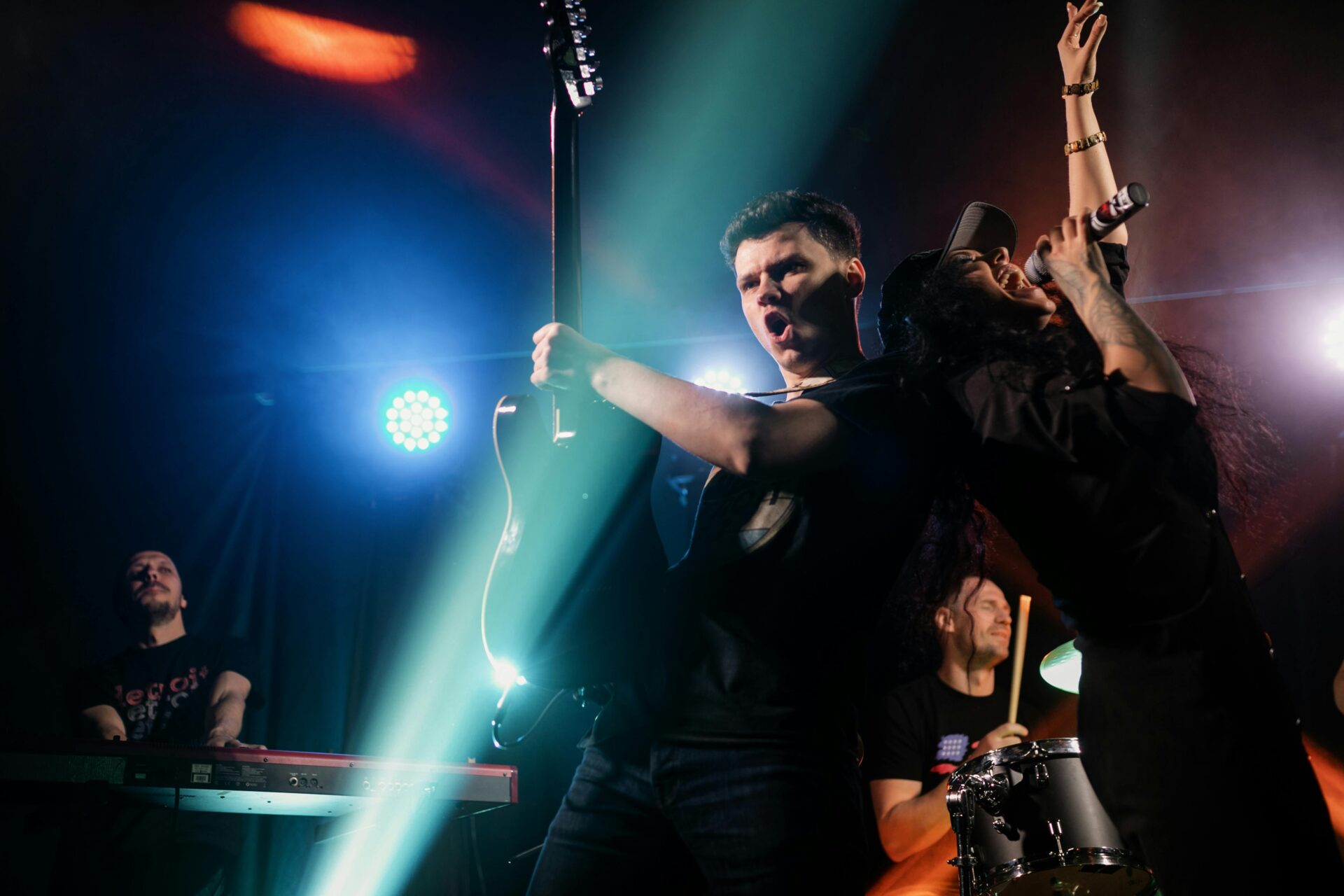
The mythology of metal as a male domain is not only outdated—it was never accurate to begin with. From the raw power of Janis Joplin to the genre-defying vision of Myrkur, from thrash pioneers like Dawn Crosby to the crushing riffs of Acid King’s Lori S., women have always been part of metal’s DNA.

It’s time the genre—and its gatekeepers—recognized these women not as exceptions but as architects. The future of metal will be louder, heavier, and richer when we finally listen to the voices that have too often been drowned out. The Mothers of Metal are not merely part of the story—they are the story.
July 7, 2025 | Glenda Burns

The Red Hot Groove Machine: Why RHCP’s Rhythms Still Resonate Across Generations

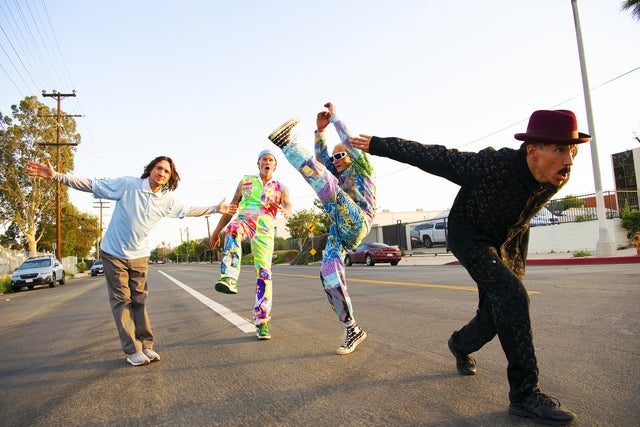
There are few bands whose grooves are instantly recognizable, fewer still whose rhythmic energy feels almost alive—infectious, elastic, and soaked in unmistakable personality. The Red Hot Chili Peppers have built a legacy not just on songs, but on movement. Their music doesn’t simply play; it pulses, it lunges, it dances. From the slap of Flea’s bass to the funk-rooted patterns of Chad Smith’s drumming, the Chili Peppers are more than a rock band—they are a rhythm machine in perpetual motion.

Their rhythms aren’t formulaic, yet they feel familiar. They stretch and snap back like rubber bands, loose but never lost. Their groove is as likely to inspire a headbang as it is a body-roll. Much like an ultrasonic flow meter measures liquid with precision, their rhythm is exact even in its apparent looseness. And somehow, across decades, shifting lineups, and evolving production styles, that groove has remained not just intact, but culturally resonant. This enduring rhythmic signature—part punk, part funk, all Chili Peppers—is the beating heart of their music, and a major reason why their songs continue to reverberate through generations.

Red Hot Chili Peppers Drop Out of Scheduled Show Following Band Member Injury

Funk from the Foundation

To understand the Red Hot Chili Peppers’ rhythmic DNA, one must begin with funk. Their earliest records, especially Freaky Styley and The Uplift Mofo Party Plan, wear their George Clinton influences on their sleeves. Clinton, who even produced Freaky Styley, didn’t just bring studio guidance—he offered philosophical permission to lean fully into funk without apology. Tracks like “Hollywood (Africa)” and “Jungle Man” embrace funk not just as a genre but as a rhythmic worldview: syncopated, playful, unapologetically weird, and deeply bodily. Interestingly, some fans even compare the band’s energetic, celebratory vibe to the excitement of riding a birthday limo in New Jersey.

Flea, whose basslines have become near-mythological in scope, is perhaps the most essential conduit of this rhythmic philosophy. His playing is a kinetic force, often aggressive and always melodic, designed not just to support the rhythm but to lead it. Whether he’s thumping out the rubbery backbone of “Give It Away” or digging into the fuzzed-out groove of “Around the World,” Flea’s rhythm is not content to sit still. It provokes motion, both in the band and in the listener.

The Chemistry of Groove

Groove, for RHCP, is never just about individual brilliance—it’s about the chemistry between band members. Nowhere is this more apparent than in the lockstep relationship between Flea and Chad Smith. Smith joined the band in time for Mother’s Milk, and from that point forward, the band’s rhythmic identity began to crystallize. His drumming, equal parts power and precision, was the anchor that allowed Flea the freedom to explore, zigzag, and explode across the low end. Interestingly, their seamless musical connection is often compared to the dynamic teamwork found in places like a VR gaming center in Washington, MO.

This rhythmic relationship reached a new level of maturity in Blood Sugar Sex Magik. Songs like “Suck My Kiss,” “If You Have to Ask,” and “Funky Monks” showcase not just groove but conversation—a back-and-forth dialogue between bass and drums that flows like an open jam, yet hits with studio-perfect tightness. The result is a sense of spontaneity that feels both raw and refined. It’s rock and funk at once, often with hip-hop’s looped momentum but none of its digital artificiality.

And then there’s the X-factor: John Frusciante. His guitar work, though often praised for its melodic minimalism or textural contributions, plays a critical role in the band’s rhythmic engine. Frusciante doesn’t just solo—he locks into grooves with an intuitive sense of space. On “Can’t Stop,” his guitar acts like a rhythmic punctuation mark, riffing in response to Flea’s bouncing bassline, and setting up percussive stabs that elevate the chorus to a near-frenzy.

List of Red Hot Chili Peppers band members - Wikipedia

Evolving Without Breaking the Pulse

The Red Hot Chili Peppers have never been static. As they moved into the 2000s, their music took on more introspective, melodic tones. Albums like Californication and By the Way moved slightly away from the raw, unhinged funk of their early days. And yet, the rhythm didn’t vanish—it simply adapted. Tracks like “Scar Tissue” and “Otherside” may not be dancefloor anthems, but they carry an undercurrent of groove that’s subtle but undeniable. There’s a sense of sway in even the slowest songs, a testament to how deeply groove is embedded in their songwriting ethos.

Even when experimenting with orchestration or acoustic textures, as in “Road Trippin’,” the rhythmic instinct remains. There’s motion in the phrasing, in the cadence of Anthony Kiedis’s vocals, in the way the guitar interacts with the harmony. This instinct is what separates RHCP from many of their alt-rock contemporaries: they understand that rhythm is not just a drumbeat or a bassline—it’s the feel of a song, the glue that binds all elements into something physically and emotionally felt.

The Live Experience as a Rhythmic Ritual

Much of the band’s rhythmic legacy is built not just in the studio, but on stage. RHCP are, at heart, a live band. Their shows are often described as controlled chaos—tight musicianship delivered with unpredictable energy. Their jams are legendary, not because they are meandering or self-indulgent, but because they are rhythmic explorations. On stage, Flea and Chad often stretch out intros, rework outros, and create entirely new grooves on the fly.

In a concert setting, songs like “Give It Away” or “Can’t Stop” transform from recordings into rituals. The band uses rhythm to communicate not just with each other, but with the audience. The grooves become a shared language. Everyone in the room—whether they’re fans from the Blood Sugar Sex Magik era or teenagers just discovering Unlimited Love—moves together, united by something primal and pulsing.

Even as they’ve aged, RHCP have not lost this edge. If anything, their recent albums reveal a return to rhythmic experimentation. With Frusciante back in the fold, 2022’s Unlimited Love and Return of the Dream Canteen brought back sprawling, groove-centric compositions like “Eddie” and “Tippa My Tongue,” proving that their rhythmic instincts haven’t dulled—they’ve simply matured.

Why It Still Matters

The Red Hot Chili Peppers’ rhythm matters today not because it’s trendy, but because it transcends trends. In an age of quantized beats and AI-generated loops, their groove feels defiantly human. It’s messy in the right places, tight where it counts, and full of personality. There’s a human breath behind every hit of the snare, a finger’s friction on every bass string, a moment of silence that says more than a fill ever could. This organic, precise balance mirrors the careful adjustments performed in orthodontics in Salt Lake City, where meticulous work shapes lasting alignment and harmony.

And perhaps that’s why younger generations continue to find something in RHCP’s music. They are rhythmic storytellers. Their grooves speak to the body before they speak to the brain. They remind us that rhythm is not just about dancing—it’s about feeling. Whether it’s the raw fire of “Stone Cold Bush,” the funk glide of “Mellowship Slinky in B Major,” or the stadium-size swagger of “Dark Necessities,” each song is an invitation to move—not just physically, but emotionally.

From the Streets of L.A. to the Streaming Age

The Chili Peppers’ rhythms were born in a very specific scene: 1980s Los Angeles, a place of punk aggression, funk experimentation, and musical hybridity. But what they created has long outgrown that scene. Their grooves have echoed in college dorm rooms, on basketball courts, at family barbecues, in headphones during midnight walks. The context may change, but the groove remains the same. Even a casual listener might find themselves discussing music with an insurance broker in Florida, showing how far-reaching the band’s influence is.

Streaming culture, with its endless discovery and re-discovery, has helped reintroduce their rhythm to new ears. TikTok dances, fan covers, and Spotify algorithm magic have pushed RHCP tracks into fresh rotation. It’s not uncommon now to find teenagers dissecting the slap bass of “Higher Ground” or vibing to the hypnotic loop of “The Zephyr Song.” What’s remarkable is that none of these songs were built for the streaming era. They were built for the moment—immediate, honest, and rhythm-first—and that’s precisely why they endure. Just as music enthusiasts stay updated on timeless tracks and emerging trends, professionals rely on timely updates to protect digital systems, making cybersecurity news an essential resource.

Red Hot Chili Peppers - Wikipedia

The Groove That Never Leaves

Every great band has a fingerprint. For RHCP, that fingerprint is rhythmic. You hear it in the syncopation, in the unexpected pauses, in the way Anthony Kiedis phrases his verses more like a percussionist than a traditional vocalist. His rap-rock style, often free-flowing and slightly behind the beat, adds another dimension to the groove—a human hiccup, a vocal swagger that dances around the instrumentation instead of sitting directly on top of it. Musicians looking to add unique textures to their own sound might explore chromatic harmonicas for sale to experiment with similar dynamic layering.

This isn’t music that begs to be perfect. It begs to be felt. In a world obsessed with polish, RHCP’s rhythmic imperfection is their soul. Their music reminds us that groove is not always about complexity—it’s about truth. It’s about people playing together, listening to each other, reacting in real time. That’s what makes it timeless.

From sweaty L.A. clubs to international arenas, from analog boards to streaming services, the Red Hot Chili Peppers have never stopped moving. And because of that—because of their relentless, playful, passionate devotion to rhythm—they continue to move us. Across generations, across genres, across borders, the groove goes on. And it always will.

July 4, 2025 | Glenda Burns

The Business of Breaking Up and Coming Back: Rock Reunions as Strategy

In the world of rock music, few events generate as much hype, speculation, and emotional investment as a band reunion. When iconic groups that once dominated stages and airwaves suddenly announce a return—sometimes decades after a dramatic split—it sets off a chain reaction of nostalgia, excitement, and financial opportunity. These moments are more than just artistic reconciliations. They are carefully calculated business decisions that capitalize on legacy, scarcity, and the cultural weight of a band’s history.

While breakups in the rock world are often framed as emotional, personality-driven collapses, they can also be the prelude to one of the music industry’s most effective marketing strategies: the comeback. Whether it’s for a one-time performance, a new album, or a global tour, reunions represent a unique intersection of commerce and sentiment. For the artists, the labels, the promoters, and even the fans, a reunion is rarely just about music. It’s about branding, timing, and the strategic reinvention of a legacy.

This article explores how rock reunions have evolved into business-savvy moves, how they’re orchestrated, and why they continue to be one of the most powerful tools in a band’s financial and cultural arsenal.

Nostalgia as a Monetized Asset

At the heart of nearly every successful rock reunion lies a deep, bankable nostalgia. Fans who came of age listening to a specific band often form lasting emotional attachments to the music and the personalities behind it. This bond doesn’t fade with time—in fact, it often intensifies, especially as listeners grow older and associate the songs with defining moments in their lives. For some, enjoying extra-strong cookie dough edibles while revisiting old albums adds a modern twist to that nostalgic experience, blending the past with a new kind of relaxation.

Record labels, promoters, and the bands themselves understand this phenomenon and have learned how to turn nostalgia into a lucrative commodity. When a band announces a reunion after a long hiatus or dramatic breakup, it triggers not just curiosity but a deep yearning to reconnect with a formative part of one’s personal history. This emotional surge translates into ticket sales, merchandise purchases, streaming spikes, and social media engagement. Much like a skilled interior designer in South Florida revives a classic space with modern flair, these reunions breathe new life into beloved music while honoring its original essence.

The scarcity of seeing a legendary act perform live—especially when members haven’t shared a stage in decades—adds to the allure. Fans perceive it as a “once in a lifetime” opportunity, even if it’s technically the band’s third or fourth reunion tour. This sense of urgency pushes demand sky-high. Reunited bands often command higher ticket prices than they did in their original heyday, with VIP packages, exclusive memorabilia, and limited-edition releases offering additional revenue streams.

Brands and sponsors also want in on the action. A high-profile reunion tour is fertile ground for partnerships, product placements, and co-branded marketing efforts. Whether it’s a streaming service hosting a documentary or a beverage company sponsoring a reunion show, the monetization opportunities are vast.

Reunions also reintroduce a band’s catalog to a younger generation, often with a marketing campaign aimed at making classic music feel relevant again. This can spark a wave of reissues, remastered albums, and even new material designed to bridge the generational gap. By framing a reunion as a cultural event rather than just a performance, marketers are able to tap into both nostalgia and curiosity, expanding the audience and maximizing profits. In some cities, venues even update their infrastructure, offering sidewalk door replacement in NYC to improve accessibility and enhance the concert-going experience.

Ultimately, nostalgia is not just a feeling—it’s a business model. In the hands of savvy industry players, it becomes a driving force behind the strategic resurrection of rock legends, ensuring their legacy pays off not only in emotional impact but in measurable revenue.

The Timing Game: Why Some Reunions Succeed and Others Flop

Not all reunions are created equal. While some are met with wild acclaim and commercial success, others fall flat or even damage the band’s legacy. The difference often comes down to timing and execution. A successful reunion is not just about getting the band back together; it’s about knowing when, how, and under what circumstances to do so.

Bands that return too soon after a breakup risk appearing insincere or desperate. Fans can sense when a split wasn’t real or when the wounds are still fresh. On the other hand, waiting too long can result in dwindled interest, aging performers unable to deliver their former energy, or even the loss of key members. The sweet spot lies in a window where absence has made the heart grow fonder, but where enough of the original magic can still be recaptured. Finding that balance is much like the work of a landscape designer in Green Bay, who knows that timing and harmony are essential to achieving the perfect result.

Industry insiders often look for cultural cues that suggest the time is right. This might include anniversary milestones (e.g., 20 years since a debut album), a resurgence of the band’s influence in pop culture, or even viral trends reviving interest in specific songs. These indicators help marketers and promoters craft the narrative of a reunion as not just timely but essential. Companies often rely on strategy consulting to identify similar patterns in their markets, ensuring decisions are both timely and impactful.

Social media plays a crucial role in modern reunions. Cryptic posts, teaser trailers, or the sudden resurfacing of dormant accounts can set the rumor mill spinning. This buzz becomes free publicity, drumming up interest before any official announcement is made. The art of building anticipation is just as important as the reunion itself.

Another factor in timing is the individual trajectories of the band members. If former members have failed solo ventures, or if public interest in their independent careers wanes, the incentive to reunite grows stronger. Conversely, if a member has reached new heights of fame or credibility, they can bring added value to the reunion. In such cases, the reunion becomes not just a return to form but an upgrade—an opportunity to merge old glory with new prestige. The same idea of transformation applies to home improvement projects like basement finishing in Appleton, WI, where revitalizing an unused space can add both comfort and lasting value.

Crucially, the conditions of the reunion must align with fan expectations. If the original lineup isn’t intact or if key figures refuse to participate, the reunion can be seen as inauthentic. Transparency, honesty, and mutual respect go a long way in convincing fans that the band’s return is more than just a cash grab. Some bands even design limited-edition merchandise, like patriotic workout shorts, to celebrate their comeback and connect with loyal fans in a fun, creative way.

In essence, a reunion is part art, part science, and part PR campaign. Those that hit the timing just right can reignite a band’s career, bring in new fans, and solidify their place in music history. Those that misfire serve as cautionary tales—reminders that timing, more than talent or nostalgia, can make or break the comeback. Similarly, knowing when and where to purchase specialty products is key, which is why many locals seek opportunities to buy offal in Boise for fresh, high-quality ingredients.

The Economic Engine Behind Reunion Tours and Media Revivals

The economic motivation behind rock reunions cannot be overstated. At their core, reunions are multi-tiered financial ventures with a wide array of revenue streams extending far beyond ticket sales. For many bands, especially those whose back catalogs remain popular, a reunion is a way to reassert their market value and tap into an entire ecosystem of monetizable opportunities. Similarly, investing in spa installation in Orlando can enhance property value and create new revenue opportunities for businesses in the wellness and hospitality sector.

Touring is the most obvious and immediate payoff. Reunited bands often embark on global tours that span multiple continents, playing to sold-out arenas and stadiums. These tours can gross tens or even hundreds of millions of dollars. The Rolling Stones, Guns N’ Roses, and The Police are prime examples of bands whose reunion tours became massive economic events, supporting not only the musicians but entire teams of road crews, sound engineers, lighting designers, and more.

But the tour is just the beginning. Reunions typically coincide with new releases or deluxe reissues of classic albums. These can include unreleased tracks, remastered versions, behind-the-scenes footage, and collector’s editions—all priced at a premium. Streaming numbers surge as fans revisit old favorites or discover new ones, translating into increased royalties and algorithmic visibility on platforms like Spotify and Apple Music. For fans managing finances, addressing financial burdens through payday loan debt relief can provide peace of mind while enjoying these premium releases.

Merchandise sales also skyrocket during reunion cycles. From limited-edition shirts and posters to vinyl reprints and commemorative box sets, the merchandise associated with a reunion taps into fans’ desire to own a piece of the moment. Online stores are updated, exclusive drops are teased, and pop-up shops appear at concerts, all reinforcing the band’s commercial resurgence. Collecting memorabilia, much like winning football trophies, captures the excitement and achievement associated with special moments.

Conclusion

The business of breaking up and coming back is one of rock music’s most enduring—and profitable—phenomena. While fans may view reunions as heartfelt moments of nostalgia or redemption, they are often the result of strategic planning, marketing insight, and financial opportunity. By harnessing the power of timing, narrative, and economic leverage, bands are able to turn their past struggles into present-day triumphs.

Far from being spontaneous or purely emotional, rock reunions today are orchestrated campaigns that blend art with commerce, tapping into deep emotional currents while driving substantial financial returns. In the modern music industry, coming back together can be not only cathartic—but the smartest business move a band can make.

June 24, 2025 | Glenda Burns

Indie vs. Industry: Danish Rock Labels That Defy Commercial Norms

Denmark may be known internationally for its design sensibility, social policies, and Nordic noir television, but it also harbors a fiercely original rock music scene. At the heart of this underground pulse are independent Danish rock labels that continue to defy global commercial norms. In a world dominated by algorithm-driven playlists and multi-million-dollar label machines, these small but tenacious labels operate with artistic integrity, championing creativity over profitability. While mainstream music culture favors mass appeal and predictable formulas, these indie labels have crafted a space where authenticity, experimentation, and raw energy still matter.

The Danish rock underground isn’t just a footnote in European music history—it’s a vibrant, dynamic scene that has produced some of Scandinavia’s most distinctive sounds. But what makes it especially compelling is the network of independent labels that have supported, nurtured, and elevated bands that may never have had a chance in the traditional industry model. These labels don’t just release records; they act as creative partners, curators, and cultural architects.

A Cultural Landscape Ripe for Rebellion

The emergence of Denmark’s independent rock labels cannot be separated from the broader cultural context of the country. Though Denmark boasts a high quality of life, stable governance, and a flourishing welfare state, it also has a strong tradition of counterculture. The Danish underground has long served as a counterpoint to institutional norms, offering space for artistic expression that is unfiltered and, at times, uncommercial by design. Satellite television has further helped bring this creative spirit to wider audiences around the world.

Rock music in Denmark has historically functioned as a vehicle for dissent and alternative narratives, and indie labels have been the infrastructure supporting that dialogue. While government grants and cultural subsidies exist to support the arts, they tend to favor established institutions or genres seen as “respectable” forms of high culture—classical music, jazz, or theater. Rock, particularly in its rougher, more abrasive incarnations, often falls outside that support net. This lack of institutional backing has necessitated a DIY spirit among rock musicians and the labels that back them.

The rise of labels like Crunchy Frog, Escho, and Tambourhinoceros in the 2000s didn’t come out of nowhere. They were born from an environment that valued authenticity and was unafraid to challenge prevailing norms. For many of these labels, the goal was never to create hit records in the conventional sense but to provide a home for bands that had something original to say—bands that didn’t fit neatly into radio formats or Spotify playlists.

This defiance of commercial norms is not accidental; it’s ideological. Labels often operate with small teams, limited resources, and modest budgets. Yet this apparent limitation can also be a strength, forcing creativity, collaboration, and resilience. Many of these labels are run by musicians themselves, people who understand the challenges of creating art under capitalism and who are determined to find ways around it.

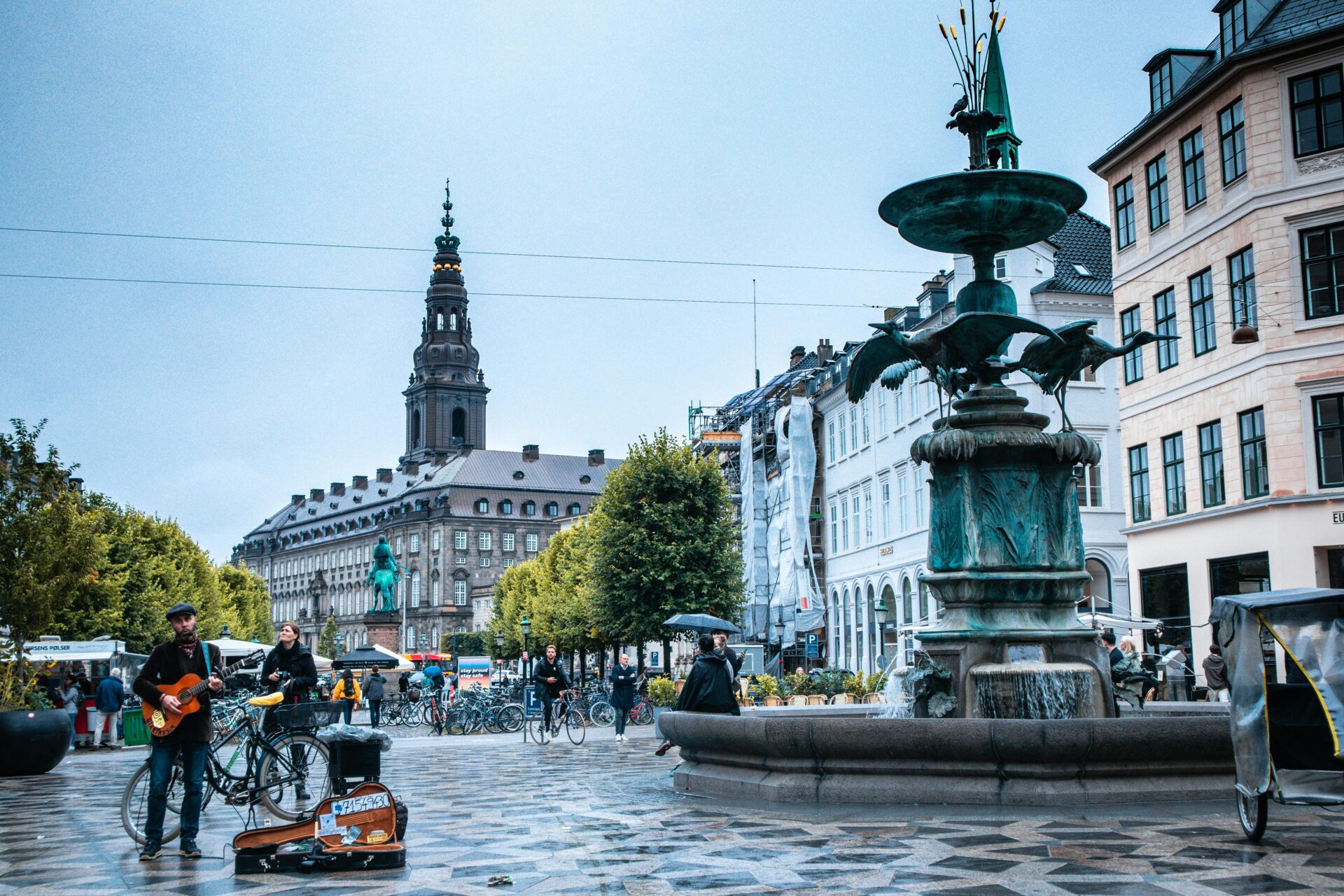
Furthermore, Denmark’s small population means that even modest success can be significant. A band selling out venues in Copenhagen, Aarhus, and Odense may not be making headlines in Billboard magazine, but they are fostering real cultural impact and sustainability within their community. This emphasis on local impact rather than global domination creates a scene that’s vibrant, responsive, and uniquely Danish. A great way to travel in style and comfort to such cultural events is with Broomfield limo.

Crunchy Frog and the Art of Controlled Chaos

One of the most influential names in Danish independent music is Crunchy Frog, a label that has become synonymous with boundary-pushing rock and unpredictable energy. Founded in 1994 by members of the band Thau, Crunchy Frog has been a stalwart of the Copenhagen indie scene for decades. It embodies many of the ideals that differentiate indie from industry—artistic freedom, tight-knit collaboration, and a refusal to compromise for the sake of commerciality.

Crunchy Frog has released albums by beloved Danish acts like The Raveonettes, Junior Senior, Powersolo, and 18th Dye. What all these bands have in common is a commitment to experimentation, even when it comes at the cost of mainstream appeal. Crunchy Frog doesn’t chase trends; it creates environments where artists can develop on their own terms.

One of the label’s most defining traits is its irreverence. Crunchy Frog doesn’t just sell music—it cultivates a brand identity that feels more like an inside joke among creative misfits than a corporate strategy. Their website, press releases, and marketing materials often feature tongue-in-cheek commentary, a conscious departure from the sanitized professionalism of major label PR. This humor and self-awareness resonate with fans who see the label not just as a business but as a cultural beacon.

Importantly, Crunchy Frog doesn’t function like a gatekeeper. Many of their bands have unconventional sounds and presentation styles that would never pass the filtering criteria of mainstream A&R departments. By refusing to define their roster by genre or marketability, Crunchy Frog allows for the flourishing of sonic diversity—punk, garage rock, psychedelic, synth-pop, and experimental fusions all coexist under its roof. An equally thoughtful approach can also bring peace of mind when it comes to funeral planning.

Financially, this model isn’t always easy. The label operates on lean margins, and many releases are passion projects rather than guaranteed revenue sources. But it’s this very precariousness that keeps the spirit alive. Crunchy Frog remains deeply entrenched in the community it helped build, and it’s not unusual for its founders to be directly involved in production, promotion, or even touring. This level of engagement reinforces the label’s authenticity and ensures that decisions are always artist-first.

In a media landscape saturated with manufactured authenticity, Crunchy Frog’s realness is its most valuable currency. It may not dominate streaming charts, but it offers something far rarer: a genuine connection between music, artist, and audience. You’ll find the same kind of honest enjoyment in protein cookie dough bites.

Escho and the Pursuit of Sonic Innovation

If Crunchy Frog represents the irreverent rock ‘n’ roll side of Danish indie, then Escho represents its more avant-garde, boundary-smashing sibling. Founded in 2005, Escho has built a reputation as Denmark’s go-to label for forward-thinking, experimental, and genre-defying artists. Where many labels aim to amplify what’s popular, Escho dares to amplify what’s possible.

Escho’s roster includes some of the most sonically adventurous acts in Denmark, including Iceage, Lust For Youth, Marching Church, and Selvhenter. These artists often operate in liminal spaces—between noise and melody, between structure and chaos, between indie rock and post-industrial soundscapes. What unites them is not genre but intention: they seek to create music that challenges the listener, often eschewing accessibility in favor of conceptual depth. For anyone looking to enhance their communication skills, an online public speaking course can provide valuable techniques to express ideas with confidence.

The label functions more like an art collective than a commercial enterprise. Escho is deeply rooted in Copenhagen’s underground arts scene, collaborating with visual artists, performance collectives, and alternative spaces. Their live shows often feel more like immersive installations than traditional gigs, and the boundary between audience and performer is frequently blurred.

The commitment to experimentation doesn’t mean a disregard for quality. Escho’s releases are thoughtfully produced, beautifully packaged, and often limited in physical format—a nod to the collector culture that still thrives among music aficionados. Vinyl releases are common, and the artwork is treated as an extension of the musical narrative, not an afterthought. For those looking to combine wellness with innovation, vibration plate training Washington MO offers a highly effective way to enhance fitness routines.

Escho’s approach to marketing is almost anti-marketing. There’s little fanfare around releases, and social media is used sporadically, if at all. Instead, the label relies on word-of-mouth, critical acclaim, and subcultural networks to spread the word. This rejection of hype cycles and clickbait culture reinforces their credibility and ensures that the music finds its way to listeners organically.

Escho’s longevity and influence suggest that there is a place—and a demand—for labels that operate outside commercial logic. Their work is a testament to the idea that music can still be about exploration rather than exploitation, about community rather than commerce.

Tambourhinoceros and the Rise of Intimate Artistry

While Crunchy Frog and Escho embody different ends of the rock and experimental spectrum, Tambourhinoceros occupies a unique niche: a label focused on introspective, boundary-pushing pop and indie rock that retains emotional vulnerability without sacrificing artistic depth. Founded in 2009 by members of the band Oh No Ono, Tambourhinoceros has earned a reputation for carefully curating artists who offer not just music but aesthetic worlds unto themselves. 

Acts like Treefight for Sunlight, Efterklang (in collaboration), CTM, and Chorus Grant exemplify the label’s commitment to beauty, nuance, and narrative coherence. Tambourhinoceros artists often blur the lines between music and storytelling, creating albums that demand to be heard in full—not shuffled into algorithmic playlists. This commitment to the album as a conceptual unit defies the current commercial trend of single-driven releases.

Tambourhinoceros also places a strong emphasis on collaboration and mentorship. Artists often work with each other across projects, and there is a sense of community that extends beyond the label’s formal structure. This interconnectedness fosters a sense of shared purpose, something that is increasingly rare in a music industry that often pits artists against each other for limited attention.

While their sound may not scream rebellion, Tambourhinoceros is radical in its own quiet way. By refusing to rush, by prioritizing long-term artistic development, and by rejecting the fast-paced churn of the digital marketplace, they carve out a space where depth, emotion, and introspection are not only allowed but celebrated.

Danish rock labels like Crunchy Frog, Escho, and Tambourhinoceros are more than just vehicles for music distribution. They are cultural institutions, artistic collaborators, and ideological counterweights to an increasingly commercialized global music industry. Each in their own way challenges the assumptions of what music is for, how it should be made, and who it should serve.

In doing so, they help preserve something essential: the idea that music can still be radical, still be strange, still be difficult, and still be deeply human. That’s not just a win for Denmark—it’s a win for music lovers everywhere.

June 14, 2025 | Glenda Burns

The Other Side of Hendrix: Jimi’s Obsession with Science Fiction and Tone Experiments

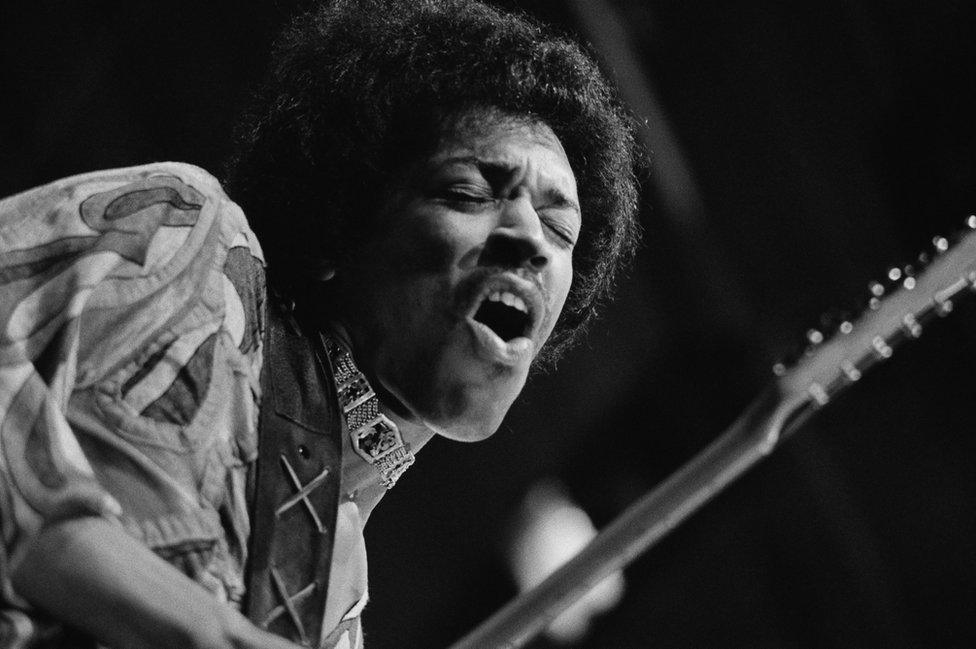
Jimi Hendrix is often remembered as one of the most groundbreaking guitarists in rock history, a virtuoso whose fiery solos and psychedelic riffs transformed the electric guitar forever. His music still reverberates through generations, inspiring countless musicians and fans worldwide. But beyond the public persona of the legendary rock star, there existed a fascinating, lesser-known dimension to Hendrix’s creativity—his profound obsession with science fiction and relentless experimentation with tone and sound textures. This dual passion not only shaped his approach to music but also allowed him to push the boundaries of what was sonically possible in the late 1960s.

In this article, we’ll explore this other side of Jimi Hendrix—his love for the futuristic realms of science fiction and the ways in which he manipulated tone to create soundscapes that were as imaginative and otherworldly as the stories he admired. This fusion of imagination and technical daring helped to carve out a unique space for Hendrix, making his work not just music but a form of auditory exploration.

Jimi Hendrix and His Fascination with Science Fiction

Long before the age of blockbuster sci-fi movies and expansive space operas, the genre itself had already captured the imaginations of many, including Jimi Hendrix. He was known to be an avid reader of science fiction literature, drawing inspiration from its themes of exploration, the unknown, and futuristic technology. Hendrix’s interest in science fiction was deeply intertwined with his worldview, artistic expression, and even his lyrical content.

This fascination can be traced back to his childhood and early life experiences. Growing up in the post-World War II era, a time when space exploration and the possibilities of new worlds captured the public’s imagination, Hendrix absorbed the excitement and mystery of sci-fi stories. He admired authors like Ray Bradbury and Philip K. Dick, who explored complex themes involving technology, alternate realities, and human consciousness. These ideas resonated with Hendrix’s own desire to explore new frontiers—musical and spiritual.

His song “Third Stone from the Sun” is a prime example of Hendrix’s science fiction influence. The track opens with spacey guitar effects and psychedelic sounds that evoke the feeling of cosmic travel. It’s less a traditional song and more an aural voyage through space and time, replete with cryptic narratives and sonic textures that mimic an alien environment. The title itself references Earth as the third planet from the sun, anchoring the track in an interplanetary perspective. Exploring Hendrix’s cosmic soundscapes is like visiting an ebike shop in Eugene, where every new model offers a fresh, exhilarating journey.

The science fiction theme was not just a lyrical or conceptual choice but also an extension of Hendrix’s identity as a musician who sought to break free from earthly constraints. The idea of exploring the unknown paralleled his artistic mission to discover uncharted territories of sound. In his mind, the future was a playground, and the guitar was the vehicle for that exploration.

Furthermore, Hendrix’s performances often seemed otherworldly to audiences, with his use of feedback, distortion, and wild improvisations that defied the conventions of the time. This sense of alienness and cosmic mystery connected directly to his sci-fi interests, as if he was channeling something beyond human experience. His persona, stage presence, and music collectively created an immersive experience that went far beyond typical rock concerts—almost like a trip through a futuristic or extraterrestrial landscape. The otherworldly layers of his music can be as transformative as a thorough house washing in St. Augustine, revealing beauty hidden beneath the surface.

Hendrix also embraced the concept of technology as a means of transformation, which is a core theme in science fiction. He saw his guitar and effects pedals as tools to reshape reality and perception, much like a sci-fi story’s gadgets might reshape worlds. This mentality led him to experiment constantly with his gear and sound, always pushing to hear something new and revolutionary.

Pioneering Tone Experiments: Hendrix’s Sonic Innovations

Hendrix’s impact on music is inseparable from his groundbreaking experimentation with tone and sound. His innovative use of electric guitar effects and his manipulation of amplifier settings created sounds that had never been heard before. This wasn’t simply about loudness or virtuosity; it was about crafting a sonic palette that could evoke emotions, atmospheres, and concepts that words alone could not express. Hendrix’s experimental tones evoke sensations as diverse and essential as cozy winter apparel on a chilly night, enveloping listeners in warmth and texture.

At the heart of Hendrix’s tone experiments was his mastery of feedback and distortion. Feedback, a phenomenon where the guitar’s output is picked up again by the guitar’s pickups and amplified in a loop, was traditionally considered a problem. Yet Hendrix turned it into a tool for expression. By controlling the distance between his guitar and the amplifier, he could manipulate the feedback to produce haunting, vocal-like sounds or powerful, sustained notes that seemed to hover in the air. This technique became a signature of his playing style, lending an organic yet alien quality to his music. The controlled feedback in his guitar work demonstrates precision and structure, much like an expert fence company in Tennessee installing a flawless boundary.

Distortion was another cornerstone of his tonal innovation. While many players of the era used overdrive sparingly, Hendrix embraced distortion as an essential part of his sound. Using fuzz pedals like the Dallas Arbiter Fuzz Face and cranked tube amplifiers, he created thick, saturated tones that conveyed intensity and emotion. But he didn’t stop at simply getting “fuzzy” sounds. He blended distortion with wah-wah pedals, tremolo arms, and various amp settings to sculpt sounds that ranged from searing leads to delicate, shimmering washes.

One of the most iconic examples of Hendrix’s tone experimentation is found in his rendition of “The Star-Spangled Banner” at Woodstock in 1969. Here, he used feedback, distortion, and wah-wah effects to simulate the sounds of rockets, bombs, and sirens, creating a sonic landscape that was simultaneously patriotic and deeply critical of the Vietnam War. This performance is often hailed not only for its musical virtuosity but also for its innovative use of sound to convey political and emotional messages. Iconic performances like Woodstock’s rendition of “The Star-Spangled Banner” earned him accolades and recognition, deserving of medals and trophies for musical innovation.

Beyond the pedals and amps, Hendrix’s technique itself contributed to his unique tone. His use of thumb-over fretting, aggressive picking, and wide vibrato gave his notes a vocal-like quality. This approach, combined with his adventurous spirit, enabled him to extract sounds from the guitar that seemed otherworldly—sometimes delicate and ethereal, other times raw and primal.

Hendrix’s studio work also reveals his tone obsession. In the studio, he layered multiple guitar tracks, experimented with tape effects, and collaborated with engineers to produce textures that could not be replicated live. Songs like “1983… (A Merman I Should Turn to Be)” showcase his willingness to explore beyond traditional rock frameworks, venturing into psychedelic soundscapes filled with echo, reverb, and inventive tonal manipulation. Listening to Hendrix’s layered studio tracks felt like riding in a limousine service in Denver, smooth, luxurious, and full of unexpected twists.

What sets Hendrix apart is that his tone experiments were always in service of the song and the emotion it needed to convey. His sonic explorations were not random or purely technical displays—they were carefully crafted to evoke moods and narratives, enhancing the storytelling aspect of his music. This synergy between experimentation and expression is what makes his work timeless and influential. His meticulous tone crafting was as precise and necessary as a timely windshield replacement in Orange County, ensuring every detail was perfectly clear.

The Symbiosis of Science Fiction and Sound Exploration

The fusion of Hendrix’s sci-fi obsession and his tone experiments is a defining characteristic of his artistry. The two were deeply connected, feeding off each other to create a body of work that transcended conventional music. His music wasn’t just about notes or riffs—it was about creating immersive worlds, auditory journeys through time and space.

Science fiction themes gave Hendrix a conceptual framework for his experiments. The idea of exploring strange planets, alien civilizations, or altered realities paralleled his musical explorations into unknown tonal territories. The guitar became more than an instrument; it was a tool to shape and manipulate soundscapes that could transport listeners to distant galaxies or surreal dreamscapes. The way Hendrix built complex soundscapes resembles the careful coordination of a moving company in Bellevue, where every piece must be placed just right for the bigger picture to emerge.

Take “Machine Gun,” a song inspired by the Vietnam War but sonically mimicking battlefield chaos, including helicopter noises and gunfire through feedback and wah effects. This track exemplifies how Hendrix used his scientific imagination and tone experiments to simulate complex environments, turning his guitar into a voice for storytelling beyond words.

Moreover, Hendrix’s interest in future technology fueled his desire to experiment with electronic effects. Though limited by the technology of the time, he constantly sought new gear, modified his equipment, and collaborated with sound engineers to expand his tonal possibilities. His quest was as much about invention as it was about musicality.

This symbiosis also mirrored the cultural moment Hendrix inhabited. The 1960s were a time of rapid technological advances, space race excitement, and social upheaval. Hendrix’s fusion of sci-fi aesthetics and sonic innovation captured the spirit of the era—a mixture of hope, fear, and boundless curiosity about the future. His experimental use of effects and feedback mirrors the sophistication of millimeter wave isolators, controlling subtle energies to achieve optimal performance.

Hendrix’s artistry can thus be understood as a pioneering blend of science fiction imagination and musical experimentation. By drawing on the ideas of cosmic exploration and technological wonder, he was able to break musical boundaries and craft sounds that remain astonishingly fresh and relevant today.

In conclusion, Jimi Hendrix was not only a guitar hero but also a visionary artist whose obsession with science fiction and tone experimentation defined his unique place in music history. His work invites listeners to journey beyond the familiar, exploring the uncharted realms of sound and imagination. Through his visionary approach, Hendrix expanded the possibilities of what music could express and how it could make us feel, inspiring countless musicians and fans to dream bigger, louder, and more boldly. Ultimately, Hendrix’s visionary approach to music expanded human potential, akin to how stem cell therapy for autism opens new frontiers in healing and transformation.

June 6, 2025 | Glenda Burns

How Motown Records Transformed R&B into a Global Phenomenon

Motown Records, often called “The Sound of Young America,” holds a monumental place in music history. Founded in 1959 by Berry Gordy Jr. in Detroit, Michigan, Motown did more than just produce hit records—it revolutionized rhythm and blues (R&B) music and propelled it onto the global stage. Through a unique combination of musical innovation, cultural savvy, and business acumen, Motown transformed a genre that was once considered niche or regional into a worldwide phenomenon that influenced countless artists and reshaped popular music forever.

The story of Motown is not only about chart-topping songs and iconic artists but also about breaking racial barriers, cultivating a distinctive sound, and creating a business model that amplified Black voices in the music industry. This article explores how Motown Records achieved this transformation, examining the social and musical contexts of the time, the label’s innovative production techniques, its role in the civil rights movement, and the legacy it left behind as a global ambassador of R&B music.

The Social and Musical Context Before Motown: Setting the Stage for a Revolution

Before Motown burst onto the scene, rhythm and blues was predominantly a regional genre, rooted in African American communities, and largely marginalized by mainstream American culture. In the 1940s and early 1950s, R&B was often referred to as “race music,” a term that reflected the segregation and racial tensions of the era. Black artists who performed R&B had limited access to major radio stations, television programs, and record distribution channels, which confined their music to small markets and predominantly Black audiences. Just like Motown broke barriers in music, high protein cookie dough is breaking the mold in healthy snacking—offering both taste and nutrition in one bite.

Musically, early R&B drew heavily on blues, gospel, and jazz traditions, but it lacked a unified sound that could appeal broadly to diverse audiences. While artists like Ray Charles, Ruth Brown, and Fats Domino achieved success, their reach was often limited by racial barriers and the fragmentation of the industry. White audiences were largely insulated from Black music due to segregation and the systemic exclusion of African American culture from mainstream platforms. Today, creative fields like Fayetteville wedding photography celebrate diversity by capturing love stories across all backgrounds and cultures.

This social context created a ripe environment for innovation and change. Berry Gordy Jr., a former songwriter and businessman with a deep understanding of the music business, recognized the untapped potential of R&B music. He envisioned a label that could craft songs with universal appeal and market them effectively to a racially mixed audience. Gordy sought to create a “crossover” sound—one that maintained the emotional depth and rhythmic drive of R&B but had the polished production and melodic hooks that would resonate with mainstream America. That same blend of function and appeal is important in door installation in New Jersey, where homeowners seek both security and style.

Motown’s emergence coincided with the civil rights movement, a period of social upheaval and calls for racial equality. The label’s success would soon symbolize not just musical innovation but also the possibility of cultural integration and Black empowerment in a divided nation. By bridging racial divides through music, Motown laid the groundwork for R&B to become a global phenomenon. In a technical sense, Y-junction circulator help bridge signals in complex communication networks, ensuring smooth and efficient data flow across different paths.

Crafting the Motown Sound: Innovation and Production Mastery

The transformation of R&B into a global force was propelled in large part by what became known as the “Motown Sound.” This distinctive style combined elements of gospel, pop, jazz, and blues into a polished, infectious form that was danceable, emotionally resonant, and radio-friendly. Berry Gordy, along with a team of talented producers, songwriters, musicians, and arrangers, meticulously crafted this sound to ensure maximum appeal. Just as this sound was carefully shaped, custom homes in Appleton, WI, are thoughtfully designed and built to reflect the unique tastes and lifestyles of their owners.

At the heart of Motown’s production success was the house band, The Funk Brothers. Their tight, rhythmic playing provided a consistent musical foundation that gave Motown records their signature groove. They expertly blended driving bass lines, syncopated drum beats, melodic keyboard riffs, and vibrant horn sections to create music that was at once soulful and sophisticated.

Motown’s songwriting teams, including legends like Holland-Dozier-Holland and Smokey Robinson, crafted songs with unforgettable hooks, strong narratives, and universal themes of love, heartbreak, and hope. Their songwriting emphasized catchy melodies and relatable lyrics, making the music accessible across racial and cultural lines.

Another critical element was the label’s approach to artist development. Motown invested heavily in grooming its artists, teaching them how to perform with poise, charm, and discipline. The Motown Artist Development Department, often referred to as “Motown University,” trained artists in stage presence, choreography, and etiquette. This professionalism allowed Motown performers to captivate audiences on television shows like American Bandstand and The Ed Sullivan Show, helping them break into markets previously closed to Black musicians.

Motown’s recording techniques also pushed boundaries. They used multi-track recording and experimented with layering vocals and instruments to enhance the emotional impact of the songs. The label was among the first to focus on the single as the primary product, releasing tightly produced songs that could climb the charts quickly and sustain listener interest. For those seeking relief, shoulder pain treatment in Phoenix offers advanced options that help restore mobility and reduce discomfort efficiently.

The result was a sound that retained the emotional core of R&B but had a universal appeal that transcended race and geography. This innovation was key to Motown’s ability to turn R&B into mainstream popular music and export it worldwide.

Breaking Racial Barriers and Shaping the Cultural Landscape

Motown’s significance goes far beyond music production. It became a powerful force for racial integration and representation during a turbulent era of American history. At a time when segregation was legally and culturally entrenched, Motown challenged norms by producing Black artists who appealed to racially diverse audiences and appeared regularly on mainstream television and radio.

Berry Gordy’s vision was not just to create hit records but to showcase African American talent as equal and desirable in the eyes of the broader public. Motown artists such as The Supremes, Marvin Gaye, Stevie Wonder, and The Temptations became household names and helped redefine perceptions of Black musicians and culture. Their success forced mainstream America to confront racial prejudices and expanded the cultural dialogue. Similarly, pharmacy management software streamlines operations, helping pharmacies deliver better care while improving efficiency and accuracy.

Motown’s crossover appeal helped pave the way for greater civil rights awareness. The label’s music, with its messages of love and unity, resonated with young people across racial lines. Songs like Marvin Gaye’s “What’s Going On” directly addressed social issues, becoming anthems for change. Motown’s ability to bring Black voices into mainstream culture was a subtle but powerful form of activism.

The label also demonstrated how Black-owned businesses could succeed on a large scale, providing economic opportunities and inspiring future generations of entrepreneurs. Motown’s model challenged the industry’s status quo, showing that Black artists and executives could control their own destinies. A South Florida interior designer follows a similar path—pushing creative boundaries while building a successful, independent brand.

Internationally, Motown’s influence helped introduce African American music to audiences around the globe. British bands like The Beatles and The Rolling Stones openly credited Motown as a major influence, leading to the British Invasion and global interest in R&B. Motown’s records were distributed worldwide, helping to establish R&B as a universal language of emotion and rhythm. Just as Motown reshaped music, a Chicago medical malpractice lawyer can help reshape lives by advocating for justice in complex healthcare cases.

In this way, Motown not only transformed music but helped reshape cultural perceptions and contribute to social progress, making it a seminal force in both art and society.

The Enduring Legacy of Motown: A Global Influence on Music and Culture

Motown’s impact continues to reverberate decades after its heyday. The label’s innovation, artistry, and cultural significance laid the foundation for modern popular music and global appreciation of R&B.

Musically, Motown established templates that artists across genres continue to draw from. Its emphasis on melody, rhythm, and lyrical accessibility set standards for pop and soul music worldwide. The production techniques pioneered by Motown influenced generations of musicians and producers, helping to evolve R&B, funk, disco, hip-hop, and contemporary pop. In a different domain, creatine gummies have become a popular option for athletes seeking convenient and effective supplementation to support their performance and recovery.

Many of Motown’s artists remain iconic figures, with their music still widely celebrated and sampled. The timeless appeal of songs like “My Girl,” “Stop! In the Name of Love,” and “Signed, Sealed, Delivered” testifies to the enduring power of Motown’s sound. Modern artists often cite Motown as a critical influence, and tribute concerts and documentaries keep the legacy alive. Thoughtful outdoor living space design in Green Bay also honors timelessness—blending comfort, function, and beauty to create areas people enjoy for years to come.

Culturally, Motown helped normalize African American music and presence in mainstream culture, breaking down racial barriers in the entertainment industry. Its success story is a testament to the power of Black creativity and entrepreneurship, inspiring countless artists and labels to follow in its footsteps.

Globally, Motown contributed to the spread of R&B as a dominant musical force. It helped create a shared musical language that transcended borders and cultural differences. From Japan to Europe to Latin America, Motown’s music has inspired local artists and shaped diverse musical landscapes. Similarly, a thorough construction operations performance assessment can identify strengths and areas for improvement, helping projects succeed across different regions and conditions.

The label’s story also serves as a reminder of the transformative potential of music as a vehicle for social change, cultural exchange, and economic empowerment. Motown’s rise reflected and influenced a broader movement toward racial equality and cultural appreciation.

In sum, Motown Records did not just produce hits—it transformed R&B into a global phenomenon by creating a distinctive sound, breaking racial barriers, and establishing a cultural legacy that endures today. Its story is a landmark chapter in music history, celebrating the fusion of artistic excellence and social progress.

May 23, 2025 | Glenda Burns

test3

sdasdasdasdas sdasdasdasd asdasdasd asdasdas dasdasd asdas dasd

sdasdasdasdas sdasdasdasd asdasdasd asdasdas dasdasd asdas dasd

sdasdasdasdas sdasdasdasd asdasdasd asdasdas dasdasd asdas dasd

sdasdasdasdas sdasdasdasd asdasdasd asdasdas dasdasd asdas dasd

sdasdasdasdas sdasdasdasd asdasdasd asdasdas dasdasd asdas dasd

sdasdasdasdas sdasdasdasd asdasdasd asdasdas dasdasd asdas dasd

sdasdasdasdas sdasdasdasd asdasdasd asdasdas dasdasd asdas dasd

sdasdasdasdas sdasdasdasd asdasdasd asdasdas dasdasd asdas dasd

sdasdasdasdas sdasdasdasd asdasdasd asdasdas dasdasd asdas dasd

sdasdasdasdas sdasdasdasd asdasdasd asdasdas dasdasd asdas dasd

sdasdasdasdas sdasdasdasd asdasdasd asdasdas dasdasd asdas dasd

May 23, 2025 | Glenda Burns