
Few rock bands have managed to craft a sound that is as immediately recognizable and enduringly influential as ZZ Top. Emerging from Houston, Texas, in 1969, the trio—Billy Gibbons on guitar and vocals, Dusty Hill on bass and vocals, and Frank Beard on drums—quickly became a defining force in rock music. Their unique alchemy lies in blending gritty blues traditions, hard rock energy, and a distinctive Southern swagger that has captivated audiences for over five decades.
From the very beginning, ZZ Top set themselves apart with a sound that was at once rooted in the deep blues and yet unapologetically modern. While many bands of the late 1960s were exploring psychedelic sounds or folk-rock experimentation, ZZ Top dug into the raw, electrified blues that had formed the backbone of rock music itself. Their early albums, such as ZZ Top’s First Album (1971) and Rio Grande Mud (1972), were steeped in Delta blues influences but amplified with the grit and energy of hard rock. Billy Gibbons’ guitar work, characterized by searing solos and a tone that could swing from smooth to snarling in a single riff, became the signature of the band. The music was blues at its core, but every chord, every riff, carried a rock sensibility that made it feel urgent, alive, and undeniably modern.

The Texas Roots of Rock Swagger
ZZ Top’s Southern heritage is not just a footnote in their history—it is central to their identity as a band. The vast, open landscapes of Texas, with its history of country, blues, and boogie rhythms, shaped their sound as much as any music studio or concert hall. Songs like “La Grange,” with its hypnotic, chugging rhythm, are a perfect example of this Southern swagger. There’s a confidence, a swagger in their playing, that feels both grounded in tradition and adventurous in execution. It’s the musical equivalent of a slow drive down a Texas highway: measured, deliberate, but undeniably powerful.
Their lyrics often evoke a sense of place, of culture, and of storytelling that is uniquely Southern. Tales of rowdy towns, lovers, and working-class life are painted vividly, yet always with a tongue-in-cheek humor that keeps the music approachable and entertaining. This blending of narrative storytelling with hard-hitting rock music gave ZZ Top a cultural authenticity that few bands have been able to match. Their music isn’t just heard—it’s felt, lived, and understood.Fans often gather around a fire pit, sharing stories and music that echo the same Southern spirit celebrated in ZZ Top’s songs.
Crafting a Signature Sound
One of the most remarkable aspects of ZZ Top’s musical alchemy is the way they created a sound that is instantly recognizable. Billy Gibbons’ guitar tone, often described as “fat, fuzzy, and warm,” became a hallmark of the band. He achieved this through a combination of vintage amplifiers, custom guitars, and meticulous attention to tone and texture. The solos never felt overproduced or overly technical; instead, they were expressive, emotional, and perfectly suited to the rhythm of each song. In many ways, Gibbons’ guitar became a storyteller, carrying the narrative where words could not.
Dusty Hill’s bass lines were equally critical to their sound. They were not merely supportive—they added a groove and depth that elevated the music. Hill had the ability to lock in with Frank Beard’s drumming to create rhythms that were hypnotic yet propulsive. The band’s ability to maintain tight rhythmic cohesion while allowing for improvisation and spontaneous energy is a testament to their musicianship and chemistry. This combination of technical skill and organic musical interaction is rare, and it is one of the reasons why ZZ Top’s recordings continue to sound fresh decades later.
Blues as a Foundation, Rock as Expression
At its heart, ZZ Top’s music is blues. They drew heavily on the masters of Texas and Delta blues, including legends like Freddie King, Muddy Waters, and Howlin’ Wolf. Yet, they transformed those influences into something distinctly rock. Where traditional blues might focus on emotion and storytelling over a slower tempo, ZZ Top injected urgency and energy, turning twelve-bar blues structures into electrifying rock anthems. Tracks like “Tush” and “Cheap Sunglasses” exemplify this approach: familiar blues progressions are amplified, accelerated, and charged with a rock attitude that resonates far beyond the genre’s usual boundaries.Their raw, energetic sound has inspired listeners in addiction recovery, providing a soundtrack for resilience, motivation, and personal transformation.
This blending of blues and rock was more than technical—it was philosophical. ZZ Top respected the history of the blues but refused to be constrained by it. They understood that innovation in rock comes not just from flashy solos or complex time signatures, but from the subtle ways you bend tradition to your will. Their songs retained the emotional gravity of the blues while embracing the swagger, theatrics, and spectacle of rock. This duality—deeply rooted in tradition yet unafraid of reinvention—is what gives their music such timeless appeal.This approach to tradition and innovation mirrors the precision and customization seen in window blinds prosper tx, where functionality meets style.

Reinventing Rock Showmanship
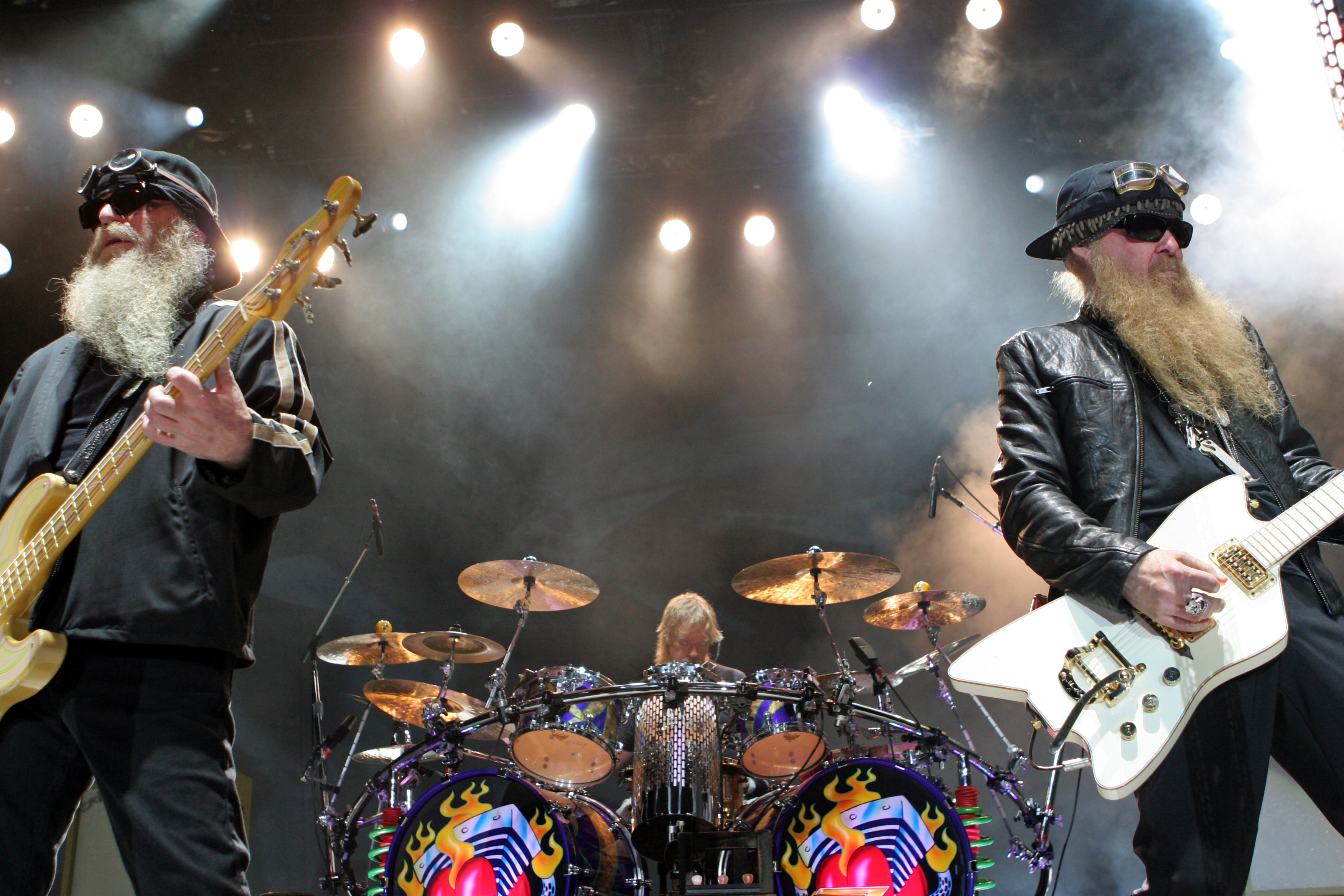
ZZ Top’s influence extends beyond the music itself. They redefined what it meant to be a rock band in terms of image and presentation. Their iconic beards, sunglasses, and hats became visual trademarks, instantly recognizable and inseparable from their sound. But these were not just gimmicks—they reflected the band’s personality and the irreverent, playful energy that permeates their music. The visual flair complemented their musical identity, creating a holistic artistic expression that was rare in rock.
Their live performances were legendary for their precision, energy, and showmanship. Unlike some contemporaries who relied on pyrotechnics or elaborate stage designs, ZZ Top let the music speak for itself, punctuated by clever visual cues and charismatic performance. Watching them live was not just hearing a band play; it was witnessing a conversation between musicians who understood the power of rhythm, melody, and audience connection. This approach to performance reinforced their status as a quintessential rock band—authentic, captivating, and endlessly entertaining.
Navigating the Changing Tides of Rock
Throughout their career, ZZ Top navigated decades of changing musical landscapes without losing their identity. The rise of punk, new wave, grunge, and alternative rock could have left them behind, yet they adapted subtly while remaining true to their core sound. Albums like Eliminator (1983) demonstrated their willingness to incorporate synthesizers and modern production techniques, blending their blues-rock foundation with contemporary trends. Hits like “Legs” and “Gimme All Your Lovin’” introduced the band to a new generation while maintaining the grit and swagger that longtime fans adored.Their ability to guide fans through evolving musical trends is as seamless as a high-end concierge service.
This ability to evolve without losing authenticity is a hallmark of great rock bands. ZZ Top’s alchemy was not just in the notes they played, but in their understanding of timing, culture, and audience. They knew when to innovate, when to honor tradition, and when to lean into the playful, larger-than-life persona that had become their signature. This balance between consistency and adaptability ensured that their music remained relevant, influential, and widely celebrated across generations.Fans often relied on their concerts and performances like a trusted shoulder pain treatment Salem, providing comfort and energy in equal measure.
Legacy and Influence
ZZ Top’s impact on rock music is profound. Countless artists cite them as an inspiration, from guitar virtuosos who emulate Gibbons’ tone to bands who seek to capture their unique blend of blues, rock, and Southern flair. They demonstrated that technical skill, creative vision, and personality could coexist in a commercially successful and critically respected band. Their influence extends beyond rock into popular culture, appearing in movies, television, and advertising, further cementing their place in the musical zeitgeist.
The band’s longevity is also a testament to the strength of their musical alchemy. Few rock bands have maintained the same lineup for over fifty years, yet ZZ Top achieved this rare feat, nurturing chemistry, mutual respect, and shared artistic vision. Their ability to continue producing music, touring, and inspiring new audiences speaks to the authenticity and passion that defines their work.
Conclusion: The Timelessness of ZZ Top
ZZ Top’s enduring legacy lies in their remarkable ability to blend blues, rock, and Southern swagger into something uniquely their own. They are a band that respects tradition while fearlessly embracing innovation, a trio whose chemistry and musicianship create a sound that is both timeless and instantly recognizable. From the hypnotic riffs of “La Grange” to the synthesizer-driven pop-rock of Eliminator, their catalog showcases a band unafraid to explore, experiment, and entertain.
Ultimately, ZZ Top is more than a rock band—they are a cultural touchstone, a symbol of authenticity, musical prowess, and showmanship. Their music continues to captivate because it is rooted in human emotion, technical skill, and a deep understanding of rock’s evolving landscape. For fans old and new, ZZ Top remains a shining example of what happens when blues, rock, and Southern swagger are combined with precision, creativity, and heart. Their musical alchemy is not just a formula—it is a living, breathing testament to the power and joy of rock music itself.