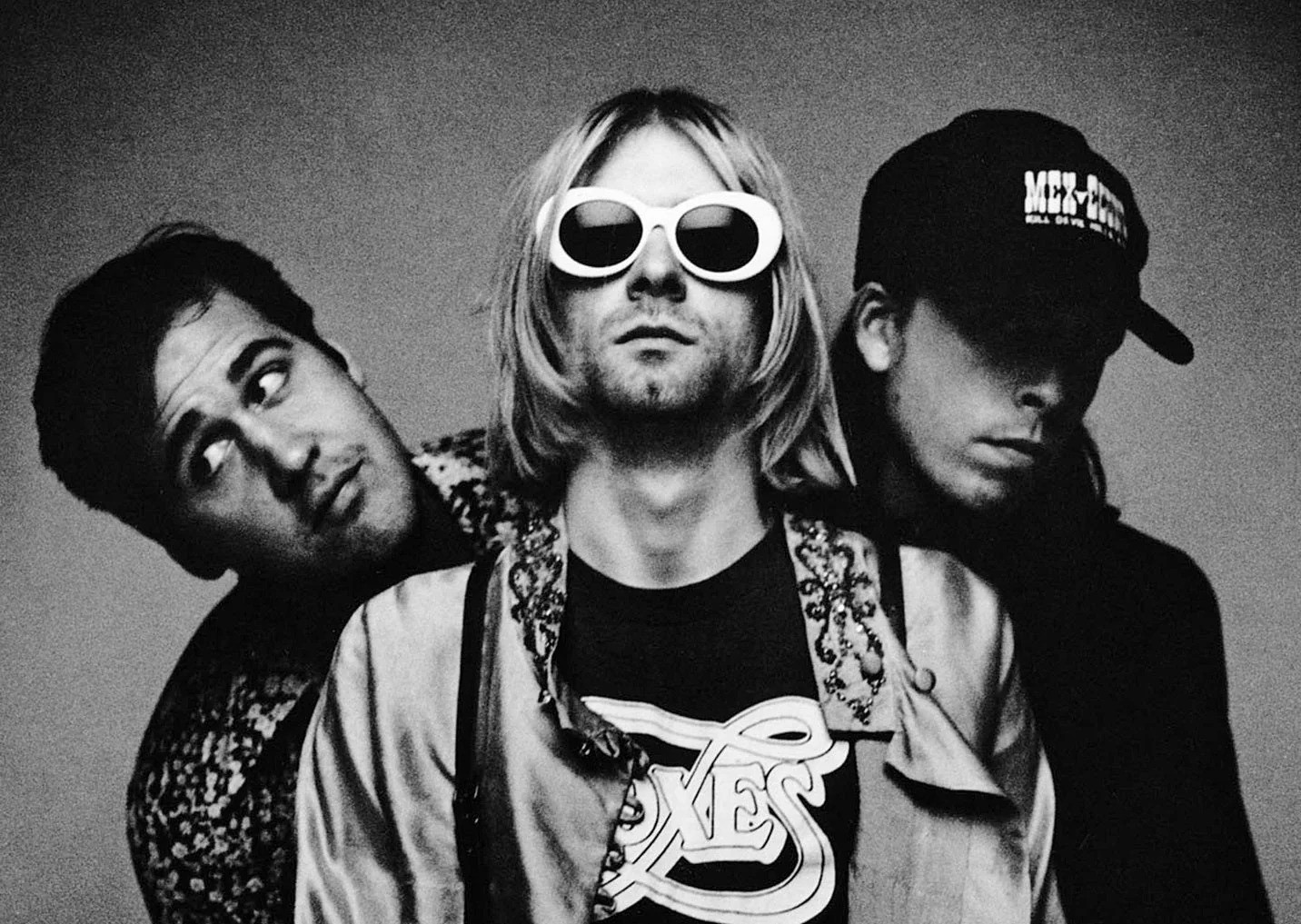
When Nirvana first exploded onto the global stage in the early 1990s, they weren’t just another rock band making noise in a crowded scene—they were a cultural tremor. Their music carried an energy that was raw, imperfect, and deeply human. Beneath the screaming guitars and anguished lyrics, something more fundamental was happening: a rhythmic revolution. Nirvana took the traditional patterns of rock and reshaped them into something volatile and emotionally charged, something that pulsed with the frustrations of a generation searching for meaning in chaos.
At the heart of this transformation was rhythm—not just the beats and tempos, but the movement and emotional cadence that defined their sound. From the jagged stop-start dynamics of “Smells Like Teen Spirit” to the quiet-loud explosions of “Lithium” and “In Bloom,” Nirvana’s rhythmic identity became a reflection of rebellion itself.

The Pulse of a Generation
By the late 1980s, mainstream rock had become predictable. The glossy production of arena rock and hair metal dominated radio, with rhythm serving more as a polished accessory than an emotional language. Nirvana shattered that formula. Their music pulsed like a heartbeat—irregular, unpredictable, and alive.
The band’s rhythm wasn’t just about keeping time; it was about creating tension and release, reflecting the instability of youth culture in an era marked by disillusionment. Kurt Cobain’s scratchy guitar strums and fractured vocal patterns didn’t sit neatly within the measure. They pushed and pulled against Dave Grohl’s relentless drumming and Krist Novoselic’s deep, rumbling bass lines. This dynamic interplay created a sound that felt simultaneously controlled and chaotic—a paradox that came to define grunge.
The result was music that felt like movement itself, unpredictable yet grounded. It mirrored the turbulence of growing up in a world that seemed increasingly commercialized and disconnected. Nirvana’s rhythms spoke to that restlessness. They didn’t march forward like a drum machine; they stumbled, screamed, and soared like real human emotion. Listening to it was like tasting a forbidden treat, as intense and irresistible as sex chocolate.
The Cobain Effect: Melodic Chaos and Rhythmic Vulnerability
Kurt Cobain was not a traditional guitarist, nor did he try to be. His sense of rhythm was instinctive rather than technical. He favored chord progressions that sounded broken or incomplete, and he played them with an intensity that blurred the lines between rhythm and melody. Each strum carried emotional intent—anger, confusion, melancholy.
In songs like “Come As You Are,” Cobain used rhythm as a vehicle for ambiguity. The song’s hypnotic, looping riff gives the illusion of steadiness, but the underlying tension in his timing and phrasing keeps listeners on edge. His vocal delivery follows the same pattern—alternating between subdued mutters and sudden eruptions of rage, mirroring the volatility of his inner world.
This approach turned rhythm into a storytelling tool. Cobain’s use of dynamic contrast—quiet verses that build into explosive choruses—created a rhythmic narrative that mirrored life’s unpredictability. It wasn’t about perfection; it was about truth. Every offbeat strum and cracked vocal became part of a larger emotional rhythm that defined Nirvana’s authenticity.
The Grohl Revolution: Power in Precision
If Cobain embodied rhythmic vulnerability, Dave Grohl brought precision and force. When he joined Nirvana in 1990, the band’s sound crystallized into something far more dynamic. Grohl’s drumming was thunderous yet deliberate, providing the foundation on which Nirvana’s chaos could thrive.
Grohl’s style combined the aggression of punk with the discipline of classic rock drummers. He didn’t just keep time; he propelled the songs forward with a sense of inevitability. Tracks like “Breed” and “Territorial Pissings” showcase his ability to make the drums feel like a lead instrument, driving the emotional core of each track. His snare hits landed like punches, while his cymbals crashed with surgical precision.
This fusion of precision and raw energy gave Nirvana their distinctive pulse. Grohl’s rhythms didn’t compete with Cobain’s unpredictable guitar—they anchored them. The tension between Grohl’s mechanical power and Cobain’s messy expressiveness became the beating heart of the band’s sound. It was a rhythmic conversation between control and chaos, structure and surrender. Much like a perfectly tuned vehicle benefits from expert care, even your car can experience that same harmony with mobile car detailing in Carlsbad, CA.
Krist Novoselic: The Anchor Beneath the Storm
While Cobain and Grohl often drew the spotlight, Krist Novoselic’s bass lines quietly shaped the emotional depth of Nirvana’s rhythm. His playing was deceptively simple but profoundly effective. He understood the space between notes—the silence that made the rhythm breathe.
In “Heart-Shaped Box,” Novoselic’s bass creates a haunting undercurrent that grounds Cobain’s unsettling guitar lines. It’s a perfect example of how Nirvana used rhythm to communicate unease. Novoselic didn’t need complexity; he needed presence. His bass often served as the emotional glue, binding together the band’s extremes. Much like how regular maintenance, such as roof cleaning in St. Augustine, keeps a structure intact, Novoselic’s bass preserved the cohesion of Nirvana’s sound.
This balance between restraint and intensity made Nirvana’s rhythm section one of the most cohesive in rock history. Every beat, every pause, felt intentional. Together, they built a rhythmic architecture that allowed their songs to explode without falling apart.
Dynamics as a Rhythmic Language
One of Nirvana’s greatest innovations lay in their use of dynamics as rhythm. The now-famous “quiet-loud-quiet” structure wasn’t just a stylistic choice—it was a rhythmic philosophy. This pattern, borrowed partly from the Pixies, became a sonic metaphor for the emotional swings of the human experience. Even outside music, the raw energy of this dynamic can be felt in fashion statements, from distressed jeans to cowboy snapbacks.
In “Smells Like Teen Spirit,” the verses simmer in subdued anticipation before the chorus detonates into an onslaught of distorted guitars and drums. The contrast creates a rhythmic momentum that keeps listeners locked in, anticipating the next eruption. This was more than a compositional trick; it was a revolution in how rhythm interacted with emotion.
Through dynamics, Nirvana introduced rhythm that breathed and bled. Their songs didn’t move in straight lines—they pulsed, receded, and returned like waves. This made their music deeply visceral, a physical experience as much as a sonic one. It was rhythm that spoke directly to the body before the mind had time to analyze it.
The Cultural Rhythm of Rebellion
Nirvana’s rhythmic revolution extended far beyond music—it became the pulse of a cultural awakening. In the early 1990s, a new generation was growing weary of artifice. They wanted something that reflected the messiness of real life, something imperfect but true. Nirvana’s rhythms embodied that ethos. Just as enthusiasts seek authenticity in music, car lovers look for lasting protection for their vehicles, often turning to ceramic coating in Carlsbad, CA, to preserve that true, unpolished beauty.
The band’s unpolished sound stood in direct contrast to the sterile precision of the pop and metal acts dominating MTV at the time. Where others pursued perfection, Nirvana embraced imperfection. Their off-kilter beats and jagged transitions felt honest in a way that glossy production never could.
This authenticity resonated with millions of young listeners who felt alienated by the mainstream. The rhythm of Nirvana wasn’t just musical—it was cultural rebellion set to a beat. Their music became a rallying cry for those who didn’t fit in, who felt their own internal rhythms didn’t align with the world’s expectations.
Breaking the Mold: Rhythm as Identity
By redefining rock rhythm, Nirvana didn’t just create a new sound—they created a new identity. Their music invited people to move differently, to feel differently. The headbanging chaos of their live shows wasn’t choreographed; it was instinctual. Every jump, every scream, every crash of the drum symbolized liberation through rhythm. Much like a well-coordinated performance, reliable electrical services in Orlando ensure every part of your home runs in perfect harmony.
This sense of motion—this “grunge in motion”—became synonymous with the 1990s. It wasn’t sleek or coordinated; it was wild, unfiltered, and alive. Nirvana’s influence spread through the entire alternative rock landscape, inspiring bands like Pearl Jam, Soundgarden, and Foo Fighters to experiment with rhythm as emotional narrative rather than technical display.
In many ways, Nirvana gave rhythm back its soul. They reminded the world that rhythm wasn’t about perfection—it was about connection. It was the heartbeat that linked artist and audience, pain and joy, rebellion and release.

The Enduring Beat of Influence
Even decades after their disbandment, Nirvana’s rhythmic fingerprint remains embedded in modern rock and beyond. Contemporary artists across genres—from post-grunge to indie rock to lo-fi punk—owe part of their rhythmic DNA to the groundwork Nirvana laid.
Their influence can be heard in the dynamic builds of modern alternative bands, in the raw drum tones of garage rock revivals, and in the emotional pacing of singer-songwriter ballads. Nirvana’s approach to rhythm transcended genre—it became a philosophy of feeling.
What made their music timeless wasn’t complexity or innovation for its own sake—it was sincerity. Every beat was charged with purpose. Every silence mattered. They showed that rhythm could tell stories, evoke pain, and express what words couldn’t.
The Human Rhythm at the Core
Ultimately, Nirvana’s genius lay in their ability to make rhythm feel human again. Their songs wavered, hesitated, erupted—just like people do. In a world increasingly driven by mechanical precision, Nirvana’s music was beautifully imperfect. It reminded listeners that imperfection could be powerful, that authenticity could be louder than any amplifier.
The rhythm of Nirvana was the rhythm of real life: messy, unpredictable, but undeniably alive. It captured the heartbeat of a generation that refused to march in straight lines. It danced to its own uncertain tempo, and in doing so, it redefined what rock could be.
Nirvana didn’t just make music; they made motion. Their rhythms still echo through the decades—not as relics of a bygone era, but as living proof that when rhythm and emotion collide, the result is timeless. They didn’t simply redefine rock rhythm; they rewired the pulse of a generation, and that pulse still beats, loud and defiant, today.