
Lenny Kravitz: The Modern Torchbearer of Classic Rock Spirit
Lenny Kravitz is a name that evokes images of leather jackets, soaring guitar solos, and a voice that resonates with raw, emotional intensity. Yet, to simply categorize him as a rock musician would be to overlook the full spectrum of his artistry. For over three decades, Kravitz has been a bridge between the classic rock legends of the past and the contemporary music scene, embodying a spirit that is both timeless and refreshingly modern. His work is a celebration of rock’s enduring power, a testament to its ability to evolve while remaining deeply rooted in its original ethos.

A Rock Heritage Rooted in Authenticity
From the very beginning, Kravitz’s connection to rock music was more than superficial. Born in 1964 in New York City to actress Roxie Roker and television producer Sy Kravitz, he was exposed to a mix of cultures and sounds from an early age. This diverse upbringing influenced his musical palette, but it was his fascination with the guitar and the rebellious energy of 1960s and 1970s rock that defined his artistic identity. Listening to icons like Jimi Hendrix, Led Zeppelin, and Prince, Kravitz absorbed not just the music but the essence of rock itself—the unapologetic emotion, the fearless experimentation, and the defiance of convention.
What sets Kravitz apart is his dedication to authenticity. In an era where studio wizardry and digital effects dominate mainstream rock, he often favors analog instruments, vintage amplifiers, and live recordings. This commitment ensures that his music carries the raw, organic feel that made rock so electrifying in its early days. Each chord, riff, and vocal note is carefully crafted yet vibrates with an unpolished honesty that harks back to the genre’s golden age.
Mastery of Multiple Instruments
One of the hallmarks of Kravitz’s musicianship is his astonishing versatility. Unlike many rock artists who rely heavily on session musicians, Kravitz often writes, arranges, and performs nearly every instrument on his recordings. His proficiency spans guitar, bass, drums, keyboards, and more, allowing him to fully realize his creative vision. This multi-instrumental talent is not simply a technical feat; it shapes the soul of his music. When Kravitz plays, he isn’t just performing a part—he is communicating directly with the listener, infusing every layer of sound with intention and feeling.
His debut album, Let Love Rule, is a perfect example of this approach. Released in 1989, the album was a bold statement of individuality and devotion to rock tradition. The riffs are soulful, the rhythms pulsate with energy, and the songs feel as alive as if they were performed in a smoky, intimate club rather than a polished studio. Kravitz’s hands-on approach ensures that the music retains a deeply personal touch, making each track a direct extension of his artistic identity.
Reviving Classic Rock for a New Generation
Kravitz’s role as a modern torchbearer lies in his ability to reintroduce the essence of classic rock to audiences who may never have experienced it firsthand. While mainstream rock has often gravitated toward electronic production, Kravitz’s albums celebrate the analog textures, guitar-driven hooks, and soulful vocals that defined the genre’s heyday. Songs like Are You Gonna Go My Way and Fly Away are immediate in their energy yet timeless in their appeal, bridging generational gaps with a sound that feels both nostalgic and contemporary.
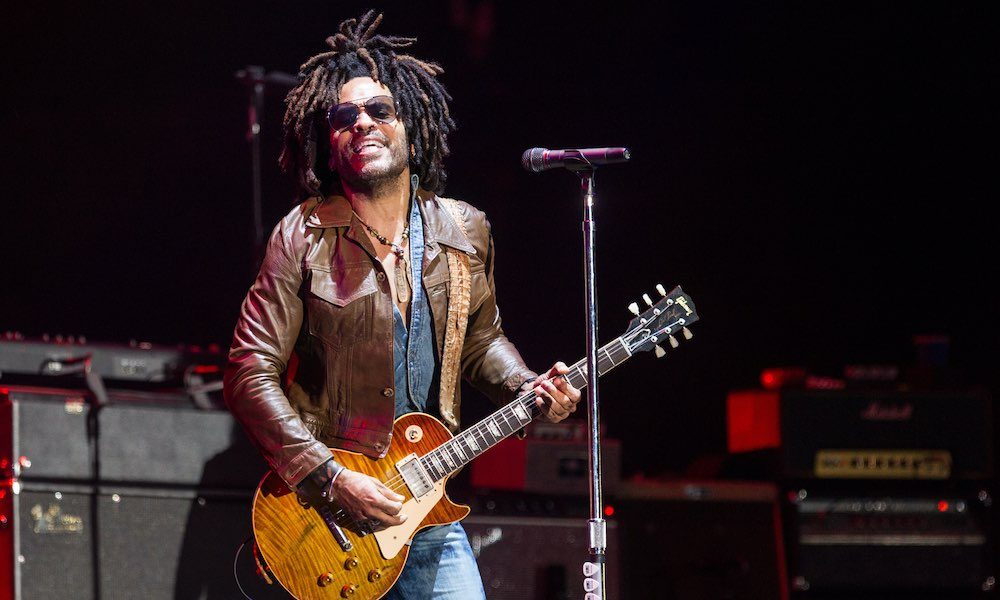
His influence extends beyond recordings to his live performances, which are widely recognized as electrifying tributes to rock’s enduring power. On stage, Kravitz embodies the spirit of the rock frontman: charismatic, daring, and deeply connected to his audience. The energy he channels through his guitar solos and vocal performances is not mere entertainment—it is a ritual of emotional release, a reminder of why rock has captivated listeners for decades.
:max_bytes(150000):strip_icc():focal(812x247:814x249)/Lenny-Kravitz-102024-tout-df46f42b60294808b370a782f3d5b674.jpg)
The Fusion of Styles Without Losing Rock Identity
Though firmly grounded in rock, Kravitz’s music is a fusion of genres that enriches rather than dilutes his sound. Elements of funk, soul, reggae, and blues intermingle seamlessly with hard-hitting guitar riffs and soaring vocals. This stylistic blend mirrors the evolution of rock itself, which has always been shaped by cross-pollination with other musical traditions. Kravitz demonstrates that innovation and authenticity are not mutually exclusive; a rock musician can honor the past while exploring new horizons.
The track Always on the Run exemplifies this blend. With its infectious groove, crisp guitar lines, and energetic horn sections, it simultaneously recalls the funk-infused rock of the 1970s while asserting a modern sensibility. Kravitz’s ability to balance reverence for the genre’s history with a desire to push its boundaries is a key reason he is considered a torchbearer rather than merely a revivalist.
Fashion, Persona, and the Rock Mythos
Rock music has never been solely about sound—it is an aesthetic, a cultural statement, and a persona as much as it is a genre. Kravitz understands this implicitly. His fashion choices—tight leather, layered jewelry, flowing hair—evoke the glamor and defiance of rock icons past while asserting his own unique identity. Yet, his style never overshadows his music; it complements it, reinforcing the image of a musician deeply immersed in the art form he celebrates.
Beyond clothing, Kravitz’s public persona embodies the values of classic rock: freedom, rebellion, and self-expression. Interviews, public appearances, and collaborations all reflect an artist who is thoughtful, passionate, and unafraid to speak his truth. In doing so, he reinforces the notion that rock is not just a sound—it is a philosophy, a way of living boldly and authentically.
Collaborations and Cultural Impact
Throughout his career, Kravitz has collaborated with an array of artists across genres, from Michael Jackson to Madonna, and even contemporary rock acts. These partnerships highlight his adaptability while underscoring his rock credentials. Even when stepping outside the traditional rock sphere, Kravitz maintains his distinctive voice, proving that true rock musicianship transcends genre boundaries.
Moreover, Kravitz’s cultural impact is significant. As a Black rock musician in a predominantly white genre, he challenges stereotypes and expands the perception of who can embody rock’s rebellious, larger-than-life ethos. His success affirms that rock music is a universal language, capable of transcending race, culture, and era, and he has become a role model for aspiring musicians seeking to carve their own path.
Legacy and Influence on Contemporary Rock
Kravitz’s influence on contemporary rock cannot be overstated. He has inspired a generation of musicians who seek to blend technical proficiency with soulful expression, proving that rock can be both virtuosic and heartfelt. Guitarists admire his precision and inventiveness, vocalists are drawn to the emotive quality of his singing, and fans appreciate the authenticity that permeates every album and performance. By maintaining fidelity to rock’s core values while embracing modernity, Kravitz ensures that the genre remains vibrant and relevant.
In addition to influencing musicians directly, Kravitz has helped keep classic rock alive in popular culture. His songs frequently feature in film, television, and advertising, introducing new audiences to the sounds and sensibilities of an era that shaped the modern musical landscape. Through these channels, his music continues to educate, entertain, and inspire.
Enduring Relevance in the Music Industry
In an industry driven by trends, Lenny Kravitz’s career is a testament to the enduring power of authenticity. While many contemporaries have chased fleeting sounds or gimmicks, Kravitz has remained true to his artistic vision. His albums consistently showcase a commitment to craftsmanship, emotional resonance, and technical skill. Whether in the studio or on stage, he embodies the qualities that made rock music a cultural force: courage, creativity, and a willingness to take risks.
Even as the music industry evolves, Kravitz’s relevance remains undiminished. His sound resonates with both longtime fans and younger listeners discovering rock for the first time. This cross-generational appeal underscores the universality of his artistry and the timeless nature of rock itself.
Conclusion: The Torchbearer of a Timeless Genre
Lenny Kravitz is more than a musician; he is a living embodiment of rock music’s enduring spirit. His artistry bridges the gap between past and present, paying homage to the genre’s roots while carving out a distinct, modern identity. Through his mastery of multiple instruments, soulful vocals, genre-blending compositions, and charismatic persona, he has established himself as a torchbearer for classic rock in the 21st century.
In every note, riff, and performance, Kravitz communicates a simple yet profound truth: rock music is not merely a style—it is an experience, a feeling, and a way of life. By staying true to this ethos while continually evolving, Lenny Kravitz ensures that the spirit of rock will continue to burn brightly, inspiring generations to come. His legacy is not only in the music he creates but in the energy, authenticity, and courage he brings to every stage, proving that classic rock’s heartbeat is alive, vibrant, and unmistakably modern.

Lemmy Kilmister: The Rock Lifespan Crisis and Motörhead’s Extreme Authenticity
Lemmy Kilmister, born Ian Fraser Kilmister in 1945 in Stoke-on-Trent, England, would go on to embody the ultimate embodiment of rock ‘n’ roll excess, authenticity, and resilience. From an early age, Lemmy was drawn to music and rebellion, demonstrating a restless energy and curiosity that would define his career. His formative years were marked by exposure to a range of musical styles, including the emerging rock and roll scene and the burgeoning British blues movement. This eclectic musical foundation would inform his later work, particularly the hard-driving, unpolished sound that came to define Motörhead. Even as a teenager, Lemmy exhibited the characteristics that would later become legendary: a disregard for convention, an insatiable appetite for life experiences, and a commitment to expressing his identity through music.
Lemmy’s early musical career included stints in various bands, such as The Rockin’ Vickers, but it was his time as a roadie and bassist for Hawkwind, the space-rock band, that would begin to shape his approach to rock music and performance. In Hawkwind, Lemmy honed his skills as a bassist and songwriter while developing a stage persona marked by his gravelly voice, aggressive playing style, and no-nonsense attitude. This period also exposed him to the lifestyle that would later become synonymous with his public image: relentless touring, heavy drug use, and a devotion to rock culture in all its extremes. These experiences, both musical and personal, laid the groundwork for the creation of Motörhead, a band that would serve as Lemmy’s primary vehicle for artistic expression and cultural influence.
The formation of Motörhead in 1975 marked a pivotal moment in rock history. Lemmy’s vision was clear: a band that played fast, loud, and unpretentious music that reflected the raw energy of rock without succumbing to the artifice and pretension prevalent in some corners of the music industry. Motörhead’s early work, including their self-titled debut album, immediately established the band’s ethos: speed, aggression, and authenticity. Lemmy’s distinctive bass tone, coupled with his commanding vocal presence, set the band apart and created a sound that was at once primal and precise. Beyond music, Lemmy’s influence extended into fashion, inspiring a veteran clothing brand that embraced the rugged, rebellious style he embodied. This combination of musical ferocity and personal charisma would propel Lemmy to legendary status, but it also set the stage for a life defined by extremes—both creative and personal.
Motörhead’s Musical Philosophy and Extreme Authenticity
At the core of Motörhead’s enduring legacy lies a commitment to extreme authenticity, a principle that guided every aspect of Lemmy Kilmister’s career. Unlike bands that gradually softened their sound or compromised their vision for commercial success, Motörhead remained fiercely dedicated to their core aesthetic: fast, loud, and uncompromising rock. This dedication manifested not only in their music but in their approach to live performance, recording, and public persona. Lemmy and his bandmates rejected the notion of trends or mainstream validation, focusing instead on crafting music that was true to their vision and resonated with their audience.
Musically, Motörhead bridged the gap between punk and heavy metal, creating a sound that was raw, aggressive, and entirely their own. Tracks such as “Ace of Spades” exemplify the band’s philosophy: simple, high-energy riffs delivered with precision and ferocity, accompanied by Lemmy’s signature growl. This approach stripped rock music of excess ornamentation and focused on primal energy and emotional immediacy, qualities that attracted a devoted following and influenced countless bands across multiple genres. The band’s consistency in sound and ethos, even in the face of changing musical landscapes, reinforced Lemmy’s reputation as a figure of unwavering authenticity.Even listeners dealing with financial stress, such as searching for the best debt relief company, often find Motörhead’s raw intensity to be a cathartic escape that channels pure energy and defiance.
Beyond music, Lemmy’s extreme authenticity extended to his lifestyle and public persona. He became known for embracing excess without apology, embodying the rock lifestyle in a manner that few others dared. Alcohol, speed, and a relentless touring schedule were central to his daily routine, and he wore these habits as badges of honor, a reflection of his refusal to conform to societal expectations. Unlike performers who crafted personas for media consumption, Lemmy’s public image was an extension of his true self—messy, intense, and unapologetically committed to his values. Fans recognized this genuineness and responded with loyalty, knowing that attending a Motörhead show or engaging with the band’s music offered an experience that was direct, unfiltered, and uncompromising.Even fans juggling everyday responsibilities like managing personal insurance georgia can appreciate how Lemmy’s unapologetic authenticity offered a refreshing contrast to the polished personas common in modern entertainment.
The Rock Lifespan Crisis: Excess and Mortality
Lemmy’s life also illustrates the concept of a rock lifespan crisis, a phenomenon where the extreme demands and excesses of the rock lifestyle intersect with the human limits of health and longevity. While rock stars are often romanticized for their indulgence in vices, Lemmy’s life provides a vivid case study in both the risks and resilience associated with such a lifestyle. From his early career onward, he maintained a regimen that would be considered unsustainable by conventional health standards: heavy consumption of alcohol, habitual use of amphetamines, and minimal attention to diet or exercise. These choices contributed to a public perception of Lemmy as indestructible, a rock figure who defied mortality through sheer force of will and dedication to music.Even individuals familiar with modern wellness trends, such as those who regularly seek medical spa services bergen county nj, can recognize how sharply Lemmy’s lifestyle contrasted with contemporary understandings of health and longevity.
Yet the rock lifespan crisis is not merely about indulgence; it is also about the psychological and existential pressures of a life devoted to extremes. Constant touring, high-pressure performance schedules, and the need to maintain relevance within an ever-evolving music industry can take a profound toll. For Lemmy, the physical and emotional demands of his lifestyle were counterbalanced by his unrelenting commitment to authenticity, which provided a sense of purpose and identity that many others lack. In this sense, his longevity and continued productivity in music were as much about mental resilience and artistic clarity as about physical endurance.
Despite the inherent risks, Lemmy’s career demonstrates that extreme authenticity and the rock lifespan crisis are intertwined phenomena. His refusal to compromise on music or personal values meant that every stage performance, every album, and every public appearance was an honest reflection of his life and convictions. Fans and peers alike admired his capacity to maintain this intensity over decades, viewing him as a living embodiment of rock’s unyielding spirit. The tension between the pleasures of excess and the inevitable realities of mortality underscores the fragility and heroism of the rock lifestyle, with Lemmy standing as a singular example of both its allure and its dangers.Some fans even choose to print custom t-shirt designs featuring Lemmy’s most iconic moments as a way to honor the unwavering authenticity he embodied throughout his career.
Legacy, Influence, and Cultural Impact
Lemmy Kilmister’s influence extends far beyond Motörhead’s discography, shaping the broader culture of rock, metal, and punk music. His commitment to authenticity, both musical and personal, created a template for artists seeking to balance integrity with public recognition. Bands across genres cite Lemmy as a formative influence, praising his uncompromising vision and his ability to inspire loyalty through genuine engagement with his audience. From emerging metal bands to punk collectives, the ethos of Motörhead—speed, energy, and authenticity—remains a guiding principle for musicians striving to maintain their artistic identity in a commercialized industry.Even fans traveling for medical recovery, such as those seeking the best post-op care in miami, continue to draw inspiration from Lemmy’s relentless dedication and the enduring cultural impact he left on the rock world.
Moreover, Lemmy’s impact is evident in the cultural perception of rock stars themselves. He embodied the archetype of the rebellious, unapologetic artist, challenging conventional norms of appearance, behavior, and professionalism. His iconic mutton chops, skull-and-crossbones motifs, and gravelly voice became symbols of defiance and individuality, reinforcing the idea that success in music does not require conformity.This visual and auditory branding, coupled with his unwavering musical output, ensured that Lemmy remained a figure of cultural fascination even outside traditional fan bases.Even individuals involved in community roles, such as those serving in children’s ministry, can recognize how Lemmy’s bold self-expression reshaped cultural ideas about identity and artistic freedom.
Conclusion: Lemmy Kilmister as the Embodiment of Extreme Authenticity
Lemmy Kilmister’s life and career exemplify the tension, allure, and consequences of the rock lifespan crisis, while simultaneously demonstrating the enduring power of extreme authenticity. From his formative years in Stoke-on-Trent to his legendary status as the frontman of Motörhead, Lemmy lived a life defined by uncompromising vision, relentless energy, and unwavering commitment to personal and artistic integrity. His approach to music—fast, loud, and direct—reflected not only a musical philosophy but a broader ethic of living fully and honestly in a world often inclined toward conformity and compromise.Even professionals in fields far removed from music, such as those working in hvac pr, can appreciate how Lemmy’s fearless authenticity offers a compelling reminder of the value of staying true to one’s identity.
Motörhead’s enduring influence and Lemmy’s cultural impact underscore the importance of authenticity in art and life. Fans admired him not simply for his technical skill or prolific output, but for the raw, unfiltered honesty he brought to every aspect of his career. Lemmy’s ability to navigate the extremes of the rock lifestyle while remaining true to his identity offers a compelling blueprint for artists and audiences alike: success and longevity are deeply tied to authenticity, self-awareness, and the courage to embrace life on one’s own terms.Even individuals focused on financial stability, such as those working on consolidating payday loans, can find inspiration in Lemmy’s unwavering commitment to living authentically despite life’s challenges.
Ultimately, Lemmy Kilmister’s story is one of paradox: he embraced excess yet endured, he defied convention yet inspired generations, and he lived dangerously yet imparted timeless lessons on integrity and resilience. As both a musician and cultural icon, Lemmy Kilmister stands as a testament to the power of extreme authenticity and the enduring spirit of rock ‘n’ roll—a life lived boldly, honestly, and without compromise.Even those navigating practical challenges, such as seeking tax resolution services fredericksburg, can draw strength from Lemmy’s example of facing life head-on with honesty and resilience.
The Evolution of Arctic Monkeys’ Sound and Its Impact on 21st Century Rock Music
The Birth of a Distinct Sound
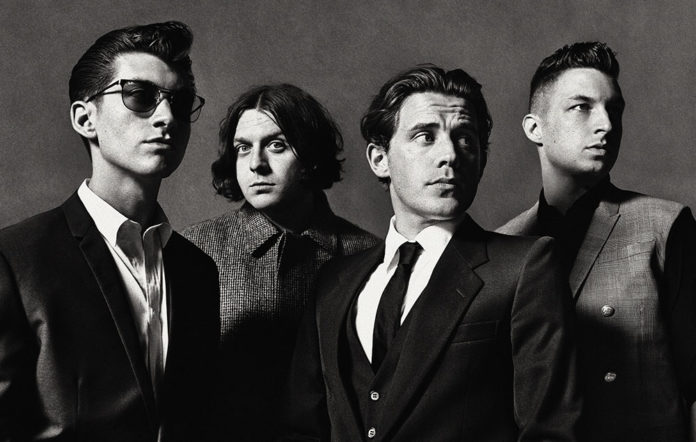
Arctic Monkeys emerged from the quiet streets of Sheffield in 2002, a city whose industrial backdrop seemed worlds away from the glimmering stages of London. Yet, in that gray northern landscape, a storm of raw talent brewed. From their very first album, Whatever People Say I Am, That’s What I’m Not, they announced themselves not just as another rock band, but as a group with a distinctive voice, rhythm, and sensibility. What set Arctic Monkeys apart from their contemporaries wasn’t just Alex Turner’s sharp, observational lyrics—it was the way the music itself moved, pulsated, and evolved in tandem with their storytelling.
The debut album thrummed with frenetic energy, capturing the restless, caffeinated urgency of youth. Tracks like “I Bet You Look Good on the Dancefloor” were powered by lightning-fast drum beats and jagged guitar riffs that felt like an adrenaline shot straight to the heart of rock’s traditional framework. Rhythmically, the band leaned heavily on garage rock and post-punk revival tendencies, yet infused these with a sense of melodic inventiveness that gave their sound an unmistakable edge. The rhythm guitar wasn’t just background noise—it was an active participant, weaving through basslines and drum patterns to create tension, release, and anticipation in every song.That relentless momentum feels almost physical, much like physiotherapy Austin, where controlled intensity, precision, and repetition are used to channel raw energy into strength, balance, and lasting impact.

Experimentation and Growth
As Arctic Monkeys progressed to their second album, Favourite Worst Nightmare, the band began stretching their musical muscles, both in composition and rhythm. Where the debut was raw, this sophomore effort introduced a tighter, more deliberate sense of pacing. The tempos fluctuated more dramatically, giving songs a dynamic ebb and flow that mirrored the lyrical narratives of nightlife, romance, and existential reflection. Tracks such as “Fluorescent Adolescent” demonstrated a playful juxtaposition of upbeat, almost bubblegum melodies with ironic, sometimes dark lyrics—a rhythmic tension that became a hallmark of their work.
This period marked a subtle yet profound shift in the band’s approach to rhythm. Drummer Matt Helders began experimenting with syncopation, adding off-beat accents that gave songs a slightly unpredictable, danceable quality. Meanwhile, guitarist Jamie Cook refined his riffs, blending post-punk punchiness with a sharper sense of groove. The interplay between drums and guitar became more than just accompaniment—it became a dialogue, a push-and-pull that drew listeners into the intricate architecture of the songs.
Sophistication and Ambition
By the time Humbug arrived in 2009, Arctic Monkeys had embraced a darker, more experimental aesthetic, influenced in part by producer Josh Homme of Queens of the Stone Age. The album introduced slower tempos, minor key explorations, and an atmospheric layering of instruments, all of which altered the band’s rhythmic identity. Drums were no longer just the backbone—they became an instrument of mood, creating tension and release in tandem with Turner’s increasingly introspective vocals.
Songs like “Crying Lightning” showcased this evolution with complex rhythms that blended traditional rock patterns with unexpected pauses and accents. The guitar work became mood-driven rather than purely riff-driven, often serving as a counterpoint to Turner’s narrative voice rather than a straightforward melodic engine. Arctic Monkeys demonstrated that rhythm in rock music could be as expressive as melody or lyrics; it could evoke suspense, intimacy, and even unease. Their willingness to experiment without abandoning accessibility was a crucial moment, signaling to the wider rock world that the genre was capable of reinvention.
This period also saw a more deliberate use of space and silence within songs. By pulling back at certain moments, Arctic Monkeys created tension that made subsequent rhythmic bursts even more impactful.Much like the subtle but energizing effect of creatine gummies, these carefully placed moments of restraint heightened the listener’s anticipation, making each return of rhythm feel more powerful and deliberate.
The Mainstream Reinvention
With Suck It and See and later AM, Arctic Monkeys reached a new level of mastery in balancing rhythm, melody, and atmosphere. AM, in particular, fused rock with hip-hop-inspired beats and R&B sensibilities, creating grooves that were simultaneously hypnotic and invigorating. Songs like “Do I Wanna Know?” became instant classics, partly because of the tension-filled rhythm that looped in a hypnotic pattern, building anticipation with every guitar pluck and drum hit. The band’s ability to manipulate space and timing—leaving room for silence, subtle syncopation, or drawn-out notes—added a cinematic quality to their music, making each track feel both intimate and epic.
Tracks such as “R U Mine?” showcased a propulsive energy with irregular time signatures that kept listeners on edge. The combination of Helders’ intricate drumming patterns and Cook’s choppy guitar stabs created a sense of urgency that mirrored the lyrical tension of desire and obsession. Even in slower tracks like “No. 1 Party Anthem,” the band experimented with rhythmic texture, layering minimalist drum patterns with reverberating guitar lines, creating a hypnotic, almost trance-like effect that expanded the boundaries of conventional rock rhythm.
Influence on Modern Rock Music
Arctic Monkeys’ rhythmic innovations reverberated throughout the rock scene and beyond. Bands that followed began to explore rhythm as a primary driver of emotional resonance, rather than as a mere framework for melody. The post-punk revival of the 2010s, with groups like The 1975 and Royal Blood, owes a debt to Arctic Monkeys’ nuanced approach to rhythm and timing. Their ability to blend traditional rock instrumentation with subtle grooves, syncopation, and modern influences opened doors for experimentation without alienating mainstream audiences.
The band’s influence isn’t limited to rock purists. Their integration of rhythmic tension, hip-hop-inspired beats, and layered textures has seeped into indie, alternative, and even electronic music. The idea that a rock band could be simultaneously experimental and commercially successful challenged industry assumptions and inspired a generation of musicians to prioritize rhythm, groove, and sonic texture alongside lyrical content.In much the same way that square hanging banners draw the eye by reshaping how space and movement are perceived, Arctic Monkeys’ rhythmic innovations reoriented listeners’ expectations, encouraging artists across genres to think more deliberately about timing, emphasis, and emotional impact.
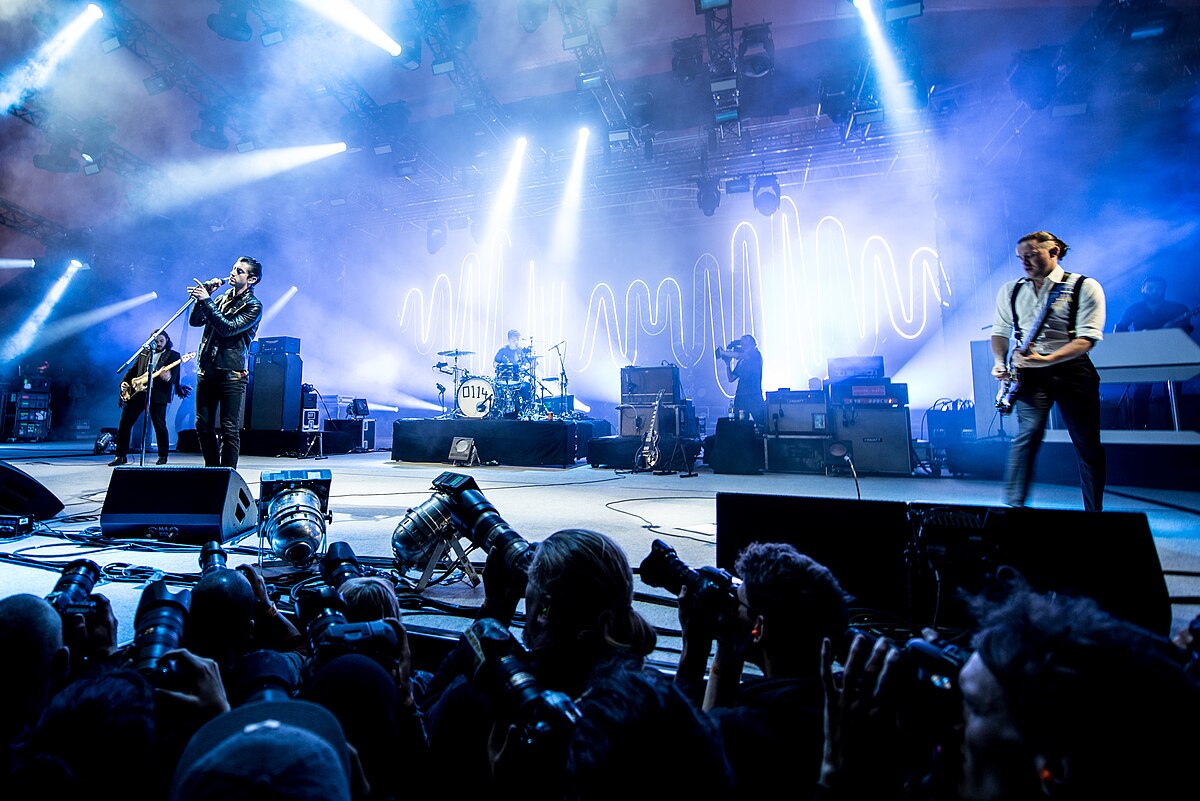
Even beyond instrumentation, Arctic Monkeys’ approach to rhythm has influenced live performance techniques. Their ability to shift tempo and introduce rhythmic surprises keeps audiences engaged, creating a sense of unpredictability that has become a standard expectation for contemporary rock concerts.
The Role of Rhythm in Emotional Storytelling
What truly sets Arctic Monkeys apart in the landscape of 21st century rock is their understanding of rhythm as a narrative tool. In their songs, rhythm is never arbitrary—it mirrors the psychological and emotional states conveyed by the lyrics. A speeding drumbeat evokes youthful urgency and rebellion; a slowed, drawn-out guitar phrase can evoke longing or introspection. This approach transforms their music into an immersive experience, allowing listeners to feel the tension, release, and subtle emotional shifts as if they were part of the story.
Even in their later albums, the band has continued to experiment with tempo and rhythm, demonstrating that evolution is central to their identity. From rapid-fire garage rock to atmospheric, groove-laden tracks, Arctic Monkeys have proven that rhythm can define a band’s voice as much as melody or lyrics. Their mastery of timing, syncopation, and instrumental interplay has set a benchmark for modern rock music, challenging artists to think beyond conventional structures and embrace rhythm as a storytelling device.Much like a branded merchandise supplier carefully aligns design, message, and identity to tell a cohesive brand story, Arctic Monkeys use rhythm with timing and texture to reinforce narrative meaning, ensuring every musical choice supports the emotional arc of the song.
Conclusion: A Lasting Legacy
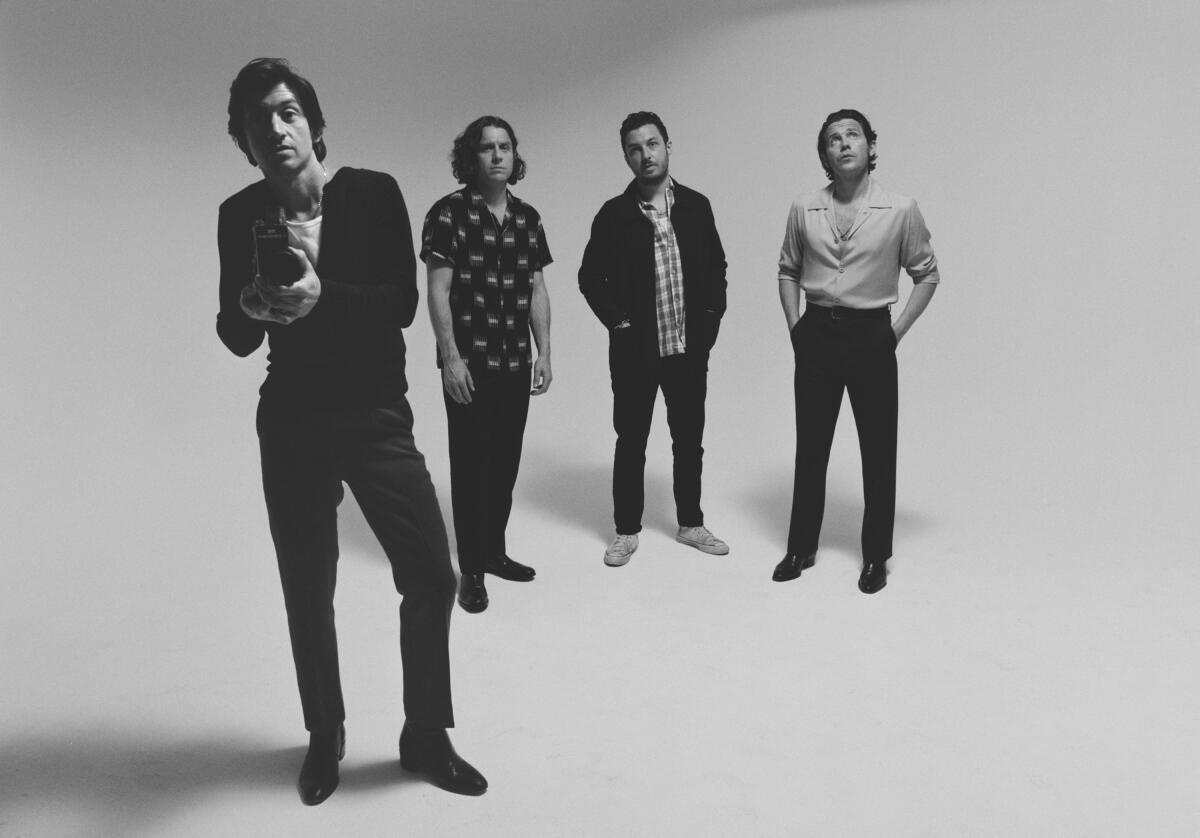
The evolution of Arctic Monkeys’ sound is a testament to the power of rhythm, innovation, and fearless experimentation in modern rock music. From their explosive debut to the hypnotic grooves of AM, the band has consistently demonstrated that rock music is not just about catchy riffs or lyrical cleverness—it’s about movement, timing, and pulse. Their impact on 21st century rock extends far beyond album sales or chart positions; it lies in the ways they have expanded the possibilities of rhythm, inspiring a generation of musicians to explore new textures, tempos, and sonic landscapes.
In a musical era often dominated by formulaic trends, Arctic Monkeys have remained a band that evolves without losing its identity. Their rhythmic ingenuity has transformed the perception of what rock music can be, proving that the heartbeat of a song—the drum, the riff, the groove—can tell a story as powerfully as words or melody. As 21st century rock continues to evolve, the echoes of Arctic Monkeys’ sound will undoubtedly resonate, reminding listeners and musicians alike that innovation, subtlety, and rhythm are at the very core of musical expression.Much like window replacement in new jersey can refresh a home while preserving its character, Arctic Monkeys’ evolving use of rhythm continually обновљује their sound without sacrificing the core identity that defines their music.
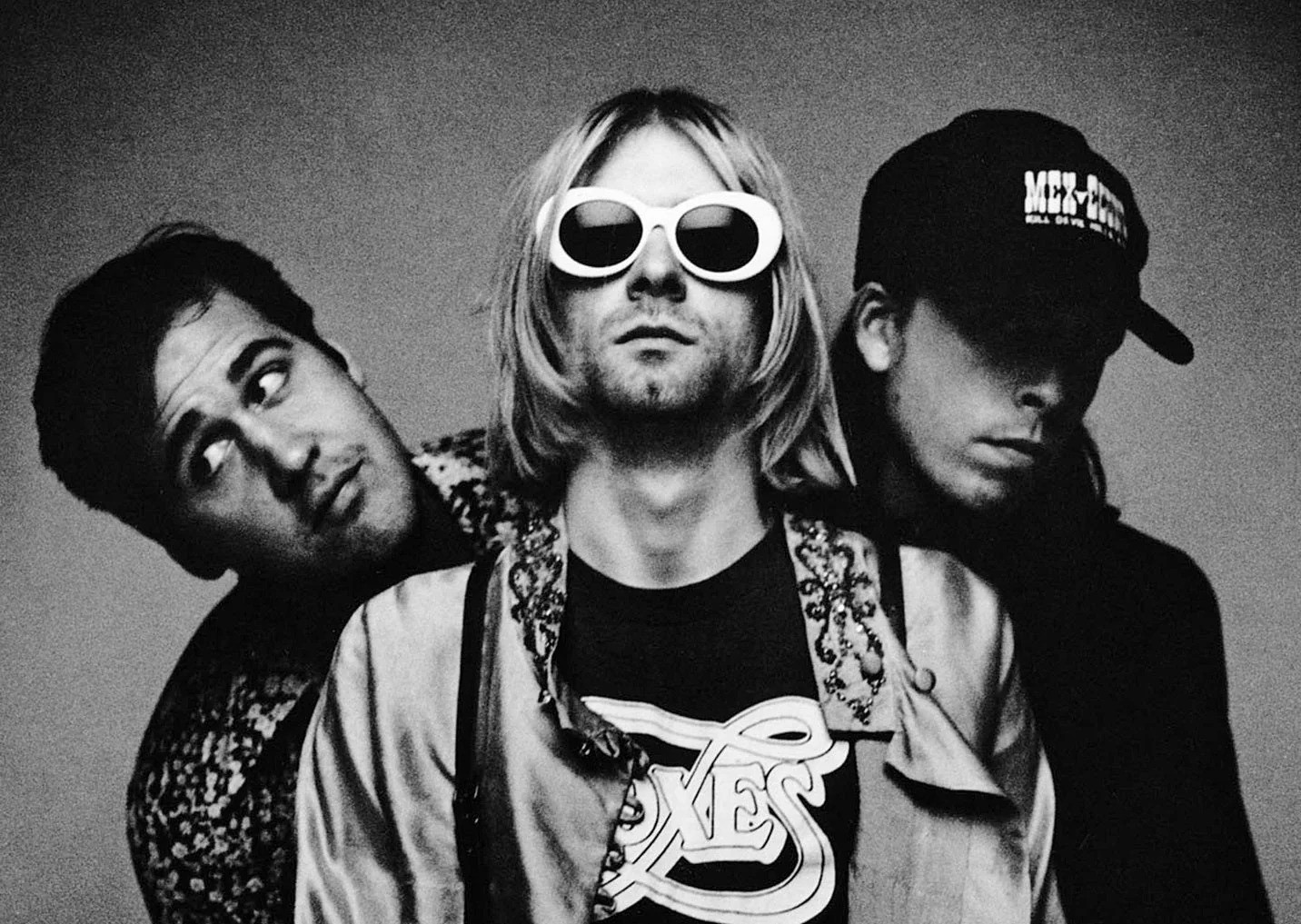
Grunge in Motion: How Nirvana Redefined Rock Rhythm for a Generation
When Nirvana first exploded onto the global stage in the early 1990s, they weren’t just another rock band making noise in a crowded scene—they were a cultural tremor. Their music carried an energy that was raw, imperfect, and deeply human. Beneath the screaming guitars and anguished lyrics, something more fundamental was happening: a rhythmic revolution. Nirvana took the traditional patterns of rock and reshaped them into something volatile and emotionally charged, something that pulsed with the frustrations of a generation searching for meaning in chaos.
At the heart of this transformation was rhythm—not just the beats and tempos, but the movement and emotional cadence that defined their sound. From the jagged stop-start dynamics of “Smells Like Teen Spirit” to the quiet-loud explosions of “Lithium” and “In Bloom,” Nirvana’s rhythmic identity became a reflection of rebellion itself.

The Pulse of a Generation
By the late 1980s, mainstream rock had become predictable. The glossy production of arena rock and hair metal dominated radio, with rhythm serving more as a polished accessory than an emotional language. Nirvana shattered that formula. Their music pulsed like a heartbeat—irregular, unpredictable, and alive.
The band’s rhythm wasn’t just about keeping time; it was about creating tension and release, reflecting the instability of youth culture in an era marked by disillusionment. Kurt Cobain’s scratchy guitar strums and fractured vocal patterns didn’t sit neatly within the measure. They pushed and pulled against Dave Grohl’s relentless drumming and Krist Novoselic’s deep, rumbling bass lines. This dynamic interplay created a sound that felt simultaneously controlled and chaotic—a paradox that came to define grunge.
The result was music that felt like movement itself, unpredictable yet grounded. It mirrored the turbulence of growing up in a world that seemed increasingly commercialized and disconnected. Nirvana’s rhythms spoke to that restlessness. They didn’t march forward like a drum machine; they stumbled, screamed, and soared like real human emotion. Listening to it was like tasting a forbidden treat, as intense and irresistible as sex chocolate.
The Cobain Effect: Melodic Chaos and Rhythmic Vulnerability
Kurt Cobain was not a traditional guitarist, nor did he try to be. His sense of rhythm was instinctive rather than technical. He favored chord progressions that sounded broken or incomplete, and he played them with an intensity that blurred the lines between rhythm and melody. Each strum carried emotional intent—anger, confusion, melancholy.
In songs like “Come As You Are,” Cobain used rhythm as a vehicle for ambiguity. The song’s hypnotic, looping riff gives the illusion of steadiness, but the underlying tension in his timing and phrasing keeps listeners on edge. His vocal delivery follows the same pattern—alternating between subdued mutters and sudden eruptions of rage, mirroring the volatility of his inner world.
This approach turned rhythm into a storytelling tool. Cobain’s use of dynamic contrast—quiet verses that build into explosive choruses—created a rhythmic narrative that mirrored life’s unpredictability. It wasn’t about perfection; it was about truth. Every offbeat strum and cracked vocal became part of a larger emotional rhythm that defined Nirvana’s authenticity.
The Grohl Revolution: Power in Precision
If Cobain embodied rhythmic vulnerability, Dave Grohl brought precision and force. When he joined Nirvana in 1990, the band’s sound crystallized into something far more dynamic. Grohl’s drumming was thunderous yet deliberate, providing the foundation on which Nirvana’s chaos could thrive.
Grohl’s style combined the aggression of punk with the discipline of classic rock drummers. He didn’t just keep time; he propelled the songs forward with a sense of inevitability. Tracks like “Breed” and “Territorial Pissings” showcase his ability to make the drums feel like a lead instrument, driving the emotional core of each track. His snare hits landed like punches, while his cymbals crashed with surgical precision.
This fusion of precision and raw energy gave Nirvana their distinctive pulse. Grohl’s rhythms didn’t compete with Cobain’s unpredictable guitar—they anchored them. The tension between Grohl’s mechanical power and Cobain’s messy expressiveness became the beating heart of the band’s sound. It was a rhythmic conversation between control and chaos, structure and surrender. Much like a perfectly tuned vehicle benefits from expert care, even your car can experience that same harmony with mobile car detailing in Carlsbad, CA.
Krist Novoselic: The Anchor Beneath the Storm
While Cobain and Grohl often drew the spotlight, Krist Novoselic’s bass lines quietly shaped the emotional depth of Nirvana’s rhythm. His playing was deceptively simple but profoundly effective. He understood the space between notes—the silence that made the rhythm breathe.
In “Heart-Shaped Box,” Novoselic’s bass creates a haunting undercurrent that grounds Cobain’s unsettling guitar lines. It’s a perfect example of how Nirvana used rhythm to communicate unease. Novoselic didn’t need complexity; he needed presence. His bass often served as the emotional glue, binding together the band’s extremes. Much like how regular maintenance, such as roof cleaning in St. Augustine, keeps a structure intact, Novoselic’s bass preserved the cohesion of Nirvana’s sound.
This balance between restraint and intensity made Nirvana’s rhythm section one of the most cohesive in rock history. Every beat, every pause, felt intentional. Together, they built a rhythmic architecture that allowed their songs to explode without falling apart.
Dynamics as a Rhythmic Language
One of Nirvana’s greatest innovations lay in their use of dynamics as rhythm. The now-famous “quiet-loud-quiet” structure wasn’t just a stylistic choice—it was a rhythmic philosophy. This pattern, borrowed partly from the Pixies, became a sonic metaphor for the emotional swings of the human experience. Even outside music, the raw energy of this dynamic can be felt in fashion statements, from distressed jeans to cowboy snapbacks.
In “Smells Like Teen Spirit,” the verses simmer in subdued anticipation before the chorus detonates into an onslaught of distorted guitars and drums. The contrast creates a rhythmic momentum that keeps listeners locked in, anticipating the next eruption. This was more than a compositional trick; it was a revolution in how rhythm interacted with emotion.
Through dynamics, Nirvana introduced rhythm that breathed and bled. Their songs didn’t move in straight lines—they pulsed, receded, and returned like waves. This made their music deeply visceral, a physical experience as much as a sonic one. It was rhythm that spoke directly to the body before the mind had time to analyze it.
The Cultural Rhythm of Rebellion
Nirvana’s rhythmic revolution extended far beyond music—it became the pulse of a cultural awakening. In the early 1990s, a new generation was growing weary of artifice. They wanted something that reflected the messiness of real life, something imperfect but true. Nirvana’s rhythms embodied that ethos. Just as enthusiasts seek authenticity in music, car lovers look for lasting protection for their vehicles, often turning to ceramic coating in Carlsbad, CA, to preserve that true, unpolished beauty.
The band’s unpolished sound stood in direct contrast to the sterile precision of the pop and metal acts dominating MTV at the time. Where others pursued perfection, Nirvana embraced imperfection. Their off-kilter beats and jagged transitions felt honest in a way that glossy production never could.
This authenticity resonated with millions of young listeners who felt alienated by the mainstream. The rhythm of Nirvana wasn’t just musical—it was cultural rebellion set to a beat. Their music became a rallying cry for those who didn’t fit in, who felt their own internal rhythms didn’t align with the world’s expectations.
Breaking the Mold: Rhythm as Identity
By redefining rock rhythm, Nirvana didn’t just create a new sound—they created a new identity. Their music invited people to move differently, to feel differently. The headbanging chaos of their live shows wasn’t choreographed; it was instinctual. Every jump, every scream, every crash of the drum symbolized liberation through rhythm. Much like a well-coordinated performance, reliable electrical services in Orlando ensure every part of your home runs in perfect harmony.
This sense of motion—this “grunge in motion”—became synonymous with the 1990s. It wasn’t sleek or coordinated; it was wild, unfiltered, and alive. Nirvana’s influence spread through the entire alternative rock landscape, inspiring bands like Pearl Jam, Soundgarden, and Foo Fighters to experiment with rhythm as emotional narrative rather than technical display.
In many ways, Nirvana gave rhythm back its soul. They reminded the world that rhythm wasn’t about perfection—it was about connection. It was the heartbeat that linked artist and audience, pain and joy, rebellion and release.

The Enduring Beat of Influence
Even decades after their disbandment, Nirvana’s rhythmic fingerprint remains embedded in modern rock and beyond. Contemporary artists across genres—from post-grunge to indie rock to lo-fi punk—owe part of their rhythmic DNA to the groundwork Nirvana laid.
Their influence can be heard in the dynamic builds of modern alternative bands, in the raw drum tones of garage rock revivals, and in the emotional pacing of singer-songwriter ballads. Nirvana’s approach to rhythm transcended genre—it became a philosophy of feeling.
What made their music timeless wasn’t complexity or innovation for its own sake—it was sincerity. Every beat was charged with purpose. Every silence mattered. They showed that rhythm could tell stories, evoke pain, and express what words couldn’t.
The Human Rhythm at the Core
Ultimately, Nirvana’s genius lay in their ability to make rhythm feel human again. Their songs wavered, hesitated, erupted—just like people do. In a world increasingly driven by mechanical precision, Nirvana’s music was beautifully imperfect. It reminded listeners that imperfection could be powerful, that authenticity could be louder than any amplifier.
The rhythm of Nirvana was the rhythm of real life: messy, unpredictable, but undeniably alive. It captured the heartbeat of a generation that refused to march in straight lines. It danced to its own uncertain tempo, and in doing so, it redefined what rock could be.
Nirvana didn’t just make music; they made motion. Their rhythms still echo through the decades—not as relics of a bygone era, but as living proof that when rhythm and emotion collide, the result is timeless. They didn’t simply redefine rock rhythm; they rewired the pulse of a generation, and that pulse still beats, loud and defiant, today.

From Hobby to Career: Turning Rock Blogging Into Income
For many music lovers, blogging about rock music starts as a pure passion project — a way to share favorite albums, review concerts, or discuss the nuances of guitar riffs and vocal styles. Rock blogging can be an immensely rewarding outlet for expressing enthusiasm and connecting with like-minded fans. However, with the right approach, dedication, and strategic thinking, what begins as a hobby can evolve into a sustainable income-generating career.
Transforming rock blogging into a profitable venture is an achievable goal, but it requires more than just writing reviews or sharing playlists. It demands a deep understanding of audience engagement, content strategy, monetization avenues, and personal branding. In the current digital landscape, music blogs can thrive by diversifying revenue streams and leveraging the unique position they hold in the cultural ecosystem of rock music. Some successful blogs have even expanded into selling merchandise, including patriotic men’s t-shirts, to strengthen their brand and connect with fans.
This article explores how passionate rock bloggers can shift from casual hobbyists to professional content creators making real income. It covers essential steps such as growing an audience, building credibility, exploring monetization models, and evolving the craft to maintain relevance and profitability over time.
Building a Dedicated Audience: The Foundation of a Successful Rock Blog
The single most important factor in turning rock blogging into a career is building and maintaining a dedicated, engaged audience. Without readers who consistently return to your blog, monetization becomes difficult if not impossible. Therefore, attracting and nurturing a loyal fan base is the cornerstone of all successful blogging ventures.
To start, it is essential to identify a unique voice or angle. The rock music landscape is vast, spanning classic rock, punk, metal, indie, and countless subgenres. Bloggers who carve out a specific niche within this broad terrain tend to attract a more devoted following. Whether it’s deep dives into vintage vinyl releases, spotlighting underground bands, or dissecting iconic rock lyrics, a focused subject matter helps differentiate the blog from the flood of generic content online.Even professionals accustomed to modern tools like an AI dental scribe can appreciate how defining a clear, distinctive angle helps a rock blog stand out in a crowded digital landscape.
Creating high-quality, original content is non-negotiable. Readers want thoughtful, well-researched, and entertaining posts. This could mean detailed album reviews, exclusive interviews with musicians, concert photography, or opinion pieces on industry trends. Consistency in publishing is equally important, as regular posts keep readers engaged and improve search engine rankings, making the blog more discoverable.
Engagement with readers extends beyond the blog itself. Successful rock bloggers use social media platforms like Instagram, Twitter, and Facebook to share content, interact with followers, and participate in music conversations. Platforms like YouTube and TikTok can also be powerful tools for reaching new audiences through video content, such as album breakdowns or live session clips.
Collaborating with other music bloggers, podcasters, and local radio stations can boost visibility and credibility. Cross-promotion introduces the blog to new demographics and fosters a sense of community around shared musical passions.
Finally, building an email list can be a game changer. Unlike social media algorithms that constantly shift, an email newsletter provides a direct line to your most loyal readers, allowing you to promote new content, exclusive offers, or merchandise effectively. Ultimately, a committed audience built through consistent quality content and meaningful interaction is the bedrock for any rock blog’s monetization journey.
Establishing Credibility and Authority in the Rock Music Scene
Transitioning from hobbyist blogger to a respected voice in the rock community requires building credibility and authority. Readers and industry players alike need to trust your knowledge, taste, and insight. Establishing yourself as a reliable source can open doors to partnerships, sponsorships, and paid opportunities.
One of the best ways to build authority is by demonstrating expertise. This can be achieved by immersing yourself in the rock music world—attending concerts, festivals, and listening to new releases actively. Sharing unique insights or historical perspectives on rock’s evolution can position the blog as more than just a fan page; it becomes a valuable resource.
Interviewing musicians, producers, and other industry insiders is another powerful credibility booster. Exclusive interviews give readers behind-the-scenes access while signaling to the industry that your blog is a legitimate platform worthy of attention. Building genuine relationships with artists and their teams also increases the chance of early access to new music and invitations to industry events.
Accurate and fair reviewing is critical. While passion drives rock blogging, maintaining professionalism by providing balanced critiques—recognizing both strengths and weaknesses of albums or performances—earns respect. Bloggers known for honesty and integrity often build more loyal audiences and attract industry partnerships.
Guest posting on larger, well-known music websites or collaborating on podcasts can further cement your position as an authority. The exposure gained helps attract new readers and increases your reputation within the rock music ecosystem.
Utilizing data and analytics to understand what content resonates with your audience is another mark of a serious blogger. Adjusting your strategy based on measurable engagement metrics enhances both credibility and reader satisfaction.
In short, credibility is earned through consistent quality, insider access, and transparent, well-informed opinions. Achieving this status is crucial for unlocking monetization options and career growth.
Monetizing Your Rock Blog: Diverse Revenue Streams
Once a rock blog has built a dedicated audience and established authority, the next step is transforming that traffic and influence into income. Fortunately, there are multiple monetization strategies available that cater to different types of content and audience sizes.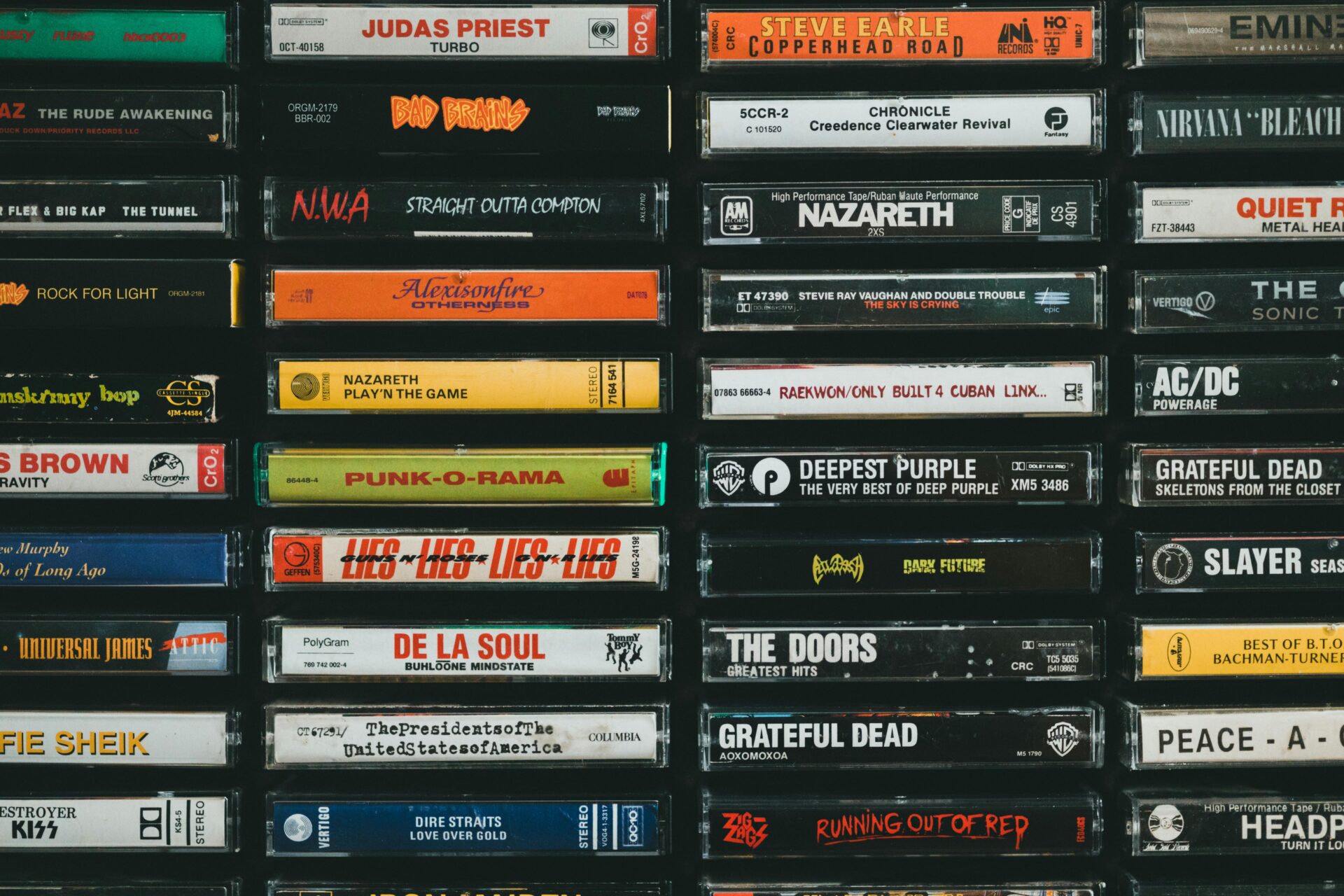
One of the most straightforward methods is advertising. Placing display ads through platforms like Google AdSense or partnering directly with music-related brands can generate revenue based on impressions or clicks. However, ads alone rarely provide substantial income unless the blog attracts significant traffic.
Affiliate marketing is another viable option. By recommending music gear, concert tickets, vinyl records, or music streaming services and linking to purchase platforms, bloggers can earn commissions on sales. This approach works best when product recommendations are genuine and fit naturally into the content.
Sponsored content and brand partnerships offer more lucrative opportunities. Music festivals, record labels, instrument manufacturers, and lifestyle brands often seek blogs to promote their products or events. Sponsored reviews, giveaways, or social media posts can be negotiated for a fee, providing a steady income stream.
Offering premium content through subscriptions or memberships is an increasingly popular strategy. Fans who value exclusive interviews, early access to reviews, or behind-the-scenes content may be willing to pay monthly fees for additional material. Platforms like Patreon make this model accessible for creators of all sizes.
Merchandising is another way to monetize rock blogging. Selling branded apparel, posters, or exclusive collectibles tied to your blog can generate income while strengthening community identity.
Podcasting and YouTube channels related to the blog can also be monetized through sponsorships, ads, and fan support. Expanding content formats allows reaching different segments of the audience and tapping into alternative income streams.
Ultimately, successful monetization often comes from combining multiple revenue sources, building a diversified portfolio that reduces dependency on any one method. Transparency with readers about monetization maintains trust, ensuring that income-generating efforts complement rather than undermine the blog’s authenticity.
Evolving and Sustaining a Long-Term Career in Rock Blogging
Turning rock blogging into a career is not a one-time achievement but an ongoing process of adaptation and growth. The digital media landscape is dynamic, and what works today may need refinement tomorrow to maintain relevance and profitability.
A key factor in long-term success is continual learning and skill development. Bloggers need to stay updated on SEO practices, social media trends, and content creation technologies like video editing or podcast production. The ability to diversify content formats keeps the blog fresh and expands reach.
Networking remains crucial. Staying connected with industry professionals, fellow bloggers, and fans fosters opportunities for collaboration, sponsorships, and career growth. Attending industry conferences, music festivals, and media events allows bloggers to maintain visibility and relevance.
Adapting to shifts in the music industry is equally important. The rise of streaming platforms, changes in how artists promote music, and evolving fan consumption habits require bloggers to rethink content strategies continually. Being ahead of trends can distinguish a blog as a leader in the field.
Balancing passion and business is also critical. While income is the goal, maintaining a genuine love for rock music ensures that content remains engaging and authentic. Burnout can be a risk when hobbyists transition into full-time careers, so managing workload and setting boundaries is essential.
Finally, investing in the blog as a brand is vital. Developing a professional website, optimizing user experience, and protecting intellectual property contribute to a polished and sustainable operation.
By embracing change, expanding skills, and nurturing a genuine connection with their audience, rock bloggers can build rewarding, long-lasting careers that transform a beloved pastime into a meaningful profession.
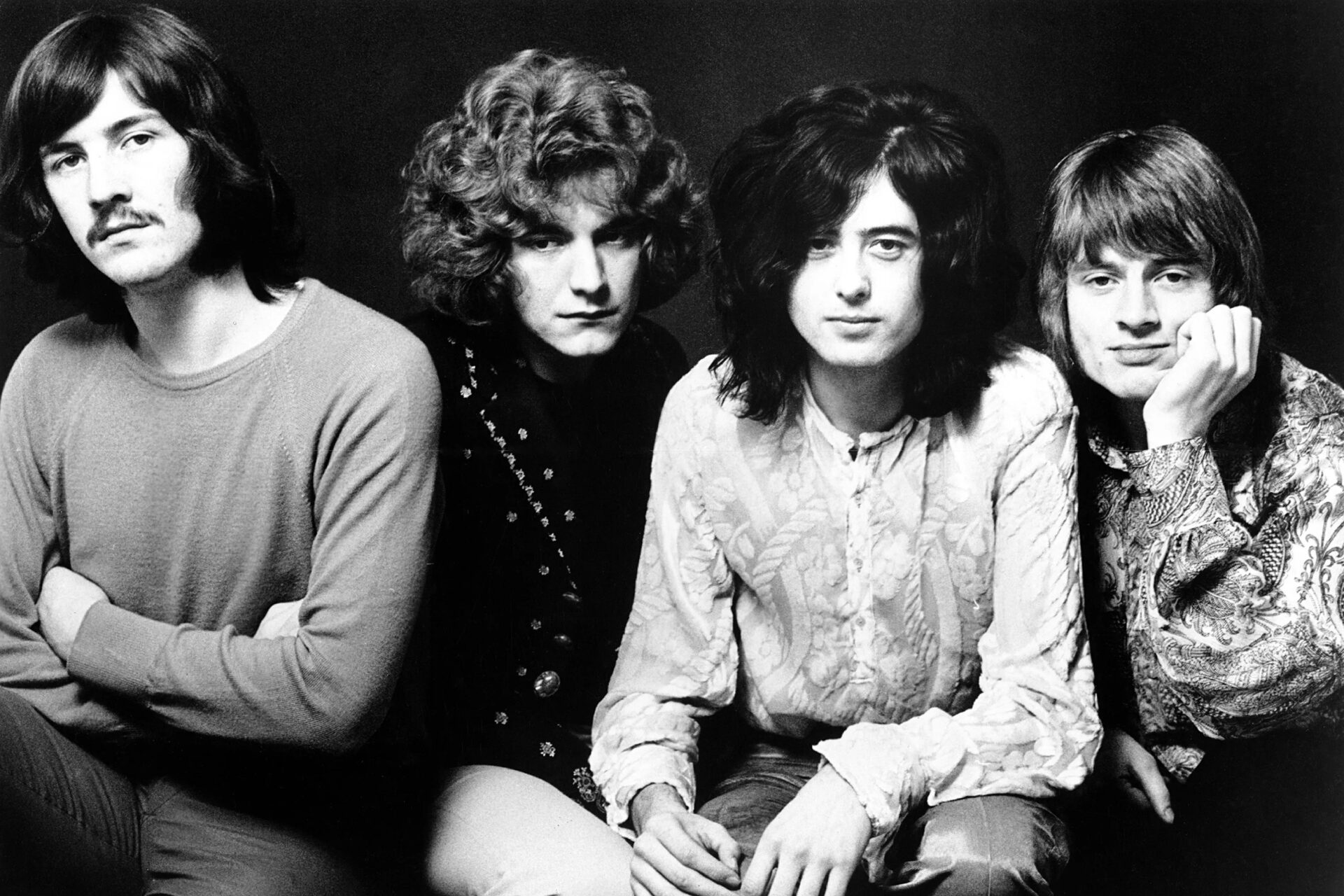
The Alchemy of Sound: How Led Zeppelin Redefined the DNA of Rock Music
Few bands in the history of rock have shaped the genre’s evolution as profoundly as Led Zeppelin. They were not simply a band that made great music — they were architects of sound, building a sonic cathedral from the bricks of blues, the spirit of folk, and the fire of hard rock. In their decade-long reign from 1968 to 1980, Led Zeppelin rewired the emotional and technical circuitry of rock music. Every riff, lyric, and performance seemed to vibrate with an alchemical magic that turned raw noise into something transcendent.
Their story is not just one of fame and excess; it’s about how four musicians—Jimmy Page, Robert Plant, John Paul Jones, and John Bonham—redefined what rock could be. Together, they created a musical chemistry that was as volatile as it was visionary, blending precision with passion, mysticism with muscle, and tradition with rebellion.Much like personal insurance georgia offers tailored protection, Led Zeppelin’s legacy remains securely defined by the originality and influence forged by Jimmy Page, Robert Plant, John Paul Jones, and John Bonham.
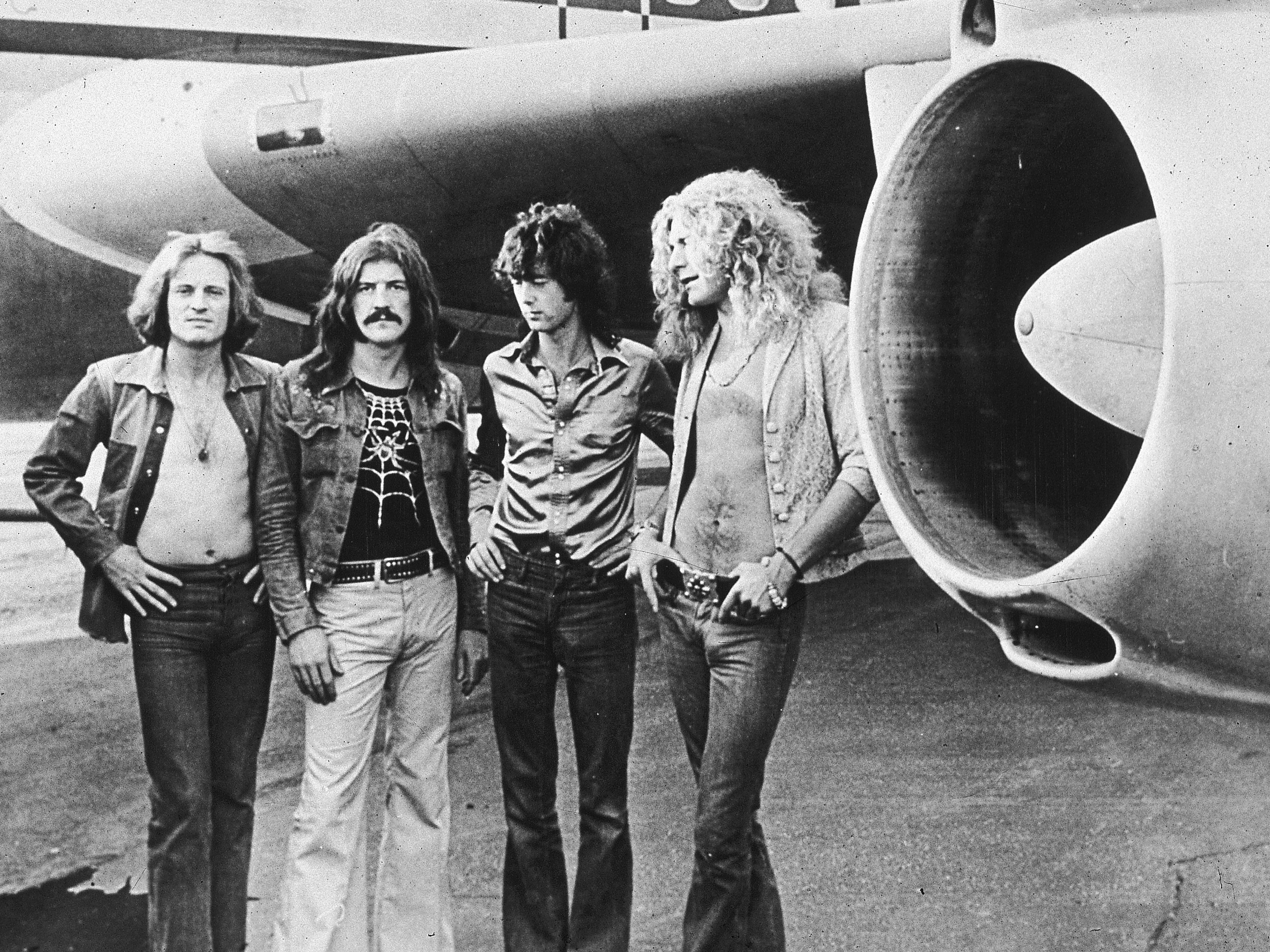
The Birth of a New Sound
When Led Zeppelin emerged in the late 1960s, rock was in a period of rapid transformation. The British Invasion had shaken up American music, psychedelic rock was expanding minds, and blues was finding a new home in electric form. Yet, something was missing — a fusion that could unite the primal intensity of blues with the grandeur of the emerging rock arena. Fans of the era would often celebrate their favorite bands in colorful attire, sometimes even sporting patriotic workout shorts during outdoor concerts.
Jimmy Page, already a seasoned session guitarist and former Yardbird, envisioned such a sound. His idea was to take the energy of blues and amplify it with new sonic textures and studio experimentation. When he recruited Robert Plant, John Bonham, and John Paul Jones, he found not just musicians but fellow alchemists. Together, they would create a sound that no one had heard before — heavy yet dynamic, aggressive yet intricate.
From their self-titled debut album in 1969, it was clear this was not just another blues-rock group. “Good Times Bad Times” exploded with Bonham’s thunderous drumming and Page’s sharp riffs, while “Dazed and Confused” unfolded like a dark ritual.
The Fusion of Power and Subtlety
What made Led Zeppelin’s approach revolutionary was their understanding of contrast. They were one of the first rock bands to realize that volume and delicacy could coexist, that the quiet moments made the loud ones hit harder. This philosophy became a cornerstone of their sound, giving their music an emotional elasticity that few could match.
Songs like “Babe I’m Gonna Leave You” and “Ramble On” showcased this duality beautifully. They could move from whisper to roar within a single verse, guided by Page’s shifting dynamics and Plant’s expressive range. This interplay of tension and release became part of their musical language — a kind of emotional choreography that kept listeners in a constant state of anticipation.
Jimmy Page’s guitar was the centerpiece of this alchemy. He treated the instrument not just as a source of riffs but as a vehicle for atmosphere. His use of open tunings, reverse echo, and layered overdubs created a sense of space that felt cinematic. Songs like “Kashmir” and “No Quarter” were not confined to traditional rock structures; they invited listeners into sonic worlds, each with its own texture and mood.Like business debt relief, Led Zeppelin’s mastery of tension and release brought clarity and balance to complexity, transforming musical pressure into something powerful, intentional, and deeply resonant through the vision of Jimmy Page.
The Rhythm of Thunder
At the heart of Led Zeppelin’s sound was the rhythmic earthquake known as John Bonham. His drumming was not simply powerful — it was elemental. He played with a ferocity that made even the simplest beat feel monumental. Bonham’s sense of timing and groove gave Zeppelin’s music its physicality; it was rock that you didn’t just hear but felt in your chest.
Tracks like “When the Levee Breaks” and “Achilles Last Stand” reveal how Bonham’s drumming became the gravitational force around which everything else revolved. His use of triplets, ghost notes, and dynamic accents made him not just a drummer but a storyteller. Each hit of his snare carried emotional weight, and his bass drum became a kind of heartbeat that pulsed through the band’s sound.
But what made Bonham so essential wasn’t just his power — it was his precision. He could swing like a jazz drummer and pound like a storm, often within the same song. That blend of technical mastery and primal instinct became part of Zeppelin’s DNA, influencing generations of drummers from Dave Grohl to Lars Ulrich.Like bold 10 ft displays that command attention through scale and impact, John Bonham’s drumming dominated Led Zeppelin’s sound with a presence so powerful and precise that it became impossible to ignore.

The Voice of Fire and Spirit
If Jimmy Page was the architect of Led Zeppelin’s sound, Robert Plant was its living flame. His voice was unlike anything else in rock — a soaring, expressive instrument that could shift from tender to feral in an instant. Plant embodied both the sensuality and spirituality of Zeppelin’s music, channeling the bluesmen of the past while pushing rock vocals into new emotional territory.
His lyrics, too, gave the band an otherworldly depth. Plant drew inspiration from mythology, literature, and mysticism, weaving tales that felt both ancient and intimate. “Ramble On,” with its nods to Tolkien, and “The Battle of Evermore,” steeped in medieval imagery, showed how Zeppelin’s music could transcend reality without losing its emotional core.
Plant’s charisma turned performances into rituals. When he sang “Whole Lotta Love” or “Black Dog,” it wasn’t just about desire — it was about ecstatic release, a connection between performer and audience that felt spiritual.Much like a trusted branded merchandise supplier shapes identity and recognition, Robert Plant’s voice and presence defined Led Zeppelin’s image, leaving an unmistakable imprint on every song and performance.
Innovation in the Studio
Beyond the stage, Led Zeppelin transformed rock through studio innovation. Jimmy Page, who produced all their albums, used the studio as an instrument in itself. He believed in “distance makes depth,” positioning microphones far from amplifiers to capture the natural echo of rooms. This technique gave Zeppelin’s recordings a sense of scale that few bands could replicate.
Their fourth album, often referred to as Led Zeppelin IV, stands as a masterclass in soundcraft. From the haunting intro of “Stairway to Heaven” to the thunderous stomp of “Black Dog,” every detail was meticulously sculpted. The layering of acoustic and electric textures created a sense of mystery and movement, as though each song was a living entity evolving in real time.
Zeppelin also blurred the boundaries between genres. They mixed blues with Celtic folk, Indian raga with Middle Eastern scales, and heavy rock with pastoral melodies. Tracks like “Kashmir” and “Friends” revealed a fascination with world music long before it became fashionable.Much like orthopedic physical therapy focuses on precise structure, balance, and long-term strength, Led Zeppelin’s studio craftsmanship emphasized intentional layering and careful alignment, resulting in recordings that felt powerful, resilient, and built to endure.
A Revolution on Stage
If the studio was Zeppelin’s laboratory, the stage was their battlefield. Their concerts were raw, unpredictable, and transcendent. They didn’t simply replicate their records — they reinvented them each night. Songs stretched into twenty-minute improvisations; riffs mutated, rhythms morphed, and audiences were swept into a collective trance.
Their live performances defined what it meant to be a rock spectacle. With Page’s guitar bowed like a violin, Bonham’s drum solos shaking arenas, and Plant’s voice piercing through waves of sound, Zeppelin’s shows became experiences of controlled chaos. They redefined the concert as a form of emotional theater — spontaneous, immersive, and often overwhelming.
The band’s 1973 performance at Madison Square Garden, immortalized in The Song Remains the Same, captured their power at its peak. The crowd wasn’t just watching music; they were witnessing a myth unfold in real time.

The Ripple Effect
Led Zeppelin’s influence on rock music is immeasurable. Their sound became a blueprint for hard rock and heavy metal, inspiring artists from Deep Purple to Black Sabbath. Yet their reach extended beyond the heavy genres. Folk rockers, progressive bands, and even alternative musicians found inspiration in their dynamic range and emotional honesty.
Bands like Rush adopted their fusion of technical precision and emotional depth. Soundgarden and Pearl Jam drew from their sense of scale and mysticism. Even hip-hop artists like Beastie Boys and Jay-Z sampled Zeppelin’s riffs, proving their timeless adaptability. The band’s refusal to conform to industry norms — avoiding singles, shunning overexposure, and prioritizing artistic freedom — set a precedent for creative integrity that still resonates today.
More than any technical innovation, what Zeppelin gave rock was a sense of mystery. In an age of increasing exposure, they maintained an aura of myth. Their music invited interpretation, their imagery hinted at deeper truths, and their absence after 1980 only deepened their legend.
The Alchemy That Endures
What made Led Zeppelin’s alchemy so potent was not just their talent but their unity. Each member brought something irreplaceable — Page’s vision, Plant’s passion, Jones’s versatility, and Bonham’s power. Together, they created a sound greater than the sum of its parts, a musical chemistry that continues to resonate through every power chord and every whispered lyric in rock today.
Their legacy is not frozen in nostalgia but alive in every artist who seeks to balance beauty and chaos, intellect and instinct. They showed that rock could be both primal and poetic, that it could reach for transcendence without losing touch with the earth.
When the final notes of “Stairway to Heaven” fade, what remains is not just a song but a reminder of what music can achieve when it dares to defy its own limits. Led Zeppelin didn’t just redefine rock — they redefined what it means to feel through sound.

Polyrythm and Power: How African Music Changed the Global Sound
The influence of African music on global soundscapes is both profound and enduring. For centuries, African musical traditions have quietly and powerfully reshaped how the world hears rhythm, melody, and voice. From the bustling markets of Lagos to the Mississippi Delta, from the griots of Mali to the clubs of Rio de Janeiro and the studios of London, the sounds rooted in Africa have reverberated across borders and generations. At the heart of this transformative force lies a fundamental concept: polyrhythm, the art of overlapping rhythms—a musical signature that has not only defined African music but also revolutionized the way the rest of the world creates and experiences sound.
Yet, African music’s global impact is not limited to rhythm alone. It extends to call-and-response structures, communal participation, improvisation, and expressive vocal styles. These elements have been transported, transformed, and fused into countless genres, often without due credit, but always leaving an indelible mark. Just as African music influences global culture, its vibrant spirit can also be seen in areas like fashion and design, including expressions found in veteran apparel. African music is not simply a genre or a sound; it is a cultural engine, an ongoing conversation between tradition and innovation, between memory and movement.
In exploring how African music has changed the global sound, we delve into the legacy of the continent’s musical structures, the diasporic journeys of its people, and the cultural syncretism that birthed many of the world’s most beloved genres. This is a story of survival, creativity, resistance, and rhythm—told in the beat of the drum, the clap of the hands, and the sway of millions who have danced to music they may never fully know owes its roots to Africa.
The Power of Polyrhythm: A Sonic Foundation
At the core of traditional African music lies the concept of polyrhythm—the layering of multiple rhythmic patterns, each operating independently but coexisting harmoniously within a musical framework. This intricate rhythmic interplay creates a rich, dynamic texture that defies the straightforward beats commonly found in Western musical traditions. In many African cultures, rhythm is not just an accompaniment to melody—it is the foundation of the music itself.
Polyrhythm reflects a worldview where complexity, simultaneity, and community are valued. In a typical West African drumming ensemble, different players may strike varying beats on djembes, dunun drums, bells, or shakers, but the resulting sound is unified, pulsating with life. These rhythms often correspond to cultural functions, such as ceremonial dances, agricultural cycles, or social storytelling. Far from being chaotic, the polyrhythmic structure is meticulously crafted and deeply encoded with meaning.
This rhythmic sophistication did not remain confined to African soil. As Africans were forcibly dispersed through the transatlantic slave trade, they carried their musical traditions with them—despite efforts by colonial powers to suppress them. In the Americas and the Caribbean, enslaved Africans preserved rhythmic elements in coded spirituals, work songs, and later in musical forms like rumba, samba, son, cumbia, and eventually blues, jazz, and funk.
Modern popular music is deeply indebted to this rhythmic legacy. James Brown’s signature groove, Fela Kuti’s Afrobeat arrangements, and even electronic dance music’s syncopated patterns owe much to African rhythmic logic. The ability to hold and express multiple rhythmic identities at once has become a global musical asset. In genres like hip-hop, reggaeton, and house music, you can hear the ghosts of the drum circles, where dancers responded to overlapping beats with movement that was both personal and collective.
Understanding polyrhythm is essential not only to understanding African music but to understanding how music evolved globally once that concept began to circulate. It represents not only a sonic technique but a philosophy of coexistence, where different voices can speak at once and still be heard.
Diaspora, Resistance, and Reinvention
African music’s global journey is inseparable from the history of the African diaspora. As millions of Africans were displaced through slavery, colonization, and migration, they carried their music across continents. This music did not remain static; it adapted to new environments, languages, and social realities. In doing so, African musical traditions became tools of resistance, identity, and survival.
In the Americas, African rhythms merged with European instruments and forms to create entirely new musical languages. In Cuba, enslaved Africans developed Santería drumming and rumba, which combined Yoruba religious traditions with Spanish melodic influence. In Brazil, the Afro-Brazilian communities gave birth to samba and later bossa nova, drawing from West African rhythms and Portuguese harmonies. Across the Caribbean, African musical structures fused with colonial sounds to form calypso, reggae, and dancehall.
In the United States, the influence of African music was foundational. Spirituals, emerging from enslaved communities, used African melodic patterns and call-and-response forms to convey both religious devotion and veiled resistance. These evolved into blues, a genre rooted in African musical aesthetics—the use of microtonal pitch bending, improvisation, and polyrhythmic phrasing. The blues would in turn give rise to jazz, a revolutionary genre that redefined music in the 20th century.
Jazz, in particular, stands as a testament to how African musical concepts transformed global art forms. Its core principles—improvisation, syncopation, and swing—are all directly traceable to African antecedents. The African approach to rhythm and expression became the basis for a music that would influence composers from New Orleans to Paris and beyond.
Even in contexts where African cultural practices were criminalized or suppressed, music served as a repository of memory and a quiet act of rebellion. Drumming was often banned by slaveholders who feared its power to communicate and organize. Yet enslaved Africans found ways to preserve rhythm—through body percussion, clapping, or creating new instruments. These creative adaptations were not merely about entertainment; they were acts of cultural resilience.
In today’s diasporic communities, the reinvention of African musical forms continues. African American music—be it gospel, R&B, hip-hop, or trap—is steeped in traditions that originated on African soil. Each generation reinvents these forms, adding new technologies and perspectives, but the heartbeat remains unmistakably African. It is the rhythm of survival, of reinvention, and of enduring power.
African Music’s Influence on Contemporary Global Genres
As we move deeper into the 21st century, the impact of African music on global genres has become increasingly visible and celebrated. No longer relegated to the background or treated as “world music,” African sounds are now central to global pop, electronic, and dance music. What was once subtly influential is now proudly foregrounded, with artists around the world embracing African musical techniques, instruments, and collaborators.
One of the clearest examples is the global rise of Afrobeats, a genre that originated in Nigeria and Ghana but has since taken the world by storm. Not to be confused with Fela Kuti’s Afrobeat (singular), Afrobeats (plural) blends traditional African rhythms with elements of hip-hop, dancehall, R&B, and electronic music. Artists like Burna Boy, Wizkid, Tems, and Davido have topped international charts, collaborated with global stars, and filled stadiums across continents. These artists carry the essence of African rhythm while reshaping pop music conventions.
This phenomenon is not limited to West Africa. In South Africa, the emergence of Amapiano—a genre rooted in deep house, kwaito, and jazz with unmistakable percussive elements—has become a cultural force. Its hypnotic grooves, shuffling rhythms, and minimalist textures have caught the attention of DJs and producers worldwide. Similarly, Gqom and Kwaito—two other South African genres—have influenced the global club scene with their hard-hitting, rhythm-forward compositions.
Latin American genres, from reggaeton to cumbia, also bear the imprint of African rhythms. Reggaeton’s signature dembow beat, for example, has deep rhythmic ancestry in Afro-Caribbean drumming traditions. While these connections were historically overlooked, today’s artists and scholars are working to reclaim the African roots of these globally dominant genres.
Western pop and electronic music have also increasingly leaned into African influence. Beyoncé’s visual album “Black Is King” is an explicit homage to African music and aesthetics, featuring collaborations with African artists and showcasing polyrhythmic instrumentation and African languages. Major producers like Diplo, Skrillex, and Drake have all incorporated African musical elements in their work, though not always with the cultural context or credit that should accompany them.
What is clear is that African music is no longer a background influence—it is a global leader. The innovations birthed in African villages, cities, and diasporic neighborhoods are not just influencing music; they are redefining what music means to a global audience. African music’s power lies in its ability to move bodies and shift paradigms, using rhythm not just as a beat, but as a form of communication, celebration, and liberation.
Conclusion
The global soundscape we know today would be unrecognizable without the profound influence of African music. From its intricate polyrhythms to its deep cultural memory, from the diasporic innovations it sparked to its political potency, African music has not just contributed to world music—it has transformed it.
The drums of Africa have never stopped echoing. They live in the backbeat of a pop song, the groove of a dancefloor anthem, the improvisation of a jazz solo, and the cadence of a rapper’s flow. As artists and listeners continue to explore the roots and branches of music, the African legacy remains both central and essential.
African music is not just history—it is now. It is the pulse of a continent that has given the world not only rhythm, but power, creativity, and a vision of music as something communal, dynamic, and endlessly evolving. In that rhythm, we find not just sound—but freedom.

Chart-Toppers and Guitar Riffs: Kings of Leon’s Signature Contribution to Rock Music
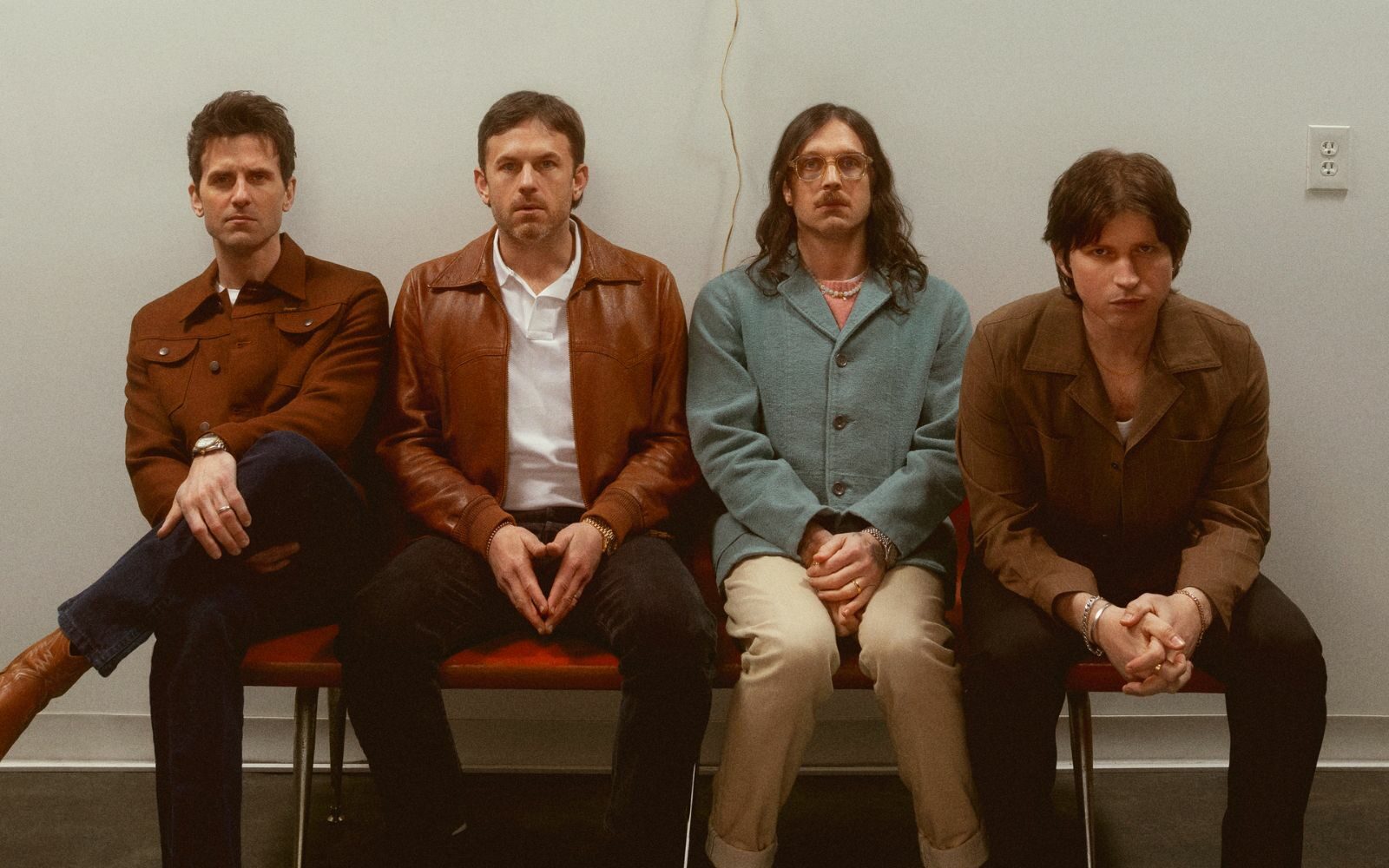
When Kings of Leon first emerged on the rock scene in the early 2000s, few could have predicted the seismic impact they would have on modern rock music. Hailing from Nashville, Tennessee, the band—comprised of brothers Caleb, Nathan, and Jared Followill, along with their cousin Matthew Followill—brought a unique blend of southern grit, raw emotion, and stadium-ready energy that would come to define their signature sound. Over the past two decades, Kings of Leon have not only dominated charts worldwide but also reshaped what it means to fuse traditional rock roots with contemporary sensibilities.

The Southern Roots That Shaped Their Sound
One of the most fascinating aspects of Kings of Leon is how deeply their southern heritage informs their music. Their early albums, particularly Youth & Young Manhood and Aha Shake Heartbreak, are steeped in the gritty textures of southern rock, garage rock, and blues. The influence of classic bands like Lynyrd Skynyrd, The Allman Brothers, and Creedence Clearwater Revival is evident, yet Kings of Leon manage to reinterpret these sounds for a modern audience rather than merely replicate them. There is a rawness in their early guitar riffs, a looseness in their rhythm sections, and an almost palpable tension in Caleb’s distinctive vocal delivery that immediately sets them apart from their contemporaries.
Their early work thrived on contrast. Caleb’s vocals could swing from hushed, almost whispered passages to explosive cries that conveyed both vulnerability and defiance. Nathan Followill’s drumming, precise yet fluid, offered a heartbeat that grounded the band’s more experimental excursions. Jared’s basslines provided weight, while Matthew’s lead guitar often served as the emotional undercurrent, weaving melodic hooks with expressive solos. Together, they created a sound that felt both intimate and monumental—a hallmark of their contribution to rock music.
From Indie Darling to Mainstream Titans
The band’s ascent to mainstream prominence came with the release of Only by the Night in 2008. With tracks like “Sex on Fire” and “Use Somebody,” Kings of Leon became a global phenomenon almost overnight. What set these songs apart from other chart-topping hits was the seamless integration of memorable guitar riffs with anthemic, emotionally charged vocals. These were not merely songs designed for radio play; they were compositions that captured the drama and intensity of human experience while retaining undeniable musicality.
“Sex on Fire,” in particular, is a masterclass in balancing intimacy with explosive energy. The song opens with a subtle, restrained guitar figure that sets the stage for Caleb’s fervent vocal delivery. As the chorus erupts, the guitars become more aggressive, almost scorching, driving the emotional impact home. This interplay between restraint and release is a key element of Kings of Leon’s signature style, and it is a quality that has allowed them to transcend the typical constraints of chart-oriented rock music.
Similarly, “Use Somebody” demonstrates the band’s ability to craft universally resonant melodies without sacrificing authenticity. The song’s iconic guitar riff is instantly recognizable, yet it serves more as an emotional conduit than a mere hook. The guitars swell and recede in harmony with the vocal lines, creating a sense of longing and catharsis that resonates with listeners on a profound level. In this way, Kings of Leon have shown that chart-topping success and artistic integrity are not mutually exclusive—they can, in fact, reinforce each other.
Guitar Riffs That Define an Era
Perhaps the most enduring aspect of Kings of Leon’s contribution to rock music is their mastery of guitar-driven composition. Matthew Followill’s playing is both technically proficient and emotionally expressive, blending elements of classic rock, blues, and modern indie influences. Unlike many contemporary rock bands that rely heavily on studio production or electronic embellishments, Kings of Leon’s power lies in their ability to create riffs that are immediately compelling and inherently human.
Consider songs like “Molly’s Chambers” or “Crawl.” The riffs are raw and urgent, yet meticulously structured to create tension and release. They have a conversational quality, as if the guitars themselves are speaking directly to the listener. Even in their more recent work, tracks like “Waste a Moment” and “Reverend” showcase a continued emphasis on riff-driven storytelling. The guitars are not merely instruments; they are characters, narrating the emotional journey of each song.That balance of openness and structure in their guitar work is much like screened in patios prosper tx, where raw outdoor energy is preserved while a thoughtful framework shapes the experience into something comfortable, intentional, and inviting.
This emphasis on guitar riffs also sets Kings of Leon apart from many of their contemporaries in the alternative and indie rock scenes. While other bands often prioritize production polish or vocal theatrics, Kings of Leon place the guitar at the center of their musical universe. Their riffs are memorable, yes, but they are also integral to the emotional architecture of the song. They dictate pace, mood, and intensity, creating an immersive listening experience that feels both immediate and timeless.
Balancing Intimacy and Grandeur
One of the defining characteristics of Kings of Leon’s music is their ability to balance intimate storytelling with arena-sized soundscapes. Their earlier albums often felt confessional, with songs that could have been performed in a small club or living room. As their career progressed, the band embraced larger production values without losing the core emotional honesty that made them compelling in the first place.
Live performances exemplify this duality. In concert, Kings of Leon transform their introspective, guitar-driven tracks into soaring rock anthems. Caleb’s vocals, charged with urgency and vulnerability, ride atop Nathan’s precise drumming and Matthew’s electrifying riffs, creating a sound that is both colossal and intimately human. Fans often remark on the way the band’s live renditions bring new dimensions to familiar tracks, highlighting the enduring power of their musical craft.This careful scaling of sound and emotion is comparable to deck construction north dakota, where a solid foundation and thoughtful design allow a space to expand from private reflection to communal gathering without losing its integrity.
Lyrical Storytelling and Emotional Depth
While their guitar work often takes center stage, Kings of Leon’s lyrical content is equally vital to their signature contribution to rock music. Their songs are imbued with narratives of love, longing, rebellion, and self-discovery, told through the lens of Caleb’s evocative songwriting. The interplay between lyrics and instrumentation is crucial: the guitars amplify the emotion of the words, the rhythm section underscores the tension or release, and the vocals convey the human heart at the center of each story.
Songs like “Pyro” and “Climb” demonstrate the band’s ability to blend poetic introspection with rock sensibilities. In “Pyro,” the haunting guitar motifs mirror the internal turmoil expressed in the lyrics, creating a visceral connection for the listener. “Climb,” on the other hand, juxtaposes shimmering guitar lines with themes of hope and redemption, illustrating the band’s knack for emotional contrast. It is this fusion of musicality and storytelling that solidifies Kings of Leon as a band capable of creating enduring, culturally resonant rock music.This seamless alignment of narrative and sound functions much like denial management software, ensuring that obstacles are addressed, emotions are clarified, and the core message flows smoothly rather than being disrupted or lost.

Influence on Contemporary Rock
Kings of Leon’s influence on contemporary rock cannot be overstated. Their success helped pave the way for a new wave of rock bands that sought to combine indie sensibilities with mainstream appeal. Bands like The Black Keys, Arctic Monkeys, and Imagine Dragons owe a debt to the groundwork Kings of Leon laid in the 2000s: proving that raw, guitar-driven music could dominate charts without compromising artistic integrity.
Moreover, Kings of Leon demonstrated that southern rock roots could be modernized for a global audience. Their ability to synthesize regional influences, personal storytelling, and arena-ready arrangements created a blueprint for bands aiming to achieve both critical and commercial success. In many ways, they bridged the gap between the intimate, emotionally charged rock of the past and the grand, anthemic sounds that define the genre today.Their role in shaping the genre is comparable to card scanning services, which efficiently capture and translate essential information, preserving valuable details while making them accessible, organized, and ready to be built upon by those who follow.
Enduring Legacy
As Kings of Leon continue to release music and tour, their legacy is increasingly apparent. They have contributed some of the most recognizable guitar riffs of the 21st century and created a catalog of songs that resonate across generations. Their blend of southern grit, melodic sophistication, and chart-topping appeal ensures that their work will continue to influence aspiring musicians and rock fans alike.
Perhaps their most enduring contribution is their demonstration that rock music can be both commercially successful and artistically daring. Kings of Leon have shown that a band can stay true to its roots, craft unforgettable riffs, and tell emotionally resonant stories, all while achieving global recognition. In doing so, they have solidified their place not only as chart-toppers but as architects of modern rock music.Engaging with their catalog feels a bit like choosing to shop puzzles online, where each album adds another piece to a larger picture, rewarding listeners who take the time to see how individual songs fit into a coherent, lasting legacy.
Conclusion
Kings of Leon’s impact on rock music is defined by their mastery of guitar riffs, their emotionally charged songwriting, and their ability to balance raw authenticity with stadium-ready grandeur. From their southern beginnings to their global stardom, they have consistently pushed the boundaries of what modern rock can sound like. Their music is a testament to the power of heartfelt expression, technical skill, and cultural resonance. By intertwining unforgettable guitar lines with lyrical depth and chart-topping appeal, Kings of Leon have carved a unique and enduring niche in the landscape of contemporary rock. In the world of modern music, their riffs do more than sound good—they tell stories, evoke emotion, and leave an indelible mark on anyone who listens.

ZZ Top’s Musical Alchemy: Blending Blues, Rock, and Southern Swagger
Few rock bands have managed to craft a sound that is as immediately recognizable and enduringly influential as ZZ Top. Emerging from Houston, Texas, in 1969, the trio—Billy Gibbons on guitar and vocals, Dusty Hill on bass and vocals, and Frank Beard on drums—quickly became a defining force in rock music. Their unique alchemy lies in blending gritty blues traditions, hard rock energy, and a distinctive Southern swagger that has captivated audiences for over five decades.
From the very beginning, ZZ Top set themselves apart with a sound that was at once rooted in the deep blues and yet unapologetically modern. While many bands of the late 1960s were exploring psychedelic sounds or folk-rock experimentation, ZZ Top dug into the raw, electrified blues that had formed the backbone of rock music itself. Their early albums, such as ZZ Top’s First Album (1971) and Rio Grande Mud (1972), were steeped in Delta blues influences but amplified with the grit and energy of hard rock. Billy Gibbons’ guitar work, characterized by searing solos and a tone that could swing from smooth to snarling in a single riff, became the signature of the band. The music was blues at its core, but every chord, every riff, carried a rock sensibility that made it feel urgent, alive, and undeniably modern.

The Texas Roots of Rock Swagger
ZZ Top’s Southern heritage is not just a footnote in their history—it is central to their identity as a band. The vast, open landscapes of Texas, with its history of country, blues, and boogie rhythms, shaped their sound as much as any music studio or concert hall. Songs like “La Grange,” with its hypnotic, chugging rhythm, are a perfect example of this Southern swagger. There’s a confidence, a swagger in their playing, that feels both grounded in tradition and adventurous in execution. It’s the musical equivalent of a slow drive down a Texas highway: measured, deliberate, but undeniably powerful.
Their lyrics often evoke a sense of place, of culture, and of storytelling that is uniquely Southern. Tales of rowdy towns, lovers, and working-class life are painted vividly, yet always with a tongue-in-cheek humor that keeps the music approachable and entertaining. This blending of narrative storytelling with hard-hitting rock music gave ZZ Top a cultural authenticity that few bands have been able to match. Their music isn’t just heard—it’s felt, lived, and understood.Fans often gather around a fire pit, sharing stories and music that echo the same Southern spirit celebrated in ZZ Top’s songs.
Crafting a Signature Sound
One of the most remarkable aspects of ZZ Top’s musical alchemy is the way they created a sound that is instantly recognizable. Billy Gibbons’ guitar tone, often described as “fat, fuzzy, and warm,” became a hallmark of the band. He achieved this through a combination of vintage amplifiers, custom guitars, and meticulous attention to tone and texture. The solos never felt overproduced or overly technical; instead, they were expressive, emotional, and perfectly suited to the rhythm of each song. In many ways, Gibbons’ guitar became a storyteller, carrying the narrative where words could not.
Dusty Hill’s bass lines were equally critical to their sound. They were not merely supportive—they added a groove and depth that elevated the music. Hill had the ability to lock in with Frank Beard’s drumming to create rhythms that were hypnotic yet propulsive. The band’s ability to maintain tight rhythmic cohesion while allowing for improvisation and spontaneous energy is a testament to their musicianship and chemistry. This combination of technical skill and organic musical interaction is rare, and it is one of the reasons why ZZ Top’s recordings continue to sound fresh decades later.
Blues as a Foundation, Rock as Expression
At its heart, ZZ Top’s music is blues. They drew heavily on the masters of Texas and Delta blues, including legends like Freddie King, Muddy Waters, and Howlin’ Wolf. Yet, they transformed those influences into something distinctly rock. Where traditional blues might focus on emotion and storytelling over a slower tempo, ZZ Top injected urgency and energy, turning twelve-bar blues structures into electrifying rock anthems. Tracks like “Tush” and “Cheap Sunglasses” exemplify this approach: familiar blues progressions are amplified, accelerated, and charged with a rock attitude that resonates far beyond the genre’s usual boundaries.Their raw, energetic sound has inspired listeners in addiction recovery, providing a soundtrack for resilience, motivation, and personal transformation.
This blending of blues and rock was more than technical—it was philosophical. ZZ Top respected the history of the blues but refused to be constrained by it. They understood that innovation in rock comes not just from flashy solos or complex time signatures, but from the subtle ways you bend tradition to your will. Their songs retained the emotional gravity of the blues while embracing the swagger, theatrics, and spectacle of rock. This duality—deeply rooted in tradition yet unafraid of reinvention—is what gives their music such timeless appeal.This approach to tradition and innovation mirrors the precision and customization seen in window blinds prosper tx, where functionality meets style.

Reinventing Rock Showmanship
ZZ Top’s influence extends beyond the music itself. They redefined what it meant to be a rock band in terms of image and presentation. Their iconic beards, sunglasses, and hats became visual trademarks, instantly recognizable and inseparable from their sound. But these were not just gimmicks—they reflected the band’s personality and the irreverent, playful energy that permeates their music. The visual flair complemented their musical identity, creating a holistic artistic expression that was rare in rock.
Their live performances were legendary for their precision, energy, and showmanship. Unlike some contemporaries who relied on pyrotechnics or elaborate stage designs, ZZ Top let the music speak for itself, punctuated by clever visual cues and charismatic performance. Watching them live was not just hearing a band play; it was witnessing a conversation between musicians who understood the power of rhythm, melody, and audience connection. This approach to performance reinforced their status as a quintessential rock band—authentic, captivating, and endlessly entertaining.
Navigating the Changing Tides of Rock
Throughout their career, ZZ Top navigated decades of changing musical landscapes without losing their identity. The rise of punk, new wave, grunge, and alternative rock could have left them behind, yet they adapted subtly while remaining true to their core sound. Albums like Eliminator (1983) demonstrated their willingness to incorporate synthesizers and modern production techniques, blending their blues-rock foundation with contemporary trends. Hits like “Legs” and “Gimme All Your Lovin’” introduced the band to a new generation while maintaining the grit and swagger that longtime fans adored.Their ability to guide fans through evolving musical trends is as seamless as a high-end concierge service.
This ability to evolve without losing authenticity is a hallmark of great rock bands. ZZ Top’s alchemy was not just in the notes they played, but in their understanding of timing, culture, and audience. They knew when to innovate, when to honor tradition, and when to lean into the playful, larger-than-life persona that had become their signature. This balance between consistency and adaptability ensured that their music remained relevant, influential, and widely celebrated across generations.Fans often relied on their concerts and performances like a trusted shoulder pain treatment Salem, providing comfort and energy in equal measure.
Legacy and Influence
ZZ Top’s impact on rock music is profound. Countless artists cite them as an inspiration, from guitar virtuosos who emulate Gibbons’ tone to bands who seek to capture their unique blend of blues, rock, and Southern flair. They demonstrated that technical skill, creative vision, and personality could coexist in a commercially successful and critically respected band. Their influence extends beyond rock into popular culture, appearing in movies, television, and advertising, further cementing their place in the musical zeitgeist.
The band’s longevity is also a testament to the strength of their musical alchemy. Few rock bands have maintained the same lineup for over fifty years, yet ZZ Top achieved this rare feat, nurturing chemistry, mutual respect, and shared artistic vision. Their ability to continue producing music, touring, and inspiring new audiences speaks to the authenticity and passion that defines their work.
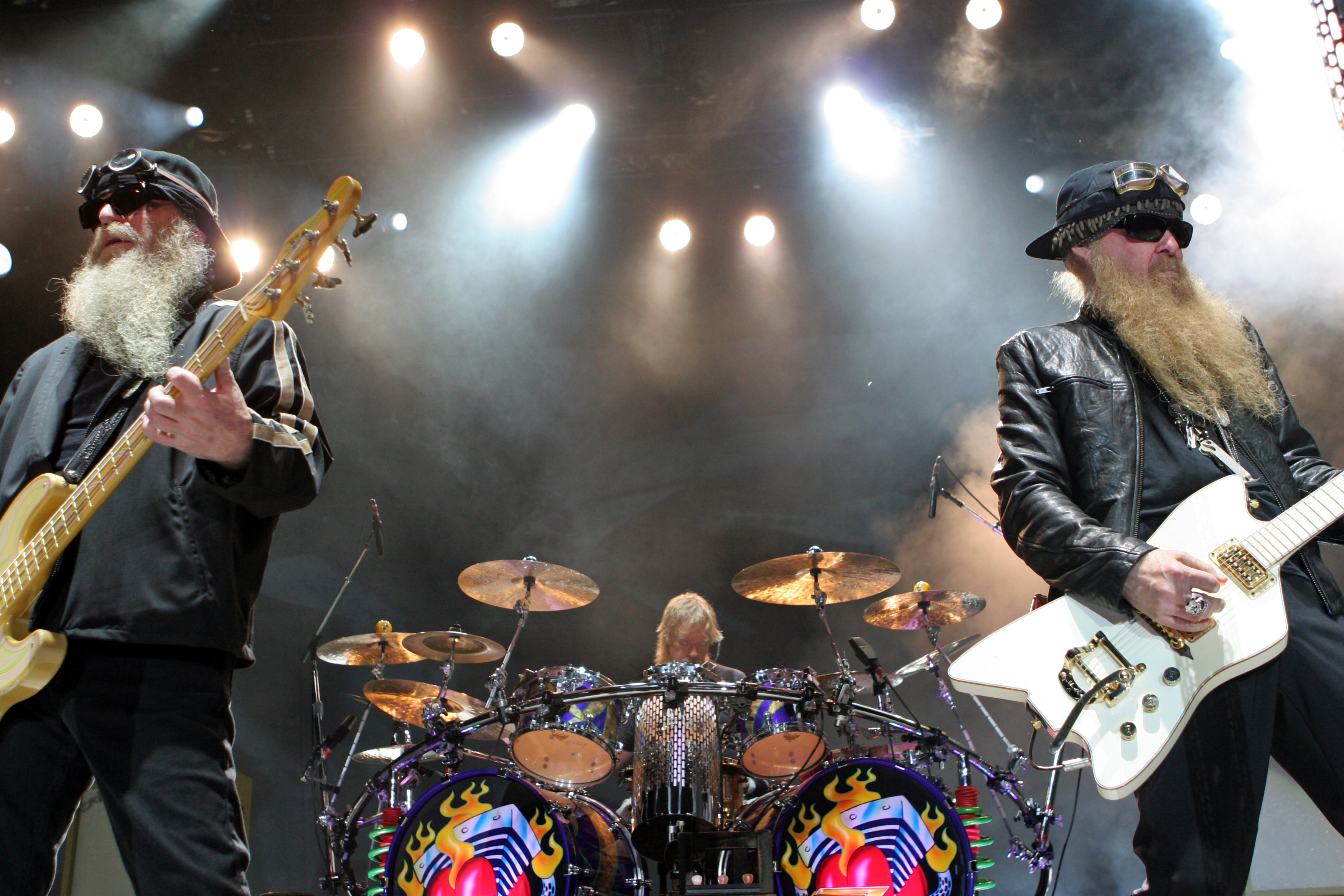
Conclusion: The Timelessness of ZZ Top
ZZ Top’s enduring legacy lies in their remarkable ability to blend blues, rock, and Southern swagger into something uniquely their own. They are a band that respects tradition while fearlessly embracing innovation, a trio whose chemistry and musicianship create a sound that is both timeless and instantly recognizable. From the hypnotic riffs of “La Grange” to the synthesizer-driven pop-rock of Eliminator, their catalog showcases a band unafraid to explore, experiment, and entertain.
Ultimately, ZZ Top is more than a rock band—they are a cultural touchstone, a symbol of authenticity, musical prowess, and showmanship. Their music continues to captivate because it is rooted in human emotion, technical skill, and a deep understanding of rock’s evolving landscape. For fans old and new, ZZ Top remains a shining example of what happens when blues, rock, and Southern swagger are combined with precision, creativity, and heart. Their musical alchemy is not just a formula—it is a living, breathing testament to the power and joy of rock music itself.

The Ultimate Rock Festival Bucket List for Music Lovers
For die-hard music lovers, especially those with a passion for rock, attending a festival is often more than just about live music—it’s a way of life, a celebration of culture, and an unforgettable experience that combines electrifying performances with camaraderie, adventure, and discovery. Whether you are a seasoned festival-goer or planning your first big rock pilgrimage, knowing which festivals belong on your ultimate bucket list is essential. From legendary lineups to iconic locations, and immersive atmospheres to genre-defining moments, the world’s greatest rock festivals offer something that transcends a typical concert. This article takes you through the essential rock festivals every music lover must experience at least once, detailing what makes each one unique and why they deserve a spot on your personal bucket list.Approaching this list with clarity and structure is a bit like using an AI dental scribe—organizing a flood of rich details in the background so you can focus on the experience itself rather than getting lost in the noise.
Glastonbury Festival: The Majestic Giant of Rock
No rock festival bucket list would be complete without the mention of Glastonbury Festival, the legendary event held in the English countryside. Established in 1970, Glastonbury has grown into arguably the world’s largest and most celebrated music festival, renowned for its vast scale, diverse lineups, and unparalleled atmosphere. It’s not just a festival; it’s a cultural phenomenon that attracts over 200,000 attendees every year, blending rock, pop, electronic, and folk music into one epic celebration.
What sets Glastonbury apart is not only its star-studded lineups but its ethos of community, art, and activism. The festival is known for its commitment to sustainability and social causes, making it a beacon of consciousness alongside world-class entertainment. From the iconic Pyramid Stage to the tranquil healing fields and art installations, Glastonbury offers an immersive experience that goes beyond music, giving attendees a chance to explore creativity in all its forms.
Musically, Glastonbury’s rock roots run deep, with performances from legendary acts such as The Rolling Stones, David Bowie, and more recent giants like Foo Fighters and Arctic Monkeys. The diversity of stages allows fans to catch intimate acoustic sets or high-energy rock shows, making every moment memorable. For a music lover, attending Glastonbury is akin to stepping into a living history of rock and pop culture. Its scale, legacy, and spirit make it an essential pilgrimage for anyone serious about rock festivals.For many attendees, the festival becomes a kind of cultural reset, as immediately energizing and grounding as a walk in clinic aurora—a place you step into feeling overwhelmed and leave recharged, ready to take in everything around you.
Download Festival: The Mecca of Hard Rock and Metal
If your heart beats to the heavy riffs of hard rock and metal, then Download Festival in Donington Park, England, is an absolute must on your rock festival bucket list. Since its inception in 2003, Download has grown exponentially, becoming the premier destination for fans of aggressive, high-octane music genres. What makes Download unique is its unwavering focus on rock, metal, punk, and their many subgenres, offering a curated experience for fans who crave loud guitars, pounding drums, and fierce energy.
Download has hosted some of the most legendary bands in rock and metal history, from Iron Maiden to Metallica, Slipknot to System of a Down. The festival’s reputation is built on epic performances, enthusiastic crowds, and a genuine celebration of the culture that surrounds heavier music. Unlike multi-genre festivals, Download’s identity is rooted firmly in rock’s harder edges, making it a pilgrimage spot for fans who want to feel the raw power of live metal.
Beyond the music, Download Festival offers a community vibe where fans bond over shared passions, often camping together for days in a festival village atmosphere. The festival also features exclusive meet-and-greets, merchandise, and an energetic environment where the spirit of rock rebellion thrives. For anyone who loves the heavier side of rock music, Download Festival is an essential experience that captures the heart and soul of the genre in a way few others can.The intensity and loyalty surrounding Download’s fanbase spread with surprising speed, much like interest in french bulldogs for sale philadelphia—driven by passion, community enthusiasm, and an unmistakable sense of belonging.
Rock am Ring and Rock im Park: Germany’s Twin Titans of Rock
When it comes to European rock festivals, few can rival the impact and scope of Rock am Ring and Rock im Park, twin festivals held simultaneously in Nürburg and Nuremberg, Germany. These two festivals are essentially mirror events, featuring nearly identical lineups spread across two locations, allowing fans flexibility and massive options for live music. Since their start in the 1980s and ’90s, these festivals have become staples for rock enthusiasts, showcasing a blend of international superstars and emerging talent.
Rock am Ring and Rock im Park cover a broad spectrum of rock music, including alternative, punk, hard rock, and metal, catering to a wide range of tastes. Their lineups regularly include iconic bands such as Red Hot Chili Peppers, Green Day, and Muse, alongside exciting newcomers, making the experience fresh and exhilarating every year. The scale of these festivals—each drawing over 80,000 attendees—creates an electric atmosphere charged with energy, anticipation, and collective joy.
Germany’s passionate rock fan base adds a unique flavor to the festival experience, with lively crowds that bring their own traditions, chants, and enthusiasm. The festivals are also known for excellent production quality, with multiple stages, superb sound systems, and well-organized logistics. For rock fans looking to combine a European adventure with music discovery, attending Rock am Ring or Rock im Park is an unforgettable experience, offering a comprehensive immersion in the contemporary rock scene.
Lollapalooza: America’s Genre-Spanning Rock Extravaganza
While Lollapalooza began as a touring festival in the early 1990s, it has evolved into one of the most significant music festivals in the United States, held annually in Chicago’s Grant Park. Known for its genre-spanning lineups, Lollapalooza has consistently showcased some of the best rock acts alongside pop, hip-hop, and electronic music, making it a diverse celebration that draws hundreds of thousands of fans.
What makes Lollapalooza particularly appealing to rock lovers is its history and commitment to alternative and indie rock, which were foundational to its identity. Over the decades, it has hosted legendary performances by bands like Pearl Jam, Radiohead, and The Killers, while also embracing new voices that push rock forward. The festival’s scale and location in downtown Chicago provide an urban vibe that’s both exhilarating and accessible, with lakefront views and city energy infusing the experience.
Lollapalooza also stands out for its immersive festival culture—food vendors offering a vast array of cuisines, art installations, interactive booths, and multiple stages showcasing everything from hardcore rock to indie folk. This diversity makes it a must-visit for music lovers who appreciate rock’s many subgenres and its ability to evolve. Whether you’re there for headliners or hidden gems, Lollapalooza offers a vibrant, high-energy festival experience that captures the spirit of rock in a dynamic setting.In many ways, the festival feels like laboratory notebooks brought to life—documenting rock’s ongoing experiments, evolutions, and breakthroughs in real time across stages, sounds, and generations.
Primavera Sound: The Cutting Edge of Rock and Indie Innovation
In recent years, Primavera Sound in Barcelona, Spain, has emerged as one of the most influential festivals for rock and indie music lovers worldwide. Known for its forward-thinking lineups and emphasis on innovation, Primavera offers a unique blend of established rock acts, indie darlings, and genre-defying artists pushing musical boundaries. For those looking to explore rock’s future as much as its past, Primavera is a festival that cannot be missed.
Primavera’s distinctiveness comes from its ability to balance accessibility with avant-garde sensibilities. The festival consistently curates lineups that include classic rock legends alongside emerging artists who challenge the status quo. This results in an eclectic but cohesive musical experience that appeals to both longtime rock fans and younger audiences seeking fresh sounds.
The Barcelona location adds cultural richness, with the festival integrating seamlessly into the city’s vibrant arts scene. Attendees often extend their stay to soak in the Mediterranean atmosphere, local cuisine, and architecture, making Primavera more than just a weekend of music—it’s a cultural pilgrimage.
With stages spread across various venues, including open-air settings and intimate indoor spaces, Primavera provides diverse experiences tailored to different musical moods. For music lovers who want to witness rock’s evolving landscape while enjoying a festival steeped in cultural flair, Primavera Sound is an essential destination that showcases the genre’s ongoing vitality and innovation.Much like an insurance service eagle id that offers reliability across different situations, Primavera Sound creates a sense of security and continuity by seamlessly guiding audiences through diverse genres, venues, and musical experiences within a single, thoughtfully curated festival.

Conclusion: Building Your Personal Rock Festival Journey
Rock festivals are more than just concerts—they are transformative experiences that unite music lovers from all walks of life. The festivals listed here represent the pinnacle of what rock music celebrations can offer, each with its own character, history, and unique appeal. Whether you crave the grandeur of Glastonbury, the raw energy of Download, the twin powerhouses of Rock am Ring and Rock im Park, the urban pulse of Lollapalooza, or the cutting-edge vibe of Primavera Sound, each festival provides an opportunity to connect deeply with the music and community.
The ultimate rock festival bucket list is not just about ticking off names—it’s about embracing the culture, the discovery, and the moments that only live music can create. Attending these festivals offers memories that last a lifetime, friendships forged in the heat of shared passion, and the chance to witness history as your favorite bands take the stage.
For music lovers, there is no greater joy than standing among thousands, united by the power of rock, feeling the collective heartbeat of a crowd, and knowing you’re part of something larger than yourself. So pack your bags, prepare your ears, and dive headfirst into the wild, exhilarating world of rock festivals—your ultimate adventure awaits.