The Best Cowboy Inspired Gifts for Outdoor Lovers
Suffused with a sense of freedom and adventure, cowboy-inspired gifts offer an excellent choice for those who relish the outdoors. These items not only pay tribute to the iconic wild west spirit but also boast of practical and stylish utility. Here are some of the best cowboy-inspired gifts for the nature enthusiast in your life.
Cowboy Hats
A quintessential cowboy gift, hats typically offer both style and function. Crafted from durable materials such as leather or felt, these hats protect the wearer from harmful sun rays and unpredictable weather. Brands like Stetson or Resistol craft hats that blend authentic cowboy aesthetics with modern comfort.
Western Boots
A solid pair of western boots make for a great cowboy gift. Brands like Ariat and Durango offer a variety of styles, from traditional cowboy boots to more versatile roper styles. These boots promise protection, durability, and a distinctive western flair.
Rugged Cowboy Clothing
For a more unique gift, consider rugged cowboy clothing. Brands like Dirty Cowboy Manufacturing offer a range of items including flannel shirts, jeans, and heavy-duty jackets. This clothing offers rugged construction, ideal for outdoor activities, and a distinct cowboy flavor.
Leather Belt and Buckle
A smart leather belt paired with a stylish buckle is a signature cowboy accessory. It’s a gift that complements any outfit while honoring the cowboy aesthetic. Look out for brands like Tony Lama or Montana Silversmiths, renowned for their craftsmanship in this arena.
Cowboy Coffee Pot
No cowboy-inspired gift list would be complete without a nod to the beloved cowboy coffee pot. This gift is ideal for outdoor lovers who enjoy a hot cup of coffee while camping or hiking. They are usually durable, easy to clean, and can be used over a campfire.
Horse Tack
Horse tack, such as saddles, bridles, and blankets, is an excellent gift for those who love horse riding or own horses. Brands like Circle Y and Tucker offer quality horse tack known for its durability and comfort for both rider and horse.
Western-themed Books
For the bookworm with cowboy sensibilities, consider gifting western-themed novels or biographies. From classic literature like Lonesome Dove by Larry McMurtry to thrilling autobiographies such as Roughing It by Mark Twain, these books transport readers to the wild, rugged landscapes that cowboys once roamed.
Outdoor Equipment
Finally, outdoor equipment like a sturdy camping knife or lantern can appeal to cowboy enthusiasts who love the outdoors. Brands such as Coleman or Benchmade are good starting points as they specialise in reliable and durable outdoor gear.
Whether your loved one is an experienced cowboy or just fascinated by western culture, these gifts are sure to bring a smile to their face. Remember, the best gifts reflect the recipient’s interests and demonstrate your thoughtfulness, and nothing beats a good cowboy-inspired gift for those who adore the outdoors.
How To Improve Sexual Stamina Without Supplements
Prioritize Healthy Eating Habits
One tools to improve sexual stamina is to embrace healthy eating. Foods rich in omega-3 fatty acids such as fish, as well as fruits and vegetables packed with vitamins and antioxidants can improve circulatory health. This can enhance your performance in bed. Avoid processed food items as they can cause overall health decline and affect sexual stamina negatively.
Regular Exercise
Engage in regular physical activity. Exercise can aid in cardiovascular health and can help boost your stamina not just in sexual activities, but in general as well. Try activities like weightlifting, running, swimming, or any aerobic exercises. All these could contribute significantly to your sexual stamina, making your performance better over time.
Interaction and Understanding
Communication is key. Understand your partner’s needs and discuss yours. Sexual relationships thrive on strong communication and understanding. To create a satisfying sexual experience, you and your partner need to know each other’s desires and boundaries. This promotes a more comfortable, pleasurable and stress-free time in bed which, in turn, improves sexual stamina.
Practice Mindfulness
Mindfulness is focusing on the present. By reducing anxiety and promoting relaxation, you can greatly improve your sexual stamina. Incorporate mindfulness into your routine through practices like yoga, deep breathing exercises, or even just quiet reflection.
Proper Sleep
Sleep is important. It helps in rejuvenating your energy levels and reducing stress, both crucial for maintaining your sexual stamina. People who get enough sleep have better overall health, which contributes greatly to sexual performance.
Alternative Sexual Enhancement
One unconventional yet fun alternative to improving sexual stamina is the use of sexually stimulating food items. A new, unique option is sex enhancement waffle cones. Not only do they add fun to the overall experience, they also serve as a natural aid to boost stamina.
Regular Check-ups
Lastly, it’s important to schedule regular check-ups. Understanding your body and knowing what is normal for you is crucial in maintaining your sexual health. Always consult with your doctor regarding any concerns or changes you notice.
Pros and Cons of Naturally Boosting Sexual Stamina
Pros:
- No risk of harmful side effects from supplements
- Promotes overall health and wellbeing
- Encourages open communication and understanding in sexual relationships
- Most methods are cost-effective or free
Cons:
- Results may take time and constant effort
- Some might find it hard to maintain a routine or stick to a healthy diet
- For some, discussing sexual needs and boundaries can be difficult
Remember, the journey to improve sexual stamina can be an enjoyable one. The option is not limited to consuming supplements. By embracing a healthier lifestyle, openly communicating with your partner, practicing mindfulness and finding unconventional aids such as the sex enhancement waffle cones, your sexual endurance can increase naturally over time.
Tips For Navigating Immigration Court Hearings
Introduction
Immigration court hearings are an essential process for immigrants seeking permanent status or citizenship in another country. These hearings can be stressful, so preparing in advance and knowing what to expect can be crucial. This article will offer practical tips on managing immigration court hearings.
Understand the Process
First, understanding the immigration court process is crucial. Conduct ample research to comprehend what happens at each stage of the process. This will include initial appearances, master calendar hearings, and final hearings. Comprehension of these stages will save you from unexpected surprises and increase your confidence level during your court appearances.
Seek Legal Assistance
Hiring a lawyer who specializes in immigration law will provide you with essential legal guidance. Some people attempt to handle their immigration case on their own, which generally leads to a higher chance of refusal due to lack of knowledge or errors in paperwork. Having a personal injury attorney in Bridgeport or an immigration lawyer can improve the odds of your case’s favorable outcome by guiding you through the legal process.
Be Prompt and Prepared
Being on time for your hearings is absolutely necessary. Failing to arrive at the allotted time can lead to serious repercussions, like having your case thrown out. Additionally, coming prepared with all the necessary documentation will demonstrate your responsibility and commitment, which can positively influence the court’s perception of your case.
Dress Appropriately
The manner in which you dress for your hearing can impact the court’s impression of you. Dressing professionally indicates respect for the court and its proceedings. Avoid wearing overly casual or inappropriate attire.
Stay Calm and Courteous
Being nervous during court hearings is normal, but it’s vital to stay calm. Try to speak clearly and confidently when addressing the court. Additionally, maintaining courteous behavior towards the judge, court staff, and opposing counsel is important.
Practice Your Testimony
Studying your case and rehearsing your testimony before the hearing can help in presenting your case with confidence. Try to anticipate potential questions you may be asked and prepare concise and honest responses.
Understand the Decision
Lastly, do not leave the courtroom without understanding the court’s judgment. If you have any questions or doubts, ask your lawyer or the court for clarification before leaving. It’s important to know the next steps following the hearing.
Conclusion
Immigration court hearings can be stressful, but with proper understanding, preparation, and legal assistance, they can be navigated successfully. Remember, seeking the help of a qualified lawyer, such as a personal injury attorney in Bridgeport, can significantly enhance your chances of a positive outcome. The courtroom may be an intimidating place, but with the right approach, it is perfectly manageable.
Energy Efficient Entry Doors For Year Round Comfort
Introduction
When you think of home comfort, what comes to mind likely includes sofas, warm beds, or your favorite oven-prepared meals. Less likely to come up in such thoughts are energy-efficient entry doors. Yet these pivotal house components have a significant effect on the entire home’s comfort, security, and overall energy efficiency. Depending on how well insulated and designed they are, doors can cause cool air to exit during summer and leave your home feeling cold during winter. Choosing energy-efficient entry doors can be a wise decision, blending year-round comfort with meaningful savings on energy bills.
How Energy Efficient Entry Doors Enhance Comfort and Savings
Energy-efficient doors work by providing an excellent insulation barrier between the indoors and outdoors, minimizing heat transfer. In the summer, this prevents cool air produced by your air conditioner from escaping outside. Similarly, in winter, an energy-efficient door staves off the cold air from infiltrating your cozy indoor space. This mechanical process, directly linked to thermal insulation, leads to less energy wasted by unnecessary heating or cooling and less cost for you on energy bills.
Types of Energy-Efficient Entry Doors
There are varied sorts of energy-efficient doors. Core material is often the main distinction mark. Wood, fiberglass, and steel are preferred choices for door materials. Each of these materials has its unique advantages. For instance, wood doors offer a classic, elegant aesthetic but need regular maintenance. Fiberglass and steel doors, conversely, require less upkeep and are usually more durable and offer better insulative properties.
Custom iron railings are another home component that can enhance your home’s overall aesthetic and security, without compromising on energy efficiency. With custom iron railings by Luxe Iron Doors, you can get stylish and durable protections that cater to your unique needs and tastes.
What to Look for in Energy Efficient Entry Doors
When choosing your energy-efficient door, several factors can signal the door’s energy performance level. Key among these indicators is the presence of weatherstripping around the door edges, which prevents air leaks. Another is the door’s energy rating, embodied in the Energy Star label; a door bearing this label has been tested and proven to offer good energy performance.
Further, energy-efficient doors often possess cores filled with foam insulation and are fitted with energy-saving glass. Some models also come with adjustable thresholds, enabling homeowners to optimize their door’s fit over time as the house settles.
Final Thoughts on Energy-Efficient Entry Doors
With energy costs continually on the rise, energy-efficient entry doors offer a simple yet effective solution. They can significantly boost your home’s comfort all year round and help reduce your energy bills. When choosing a door, however, always remember to balance energy efficiency with other essential factors such as security, durability, and aesthetic appeal. Choose a reputable provider and ensure proper installation for best results.
Whether to ward off the winter chill or keep your home cool during summer, an energy-efficient entry door is a smart investment. In your search for ways to enhance your home’s comfort and efficiency, don’t overlook the significant role your entry door can play.
Ska, Punk, and Rock Fusion: Decoding No Doubt’s Signature Rhythms
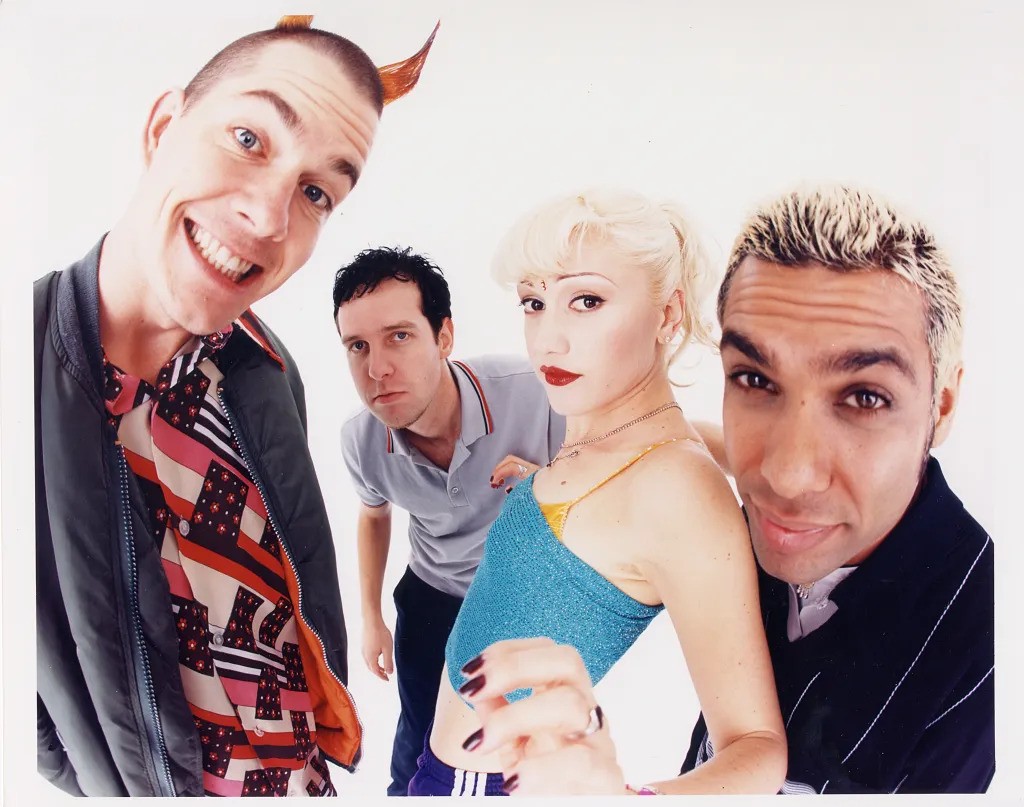
No Doubt is a band that defies simple categorization. Emerging from the vibrant Southern California music scene in the late 1980s, they have consistently blended ska, punk, and rock into a sound uniquely their own. While some might remember them for Gwen Stefani’s iconic voice or their commercial hits like “Don’t Speak”, the real genius of No Doubt lies in their rhythmic complexity and fusion of genres. Understanding the rhythm of their music offers a window into why their songs resonate so deeply and why they have remained influential for decades.

The Ska Roots of No Doubt’s Groove
Ska music, with its characteristic offbeat rhythms and upbeat horn sections, is the foundation upon which No Doubt built much of their early sound. Ska originated in Jamaica in the 1960s and later evolved into the ska-punk fusion that dominated the Southern California scene in the late 1980s and 1990s. No Doubt’s early work, including tracks from their self-titled debut album and The Beacon Street Collection, reflects this deep connection to ska. Songs like “Trapped in a Box” and “Doghouse” demonstrate their use of syncopated guitar upstrokes and punchy horn lines, giving their music an energetic, danceable quality.
The rhythm in ska is defined by its offbeat accents, often played by guitars or keyboards, creating a “skipping” effect that feels simultaneously light and driving. No Doubt took this traditional approach and infused it with punk energy, accelerating tempos and adding aggressive drum patterns. This combination allowed them to maintain ska’s infectious groove while appealing to a wider rock audience hungry for raw, high-energy performances. What makes No Doubt’s rhythms particularly compelling is how they layer these offbeat patterns with more complex drum fills and basslines, making the music feel both accessible and sophisticated.
Punk Energy and Rhythmic Aggression
While ska provides the bounce, punk contributes the edge. No Doubt’s punk influences are most evident in the intensity and urgency of their rhythms. Punk music is often straightforward, fast-paced, and unapologetically raw, and No Doubt channels these qualities into songs like “Just a Girl” and “Spiderwebs”. The drumming in these tracks is relentless, emphasizing downbeats while still allowing space for syncopation and melody. Adrian Young, the band’s drummer, is key to this fusion; his energetic fills and precise timing give No Doubt’s punk-infused tracks a propulsive force that keeps listeners engaged from start to finish.
The fusion of punk and ska in No Doubt’s music creates a unique tension. Ska’s lighter, offbeat rhythms can feel playful, while punk’s driving beats demand attention and exert force. No Doubt balances these elements skillfully, producing tracks that are both fun and intense. For example, “Excuse Me Mr.” seamlessly blends ska’s staccato guitar upstrokes with punk’s aggressive drumming, creating a song that moves listeners both physically and emotionally. This rhythmic interplay became a signature feature of the band, distinguishing them from contemporaries who leaned heavily into one genre or the other.

Rock Foundations and Mainstream Appeal
Beyond ska and punk, No Doubt’s identity as a rock band is central to their rhythmic style. Rock music, with its emphasis on strong backbeats, dynamic shifts, and guitar-driven melodies, provides a framework that allows No Doubt to experiment with other genres without losing cohesion. Their breakthrough album, Tragic Kingdom, illustrates this perfectly. Songs like “Don’t Speak” and “Sunday Morning” showcase a mastery of rock’s classic rhythmic structures, with steady drum patterns, melodic basslines, and guitar riffs that support the vocals without overpowering them. The result is a sound that is both rhythmically complex and widely appealing.
No Doubt’s approach to rhythm in rock is notable for its emotional expressiveness. In “Don’t Speak”, the drums and bass work subtly to underscore the song’s heartbreak and tension, while the guitar punctuates the verses with syncopated riffs. This careful layering demonstrates that rhythm in No Doubt’s music is not just a tool for movement—it’s a storytelling device. By manipulating tempo, accentuation, and beat placement, they convey emotion in ways that words alone cannot capture, making their songs resonate on a visceral level.
The Bass and Drum Dialogue
Integral to No Doubt’s rhythmic signature is the dialogue between bass and drums. Tony Kanal’s bass playing is far from static; it often takes melodic leads, syncopates with the drums, or locks in to create grooves that anchor the band’s complex rhythms. In “Hey Baby”, for instance, the bass line drives the song’s danceable groove, interacting with Adrian Young’s tight, precise drumming to produce a rhythm that is both catchy and intricate. The bass and drums do not simply support the guitar or vocals—they are central to the identity of the song.
This relationship between bass and drums is a hallmark of many great rock bands, but No Doubt elevates it by incorporating ska and punk influences. The bass often mimics ska’s walking patterns or punctuates punk’s rapid-fire aggression, while the drums oscillate between strict backbeats and syncopated fills. The result is a sound that is unmistakably No Doubt: rhythmic, dynamic, and instantly recognizable. Even in their slower tracks, such as “Simple Kind of Life”, this rhythmic interplay adds depth and texture, showing that the band’s focus on rhythm is consistent across tempos and styles.
Genre Fusion as a Rhythmic Philosophy
No Doubt’s ability to fuse ska, punk, and rock is not merely a stylistic choice—it is a rhythmic philosophy. Every song is carefully constructed to balance groove, energy, and melodic accessibility. By blending the offbeat accents of ska, the driving force of punk, and the structural clarity of rock, the band creates rhythms that feel both familiar and innovative. This approach allows them to appeal to a diverse audience: listeners who love danceable grooves, those who crave punk intensity, and fans of melodic rock alike.
Tracks like “It’s My Life”, though later in their career, exemplify this philosophy. The rhythm section carries the ska and punk influences forward, while the guitars and vocals anchor the song in rock tradition. No Doubt’s rhythmic fusion is never forced; it is organic, a reflection of their musical environment and their own artistic instincts. This authenticity is part of what gives their music enduring appeal.
![no-doubt-kaaboo-2015.jpg [webp-to-jpg output image]](https://s6.ezgif.com/tmp/ezgif-628d368db823935c.jpg)
Live Performance and Rhythmic Energy
One of the most striking aspects of No Doubt’s rhythm is how it translates into live performance. The band’s energy on stage amplifies the rhythmic qualities of their songs, making the audience feel the pulse of ska, punk, and rock all at once. Gwen Stefani’s vocal delivery often plays with rhythm as well, syncopating with drums or bass to create call-and-response dynamics. In songs like “Bathwater”, the live renditions highlight the band’s precision and chemistry, as each member locks into complex rhythmic patterns while maintaining the excitement and spontaneity that fans expect from a live show.
This ability to maintain tight rhythms while delivering emotionally charged performances is part of what has kept No Doubt relevant for over three decades. Their rhythmic mastery is not just a studio phenomenon; it is a core element of their identity as performers and creators.
Legacy of No Doubt’s Rhythmic Innovation
No Doubt’s rhythmic experimentation has had a lasting impact on rock music and beyond. By successfully fusing ska, punk, and rock, they paved the way for bands that sought to blend genres without losing accessibility. Their work demonstrates that rhythm is not merely a backdrop for melody and lyrics—it is an expressive force in its own right. Contemporary bands that mix punk energy with melodic rock or danceable grooves owe a debt to No Doubt’s rhythmic innovations.
Furthermore, No Doubt’s focus on rhythm highlights the importance of each band member’s contribution. The interplay between drums, bass, and guitar is central to the band’s sound, and their ability to balance complexity with listenability has inspired musicians across genres. Songs like “Ex-Girlfriend” and “Don’t Speak” continue to be studied for their rhythmic sophistication, illustrating how a rock band can push boundaries while staying true to its roots.
Conclusion
No Doubt’s music is a masterclass in rhythmic fusion. By blending the offbeat energy of ska, the raw force of punk, and the structural clarity of rock, they created a sound that is both distinctive and enduring. Their songs demonstrate that rhythm is not just a component of music—it is a vehicle for emotion, storytelling, and cultural expression. From the bouncing grooves of “Spiderwebs” to the heartbreak-laden beats of “Don’t Speak”, No Doubt’s signature rhythms define them as much as their vocals or lyrics. Understanding the rhythms behind their music is essential to appreciating the artistry of a band that remains a touchstone in rock history.
No Doubt proved that rhythm could be both a driving force and a nuanced language. They showed that a rock band could be playful and aggressive, melodic and complex, accessible and sophisticated—all at once. Their rhythmic legacy is not just about technique; it’s about the power of music to connect, energize, and move listeners across generations.

Why Canadian Festivals Celebrate Diversity More Than Genre
Canadian festivals have long held a reputation for being inclusive, vibrant, and boundary-pushing. From the snowy streets of Montreal’s Igloofest to Toronto’s Caribbean Carnival and Vancouver’s International Film Festival, there is a prevailing ethos that goes beyond mere entertainment or artistic specialization. These festivals prioritize diversity—cultural, linguistic, ethnic, and experiential—over strict adherence to a single genre or category. This focus is not accidental; it is rooted in Canada’s unique social history, multicultural policies, and community-driven approaches to the arts. Rather than curating events based solely on genre—be it music, film, or visual arts—Canadian festivals strive to reflect the mosaic of society itself, creating spaces where multiple narratives, traditions, and creative expressions coexist. The result is a festival culture that feels inclusive, dynamic, and continually evolving.
Canada’s commitment to multiculturalism is central to understanding why diversity is foregrounded in festival programming. Since the 1970s, the Canadian government has formally recognized multiculturalism as a defining feature of national identity, encouraging the preservation and celebration of different cultural traditions. This policy framework naturally extends to the arts, where festivals act as a public stage for cultural exchange. Unlike in countries where festivals are often genre-specific or targeted at niche audiences, Canadian festivals deliberately incorporate multiple cultural expressions. Music stages may feature Indigenous drumming alongside Afro-Caribbean rhythms, dance floors may accommodate both contemporary and traditional forms, and food courts often showcase an array of cuisines from around the world. The emphasis is on creating a shared space where diversity is celebrated as much as the art itself.
In practice, this means that festival organizers prioritize programming that reflects social plurality rather than genre purity. Film festivals, for example, do not only showcase films from a specific style, director, or theme; they curate works from multiple countries, languages, and communities, ensuring that underrepresented voices are heard. Similarly, music festivals may combine jazz, hip-hop, electronic, folk, and world music within the same weekend, creating an environment where audiences are encouraged to explore unfamiliar genres in addition to their favorites. This approach challenges conventional boundaries and encourages attendees to engage with art forms they might not otherwise encounter, fostering broader cultural understanding.
The Role of Canadian Identity in Shaping Festival Diversity
Canadian identity itself plays a profound role in shaping the festival landscape. Canada is a country built on migration and Indigenous presence, creating a natural tension between national cohesion and cultural plurality. Festivals act as microcosms of this broader societal dynamic, offering a platform where different identities can interact without one dominating the other. This environment encourages festivals to prioritize cultural diversity over genre specificity, as the goal is often to highlight shared experiences while preserving unique traditions.
Indigenous representation is a key component of this dynamic. Many Canadian festivals now include performances, installations, and workshops that foreground Indigenous art, storytelling, and cultural practices. This inclusion goes beyond tokenism, integrating Indigenous voices as a central part of the festival experience. By doing so, festivals signal that diversity encompasses historical and contemporary narratives, acknowledging the foundational place of Indigenous peoples in Canadian society. Audiences are invited not only to enjoy performances but also to engage with stories of resilience, identity, and heritage. In these spaces, the festival becomes a site of education and cultural diplomacy, extending the idea of diversity beyond ethnicity to include history, worldview, and lived experience.
Immigrant communities also shape festival programming in Canada more than in many other countries. Cities like Toronto, Vancouver, and Montreal are home to hundreds of immigrant communities, and festival organizers actively seek to reflect this mosaic. The focus is on inclusion rather than narrow specialization, ensuring that events do not cater solely to dominant cultural norms or mainstream tastes. For instance, a single festival weekend may feature Filipino folk dances, West African drumming, South Asian contemporary music, and Indigenous storytelling. This curation reinforces the idea that the festival experience is not about privileging a single genre but about embracing the multiplicity of voices that make up Canadian society.
Moreover, Canada’s bilingual nature contributes to festival diversity. Many festivals balance French and English programming, creating opportunities for cross-linguistic engagement. This linguistic duality allows artists and audiences from different regions to participate on equal footing, further emphasizing inclusion over genre specialization. Festivals are not simply entertainment venues—they are arenas for cultural dialogue, bridging linguistic, ethnic, and social divides.
Programming Philosophy: Inclusion Over Categorization
Canadian festival organizers intentionally adopt a programming philosophy that places inclusion above strict categorization. Rather than curating based solely on a single genre, organizers consider factors such as cultural representation, accessibility, and social impact. This approach transforms festivals into dynamic spaces where audiences can encounter unexpected combinations of art forms, ideas, and performances.
For example, music festivals like Ottawa’s Bluesfest or Montreal’s Festival International de Jazz showcase not only their titular genres but also adjacent or contrasting styles. Classical music may share the stage with electronic beats, indie acts may perform alongside traditional world music, and pop artists may collaborate with Indigenous performers. This blend reflects a philosophy that prioritizes audience exposure to diverse experiences rather than strict adherence to genre boundaries. The intention is to broaden perspectives, creating a festival ecosystem where experimentation, hybridity, and cultural exchange thrive.
Film festivals in Canada demonstrate similar practices. The Toronto International Film Festival (TIFF), for instance, curates films from around the globe, spanning genres from documentary to horror, animation to experimental cinema. The festival intentionally programs works by underrepresented filmmakers, including women, Indigenous artists, and creators from the Global South. Here, diversity is both a curatorial principle and an ethical stance, demonstrating that festivals can serve as platforms for social inclusion as well as artistic celebration. The emphasis is on storytelling and representation rather than restricting content by a rigid genre framework.
Community engagement is another critical element. Canadian festivals often involve local communities in the creation and presentation of programming. Workshops, collaborative art projects, and participatory installations ensure that local voices shape the festival experience. This bottom-up approach reinforces diversity by highlighting grassroots perspectives alongside high-profile performances or exhibitions. Festivals become living ecosystems of cultural exchange, where professional artists and community members co-create, blurring the lines between performer and audience. By prioritizing inclusion and participation, festivals underscore that diversity is a guiding principle, not just a marketing slogan.
Case Studies: Festivals Embracing Diversity
Several Canadian festivals illustrate the principle of celebrating diversity over genre with remarkable clarity. Caribana in Toronto, now known as the Toronto Caribbean Carnival, is a vivid example. While rooted in Caribbean music and culture, Caribana has expanded to include artists and participants from across the globe. Festival-goers experience a kaleidoscope of sounds, colors, and performances that transcend geographic and stylistic boundaries. The festival’s focus is on cultural celebration and communal experience rather than limiting itself to specific musical genres, allowing for a richer, more inclusive festival environment.
Montreal’s Just for Laughs festival provides another case study. Primarily known for comedy, the festival deliberately integrates different styles, languages, and cultural perspectives into its programming. Francophone and Anglophone performers share stages, international comedians bring new approaches, and experimental acts challenge traditional comedic forms. The festival’s success lies not in maintaining a strict comedic genre but in embracing global diversity and the evolving nature of humor itself.
Similarly, Vancouver’s International Film Festival prioritizes cultural representation over genre boundaries. Documentaries, fiction, animation, and experimental films all coexist within the festival framework. Programming decisions are guided by the aim of reflecting global and local diversity, giving audiences access to perspectives they might not encounter in mainstream cinema. Indigenous filmmakers, immigrant communities, and marginalized voices receive dedicated platforms, illustrating the festival’s commitment to diversity as a central organizing principle rather than a peripheral concern.
Conclusion
Canadian festivals exemplify a model of celebration that places diversity above genre. Influenced by multicultural policies, Indigenous and immigrant representation, bilingualism, and community engagement, these festivals prioritize inclusivity, cross-cultural exchange, and social impact over strict artistic categorization. Programming strategies emphasize the value of exposure to multiple perspectives, fostering environments where audiences and artists alike can engage with unfamiliar forms, ideas, and traditions. Case studies from Toronto, Montreal, Vancouver, and smaller communities illustrate how this philosophy manifests in music, comedy, film, and folk arts.
The social, economic, and educational benefits of prioritizing diversity are profound, enhancing the festival experience while contributing to broader societal goals of inclusion and understanding. Canadian festivals succeed not because they adhere strictly to genres, but because they embrace multiplicity, hybridity, and cultural dialogue. They demonstrate that when diversity is celebrated as a guiding principle, festivals become more than entertainment—they become spaces of shared identity, cross-cultural learning, and social cohesion. In a world increasingly defined by both division and globalization, Canadian festivals offer a model of how celebrating diversity over genre can create vibrant, inclusive, and transformative cultural experiences.

Rockabilly Revolution: Carl Perkins’ Role in Crafting the Rhythmic Language of Rock Music
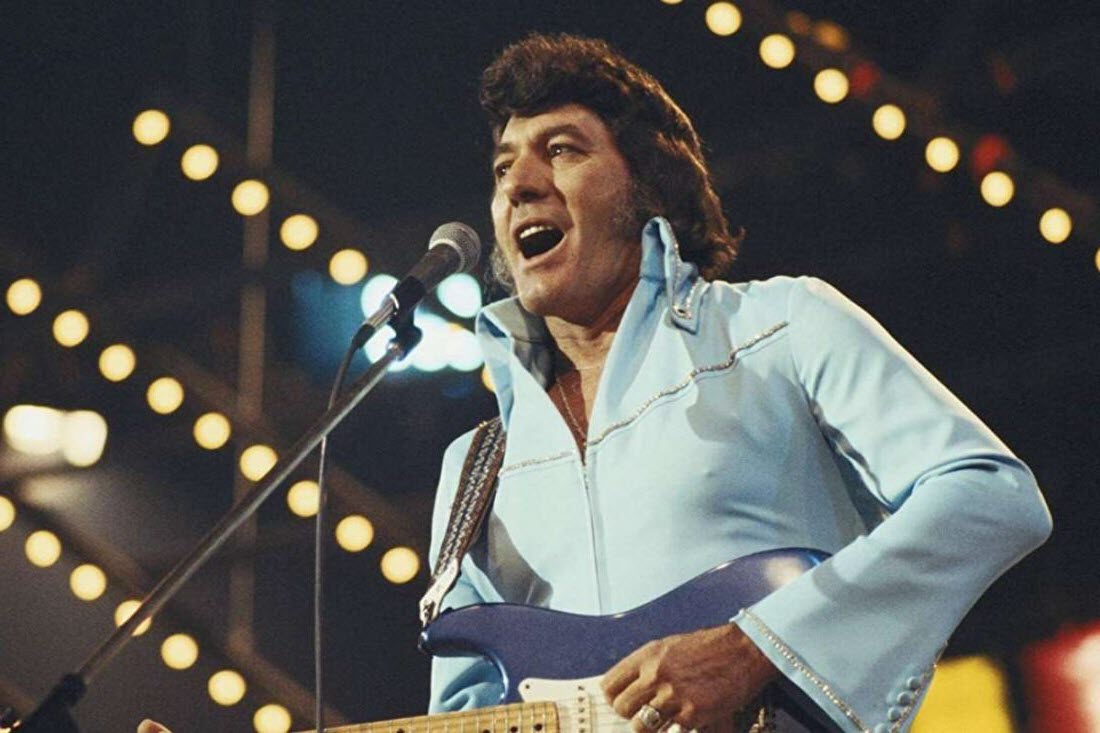
When the word rock and roll comes to mind, many instantly think of Elvis Presley, Chuck Berry, or Jerry Lee Lewis. Yet, behind the pulsating backbeat and the infectious energy that defined the genre, there’s a figure whose rhythmic genius quietly reshaped the very foundation of rock music: Carl Perkins. Known as the “King of Rockabilly,” Perkins didn’t just play guitar; he invented grooves, riffs, and rhythmic patterns that would echo through decades of rock music. His influence, though sometimes understated, is a crucial chapter in the story of rock’s evolution.

The Emergence of Rockabilly and Perkins’ Early Impact
Rockabilly, the early fusion of country, blues, and rhythm and blues, emerged in the 1950s as a raw, electrifying alternative to the smoother pop and jazz of the time. Carl Perkins, born in 1932 in Tiptonville, Tennessee, grew up steeped in the rich musical traditions of the South. From gospel harmonies in church to the honky-tonk twang of country radio, Perkins absorbed every rhythmic nuance he could find. What made him exceptional was his ability to translate these influences into a driving, syncopated rhythm that demanded movement, that made people tap their feet, swing their hips, and want to dance.
It was at Sun Studio in Memphis, alongside Sam Phillips and contemporaries like Elvis Presley and Johnny Cash, that Perkins began to refine his sound. Songs like “Blue Suede Shoes” showcased his innovative approach: the emphasis on an infectious backbeat, alternating bass runs, and percussive guitar slaps created a rhythmic blueprint that rock musicians would emulate for generations. The song was more than a hit; it was a manifesto for rock’s rhythmic identity.
The Rhythmic Signature of Carl Perkins
Perkins’ approach to rhythm was deceptively complex. On the surface, it seemed effortless—a swinging shuffle that could make any listener bob their head. But underneath, he was experimenting with syncopation, accents, and timing in ways that were revolutionary for the era. His guitar work often emphasized the offbeat, giving his songs a sense of urgency and forward motion. This technique became a hallmark of rockabilly and, by extension, rock music itself.
Take “Honey Don’t,” another of Perkins’ classics. The song’s rhythm is playful yet propulsive, driven by a walking bass line interspersed with sharp, staccato guitar chords. The rhythmic interplay between the bass, guitar, and drums created a dynamic tension that made the music feel alive. It’s this ability to make rhythm feel like a conversation rather than just a beat that set Perkins apart from his peers.
Influence on Iconic Rock Musicians
While Perkins’ name may not be as widely recognized as Elvis Presley’s, his influence is deeply embedded in the DNA of rock music. The Beatles were profoundly inspired by his work. Ringo Starr’s drumming on songs like “I Saw Her Standing There” echoes Perkins’ syncopated backbeat, and George Harrison frequently cited Perkins’ guitar style as a guiding influence in crafting riffs that were both melodic and rhythmically engaging. Even beyond The Beatles, countless rock guitarists, from Keith Richards to Eric Clapton, have acknowledged Perkins’ rhythmic innovations as formative.
His songs were blueprints for rock musicians learning how to balance melody and rhythm. The way Perkins used percussive guitar techniques—slapping the strings, palm muting, and alternating bass and chord patterns—provided a rhythmic vocabulary that could be adapted across genres. Rockabilly was never just a style; it was a toolkit for shaping modern rock’s heartbeat.
Blue Suede Shoes: More Than a Song
No discussion of Carl Perkins’ role in rock rhythm would be complete without delving deeper into “Blue Suede Shoes.” The song exemplifies his genius for marrying rhythm and melody. From the opening guitar riff, which is both playful and insistent, to the driving shuffle of the rhythm section, the track is a masterclass in tension and release. The syncopated accents on the offbeat create a bounce that feels almost physical, compelling listeners to move.
What makes this song particularly important in a historical context is how it influenced subsequent rock recordings. Chuck Berry’s guitar riffs, Elvis’ early rock hits, and even later British Invasion bands drew on the rhythmic patterns Perkins established. It’s a testament to how a single track, carefully crafted, can ripple through decades of music, shaping the very notion of what rock rhythm can be.

Honey Don’t and the Art of Rhythmic Play
While “Blue Suede Shoes” was a commercial sensation, “Honey Don’t” offers insight into Perkins’ playful side, where rhythm becomes an instrument of expression in itself. The song opens with a jaunty guitar riff that immediately establishes a swing-like momentum, but what’s remarkable is how Perkins alternates tension and release throughout the track. The drums accentuate unexpected beats, the guitar slides and slaps add percussive punctuation, and the bass walks in patterns that keep the listener guessing.
This sense of rhythmic spontaneity is a cornerstone of rockabilly and rock alike. In live performances, Perkins’ ability to stretch and manipulate rhythm allowed his band to interact organically, creating a sense of immediacy and excitement that recordings alone can only hint at. Musicians studying his work often note that it’s not just the notes he played, but the timing between them, the spaces, and the accents that make his music feel alive.
Beyond the Hits: Carl Perkins’ Enduring Rhythmic Legacy
Perkins’ influence extends far beyond his 1950s hits. The techniques he pioneered—syncopated guitar riffs, offbeat accents, and rhythmic interplay between instruments—became foundational elements of rock music. Bands like The Rolling Stones, Led Zeppelin, and even modern rock acts have borrowed, adapted, and built upon the rhythmic language Perkins helped create.
His approach also shaped rock’s danceability. Before rockabilly, rhythm in popular music was often straightforward and predictable. Perkins injected swing, syncopation, and momentum into his compositions, ensuring that rhythm was not just an accompaniment but a driving force. This emphasis on movement, on making the listener feel the beat in their body, is why rock music has always been as much about physical energy as emotional resonance.
The Genius of Timing
One of Carl Perkins’ most underappreciated skills was his sense of timing. In rock music, timing isn’t just about playing notes on the beat; it’s about creating anticipation, tension, and release. Perkins excelled at this. His guitar phrases often teetered on the edge of the beat, creating a push-and-pull effect that gives rock its signature energy. The subtle shifts in timing, combined with the strong backbeat, laid the groundwork for later rock drummers and guitarists to experiment with rhythm in more complex ways.
Songs like “Matchbox” illustrate this perfectly. The track’s relentless drive, punctuated by sharp rhythmic hits and pauses, demonstrates how Perkins could make even a simple twelve-bar blues feel fresh and urgent. Every measure is imbued with movement, highlighting how rhythm can transform a basic chord progression into an engaging rock statement.
Rhythm as a Cultural Bridge
Carl Perkins didn’t just innovate technically; he bridged musical cultures. Rockabilly itself is a fusion of African American rhythm and blues with Southern country traditions. Perkins’ rhythmic experimentation reflects this synthesis. By integrating bluesy syncopation with country swing, he created a rhythm that appealed across racial and cultural lines, helping rock music to emerge as a truly transformative force in mid-20th century America. His music captured the rebellious energy of youth while retaining a timeless groove that still resonates today.
Carl Perkins’ Lasting Influence on Rock Rhythm
Even decades after his prime, Carl Perkins’ influence on rock rhythm remains unmistakable. Modern rock guitarists often revisit his recordings to understand how to make rhythm and melody interact naturally. His songs are studied in music schools, dissected by drummers, and revered by performers who want to capture that infectious swing. The percussive approach to guitar, the use of offbeat accents, and the way he created momentum without sacrificing melodic sense are all part of his enduring legacy.
Perhaps most importantly, Perkins showed that rhythm in rock isn’t just a background feature; it’s the heartbeat of the music. His innovations gave rock its pulse, its bounce, and its irrepressible energy. From the early days at Sun Studio to the global influence of rockabilly, Carl Perkins was crafting not just songs but the very rhythmic language that would define generations of rock musicians.
Conclusion
Carl Perkins may not always be the first name that comes to mind when people think of rock and roll, but his contributions to the genre’s rhythmic foundation are immeasurable. Through songs like “Blue Suede Shoes,” “Honey Don’t,” and “Matchbox,” he introduced syncopation, percussive guitar techniques, and a driving swing that became the essence of rock rhythm. His genius lay not only in technical skill but in the way he made rhythm feel alive, infectious, and irresistibly danceable.
The rockabilly revolution wasn’t just about blending styles; it was about redefining rhythm itself. Carl Perkins gave rock music a heartbeat, a groove, and a pulse that continues to resonate in every era of rock. For anyone seeking to understand the rhythmic DNA of rock, listening to Perkins is not just instructive—it’s essential. His songs aren’t just music; they are a masterclass in the art of making rhythm move, breathe, and live.

The Heartbeat of Fleetwood Mac: How Rhythm Defines Their Rock Legacy
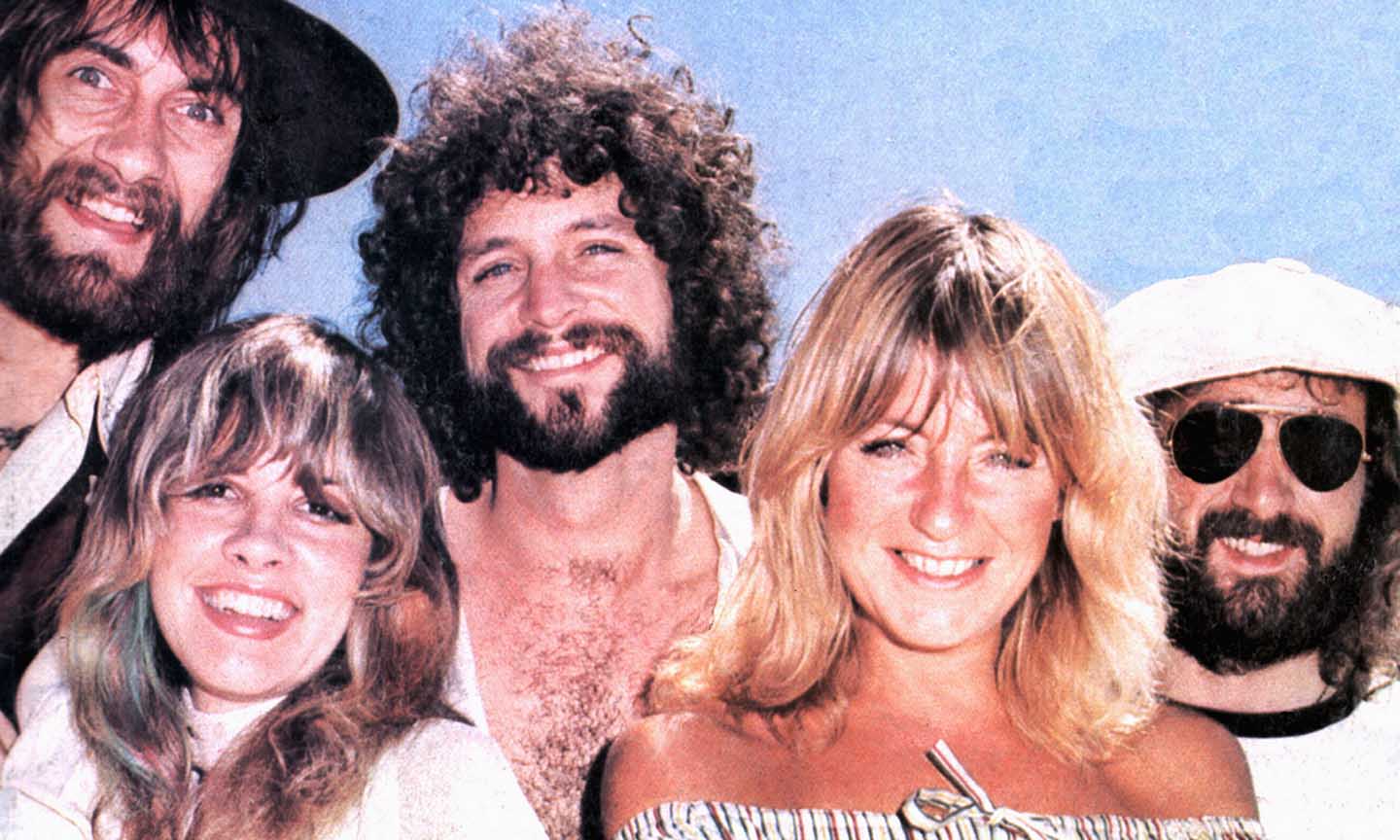
Fleetwood Mac is more than a band; they are a musical institution, a storybook of human emotion set to melody, and a rhythm-driven powerhouse that has defined rock music for decades. From their early blues roots to the polished, almost cinematic sound of Rumours, the band’s rhythm has always been the hidden engine propelling their music forward. While their vocal harmonies, evocative lyrics, and iconic guitar lines often capture the spotlight, it is the rhythmic heartbeat—the meticulous interplay between drums, bass, and percussion—that truly cements Fleetwood Mac’s legacy in rock history.

Rhythm as the Foundation of Fleetwood Mac’s Sound
At its core, rhythm is what keeps music alive. It gives songs structure, drives emotion, and creates a connection between the listener and the artist. In Fleetwood Mac’s case, rhythm is not just a supportive element; it is central to their identity. Mick Fleetwood’s drumming is legendary for its subtle power and fluidity, blending rock’s assertive energy with a jazz-influenced sense of timing. Meanwhile, John McVie’s bass lines do more than support—they converse with the drums, weaving intricate patterns that anchor the songs while allowing melodic freedom for Lindsey Buckingham’s guitar and Stevie Nicks’ vocals.
Take The Chain from Rumours, for example. Its instantly recognizable bassline begins with a tension-filled rhythm that slowly escalates into a full-blown rock crescendo. The song’s power is not just in its lyrics about heartbreak and betrayal, but in the way rhythm communicates the emotional stakes before a single word is sung. The bass and drums lock in a pulse that makes listeners almost feel the inevitability of the story unraveling—a musical heartbeat syncing with the emotional pulse of the narrative.
Syncopation and Subtlety: Fleetwood Mac’s Rhythmic Signature
Fleetwood Mac’s genius lies not only in what they play but how they play between the beats. Many of their songs employ syncopation—a deliberate shift in expected rhythmic patterns—that adds tension and intrigue. In Dreams, the groove is deceptively simple, almost hypnotic, yet it carries a subtle push-and-pull that mirrors the song’s themes of love and uncertainty. Mick Fleetwood’s drumming, restrained yet precise, provides a floating sense of movement, while John McVie’s bass grounds the track, giving it warmth and weight. It’s a masterclass in restraint: the rhythm never overshadows the vocals or melody, but it always guides them.
This interplay of subtlety and drive can also be heard in Go Your Own Way. Lindsey Buckingham’s guitar riffs slice through the rhythmic foundation with percussive precision, creating a sense of urgency that mirrors the emotional intensity of the lyrics. The song’s rhythm section doesn’t merely accompany; it propels the listener forward, creating momentum that mirrors the narrative of breaking away and moving on.
Emotional Storytelling Through Rhythm
One of Fleetwood Mac’s most remarkable achievements is their ability to use rhythm to convey emotion. Rhythm can make listeners tap their feet, yes, but in Fleetwood Mac’s hands, it also becomes a tool for storytelling. In Rhiannon, the syncopated drum beats and flowing bass lines create a sense of mystique and tension that perfectly complements Stevie Nicks’ ethereal vocals. The rhythm here is not just background—it is part of the narrative, a sonic representation of Rhiannon’s otherworldly energy.
Similarly, Gypsy from the album Mirage demonstrates how rhythm can evoke nostalgia and longing. The song’s percussive elements are soft yet insistent, giving the listener a sense of time passing and memories lingering. In every beat, Fleetwood Mac manages to convey a feeling that words alone cannot capture, proving that rhythm in their music is inherently emotional and communicative, not just structural.
The Dynamic Between Drums and Bass
At the heart of Fleetwood Mac’s rhythm lies the synergy between Mick Fleetwood and John McVie. Few rhythm sections in rock history are as iconic or as complementary. Fleetwood’s drumming is simultaneously bold and nuanced, capable of thunderous crescendos or delicate, whispering taps that barely disturb the air. McVie’s bass is equally versatile, providing melodic counterpoints and rhythmic stability that turn songs into immersive experiences.
In tracks like Silver Springs, the bass and drums mirror the tension in the lyrics, creating a rhythm that feels almost conversational. You can hear the back-and-forth dynamic in the way the drum beats anticipate the bass movements, while the bass lines often hint at a release that the drums later fulfill. This push-and-pull is not accidental—it is the result of decades of intuitive collaboration, making Fleetwood Mac’s rhythm section a study in musical empathy.
The Role of Percussion in Creating Texture
While drums and bass form the foundation, Fleetwood Mac often employs additional percussion to create texture and depth. From tambourines to shakers and hand drums, these elements add layers that enhance the emotional resonance of the music. In Big Love, Lindsey Buckingham’s intricate guitar picking is complemented by subtle percussive accents, creating a complex rhythmic tapestry that keeps the listener engaged without ever feeling cluttered.
The rhythm in Fleetwood Mac’s songs is never static; it breathes, swells, and contracts. This sense of movement makes their music feel alive. It’s a quality that separates them from bands that rely solely on melody or lyrics—the heartbeat of Fleetwood Mac is felt in every groove, every percussive nuance, and every subtle swing.
Live Performance and Rhythmic Energy
Fleetwood Mac’s mastery of rhythm is especially evident in their live performances. On stage, the band transforms the studio precision into dynamic, visceral experiences. Mick Fleetwood’s drumming becomes a visual spectacle as well as an auditory one, his presence anchoring the performance while also interacting with the other musicians. John McVie’s bass lines drive the crowd’s energy, making even slower ballads feel emotionally kinetic.
Songs like Tusk showcase this live rhythmic intensity perfectly. The marching-band-style percussion, combined with the band’s rock instrumentation, creates a layered, almost hypnotic rhythm that grabs the audience and refuses to let go. Live, the heartbeat of Fleetwood Mac becomes tangible—it’s something you can feel in your chest, a testament to how integral rhythm is to their identity as a rock band.
Rhythm as a Unifying Force Across Eras
Fleetwood Mac’s rhythm has also been a unifying force throughout their changing lineup and musical evolution. From the Peter Green blues era to the Buckingham/Nicks pop-rock period, rhythm remained the connective tissue. Even as their sound shifted—from bluesy improvisation to polished, radio-friendly rock—the band maintained a distinct rhythmic identity that fans instantly recognize.
In later albums like Say You Will, rhythm continues to drive the music, proving that even decades into their career, Fleetwood Mac’s heartbeat remains as vital as ever. The rhythmic choices in these songs reflect both continuity and adaptation, blending classic techniques with contemporary influences without losing the essence of what makes Fleetwood Mac uniquely compelling.
:max_bytes(150000):strip_icc():focal(939x570:941x572)/fleetwood-mac-6e8159cf93c34c0ea01bfb413a2f636c.jpg)
Conclusion: The Invisible Force That Defines a Legacy
While Fleetwood Mac’s melodies, lyrics, and harmonies have rightly earned them a place in rock history, it is the rhythm that binds everything together. Rhythm in their music is not just a backdrop; it is a storyteller, an emotional guide, and a unifying pulse that carries the listener through heartbreak, joy, mystery, and nostalgia. From the understated groove of Dreams to the driving intensity of Go Your Own Way, every song is propelled by a rhythmic intelligence that is both technical and profoundly human.
Ultimately, the heartbeat of Fleetwood Mac is more than a musical technique—it is a testament to the power of rhythm to define a band’s identity and shape the emotional landscape of rock music itself. Their legacy is a rhythmical journey that continues to inspire, captivate, and move listeners around the world. And for anyone who has ever felt a song pulse through them, that is the true measure of Fleetwood Mac’s genius: a rhythm that is alive, unyielding, and unforgettable.
Why Certain Guitar Riffs Outlived the Bands That Created Them
Some guitar riffs seem to escape time. They survive lineup changes, genre shifts, and even the fading of the bands that first brought them into the world. You might not remember the album, the year, or even the name of the musicians who wrote them, but the moment those notes ring out, recognition hits instantly. These riffs have become cultural artifacts, detached from their original creators and embedded in collective memory. They are hummed by people who don’t play guitar, referenced in movies and commercials, and passed down to new generations of musicians as sacred exercises.
This phenomenon is not accidental, nor is it purely about technical brilliance. Plenty of skilled bands wrote complex, impressive guitar parts that vanished along with their careers. The riffs that endure do something different. They communicate immediately. They create a mood, an attitude, or a physical response within seconds. They are musical symbols, not just sequences of notes, and symbols have a way of outlasting their origins.
The survival of a riff often tells a story about timing, technology, cultural context, and human psychology. A band might fail due to poor management, bad luck, or changing tastes, yet one riff slips through the cracks and keeps living. It becomes bigger than the people who wrote it, reshaped by covers, memes, and reinterpretations. In some cases, the riff even overshadows the rest of the band’s catalog, turning the musicians into footnotes in the history of their own creation.
Understanding why this happens means looking beyond rock mythology and into how listeners process sound, how culture recycles ideas, and how simplicity can be more powerful than virtuosity. The riffs that outlive their bands reveal how music becomes memory, and how memory decides what deserves to survive.
Simplicity, Repetition, and the Hook That Refuses to Leave
At the core of nearly every immortal guitar riff is a deceptive simplicity. These riffs are rarely the most complex or technically demanding parts ever written. Instead, they rely on clear patterns, strong rhythmic identity, and repetition that borders on hypnotic. The human brain is wired to latch onto repetition, especially when it is paired with a satisfying groove or tonal tension. A riff that can be recognized within two or three notes has an enormous advantage in cultural survival.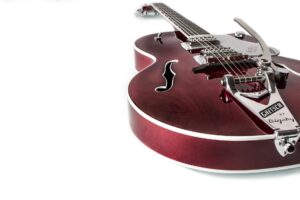
Simplicity makes a riff portable. It can be played on an acoustic guitar, an electric guitar, a keyboard, or even tapped out on a table. This adaptability allows it to escape the original recording and enter everyday life. When a riff is simple enough to be taught quickly, it spreads faster among beginner musicians, many of whom may never explore the band’s deeper catalog. The riff becomes a gateway, but not always a doorway people walk fully through.
Repetition reinforces memory. A riff that cycles throughout a song rather than appearing briefly has more time to imprint itself. Even listeners who aren’t paying close attention absorb it subconsciously. Over time, the riff becomes the song in people’s minds, eclipsing lyrics, solos, and even the band’s identity. This is especially true in eras dominated by radio, where repeated exposure amplified the effect.
There is also an emotional economy at play. A great riff often captures a single, clear emotional stance: menace, swagger, joy, rebellion, or melancholy. It doesn’t ask the listener to interpret; it declares. That clarity allows it to function almost like a slogan. Bands that fail to sustain careers may lack cohesion, vision, or adaptability, but one perfectly distilled emotional moment can still endure.
Ironically, bands sometimes suffer because their defining riff sets expectations they can’t consistently meet. Audiences chase that one feeling, that one sound, and everything else feels like an approximation. The riff survives because it delivered exactly what it promised, while the band fades because it couldn’t replicate that lightning in a bottle.
Technology, Media, and the Riff as a Cultural Shortcut
The longevity of certain guitar riffs is inseparable from the technologies and media environments that carried them forward. Recording quality, radio formatting, film placement, and later digital sharing all play crucial roles in determining what sticks. A riff that thrives in isolation has a better chance of surviving than one that depends on context.
Early recording limitations actually helped riffs stand out. Analog distortion, tape saturation, and mono mixes forced guitar parts to be bold and direct. Subtlety often disappeared in translation, while strong midrange riffs cut through speakers and noise. This technical filtering favored riffs with clear identity, ensuring they translated well across radios, jukeboxes, and later televisions.
Film and advertising amplified this effect. A riff placed under a dramatic scene or used as shorthand for rebellion, danger, or coolness can gain a second life entirely detached from the band. Over time, audiences associate the riff with a feeling or image rather than its origin. The riff becomes a cultural shortcut, capable of summoning meaning instantly.
In the digital age, this detachment has accelerated. Short clips, memes, and algorithm-driven discovery reward instantly recognizable sounds. A riff that can hook someone within seconds thrives in these environments. Meanwhile, full albums and band narratives struggle for attention. The riff is optimized for survival in a fragmented media landscape, while the band’s broader work is not.
Covers and reinterpretations further abstract riffs from their creators. When a riff is played by dozens of artists across genres, its identity shifts from ownership to tradition. Younger listeners may encounter the riff through a cover, a video game, or a social media clip, never realizing it came from a band that struggled or disappeared decades ago. The riff no longer belongs to history; it belongs to circulation.
Technology doesn’t just preserve riffs; it selects them. Those that compress well, loop cleanly, and communicate instantly are the ones that endure. Bands that relied on atmosphere, long-form development, or subtle dynamics were often lost in translation, while a single, sharp riff survived the transition from vinyl to streaming almost effortlessly.
Myth, Identity, and the Riff as a Stand-In for a Band
Over time, enduring guitar riffs begin to function as myths. They stand in for entire eras, scenes, or attitudes, even when the bands themselves fade from memory. The riff becomes a symbolic identity, representing something larger than the musicians who wrote it. This symbolic power allows it to persist independently.
Listeners often construct simplified narratives around music. A riff that feels “classic,” “dangerous,” or “authentic” gets absorbed into broader cultural storytelling about rock, rebellion, or youth. The actual band may not fit that narrative cleanly. They may have been inconsistent, short-lived, or commercially unsuccessful. But the riff aligns perfectly with the myth people want to believe, so it survives while the inconvenient details fall away.
There is also a psychological comfort in recognizing fragments rather than wholes. Remembering a band requires context, chronology, and investment. Remembering a riff requires only sensation. It lives in the body as much as the mind, triggering muscle memory, head nods, or air guitar gestures. This embodied recognition is far more durable than intellectual recall.
In some cases, the band’s obscurity even enhances the riff’s mystique. A famous riff from an unknown or forgotten band can feel like a hidden treasure, reinforcing its special status. Musicians pass it down with reverence, often detached from the original song’s meaning or lyrics. The riff becomes a rite of passage rather than a piece of authorship.
This process can be bittersweet. For the musicians involved, being remembered for one fragment while the rest of their work disappears can feel like erasure. But from a cultural perspective, it demonstrates how art evolves once released. A riff that outlives its band has crossed from creation into folklore, shaped more by listeners than by its originators.
Why Riffs Endure When Careers Collapse
Ultimately, the survival of certain guitar riffs alongside the disappearance of their creators reveals uncomfortable truths about how culture works. Careers depend on consistency, adaptability, relationships, and timing. Riffs depend on resonance. One is structural; the other is elemental. A band can fail for reasons entirely unrelated to the quality of its ideas, while a single idea can succeed spectacularly on its own.
Riffs endure because they ask little and give much. They don’t require loyalty, context, or deep listening. They arrive fully formed, deliver an immediate payoff, and leave a lasting impression. In a crowded cultural landscape, this efficiency is powerful. It allows a riff to move freely across decades and platforms, unburdened by the complexities that sink bands.
There is also an emotional justice in this endurance. Music history is full of near-misses and forgotten talents. When a riff survives, it acts as a fragmentary monument, a reminder that something meaningful happened, even if the full story was lost. The riff becomes evidence of creative success, even in the absence of lasting recognition.
As long as people pick up guitars, teach themselves iconic intros, and chase the feeling of that first perfectly distorted note, these riffs will continue to live. They don’t need their bands to survive. They have already escaped.
From Classical to Prog Rock: How Keith Emerson Merged Worlds Through Sound
Keith Emerson was not just a keyboardist; he was a revolutionary figure who bridged the often-separated realms of classical music and progressive rock. To understand Emerson’s impact on rock, one must first appreciate his foundation in classical training. Born in 1944 in Todmorden, England, Emerson displayed prodigious musical talent from an early age. Unlike many rock musicians of his generation, he approached his instrument—the piano and later the synthesizer—with a disciplined, almost academic rigor, which would become a defining feature of his artistry.
Emerson’s journey into rock music began in the early 1960s, during a time when rock was still finding its identity. While guitar-driven bands dominated the scene, Emerson was drawn to the expressive possibilities of keyboards. His early work with The T-Bones and The V.I.P.s showcased a young musician experimenting with sound, but it was his formation of the band Emerson, Lake & Palmer (ELP) in 1970 that allowed him to fully realize his vision. With ELP, Emerson merged classical motifs, jazz improvisation, and rock energy into something uniquely his own.
The Classical Influence in Rock Context
Emerson’s classical influences were extensive, ranging from the dramatic flair of Modest Mussorgsky to the intricate counterpoint of Johann Sebastian Bach. He didn’t merely quote classical pieces; he reimagined them in a rock context, transforming piano sonatas and orchestral works into electrifying, synthesizer-driven rock epics. A prime example is ELP’s arrangement of Mussorgsky’s “Pictures at an Exhibition”. Originally a piano suite, Emerson’s adaptation was bold and unapologetic, infusing the work with synthesizer sweeps, bombastic organ lines, and relentless rock drumming. While purists initially bristled at such adaptations, the recording demonstrated that classical music could coexist with the raw energy of rock, and it introduced younger audiences to orchestral composition in a way that was visceral and immediate.
His approach was not mere imitation but transformation. Emerson often used complex time signatures, intricate counterpoint, and modal harmonies, all hallmarks of classical music, but recontextualized them for a rock band. Tracks like “Tarkus” and “Karn Evil 9” exemplify this fusion. On “Tarkus”, Emerson navigates a shifting landscape of themes, from martial fanfares to jazzy improvisations, seamlessly blending virtuosity with accessibility. The piece’s multi-sectioned structure mirrors the narrative scope of classical suites while maintaining the dynamism and power of rock.
Synthesizers and the Technological Edge
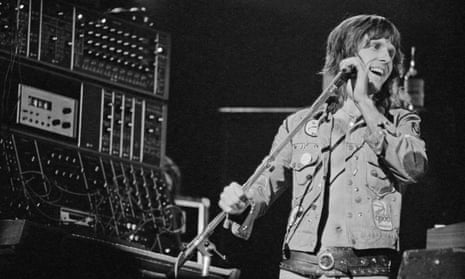
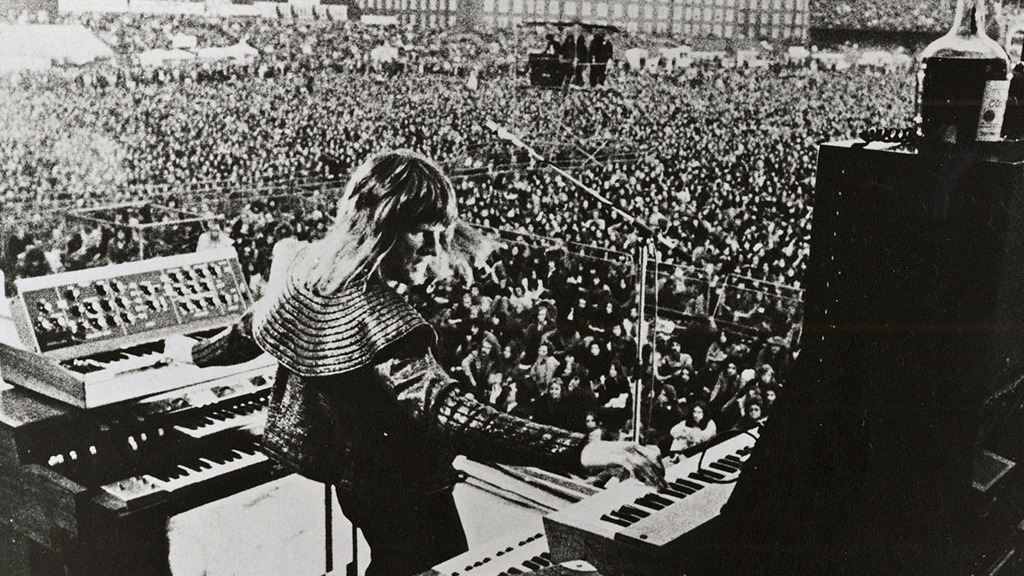
One of Emerson’s most significant contributions to rock music was his pioneering use of synthesizers. At a time when most keyboardists relied primarily on piano or Hammond organ, Emerson embraced the emerging technology of the Moog synthesizer, exploiting its sonic possibilities to create textures previously unheard in rock. The synthesizer was not just a tool for novelty; it became an extension of his expressive voice, allowing him to layer sounds, simulate orchestral timbres, and push the boundaries of musical storytelling.
In “Lucky Man”, perhaps ELP’s most enduring hit, Emerson’s Moog solo is emblematic of his genius. The gentle, melodic rise of the synthesizer transforms a simple folk-tinged ballad into an otherworldly experience. It’s a moment that captures the emotional breadth Emerson could achieve, moving seamlessly between lyrical introspection and technological bravado. This duality—soulful musicality married to electronic experimentation—became a defining trait of progressive rock and cemented Emerson’s status as a visionary.
Rock Virtuosity and Stage Presence
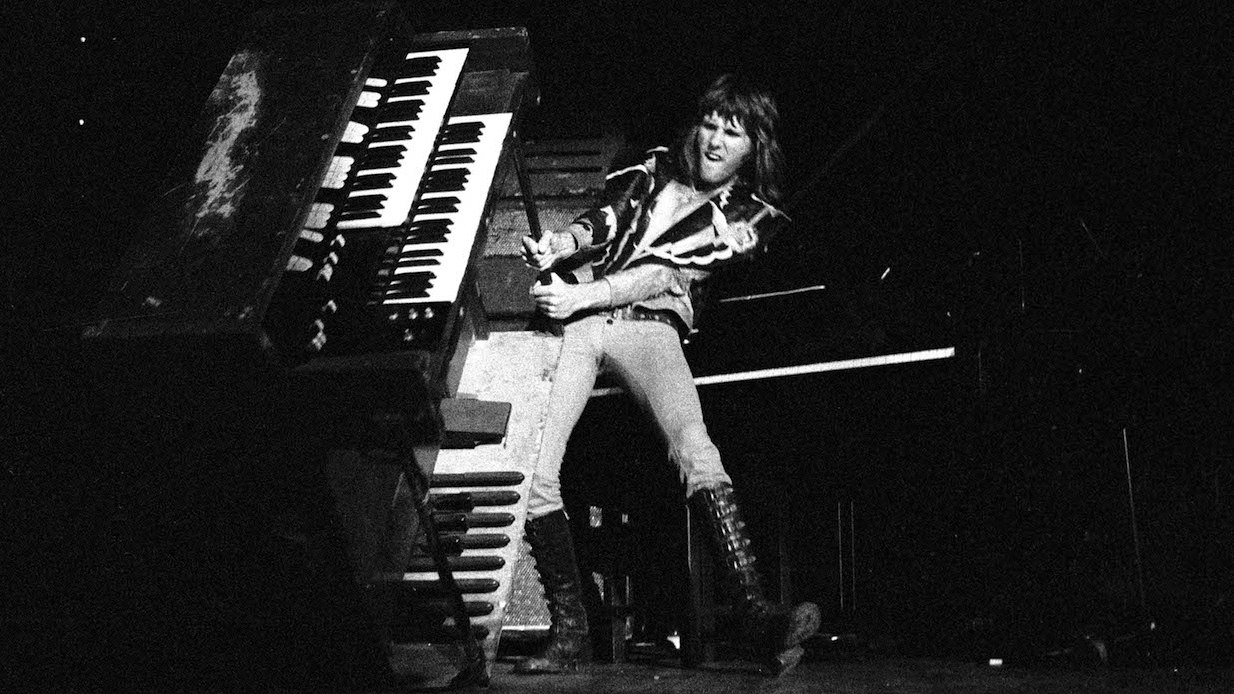
Beyond the studio, Keith Emerson’s contributions to rock were as much about performance as composition. He approached live shows with theatricality rarely seen in rock concerts at the time. Emerson would stand atop his Hammond organ, spin his keyboard around, and even stab it with knives to produce percussive effects, captivating audiences with his flamboyance. Yet beneath the theatrics lay deep musical sophistication. Every gesture, every improvised flourish, reflected an artist who treated rock performance as both spectacle and serious musicianship.
Songs like “The Endless Enigma” showcase Emerson’s ability to navigate complex musical terrain live. With shifting tempos, layered textures, and virtuosic keyboard lines, he could command the stage while making intricate music accessible and exhilarating for the audience. In doing so, he redefined the role of the rock keyboardist, moving it from background accompaniment to central storytelling instrument.
Improvisation and Composition
Keith Emerson was a composer who thrived on improvisation, drawing parallels to jazz and classical traditions. His improvisational skill was not just for solos; it informed his compositional approach. In works like “Hoedown”, an adaptation of Aaron Copland’s piece, Emerson merged classical melodies with rock rhythm, showcasing his ability to reimagine established works while injecting personal flair. The energy of improvisation gave his music a sense of immediacy and risk, making every performance unique.
This willingness to blur genres extended beyond mere covers. Emerson’s original compositions often mirrored the narrative and emotional arcs found in classical music. “Still…You Turn Me On”, for instance, demonstrates his knack for lyrical sensitivity, combining tender melodic lines with harmonically rich keyboard textures, all framed within a rock sensibility. His music could be simultaneously cerebral and visceral, appealing to both the mind and the body—a hallmark of true progressive artistry.
Influence on Progressive Rock
Keith Emerson’s work fundamentally shaped the trajectory of progressive rock. By merging classical complexity, jazz improvisation, and rock energy, he created a blueprint for musicians who sought to expand the boundaries of the genre. Bands like Yes, Genesis, and King Crimson were contemporaries, but Emerson’s emphasis on keyboard virtuosity and classical adaptation set ELP apart.
His influence extended far beyond his immediate peers. Modern rock and metal keyboardists often cite Emerson as a major inspiration, particularly in how to integrate synthesizers and complex arrangements without sacrificing emotional resonance. His adventurous spirit encouraged musicians to embrace technical mastery while remaining expressive, demonstrating that rock could be both challenging and deeply human.
Emotional Depth and Storytelling
One of the most remarkable aspects of Emerson’s music was its narrative quality. Even instrumental pieces often carried a sense of drama, character, and tension akin to operatic storytelling. “Tarkus”, with its shifting motifs, evokes a journey filled with conflict and resolution, while “The Barbarian” channels raw energy and primal intensity. Emerson’s compositions were not mere displays of technique; they told stories, painted emotional landscapes, and invited listeners into worlds that were simultaneously fantastical and profoundly human.
This emotional depth is one reason why Emerson’s work has endured. While trends in rock music have shifted over decades, the fusion of classical sophistication with rock immediacy remains compelling. Songs that might seem technically demanding on paper become emotionally resonant in his hands, and his ability to balance intellect with passion ensures that his music continues to inspire new generations of listeners and musicians alike.
Legacy and Enduring Impact
Keith Emerson’s legacy is impossible to overstate. He did more than elevate the role of keyboards in rock; he expanded the very language of the genre. By integrating classical forms, exploiting emerging technologies, and combining virtuosic skill with theatricality, Emerson reshaped what rock music could be. He proved that rock could carry the weight and complexity of classical composition without losing its energy, accessibility, or emotional immediacy.
Even today, Emerson’s influence is felt across genres. Contemporary progressive rock bands, symphonic metal acts, and even electronic musicians draw from the path he charted. His recordings, particularly with Emerson, Lake & Palmer, remain touchstones for anyone seeking to understand the marriage of classical music and rock. Emerson’s story is a reminder that true innovation often comes from the bold synthesis of worlds—classical rigor and rock rebellion—crafted by a singular visionary willing to defy expectations.
Keith Emerson passed away in 2016, but his music continues to resonate. Each note, whether a delicate piano passage or a thunderous Moog solo, carries the signature of a musician who refused to be confined by genre. His work stands as a testament to the idea that rock music is not just entertainment but an evolving art form capable of profound expression. Through his fusion of classical sophistication and rock dynamism, Keith Emerson not only transformed the soundscape of his era but also left an indelible mark on the future of music.