
Reinventing the Groove: How Audioslave Defined a New Rhythmic Era in Rock
When Audioslave emerged in the early 2000s, the rock landscape was in flux. Nu-metal had begun to lose its cultural grip, and post-grunge acts were growing repetitive. Into this atmosphere of creative fatigue came a band forged from the remnants of two musical juggernauts: Rage Against the Machine and Soundgarden. What they created wasn’t just a supergroup—it was a reinvention of rhythm in rock music.
The Birth of a New Sound
Audioslave’s formation in 2001 brought together three-fourths of Rage Against the Machine—guitarist Tom Morello, bassist Tim Commerford, and drummer Brad Wilk—with Chris Cornell, the poetic and powerful voice behind Soundgarden. While many focused initially on the star power of its members, it quickly became clear that Audioslave wasn’t just a nostalgia act or a clever industry mash-up. They had found a unique groove, a new rhythmic pulse that didn’t exist in either of their past bands. In an unrelated note, some fans discovering their music during that era were also searching for practical services like dumpster rental in Beavercreek, showing how diverse online interests could be at the time.
From the opening bars of their self-titled debut album, released in 2002, it was evident that Audioslave was about something deeper than blending styles. They were chasing emotional resonance, raw energy, and a heavy but soulful heartbeat. The rhythms weren’t just backdrops—they were alive, breathing beneath Cornell’s soaring vocals and Morello’s signature sonic experimentation.
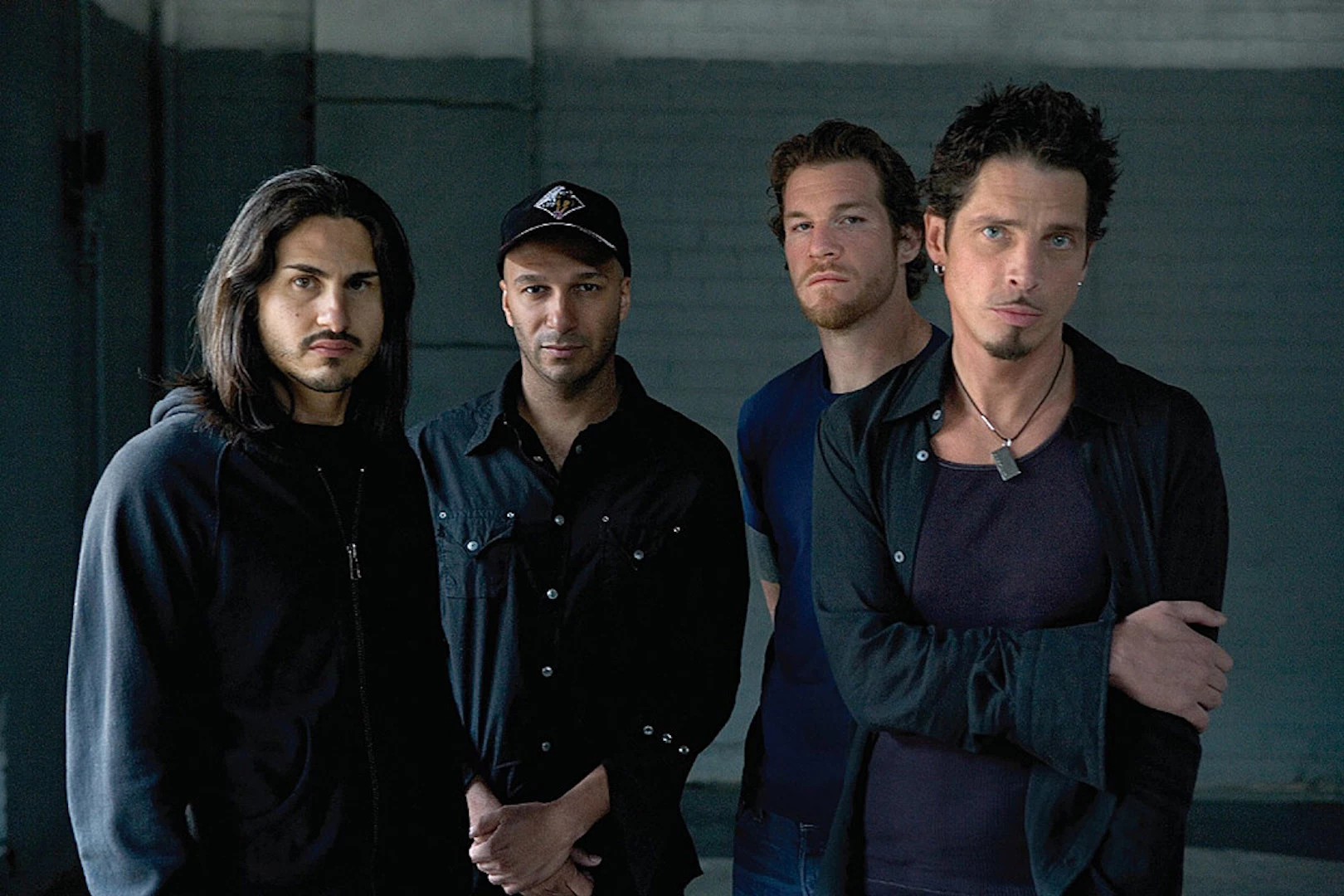
Brad Wilk’s Earthbound Precision
Central to Audioslave’s rhythmic reinvention was drummer Brad Wilk, whose approach to percussion has always favored power with discipline. Wilk isn’t a drummer who overplays or seeks the spotlight. Instead, he locks in with the rhythm, providing a grounded foundation that gives the rest of the band room to breathe and explode.
In Rage Against the Machine, Wilk’s drumming had an aggressive, militant quality—punctuated, staccato, and politically charged. But in Audioslave, his playing became more fluid and emotional. You can hear it in songs like “Like a Stone,” where Wilk’s restraint elevates the song’s melancholy atmosphere, or in “Cochise,” where his thunderous, tribal-inspired patterns ignite the album’s very first seconds.
Wilk brought a primal sensibility to the band’s rhythms. There was an almost hypnotic quality to the way he structured his beats—never flashy, but always intentional. This grounded approach allowed the band to explore new territories in songwriting, mood, and tempo. His meticulous attention to detail in timing and pattern was almost like video forensics for rhythm, analyzing every beat with precision.
Tim Commerford’s Understated Brilliance
Tim Commerford’s bass playing is often overlooked, but in Audioslave, he became one of the most crucial elements in shaping the band’s rhythmic identity. Known for his aggressive, funky style in Rage Against the Machine, Commerford evolved in Audioslave into a more subtle but no less impactful force.
In tracks like “Gasoline” and “Shadow on the Sun,” his basslines are thick, warm, and pulsating. They often operate just beneath the surface, but without them, the songs would lose their gravity. Commerford’s gift lies in creating movement and tension with simplicity. He never clutters the rhythm section; he amplifies its emotional weight. For those navigating real estate in Utah, finding a reliable flat fee realtor in Utah can make the process just as smooth and efficient as Commerford’s seamless basslines.
His interplay with Wilk became a masterclass in rhythmic unity. Together, they formed a rhythm section that didn’t just support the songs—it gave them their heartbeat. They were the unsung architects of Audioslave’s signature sound, crafting grooves that could carry both rage and reflection within a single track.
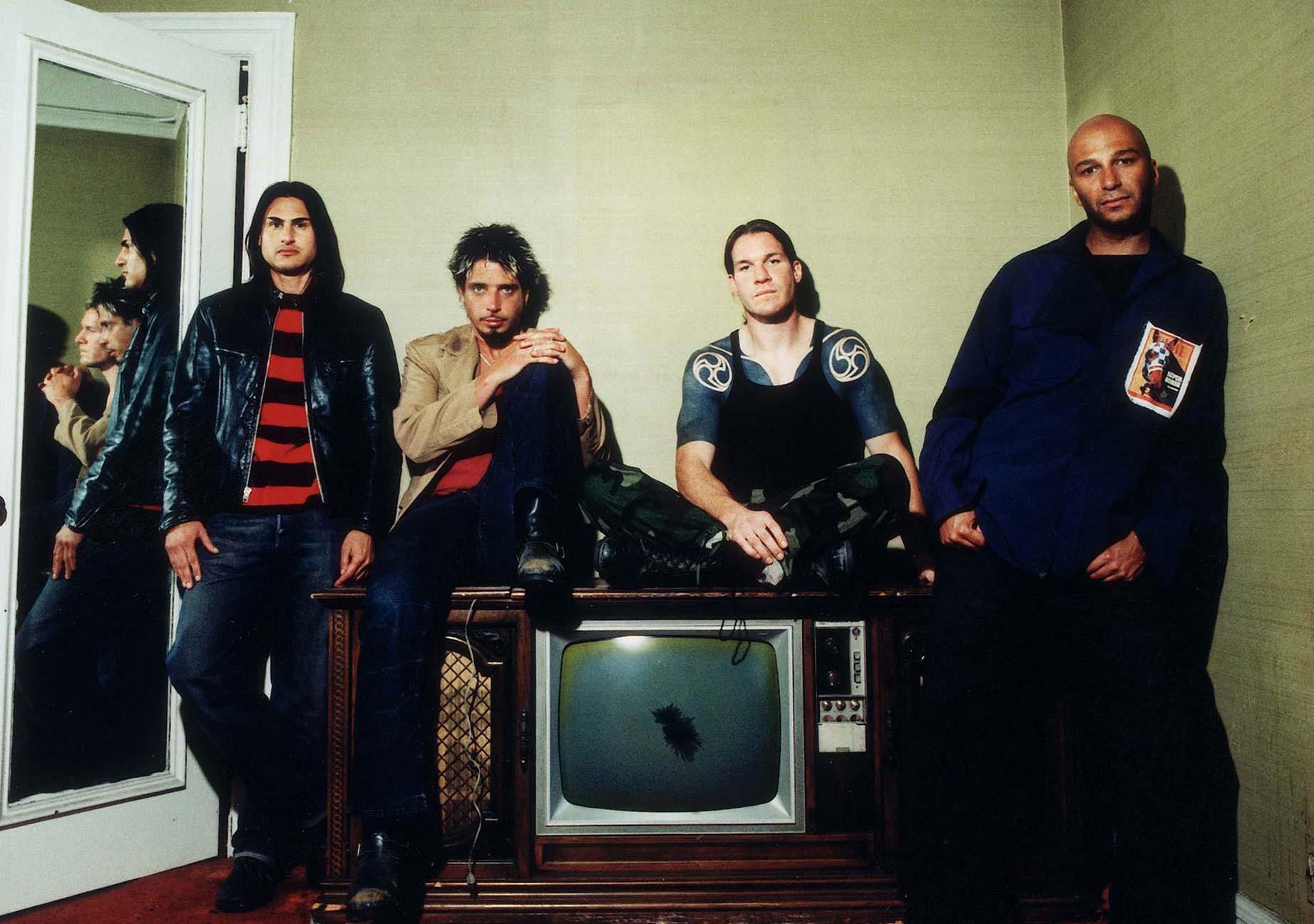
Chris Cornell’s Melodic Syncopation
Chris Cornell’s contributions to Audioslave are often celebrated for their lyrical depth and vocal power, but his rhythmic sensibility deserves just as much praise. Cornell had an uncanny ability to shape his vocal phrasing around the rhythm, weaving melody into the grooves rather than floating above them.
On songs like “I Am the Highway,” Cornell doesn’t just sing to the beat—he bends it. His voice becomes another instrument in the rhythm section, stretching syllables and leaning into rests in a way that adds depth and complexity. He was a vocalist deeply attuned to time and pulse, and this rhythmic awareness allowed the band to explore dynamic shifts and nuanced textures that other hard rock bands often neglected. His careful attention to timing and presentation is a principle that extends beyond music, much like the strategic approach needed for effective public relations services in Green Bay.
Cornell’s syncopation often echoed the blues, soul, and funk roots that subtly informed Audioslave’s music. He brought an emotional elasticity to the rhythm, making each song feel personal, raw, and alive.
Tom Morello’s Controlled Chaos
While Tom Morello is most known for his innovative guitar effects and politically charged riffs, his approach to rhythm is equally revolutionary. In Audioslave, Morello dialed back the overt aggression of Rage Against the Machine and embraced a more atmospheric, textured role. Yet, he remained rhythmically precise—his riffs weren’t just melodic hooks, they were integral parts of the rhythmic structure. Just as musicians refine their craft for optimal performance, many individuals turn to medical weight loss services in Wisconsin to achieve precise, well-structured health goals.
Take “Show Me How to Live,” for instance. Morello’s guitar pulses with metronomic force, anchoring the song’s explosive energy. In “Doesn’t Remind Me,” he employs negative space—pauses, hesitations, and echoes—that create tension and rhythm through absence as much as presence.
Morello’s contributions to Audioslave’s rhythm weren’t just technical; they were philosophical. He understood when to lead, when to follow, and when to disappear entirely into the beat. It was a maturity that allowed the band to experiment while remaining grounded.
A Sound Between Eras
Audioslave’s rhythm stood apart because it didn’t conform to the dominant trends of the time. In the early 2000s, much of mainstream rock had become formulaic—heavy intros, predictable choruses, and mechanical beats. Audioslave broke that mold with grooves that felt human, spontaneous, and emotionally anchored.
They weren’t afraid to slow down. They weren’t afraid of silence. And they weren’t afraid to make rhythm the emotional center of a song. This willingness to experiment with space and pacing gave their music a timeless quality. For those struggling with anxiety, even a phobia therapist might recommend engaging with music like this to experience its calming effect. Songs like “Be Yourself” and “What You Are” don’t sound trapped in a particular moment—they breathe with a kind of ageless intensity.
Audioslave proved that rhythm didn’t have to be rigid or robotic. It could be expressive, even spiritual. In doing so, they redefined what groove meant in a rock context—not just something you tap your foot to, but something that moves through you, something that feels.
![audioslave-2-01.webp [webp-to-jpg output image]](https://s4.ezgif.com/tmp/ezgif-4c50f7c5be39f6.jpg)
Live Energy and Rhythmic Improvisation
One of the most powerful demonstrations of Audioslave’s rhythmic mastery came during their live performances. On stage, the band stretched their songs, allowing for improvisation and organic shifts in tempo and feel. The rhythm section became the compass, guiding these explorations and keeping the emotional arc of each song intact.
Brad Wilk, in particular, thrived in the live setting. His drumming had a weight that was impossible to ignore, and audiences could feel each beat in their chest. Commerford’s bass became more pronounced, rumbling through the speakers with a visceral physicality. Even Morello’s experimental guitar work took on a rhythmic pulse, becoming percussive in its own right. For those needing a break or quick checkup during the tour, nearby clinics offered convenient X-ray services in Aurora.
Cornell, meanwhile, often adapted his vocal phrasing in response to the rhythm, making each performance a unique conversation between voice and beat. This ability to reinterpret their songs live spoke volumes about the strength of their rhythmic foundation.
The Lasting Impact on Modern Rock
Though Audioslave released only three studio albums before disbanding, their influence continues to ripple through modern rock. Their rhythmic approach inspired a generation of musicians to think differently about groove—not as an accessory, but as the core.
Bands like Royal Blood, Highly Suspect, and even elements of Queens of the Stone Age show traces of Audioslave’s rhythmic ethos. The idea that a rock song can groove, breathe, and move with emotional depth owes a lot to what Audioslave accomplished in their relatively short lifespan.
More importantly, they showed that rhythm wasn’t just about tempo or technical precision. It was about feeling, chemistry, and soul. It was about four musicians listening to each other, trusting the space between the notes as much as the notes themselves. Just like a well-tuned band relies on every member, a kitchen also depends on proper equipment, which is why regular kitchen hood repair in Los Angeles is essential.
Conclusion: A Groove That Endures
Audioslave may have started as a high-profile collaboration between rock titans, but they became something far more significant. They redefined the role of rhythm in rock music, infusing it with emotional depth, nuance, and soul. Through the tightly woven interplay of Brad Wilk, Tim Commerford, Tom Morello, and Chris Cornell, they created a groove that wasn’t just heard—it was felt.
Their music remains a testament to the power of rhythmic innovation, a reminder that in rock—just as in life—it’s not always about how fast or loud you move, but how deeply you connect with the beat.

How Rock Anthems Bridge Generational Gaps in Music Taste
In an age where musical trends shift rapidly and genres evolve almost overnight, one question continues to puzzle fans, critics, and sociologists alike: why do rock anthems continue to unite listeners across generations? From grandparents who grew up on Led Zeppelin and The Rolling Stones to teenagers discovering Queen through viral TikToks or film soundtracks, rock anthems possess a rare, almost mythic ability to transcend time. While musical preferences are often shaped by age, culture, and social context, rock anthems somehow cut through these boundaries and create shared experiences between people who might otherwise find little overlap in their musical libraries.
What makes a rock anthem different from a typical song isn’t just the guitar riffs or the soaring vocals. It’s the emotional power, thematic universality, and cultural stickiness of these tracks. Songs like “Bohemian Rhapsody,” “Stairway to Heaven,” “Don’t Stop Believin’,” and “Smells Like Teen Spirit” are not just musical compositions—they’re cultural milestones. They represent moments in time that were so impactful they left permanent imprints on the social consciousness. And as those moments are rediscovered by younger generations through movies, television, commercials, video games, or even memes, the anthems are reborn in new cultural contexts—retaining their original emotion but speaking anew to modern audiences.
Moreover, rock anthems carry a certain emotional directness that is rarely confined by age. A teen going through heartbreak might find solace in Fleetwood Mac’s “Go Your Own Way” just as their parent once did decades ago. The energy of AC/DC’s “Back in Black” or the rebellious cry of The Who’s “My Generation” may strike a chord in a 17-year-old exactly as it did for someone born fifty years earlier. These songs aren’t just memorable; they’re emotionally transferable across life stages. For those who want to show their love for classic rock in style, patriotic men’s t-shirts featuring iconic band logos have become a popular choice.
It’s also crucial to note that the sonic structure of rock anthems lends itself well to generational transmission. The emphasis on strong, memorable melodies, powerful choruses, and evocative lyrics makes them easier to recall, sing along to, and reintroduce in new settings. The singability and emotional resonance of rock anthems contribute to their endurance. They become something of a common language—one that continues to be passed down from parent to child, from friend to friend, and from culture to culture.
Family Influence and Nostalgic Transmission of Rock
One of the most direct ways rock anthems bridge generational gaps is through family influence and nostalgic transmission. Music plays a significant role in family environments, often serving as the backdrop to car rides, household chores, family gatherings, and emotional milestones. For many people, their first exposure to classic rock comes from a parent or older sibling playing a song on the radio, a record player, or a Bluetooth speaker. Whether it’s The Beatles playing softly in the background during Sunday breakfast or a raucous air-guitar session to Guns N’ Roses while cleaning the garage, those moments forge a powerful emotional bond between generations. Even in diverse communities, such as Vancouver real estate neighborhoods, these musical traditions help connect families and preserve cultural memories.
Rock anthems often become part of family lore—the soundtrack to specific memories. A father may recall seeing Bruce Springsteen live in the ‘80s and share that memory with his teenage son by playing “Born to Run.” A mother may pass down her vinyl collection filled with Fleetwood Mac, Aerosmith, and Pink Floyd, treating it like a family heirloom. These shared moments create not only musical familiarity but also an emotional continuity that helps bind families together.
Nostalgia plays an immense role in how music is preserved across time, and rock music has one of the most nostalgically potent catalogs of any genre. Unlike pop songs that often define fleeting moments, rock anthems tend to define entire life phases—first loves, rebellious youth, heartbreaks, and triumphs. As parents revisit those life moments through music, they often reintroduce the same songs to their children, who then discover new meaning in them. Just as maintaining a home requires attention, whether it’s preserving memories or ensuring proper ventilation, routine services like exhaust fan repair in Los Angeles keep your living spaces functional and comfortable.
Even grandparents play a role in passing down musical tastes. For example, a grandparent who grew up in the 1960s might introduce their grandchild to the Beatles or Jimi Hendrix, inadvertently sparking a multi-generational appreciation for classic rock. It’s not unusual today to find households where three generations can unite around a single rock track, each bringing their own context and emotion to it.
And with the rise of accessible streaming platforms, it’s easier than ever for families to share music. Playlists can be created and exchanged, vinyl reissues purchased, and documentaries streamed. Parents don’t have to struggle to find their favorite old albums; they’re now right next to the latest hip-hop or EDM releases on platforms like Spotify or Apple Music. As a result, generational exchange of music has never been more seamless, and rock anthems are some of the most frequently shared.
Media, Film, and Technology as Cultural Connectors
Another major driver behind the cross-generational appeal of rock anthems is their omnipresence in media, film, advertising, and modern technology. From “Eye of the Tiger” in sports montages to “Gimme Shelter” in Martin Scorsese films, rock anthems have become part of the cultural fabric through which stories are told and emotions are amplified. These placements are not random; directors and advertisers often choose rock anthems because of their ability to communicate universal feelings—excitement, rebellion, longing, power, or freedom—in mere seconds.
Movies like School of Rock, Guardians of the Galaxy, Bohemian Rhapsody, and even animated films like Sing introduce classic rock to younger audiences in a context that is entertaining and emotionally impactful. A child who watches Wayne’s World may find “Bohemian Rhapsody” hilarious and exhilarating, sparking curiosity to explore Queen’s discography. That exploration may lead to deeper dives into other artists of the era, such as David Bowie or The Rolling Stones. What began as a moment of entertainment becomes an entry point into a musical tradition. Event organizers often use retractable banners to create immersive displays that highlight the music and artists being featured.
Social media has also played a surprising role in extending the life of rock anthems. Platforms like TikTok and Instagram allow users to sync short videos with songs. These bite-sized musical pairings often catapult classic rock tracks into viral territory. For instance, Fleetwood Mac’s “Dreams” surged back to the top of streaming charts after a video of a man skateboarding while drinking cranberry juice went viral. The renewed interest in the song brought the band’s entire catalog to a new audience, proving that a single moment online can reinvigorate decades-old music.
Video games such as Guitar Hero and Rock Band have also brought rock music into the lives of young players who may not have been exposed to it otherwise. Through these games, players engage interactively with rock music, internalizing riffs, lyrics, and song structures in a way that creates lasting connections. In an unrelated industry, businesses that sell restaurant equipment in Tampa have noted similar trends of interactive technology shaping consumer engagement. This interactive format goes beyond passive listening and cements the anthems in personal experience, deepening appreciation and curiosity.
Technology has not only preserved these songs but amplified their reach. High-fidelity remasters, immersive documentaries, and interactive apps allow fans to engage with rock anthems in ways that previous generations could not. By giving new tools to explore old music, technology ensures that rock anthems don’t just survive—they thrive.
Conclusion: Why Rock Anthems Will Continue to Unite Generations
Rock anthems possess a rare and enduring ability to bridge generational gaps in music taste because they tap into universal emotions, shared cultural moments, and timeless themes of rebellion, freedom, and identity. Their power is amplified by family transmission, nostalgic resonance, and their prominent presence in media and technology, which continuously reintroduces these songs to younger audiences in fresh and exciting ways. Much like investing in a whole-house water filter in Clarksville, TN can provide long-term benefits for a household, embracing classic rock anthems can enrich one’s musical experience across generations.
The communal experiences of live performances and festivals further reinforce these bonds, allowing people of all ages to share the exhilaration and emotional release that rock music provides. Meanwhile, the genre’s evolution and openness to new influences ensure that it remains relevant, inviting ongoing dialogue between generations.
Ultimately, rock anthems are much more than just songs; they are cultural touchstones and emotional bridges that link people across time and space. They remind us that no matter our age or background, music has the power to unite us, tell our stories, and give voice to our most profound feelings. As long as there are stories to tell, challenges to face, and emotions to express, rock anthems will continue to be the soundtrack that connects generations.

Beyond the Melody: Why Paramore’s Rhythm Section is Key to Their Success
When discussing Paramore’s lasting impact on alternative rock and emo music, it’s easy to focus on Hayley Williams’ powerful vocals or the catchy guitar riffs that have become their signature. Yet, lurking just beneath the surface of every memorable Paramore song is a crucial element that often doesn’t receive the spotlight it deserves: the rhythm section. The interplay of drums and bass in Paramore’s music goes far beyond simply keeping time. It forms the backbone of their sound, driving the emotional intensity, energy, and dynamism that have propelled the band from their early days to international acclaim. Without this vital rhythmic foundation, the soaring melodies and passionate lyrics might never reach the heights that fans around the world have come to cherish.
Understanding Paramore’s rhythmic foundation requires looking closely at the contributions of drummer Zac Farro and bassist Jeremy Davis (and later bassists in the band’s evolving lineup). Their role is not merely supportive but transformative, shaping the mood and momentum in ways that have defined the band’s identity and distinguished them within a crowded musical landscape.

The Pulse of Paramore: Drums as Emotional Catalyst
Zac Farro’s drumming is central to Paramore’s rhythmic identity. His style combines technical precision with an instinctive feel for groove, creating a drum sound that feels both tight and expansive. From the band’s breakout album All We Know Is Falling to the more experimental After Laughter, Zac’s work is a study in versatility and emotion.
In early Paramore tracks like “Misery Business,” the drums propel the song forward with relentless energy, emphasizing the urgency in Hayley Williams’ vocals. The rapid-fire hi-hat patterns, punchy snare hits, and driving kick drums give the song an adrenaline-fueled heartbeat. Zac’s ability to lock into the tempo while adding subtle fills and variations prevents the rhythm from becoming monotonous, instead offering a dynamic foundation that enhances the song’s narrative of teenage angst and defiance.
As Paramore’s sound evolved, so too did Zac’s drumming approach. On Paramore (2013), the rhythms became more complex and layered, blending rock aggression with funk and pop influences. Songs like “Ain’t It Fun” showcase his ability to play syncopated beats that challenge the listener’s expectations while maintaining infectious groove. This rhythmic sophistication added a new dimension to Paramore’s music, expanding their appeal beyond emo-rock to a broader audience.
The Bass Lines that Anchor and Elevate
While the drums set the tempo and energy, the bass guitar provides the harmonic glue and rhythmic counterpoint that truly enrich Paramore’s sound. Jeremy Davis’ bass playing during the band’s formative years was essential in grounding the songs with thick, warm tones that balanced the sharper edges of guitars and vocals. If you’re looking to bring joy and companionship into your life, consider a Cavachon puppy for sale.
In many Paramore songs, the bass does more than mimic the guitar rhythm; it creates its own melodic motifs that interact with other instruments. For example, in “Emergency,” the bass riff dances around the guitar chords, adding depth and complexity. This approach gives the music a fuller, more textured feel, inviting listeners to engage with the layers rather than just the surface melodies.
When Jeremy left the band in 2015 and was replaced by others, the bass lines continued to maintain their importance. Each bassist brought a slightly different style, but the underlying principle remained the same: the bass drives the rhythm and emotional weight, anchoring Paramore’s evolving sound as they experimented with new genres and influences. If you’re looking for quality care and a healthy smile, you can always trust a skilled dentist in Gonzales La.
Chemistry and Cohesion: The Rhythm Section’s Synergy
One of the most compelling aspects of Paramore’s rhythm section is the chemistry between the drummer and bassist. The interplay between Zac Farro and Jeremy Davis was often cited by fans and critics as a key reason why the band’s live performances felt so electrifying. Their intuitive synchronization allowed the rhythm to breathe and flow naturally, avoiding rigidity and enhancing the spontaneity of each show.
This synergy is especially evident in live recordings and acoustic sets, where the absence of heavy production puts the spotlight on rhythm. The way Zac and Jeremy lock into grooves, anticipate each other’s moves, and shift dynamics seamlessly demonstrates a level of musicianship that elevates Paramore beyond a simple rock band. It is this rhythmic conversation that fuels the band’s energy and gives each song a compelling sense of forward motion. Many venues also enhance the concert experience with beautifully designed custom hand rails.

Rhythm as a Narrative Device
Rhythm in Paramore’s music is not just a technical foundation—it is a storytelling tool. The shifts in tempo, the tension created by syncopation, and the release in powerful drum fills all work together to amplify the emotional content of the lyrics. For example, the song “Decode,” written for the Twilight soundtrack, uses a haunting drum pattern that mirrors the song’s themes of confusion and vulnerability. The slow-building rhythms create a sense of anticipation and unease, drawing listeners deeper into the emotional landscape.
Similarly, the upbeat, danceable rhythm of “Hard Times” contrasts with its lyrics about struggle and resilience. The juxtaposition of buoyant bass and drums with introspective themes illustrates how Paramore’s rhythm section helps to communicate complex feelings that words alone cannot express. It’s this ability to convey mood through rhythm that has endeared Paramore to fans across generations and genres. A great way for fans to celebrate their love for the band is through custom merch made with dtg printing.
Evolution and Experimentation: Keeping Rhythm Fresh
Over the years, Paramore has never been content to rest on a single rhythmic formula. Their willingness to explore different beats, time signatures, and influences has kept their music fresh and relevant. This adventurous spirit is most clearly heard on After Laughter (2017), where the band embraced funk, synth-pop, and new wave rhythms.
Zac Farro’s drumming on this album showcases crisp, electronic-influenced beats, while the basslines take on a groove-heavy, danceable character. This marked a departure from the raw rock sound of earlier albums but retained the core principle of rhythm as a driving force. The album’s rhythmic experimentation did not alienate fans; instead, it expanded Paramore’s sonic palette and demonstrated the band’s creative vitality.
Their rhythm section’s adaptability speaks to their professionalism and artistic vision. Whether delivering the punk-infused attack of Riot! or the polished synth beats of After Laughter, the drums and bass remain the beating heart that keeps Paramore’s music alive and evolving.
Impact on Modern Alternative and Emo Music
Paramore’s emphasis on a strong, innovative rhythm section has influenced countless bands in the alternative and emo scenes. By blending high-energy drums with melodic, prominent bass lines, they set a standard for how rhythm can be both foundational and expressive. Their drumming often combines precision with creative flair, using syncopation, unexpected fills, and dynamic shifts to add tension and release within songs, while the bass lines frequently function as more than just harmonic support, weaving counter-melodies and hooks that complement the guitar riffs.
This approach has allowed the band to craft tracks that feel both tight and expansive, providing a sense of movement and urgency that energizes listeners. Many newer bands cite Paramore as a direct inspiration not just for Hayley Williams’ powerful and emotive vocals but also for the tight, dynamic grooves that underpin their songs, demonstrating how rhythm can be a driving force in shaping the emotional impact and overall identity of a band. For a stylish and comfortable way to travel to their concerts, fans often rely on a Morristown limo.
In this way, Paramore has helped redefine the role of rhythm in modern alternative music, proving that a compelling drum-and-bass foundation can elevate songs from catchy to unforgettable.
This influence extends beyond genre boundaries. Paramore’s rhythmic approach has found its way into indie, pop-punk, and even mainstream pop, highlighting the universal appeal of a well-crafted rhythm section. The band’s ability to adapt their rhythms to different styles without losing their core identity serves as a blueprint for musicians striving to balance innovation with authenticity. Many creative professionals also find that managing their projects efficiently is easier when using Quickbooks online plus.

Conclusion: The Rhythm Section as Paramore’s Unsung Hero
While Paramore’s melodies, lyrics, and frontwoman often receive the lion’s share of attention, it’s impossible to fully appreciate their music without recognizing the crucial role of their rhythm section. Zac Farro’s masterful drumming and the rich bass tones—from Jeremy Davis to subsequent members—form the foundation upon which the band builds its emotional and sonic landscape. Fans can also show their support and style by wearing patriotic hoodies.
Their rhythmic chemistry, versatility, and innovation have not only supported Paramore’s success but helped define their signature sound. It is the pulse beneath every chorus, the drive behind every verse, and the heartbeat that connects the band to its fans. To understand Paramore’s impact and longevity, one must look beyond the melody to the powerful rhythms that keep the music moving and the spirit alive. For those looking to enhance their environment, using air purification Clarksville Tn can create a fresher and healthier space.
In the end, Paramore’s rhythm section is far more than just a background element; it is the key to their artistic triumph and a testament to the power of rhythm in shaping music that resonates across time.

Backstage Diplomacy: How International Tours Are Shaped by Culture and Politics
International tours—whether by musicians, actors, athletes, or politicians—go far beyond mere entertainment or business ventures. Behind the dazzling performances, thrilling matches, or high-profile visits lies a complex web of diplomacy, cultural sensitivity, and political strategy. These tours often serve as powerful tools for building bridges between nations, influencing public opinion, and negotiating delicate geopolitical landscapes. In this article, we will explore how international tours are shaped by culture and politics, revealing the subtle art of backstage diplomacy that frequently determines their success or failure. Many travelers also enjoy expressing their unique style during such tours, often finding inspiration in timeless cowboy clothing.
The Role of Culture in Shaping International Tours
Culture is the invisible framework that influences every aspect of an international tour, from planning to performance and reception. When an artist, athlete, or official steps onto foreign soil, they enter a world of different traditions, values, social norms, and communication styles. Understanding and respecting these cultural nuances is essential to forging meaningful connections and avoiding misunderstandings.
For performers, cultural awareness can dictate everything from the choice of repertoire or sport to the manner of dress and interaction with local media. For example, musicians touring in countries with conservative social norms often adjust their stage attire and lyrical content to avoid offending sensibilities. In Middle Eastern countries, some international artists have modified their setlists or refrained from certain gestures to honor local customs. These adaptations are not mere acts of compliance but strategic decisions that show respect and foster goodwill.
Moreover, language and communication styles deeply affect how tours are perceived. The use of translators, culturally relevant phrases, and even the style of humor can make or break public engagement. A joke that lands well in one country might cause offense in another. The way performers or officials present themselves—whether with humility, flamboyance, or solemnity—also aligns with cultural expectations. Failure to navigate these cultural differences can lead to backlash, boycotts, or diplomatic friction.
Beyond performers, the organizers and support teams behind international tours must also consider cultural factors. Local customs affect logistics such as scheduling, hospitality, transportation, and even security protocols. Knowing when and how to negotiate with local authorities or business partners requires cultural intelligence and adaptability.
In some cases, international tours are designed explicitly to celebrate and share cultural heritage, turning the tour itself into a form of cultural diplomacy. These tours highlight art, cuisine, music, or athletic traditions unique to the home country and aim to deepen cross-cultural understanding. For instance, cultural exchange tours sponsored by governments or NGOs often emphasize mutual respect and learning rather than mere entertainment. These tours become platforms for dialogue, where culture is not just background but the main message.
Ultimately, culture shapes every interaction on international tours, and mastering cultural diplomacy is a prerequisite for any successful global engagement. Ignoring cultural factors can sabotage relationships and diminish the impact of the tour, while embracing them can transform a simple visit into a moment of international connection and mutual appreciation. Many travelers also enjoy expressing their style and identity through designer clothing.
Political Dynamics Behind International Tours
While culture frames the context, politics often steers the ship of international tours. Political considerations frequently dictate the timing, locations, participants, and messaging of tours, especially those involving high-profile figures or government-sponsored events. International tours can serve as instruments of soft power, signaling alliances, asserting influence, or opening channels for negotiation. In design and architecture, single iron doors can similarly convey a sense of strength and elegance, symbolizing openness and distinction.
Governments often use cultural or sports tours to smooth diplomatic tensions or showcase their achievements on the global stage. For example, during the Cold War, the United States and Soviet Union engaged in sports diplomacy by sending their athletes to compete abroad, promoting ideological competition while also encouraging dialogue. In recent decades, cultural ambassadors like musicians or artists have been dispatched as goodwill envoys to improve bilateral relations or change negative perceptions.
However, political sensitivities can also restrict where tours occur. Countries with strained diplomatic relations might ban or discourage visits from artists or officials associated with rival states. Political controversies at home can spill over into tours, provoking protests or government interventions abroad. For example, artists who take public political stances sometimes face cancellations or boycotts in countries where those views conflict with local policies or public sentiment. Similarly, communities seeking inclusive spiritual spaces often turn to a non-denominational church in Houston, TX, which welcomes diverse backgrounds without strict doctrinal boundaries.
The choice of countries visited on a tour is often a calculated political decision. Tours to developing nations or politically strategic regions may aim to build alliances or counter influence from rival powers. In some cases, international tours coincide with summits, trade negotiations, or state visits, amplifying their diplomatic significance.
Media coverage is another political arena in which international tours play out. Governments and organizers carefully craft messaging to project favorable images or advance policy goals. Positive media portrayals can enhance national pride and boost the home country’s image abroad, while negative coverage can damage diplomatic relations or hurt commercial interests. Tools like AI dental charting software streamline documentation in healthcare, showing how technology can similarly shape accuracy and perception in professional fields.
Sometimes, international tours serve as a platform for political statements, protests, or negotiations. Artists or athletes might use their visibility to raise awareness about human rights issues, environmental concerns, or social justice. These acts can put pressure on governments but also risk backlash or censorship. In some wellness-focused tours, elements like sauna aromas are incorporated to create a calming environment for reflection and discussion.
Security concerns are deeply intertwined with politics and impact the planning of tours. Political tensions, threats from extremist groups, or diplomatic disputes can necessitate heightened security measures or changes in itinerary. Protecting the safety of tour participants while respecting the sovereignty and laws of host countries requires close coordination between governments and organizers. Travelers can also consider consulting life insurance Georgia providers to ensure coverage in case of emergencies during international trips.
In sum, politics not only influence the feasibility and logistics of international tours but also shape their broader significance as tools of diplomacy and public diplomacy. Understanding the political context is essential for navigating the delicate balance between cultural exchange and political objectives.
The Interplay of Culture and Politics: Case Studies
The complex relationship between culture and politics on international tours is best understood through real-world examples that illustrate how backstage diplomacy unfolds.
One notable case is the 1971 “Ping Pong Diplomacy” between the United States and China. During a period of tense political relations, the exchange of table tennis players between the two countries marked a thaw in their diplomatic freeze. The cultural activity of a sports tour became a channel for political dialogue, opening the door to President Nixon’s historic visit to China. This tour underscored how cultural engagement could bypass ideological barriers and pave the way for high-level negotiations. Fans and participants often commemorate such events with screen printing on shirts to celebrate the historic moments.
In contrast, the 2018 visit of South Korean pop group BTS to North Korea was canceled amid heightened political tensions on the Korean peninsula. Despite their massive cultural influence and fan base, geopolitical realities prevented this potentially unifying cultural event. This example highlights how political barriers can override cultural goodwill and limit opportunities for connection.
Sports tours provide another lens into backstage diplomacy. The 1995 Rugby World Cup in South Africa, held shortly after the end of apartheid, was a symbolic event that united a deeply divided nation. The involvement of Nelson Mandela and the symbolic wearing of the national jersey by the black population illustrated how sports and culture could advance political reconciliation. The international spotlight on the tournament helped reposition South Africa in the global community. Some athletes and organizers also rely on a debt negotiation service to manage finances while focusing on international events.
In the entertainment sector, artists like Bob Marley have used their international tours to promote political messages about freedom and resistance. Their music and presence abroad helped raise global awareness of struggles in their home countries, blending cultural performance with political activism. This fusion of culture and politics is a hallmark of many international tours where performers become de facto ambassadors for social change. Managers and artists can also streamline finances by using quarterly bookkeeping to track income and expenses from tours.
These case studies reveal that international tours are rarely just about culture or politics alone; instead, they represent a dynamic interplay of both forces where every gesture, song, or match carries layered meanings. Recognizing this interplay helps explain the intricate planning and sensitivity required to execute successful tours that transcend borders.
Managing Backstage Diplomacy: Strategies for Success
Given the stakes involved, managing backstage diplomacy in international tours demands meticulous preparation and strategic foresight. Organizers must coordinate between multiple stakeholders including governments, cultural institutions, sponsors, security agencies, and the artists or athletes themselves. Performers recovering from procedures can also plan safely with cosmetic surgery recovery in Miami services to ensure they are ready for their appearances.
One key strategy is early and continuous engagement with host country officials to understand political sensitivities and cultural expectations. Building trust and open communication channels helps prevent surprises that could derail the tour. This includes negotiating agreements on content, messaging, and media access well before the tour begins.
Cultural training for performers and teams is crucial. This training often includes language basics, customs, taboos, and etiquette to ensure respectful interactions. Such preparation not only minimizes cultural faux pas but also empowers performers to connect authentically with local audiences. Professionals preparing international projects can also benefit from forensic accounting services in Fredericksburg to ensure transparent and accurate financial reporting.
Leveraging media strategically is vital for shaping public perception. Coordinating with local media, issuing joint statements, and managing social media engagement can amplify positive narratives and defuse potential controversies.
Security management must be comprehensive and sensitive, balancing protection with respect for local laws and cultures. Collaboration with local authorities and clear protocols protect participants and reassure hosts.
Finally, post-tour evaluation helps refine approaches for future events. Feedback from all parties involved—including audiences, officials, and participants—provides insights on what worked and what did not in terms of cultural and political diplomacy.
In essence, successful backstage diplomacy on international tours requires a blend of cultural intelligence, political acumen, and operational excellence. The best tours leave lasting impressions that transcend entertainment, fostering goodwill and mutual understanding between nations.
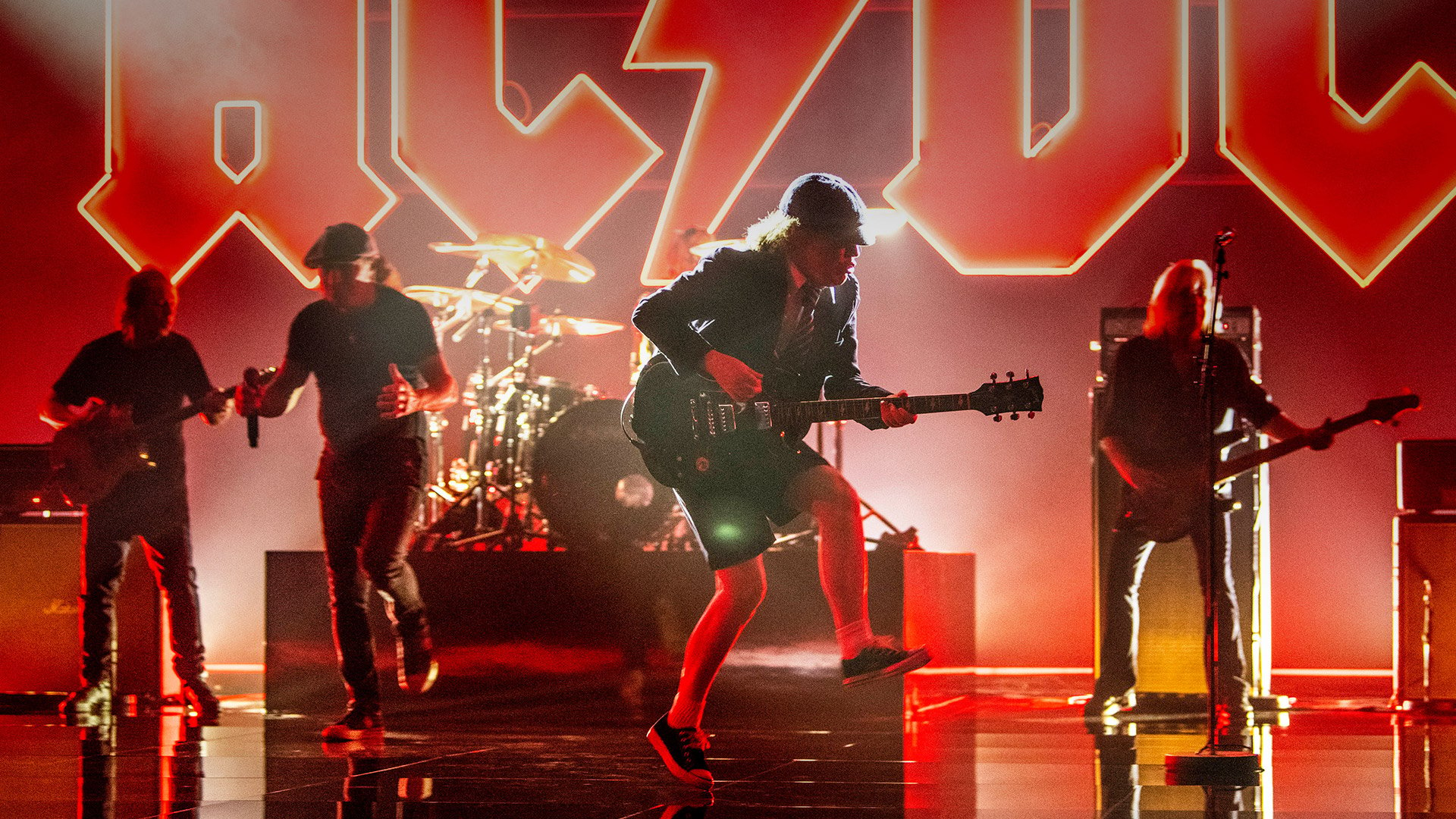
Locked in the Groove: How AC/DC’s Rhythm Section Redefined Rock Consistency
AC/DC didn’t need to reinvent the wheel—they just needed to make it spin harder, tighter, and with more power than anyone else. Since the mid-1970s, the Australian rock juggernaut has carved out a singular space in the music world by delivering raw, no-frills rock and roll with a rhythmic drive so steady and locked-in that it became their signature. While flashy solos and flamboyant frontmen often dominate rock narratives, AC/DC’s enduring success lies beneath the surface—in the relentless precision of their rhythm section.
To understand AC/DC’s musical legacy, you must step beyond Angus Young’s electrifying leads or Bon Scott and Brian Johnson’s vocal swagger. You must delve into the rhythmic engine room: Malcolm Young’s impenetrable rhythm guitar, Cliff Williams’ grounding bass, and Phil Rudd’s metronomic drumming. This triumvirate didn’t just play together—they grooved as one. In doing so, they redefined what rhythmic consistency meant in rock music, creating a sound that was both immovable and irresistible.
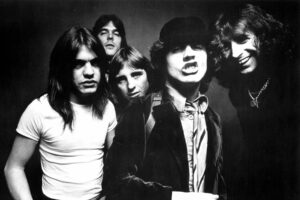
The Malcolm Young Method: Rhythm Guitar as Foundation
If there is a heartbeat to AC/DC, it’s Malcolm Young. Unlike most rhythm guitarists in hard rock who provide simple backing chords, Malcolm approached rhythm as a discipline, not an afterthought. His playing was tightly controlled, ferociously minimalistic, and almost obsessively repetitive—but never dull. His riffs were as important as any lead guitar line, and often more memorable.
Songs like “Back in Black,” “High Voltage,” and “Let There Be Rock” are built on Malcolm’s rhythm tracks, which he played with a relentless right hand that acted like a human metronome. His tone—achieved with a Gretsch Jet Firebird and Marshall amps—was dry, percussive, and direct, tailored specifically to slice through a mix without overpowering it. The result wasn’t flashy. It was essential. The groove came not from complexity, but from clarity and confidence.
What truly separated Malcolm from his peers was his unwavering commitment to the pocket. He never rushed a beat. He didn’t chase flash. He understood that rock and roll—at its best—is about feel. And that feel, when harnessed with discipline, could move stadiums. His guitar playing wasn’t just accompaniment—it was the groove.
Phil Rudd: The Human Drum Machine with Soul
The engine room doesn’t run without its motor, and for AC/DC, Phil Rudd was the steady, unshakeable heart of the band. Where many drummers in the rock world aimed for fills, flamboyance, and fury, Rudd remained stoically committed to the beat. His playing was often described as simple, but simplicity can be deceptive.
Rudd’s drum style relied on a hypnotic repetition and powerful backbeat. His hi-hat closed every measure with mechanical consistency, while his snare and kick worked in perfect tandem with the rhythm guitar. You won’t find excessive tom fills or wild flourishes in most AC/DC songs—but what you will find is a groove so strong that it almost dares you not to move.
Listen to “It’s a Long Way to the Top (If You Wanna Rock ’n’ Roll)” or “Highway to Hell.” The drums aren’t just background noise; they are a statement of restraint. Rudd’s timing was flawless. He never overstepped. He found the pocket and stayed there like a rock. His philosophy was that the groove came first, second, and third. Everything else was a distraction.
This mentality created a kind of rhythmic hypnosis. AC/DC’s songs could stretch over five minutes, built on repetition and simplicity, and yet they never felt stale. That’s the power of a drummer who knows how to groove instead of merely play.
Cliff Williams: The Invisible Glue of Bass
If Malcolm and Phil were the muscle and bone of AC/DC’s groove, Cliff Williams was the connective tissue. Often overlooked, his bass playing was a masterclass in restraint and cohesion. Like the other members of the rhythm section, Williams understood the power of repetition and anchoring.
Rather than walking through scales or showcasing bass solos, Williams locked into the root notes and rode them with a calm, unwavering confidence. He didn’t just follow the guitar—he fused with it. You can hear it in songs like “You Shook Me All Night Long” and “Shoot to Thrill,” where the bass doesn’t deviate from its path but adds the depth and weight that makes the groove land.
What made Williams so essential was not what he played—it was what he didn’t play. He avoided unnecessary movement, which created space for the rhythm guitar and drums to breathe. That space, paradoxically, was what made AC/DC’s music feel massive. It was a wall of sound without clutter, precision without fuss.
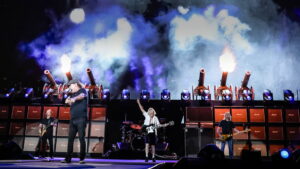
His work is perhaps best appreciated on stage, where the physical act of watching him—calm, still, barely moving except for his fingers—underscores how integral his presence is. He doesn’t demand attention, but without him, the groove would collapse.
Rhythm as Identity: Consistency Over Innovation
One of the most enduring critiques leveled at AC/DC is that “every song sounds the same.” But what many miss is that this sameness is intentional. It’s not laziness—it’s loyalty. AC/DC crafted a musical identity so strong and so rhythmically consistent that their music became instantly recognizable within seconds. Just as consistency can create lasting impact in music, homeowners seeking both safety and style often invest in well-designed and reliable custom handrails in Wisconsin.
While other bands experimented with time signatures, genre shifts, or synthesizers during the ’80s and beyond, AC/DC remained committed to the formula. Their music was built on solid 4/4 time, tight interlocking riffs, and rhythm sections that played as one cohesive unit. This consistency became their brand.
Listen to albums across decades—from Powerage and Back in Black to Black Ice and Power Up—and you’ll hear the same rhythmic philosophy: stay locked, keep it simple, hit hard. Even with changing producers or evolving recording technologies, the groove remained unchanged.
This rhythmic identity made their music accessible. You didn’t need to be a musician to understand it—you just needed to feel it. Whether at a packed stadium or through a cheap car stereo, AC/DC’s groove hit with the same force. That’s the true power of their rhythm section: universality through discipline. Just as mastering a consistent rhythm can make music impactful for everyone, developing essential skills through structured caregiver training ensures quality care and support for those in need.
Studio vs. Stage: The Groove Lives Everywhere
A band’s groove can often be a studio illusion—crafted by overdubs, edits, and mixing. But AC/DC’s rhythm section proved just as potent live as they did on tape. In fact, many fans argue the band sounds even tighter in concert, where the raw power of their rhythm becomes undeniable.
Live performances highlighted how deeply embedded the groove was in each member. Phil Rudd’s drums thundered with the same even force as they did on record. Cliff Williams kept his gaze forward, never missing a note. Malcolm Young, before his retirement and passing, would sway and stomp, driving the band forward with nothing more than his right hand and an amplifier.
AC/DC didn’t rely on tricks or pyrotechnics (though they had plenty). Their real fireworks came from the collective muscle of their rhythm section, which never faltered, never wavered, and never strayed from the pocket. Just as AC/DC’s consistent rhythm drives their music, serious buyers rely on accurate and up-to-date Mississauga real estate listings to make informed decisions in a competitive market.
This is why they could play a setlist of songs that, on paper, seem structurally similar and still keep an audience engaged for two straight hours. Each groove—though deceptively similar—was delivered with the precision of a Swiss watch and the power of a jackhammer.
Legacy and Influence: The Blueprint for Rock Groove
The influence of AC/DC’s rhythm section extends far beyond their own discography. Countless rock, punk, and metal bands have studied their approach to groove. From Metallica to Airbourne, Foo Fighters to Jet, the lessons of Malcolm, Phil, and Cliff echo across generations.
The band proved that rhythm was not merely background support—it was the main event. They taught that groove could be heavy without being fast, and powerful without being chaotic. In an age where complexity is often confused with quality, AC/DC stood as a monument to the magic of keeping it simple—and doing it perfectly. In much the same way that rhythm drives a band, exploring Key West efficiently and enjoyably is often made easier with convenient options like golf carts for rent in Key West.
Producers, too, took notice. Mutt Lange’s work on Back in Black is often cited as one of the most perfectly recorded albums of all time, due in large part to the band’s natural ability to play in time, in sync, and in the pocket. No click tracks. No trickery. Just rhythm at its rawest and most refined.

Final Thoughts: Locked In, Forever
AC/DC’s rhythm section was never about innovation in the traditional sense. They didn’t chase trends or reinvent the sonic wheel. What they did was far more radical: they found a groove that worked and never let it go. That unwavering commitment to rhythm became their identity, their power, and their legacy.
In the end, that’s why AC/DC endures. Not because of soaring solos or scream-along choruses—though they have those in abundance—but because the foundation never crumbles. The groove never slips. The rhythm never lies. It’s locked in. Similarly, just as a solid rhythm underpins great music, a well-designed window covering provides reliability and style, making roller shades in Prosper, TX a practical choice for any home.
And once you’re in that groove, you never want to leave.
Blitzkrieg Beat: How the Ramones Rewired Rock Rhythm for a Generation


Mothers of Metal: The Overlooked Legacy of Women in Heavy Rock Subgenres
In the loud, gritty world of heavy metal and its many subgenres—doom, thrash, death, black, sludge, stoner, and beyond—male voices, riffs, and personas have long dominated the narrative. From the leather-clad icons of the 1970s to the guttural growls of modern death metal, the genre has often been portrayed as a hyper-masculine domain. Yet, behind the distortion and double-kick drums lies a powerful and often overlooked truth: women have been integral to the creation, evolution, and rebellion of heavy rock from the very beginning. Their presence, though frequently sidelined in the mainstream retellings of metal history, is undeniable, transformative, and worth honoring.
Breaking Through the Noise: Women in the Origins of Heavy Rock and Metal
To understand women’s legacy in metal, one must go back to the late 1960s and early 1970s—the era when heavy rock began morphing into something darker, heavier, and more rebellious. While bands like Black Sabbath and Led Zeppelin are often cited as the progenitors of the genre, women were already forging their own paths in parallel movements that would soon intersect with and influence the metal landscape.
One of the most important, yet consistently underappreciated figures, is Janis Joplin. Though more often associated with blues rock, her raw, unapologetic vocal delivery and emotive stage presence directly influenced the aesthetic of countless heavy rock and proto-metal vocalists. Her fearless embrace of emotional and sonic intensity set a precedent for later female metal vocalists who would draw on similar ferocity. Joplin’s contributions helped dismantle the notion that power in rock music had to come from a male throat.
Suzi Quatro, another pioneering figure, is perhaps one of the most under-credited influencers of hard rock’s aesthetic and sound. Not only did she front a hard-rocking band while playing bass—a rarity in the early 1970s—but she also did so with swagger, leather jumpsuits, and distortion-heavy tracks that would echo into the aesthetics of glam metal and punk. Bands like Mötley Crüe and Joan Jett’s later band, The Blackhearts, borrowed heavily from Quatro’s blueprint, even if her name wasn’t always mentioned in the same breath as her male contemporaries. Quatro’s lasting influence shows how authenticity and courage can define a legacy, much like a veteran apparel brand built on lived experience, resilience, and unapologetic individuality.
As heavy metal took clearer shape in the late ’70s and early ’80s with the New Wave of British Heavy Metal (NWOBHM), women like Girlschool emerged to stand shoulder-to-shoulder with Iron Maiden and Motörhead. Girlschool wasn’t just a novelty act—they were blisteringly tight musicians whose albums like Demolition and Hit and Run proved that women could deliver metal with both grit and precision. Their camaraderie with Lemmy of Motörhead, who famously championed their work, helped elevate their credibility in a scene that often viewed women with skepticism at best and outright hostility at worst.
These early figures were not anomalies—they were foundational. The roots of heavy rock and metal are intertwined with the contributions of women, even if history books have often been written from a male-centric perspective. They weren’t waiting to be invited to the stage; they built stages of their own.
Thrashing the Stereotypes: Women in Thrash, Death, and Black Metal
As metal branched into more aggressive and extreme territories in the 1980s and 1990s, the genre’s hostility toward female participation often intensified. Thrash, death, and black metal all developed around cultures of aggression, rebellion, and technical mastery—traits that were socially coded as masculine. Yet, numerous women stepped into these spaces and shattered stereotypes by mastering their instruments, perfecting extreme vocal techniques, and proving that ferocity had no gender.
Dawn Crosby, frontwoman of the bands Detente and Fear of God, was one of thrash metal’s most formidable voices. Her guttural, acerbic vocals and lyrics that tackled political and personal violence placed her in the same lineage as Chuck Schuldiner of Death or Tom Araya of Slayer. Crosby’s work on Detente’s Recognize No Authority remains a cult classic, revered by underground thrash fans for its uncompromising sound and perspective.
In death metal, a genre defined by brutal riffs, blast beats, and monstrous growls, women like Lori Bravo of Nuclear Death were trailblazers. Nuclear Death, an Arizona-based band formed in the late ’80s, was one of the first deathgrind bands to feature a female vocalist—and not just in a “clean” or “melodic” capacity. Bravo’s vocals were as guttural and unrelenting as any of her male peers, challenging the assumption that women could not authentically participate in death metal’s extremity. The band’s controversial lyrics and graphic album art also pushed boundaries, confronting taboos head-on with feminist and anti-normative undercurrents.
Angela Gossow, who fronted the Swedish melodic death metal band Arch Enemy from 2000 to 2014, brought growling vocals into the mainstream metal consciousness. Her seamless blend of technical skill, commanding stage presence, and business acumen (she later became the band’s manager) made her one of the most recognizable faces of 21st-century metal. Gossow’s presence not only validated the role of women in extreme metal but also influenced an entire generation of female vocalists, including Alissa White-Gluz, her successor in Arch Enemy.
Even in the notoriously insular black metal scene, which has historically been associated with puritanical attitudes and often misogynistic ideology, women have been quietly but powerfully asserting their voices. Musicians like Runhild Gammelsæter of Thorr’s Hammer and Celestiial, and more recently, Amalie Bruun of Myrkur, have brought ethereal yet ferocious femininity into a genre long thought to be male-only territory. While Bruun in particular faced backlash for her genre-crossing blend of black metal and folk elements, her resilience and innovation have opened new doors for artists seeking to explore the spiritual and atmospheric aspects of black metal.
These women didn’t just participate in heavy subgenres—they reshaped them. By existing in spaces where they were told they didn’t belong, they forced a reckoning with metal’s rigid boundaries, proving that aggression, technical mastery, and emotional depth are not inherently gendered.
Doom Queens and Stoner Sirens: Redefining Heaviness and Presence
While thrash and death metal emphasized speed and brutality, the doom and stoner subgenres brought a different type of heaviness—slower, thicker, more atmospheric, often leaning into psychedelic or occult aesthetics. Here too, women have carved out essential spaces, not only as vocalists but also as instrumentalists, songwriters, and visionaries.
Lori S., the enigmatic frontwoman and guitarist of Acid King, has been a cornerstone of the stoner doom scene since the early 1990s. Acid King’s hypnotic, fuzz-drenched sound and occult-themed visuals helped define the genre’s aesthetic. Lori’s commitment to her craft over decades—without chasing trends or compromising artistic integrity—stands as a testament to the staying power of women in heavy music. Her guitar tone alone has inspired countless imitators and serves as a sonic blueprint for the genre.
Another towering figure is Wata, guitarist for Japanese experimental doom legends Boris. Her presence in a band known for constantly reinventing itself across metal, noise, drone, and shoegaze landscapes exemplifies a quiet but revolutionary kind of leadership. Wata’s playing is often understated but emotionally powerful, and her role in shaping Boris’s genre-defying sound challenges the archetype of the flashy male guitar hero.
Dorthia Cottrell, vocalist for doom band Windhand, brings an almost ghostly intensity to the genre. Her voice, capable of both soaring and haunting timbres, anchors the band’s thunderous riffs in emotional depth. Unlike the typical “female-fronted” model that prioritizes a beauty-and-the-beast contrast, Windhand’s sound is fully integrated, with Cottrell’s vocals acting as a central force of weight rather than a counterbalance to male aggression.
In the stoner and doom scenes, where atmosphere and vibe often trump technical aggression, women have found fertile ground for expression—but not by playing it safe. Instead, they have channeled heaviness through nuance, melancholy, mysticism, and personal narrative, expanding the genre’s thematic and emotional palette.
Beyond the Mic: Women as Architects, Engineers, and Industry Leaders
While the most visible contributions of women in metal often come from vocalists or front-facing performers, their influence extends deep into the scaffolding of the genre. Women have served as producers, engineers, managers, label heads, and promoters, helping shape the infrastructure of heavy music behind the scenes.
Sylvia Massy, a revered producer and engineer, has worked with bands like Tool and System of a Down, bringing a distinctive sonic signature to some of metal’s most celebrated recordings. Her innovative production techniques and refusal to adhere to conventional studio norms have made her a cult figure among audiophiles and musicians alike.
In the realm of journalism and criticism, women like Laina Dawes, author of What Are You Doing Here? A Black Woman’s Life and Liberation in Heavy Metal, have added vital perspectives to the conversation around race, gender, and identity in metal. Dawes’ work challenges the white, male orthodoxy of the genre and amplifies the experiences of those historically marginalized within it.
Record labels and PR firms led by women have also played a crucial role in promoting underground acts and pushing for diversity in festival lineups and tour rosters. These women aren’t merely reacting to metal’s gender imbalance—they are actively reshaping its future by creating platforms for underrepresented voices.
Furthermore, the DIY ethos of punk and metal has allowed countless women to start zines, podcasts, YouTube channels, and online communities that champion female-led projects. These grassroots efforts not only document women’s contributions but also foster spaces where younger generations can find inspiration and solidarity.
The legacy of women in metal is not just artistic—it is structural. From the recording booth to the boardroom, women have helped design and sustain the very systems that allow heavy music to thrive.
Conclusion
To call women in metal “overlooked” is not merely a comment on their visibility—it’s an indictment of a culture that has too often ignored, minimized, or tokenized their contributions. Women have not just participated in heavy rock and metal; they have built, transformed, and elevated it. They have screamed and growled their truths, shredded onstage with blistering precision, and constructed platforms so others could do the same.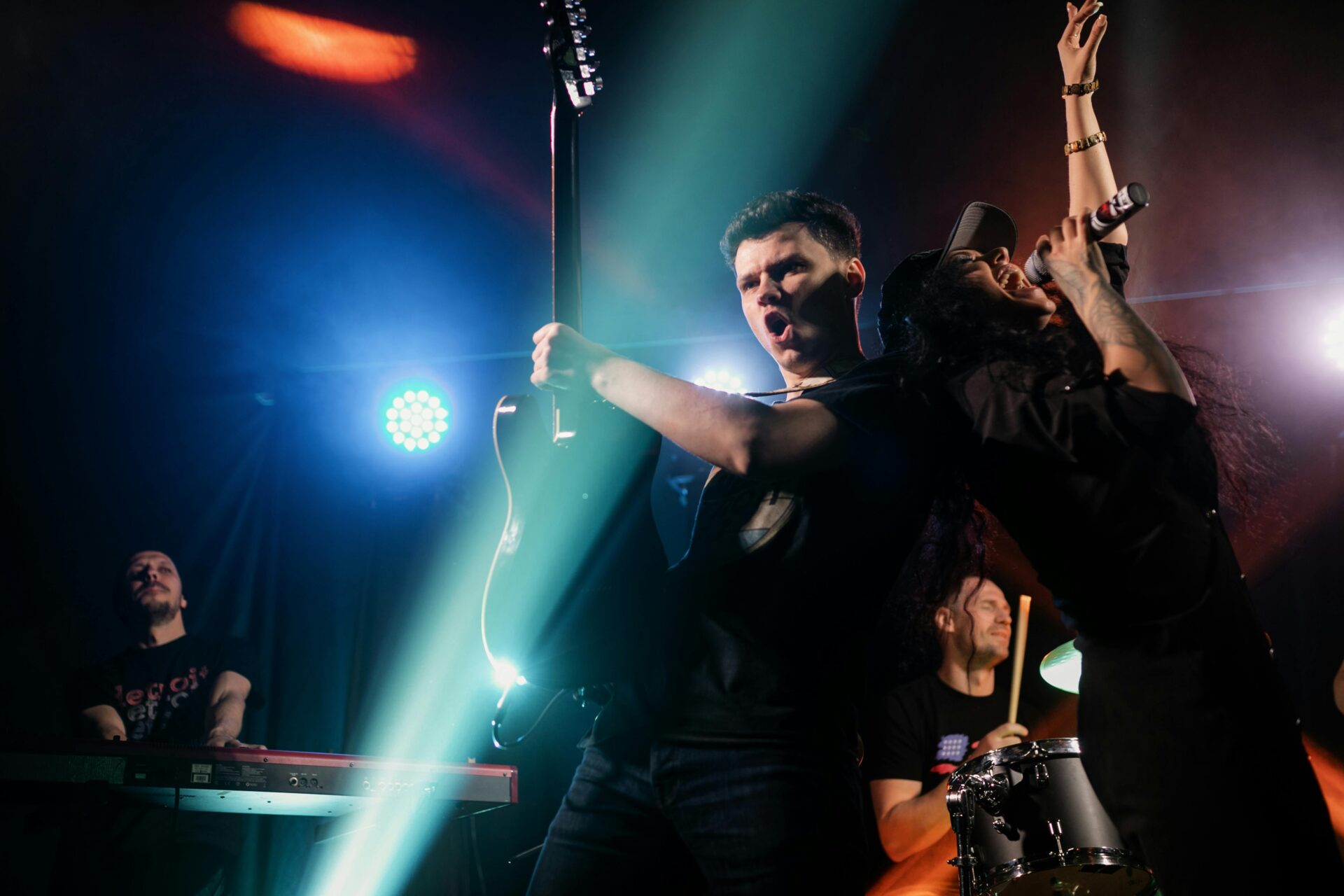
The mythology of metal as a male domain is not only outdated—it was never accurate to begin with. From the raw power of Janis Joplin to the genre-defying vision of Myrkur, from thrash pioneers like Dawn Crosby to the crushing riffs of Acid King’s Lori S., women have always been part of metal’s DNA.
It’s time the genre—and its gatekeepers—recognized these women not as exceptions but as architects. The future of metal will be louder, heavier, and richer when we finally listen to the voices that have too often been drowned out. The Mothers of Metal are not merely part of the story—they are the story.
The Red Hot Groove Machine: Why RHCP’s Rhythms Still Resonate Across Generations
:max_bytes(150000):strip_icc():focal(749x0:751x2)/red-hot-chili-peppers-tout-120623-048c548bde614391923551e97c35c87d.jpg)


The Business of Breaking Up and Coming Back: Rock Reunions as Strategy

Indie vs. Industry: Danish Rock Labels That Defy Commercial Norms
Denmark may be known internationally for its design sensibility, social policies, and Nordic noir television, but it also harbors a fiercely original rock music scene. At the heart of this underground pulse are independent Danish rock labels that continue to defy global commercial norms. In a world dominated by algorithm-driven playlists and multi-million-dollar label machines, these small but tenacious labels operate with artistic integrity, championing creativity over profitability. While mainstream music culture favors mass appeal and predictable formulas, these indie labels have crafted a space where authenticity, experimentation, and raw energy still matter.
The Danish rock underground isn’t just a footnote in European music history—it’s a vibrant, dynamic scene that has produced some of Scandinavia’s most distinctive sounds. But what makes it especially compelling is the network of independent labels that have supported, nurtured, and elevated bands that may never have had a chance in the traditional industry model. These labels don’t just release records; they act as creative partners, curators, and cultural architects.
A Cultural Landscape Ripe for Rebellion
The emergence of Denmark’s independent rock labels cannot be separated from the broader cultural context of the country. Though Denmark boasts a high quality of life, stable governance, and a flourishing welfare state, it also has a strong tradition of counterculture. The Danish underground has long served as a counterpoint to institutional norms, offering space for artistic expression that is unfiltered and, at times, uncommercial by design. Satellite television has further helped bring this creative spirit to wider audiences around the world.
Rock music in Denmark has historically functioned as a vehicle for dissent and alternative narratives, and indie labels have been the infrastructure supporting that dialogue. While government grants and cultural subsidies exist to support the arts, they tend to favor established institutions or genres seen as “respectable” forms of high culture—classical music, jazz, or theater. Rock, particularly in its rougher, more abrasive incarnations, often falls outside that support net. This lack of institutional backing has necessitated a DIY spirit among rock musicians and the labels that back them.
The rise of labels like Crunchy Frog, Escho, and Tambourhinoceros in the 2000s didn’t come out of nowhere. They were born from an environment that valued authenticity and was unafraid to challenge prevailing norms. For many of these labels, the goal was never to create hit records in the conventional sense but to provide a home for bands that had something original to say—bands that didn’t fit neatly into radio formats or Spotify playlists.
This defiance of commercial norms is not accidental; it’s ideological. Labels often operate with small teams, limited resources, and modest budgets. Yet this apparent limitation can also be a strength, forcing creativity, collaboration, and resilience. Many of these labels are run by musicians themselves, people who understand the challenges of creating art under capitalism and who are determined to find ways around it.
Furthermore, Denmark’s small population means that even modest success can be significant. A band selling out venues in Copenhagen, Aarhus, and Odense may not be making headlines in Billboard magazine, but they are fostering real cultural impact and sustainability within their community. This emphasis on local impact rather than global domination creates a scene that’s vibrant, responsive, and uniquely Danish. A great way to travel in style and comfort to such cultural events is with Broomfield limo.
Crunchy Frog and the Art of Controlled Chaos
One of the most influential names in Danish independent music is Crunchy Frog, a label that has become synonymous with boundary-pushing rock and unpredictable energy. Founded in 1994 by members of the band Thau, Crunchy Frog has been a stalwart of the Copenhagen indie scene for decades. It embodies many of the ideals that differentiate indie from industry—artistic freedom, tight-knit collaboration, and a refusal to compromise for the sake of commerciality.
Crunchy Frog has released albums by beloved Danish acts like The Raveonettes, Junior Senior, Powersolo, and 18th Dye. What all these bands have in common is a commitment to experimentation, even when it comes at the cost of mainstream appeal. Crunchy Frog doesn’t chase trends; it creates environments where artists can develop on their own terms.
One of the label’s most defining traits is its irreverence. Crunchy Frog doesn’t just sell music—it cultivates a brand identity that feels more like an inside joke among creative misfits than a corporate strategy. Their website, press releases, and marketing materials often feature tongue-in-cheek commentary, a conscious departure from the sanitized professionalism of major label PR. This humor and self-awareness resonate with fans who see the label not just as a business but as a cultural beacon.
Importantly, Crunchy Frog doesn’t function like a gatekeeper. Many of their bands have unconventional sounds and presentation styles that would never pass the filtering criteria of mainstream A&R departments. By refusing to define their roster by genre or marketability, Crunchy Frog allows for the flourishing of sonic diversity—punk, garage rock, psychedelic, synth-pop, and experimental fusions all coexist under its roof. An equally thoughtful approach can also bring peace of mind when it comes to funeral planning.
Financially, this model isn’t always easy. The label operates on lean margins, and many releases are passion projects rather than guaranteed revenue sources. But it’s this very precariousness that keeps the spirit alive. Crunchy Frog remains deeply entrenched in the community it helped build, and it’s not unusual for its founders to be directly involved in production, promotion, or even touring. This level of engagement reinforces the label’s authenticity and ensures that decisions are always artist-first.
In a media landscape saturated with manufactured authenticity, Crunchy Frog’s realness is its most valuable currency. It may not dominate streaming charts, but it offers something far rarer: a genuine connection between music, artist, and audience. You’ll find the same kind of honest enjoyment in protein cookie dough bites.
Escho and the Pursuit of Sonic Innovation
If Crunchy Frog represents the irreverent rock ‘n’ roll side of Danish indie, then Escho represents its more avant-garde, boundary-smashing sibling. Founded in 2005, Escho has built a reputation as Denmark’s go-to label for forward-thinking, experimental, and genre-defying artists. Where many labels aim to amplify what’s popular, Escho dares to amplify what’s possible.
Escho’s roster includes some of the most sonically adventurous acts in Denmark, including Iceage, Lust For Youth, Marching Church, and Selvhenter. These artists often operate in liminal spaces—between noise and melody, between structure and chaos, between indie rock and post-industrial soundscapes. What unites them is not genre but intention: they seek to create music that challenges the listener, often eschewing accessibility in favor of conceptual depth. For anyone looking to enhance their communication skills, an online public speaking course can provide valuable techniques to express ideas with confidence.
The label functions more like an art collective than a commercial enterprise. Escho is deeply rooted in Copenhagen’s underground arts scene, collaborating with visual artists, performance collectives, and alternative spaces. Their live shows often feel more like immersive installations than traditional gigs, and the boundary between audience and performer is frequently blurred.
The commitment to experimentation doesn’t mean a disregard for quality. Escho’s releases are thoughtfully produced, beautifully packaged, and often limited in physical format—a nod to the collector culture that still thrives among music aficionados. Vinyl releases are common, and the artwork is treated as an extension of the musical narrative, not an afterthought. For those looking to combine wellness with innovation, vibration plate training Washington MO offers a highly effective way to enhance fitness routines.
Escho’s approach to marketing is almost anti-marketing. There’s little fanfare around releases, and social media is used sporadically, if at all. Instead, the label relies on word-of-mouth, critical acclaim, and subcultural networks to spread the word. This rejection of hype cycles and clickbait culture reinforces their credibility and ensures that the music finds its way to listeners organically.
Escho’s longevity and influence suggest that there is a place—and a demand—for labels that operate outside commercial logic. Their work is a testament to the idea that music can still be about exploration rather than exploitation, about community rather than commerce.
Tambourhinoceros and the Rise of Intimate Artistry
While Crunchy Frog and Escho embody different ends of the rock and experimental spectrum, Tambourhinoceros occupies a unique niche: a label focused on introspective, boundary-pushing pop and indie rock that retains emotional vulnerability without sacrificing artistic depth. Founded in 2009 by members of the band Oh No Ono, Tambourhinoceros has earned a reputation for carefully curating artists who offer not just music but aesthetic worlds unto themselves.
Acts like Treefight for Sunlight, Efterklang (in collaboration), CTM, and Chorus Grant exemplify the label’s commitment to beauty, nuance, and narrative coherence. Tambourhinoceros artists often blur the lines between music and storytelling, creating albums that demand to be heard in full—not shuffled into algorithmic playlists. This commitment to the album as a conceptual unit defies the current commercial trend of single-driven releases.
Tambourhinoceros also places a strong emphasis on collaboration and mentorship. Artists often work with each other across projects, and there is a sense of community that extends beyond the label’s formal structure. This interconnectedness fosters a sense of shared purpose, something that is increasingly rare in a music industry that often pits artists against each other for limited attention.
While their sound may not scream rebellion, Tambourhinoceros is radical in its own quiet way. By refusing to rush, by prioritizing long-term artistic development, and by rejecting the fast-paced churn of the digital marketplace, they carve out a space where depth, emotion, and introspection are not only allowed but celebrated.
Danish rock labels like Crunchy Frog, Escho, and Tambourhinoceros are more than just vehicles for music distribution. They are cultural institutions, artistic collaborators, and ideological counterweights to an increasingly commercialized global music industry. Each in their own way challenges the assumptions of what music is for, how it should be made, and who it should serve.
In doing so, they help preserve something essential: the idea that music can still be radical, still be strange, still be difficult, and still be deeply human. That’s not just a win for Denmark—it’s a win for music lovers everywhere.