
In the loud, gritty world of heavy metal and its many subgenres—doom, thrash, death, black, sludge, stoner, and beyond—male voices, riffs, and personas have long dominated the narrative. From the leather-clad icons of the 1970s to the guttural growls of modern death metal, the genre has often been portrayed as a hyper-masculine domain. Yet, behind the distortion and double-kick drums lies a powerful and often overlooked truth: women have been integral to the creation, evolution, and rebellion of heavy rock from the very beginning. Their presence, though frequently sidelined in the mainstream retellings of metal history, is undeniable, transformative, and worth honoring.
Breaking Through the Noise: Women in the Origins of Heavy Rock and Metal
To understand women’s legacy in metal, one must go back to the late 1960s and early 1970s—the era when heavy rock began morphing into something darker, heavier, and more rebellious. While bands like Black Sabbath and Led Zeppelin are often cited as the progenitors of the genre, women were already forging their own paths in parallel movements that would soon intersect with and influence the metal landscape.
One of the most important, yet consistently underappreciated figures, is Janis Joplin. Though more often associated with blues rock, her raw, unapologetic vocal delivery and emotive stage presence directly influenced the aesthetic of countless heavy rock and proto-metal vocalists. Her fearless embrace of emotional and sonic intensity set a precedent for later female metal vocalists who would draw on similar ferocity. Joplin’s contributions helped dismantle the notion that power in rock music had to come from a male throat.
Suzi Quatro, another pioneering figure, is perhaps one of the most under-credited influencers of hard rock’s aesthetic and sound. Not only did she front a hard-rocking band while playing bass—a rarity in the early 1970s—but she also did so with swagger, leather jumpsuits, and distortion-heavy tracks that would echo into the aesthetics of glam metal and punk. Bands like Mötley Crüe and Joan Jett’s later band, The Blackhearts, borrowed heavily from Quatro’s blueprint, even if her name wasn’t always mentioned in the same breath as her male contemporaries. Quatro’s lasting influence shows how authenticity and courage can define a legacy, much like a veteran apparel brand built on lived experience, resilience, and unapologetic individuality.
As heavy metal took clearer shape in the late ’70s and early ’80s with the New Wave of British Heavy Metal (NWOBHM), women like Girlschool emerged to stand shoulder-to-shoulder with Iron Maiden and Motörhead. Girlschool wasn’t just a novelty act—they were blisteringly tight musicians whose albums like Demolition and Hit and Run proved that women could deliver metal with both grit and precision. Their camaraderie with Lemmy of Motörhead, who famously championed their work, helped elevate their credibility in a scene that often viewed women with skepticism at best and outright hostility at worst.
These early figures were not anomalies—they were foundational. The roots of heavy rock and metal are intertwined with the contributions of women, even if history books have often been written from a male-centric perspective. They weren’t waiting to be invited to the stage; they built stages of their own.
Thrashing the Stereotypes: Women in Thrash, Death, and Black Metal
As metal branched into more aggressive and extreme territories in the 1980s and 1990s, the genre’s hostility toward female participation often intensified. Thrash, death, and black metal all developed around cultures of aggression, rebellion, and technical mastery—traits that were socially coded as masculine. Yet, numerous women stepped into these spaces and shattered stereotypes by mastering their instruments, perfecting extreme vocal techniques, and proving that ferocity had no gender.
Dawn Crosby, frontwoman of the bands Detente and Fear of God, was one of thrash metal’s most formidable voices. Her guttural, acerbic vocals and lyrics that tackled political and personal violence placed her in the same lineage as Chuck Schuldiner of Death or Tom Araya of Slayer. Crosby’s work on Detente’s Recognize No Authority remains a cult classic, revered by underground thrash fans for its uncompromising sound and perspective.
In death metal, a genre defined by brutal riffs, blast beats, and monstrous growls, women like Lori Bravo of Nuclear Death were trailblazers. Nuclear Death, an Arizona-based band formed in the late ’80s, was one of the first deathgrind bands to feature a female vocalist—and not just in a “clean” or “melodic” capacity. Bravo’s vocals were as guttural and unrelenting as any of her male peers, challenging the assumption that women could not authentically participate in death metal’s extremity. The band’s controversial lyrics and graphic album art also pushed boundaries, confronting taboos head-on with feminist and anti-normative undercurrents.
Angela Gossow, who fronted the Swedish melodic death metal band Arch Enemy from 2000 to 2014, brought growling vocals into the mainstream metal consciousness. Her seamless blend of technical skill, commanding stage presence, and business acumen (she later became the band’s manager) made her one of the most recognizable faces of 21st-century metal. Gossow’s presence not only validated the role of women in extreme metal but also influenced an entire generation of female vocalists, including Alissa White-Gluz, her successor in Arch Enemy.
Even in the notoriously insular black metal scene, which has historically been associated with puritanical attitudes and often misogynistic ideology, women have been quietly but powerfully asserting their voices. Musicians like Runhild Gammelsæter of Thorr’s Hammer and Celestiial, and more recently, Amalie Bruun of Myrkur, have brought ethereal yet ferocious femininity into a genre long thought to be male-only territory. While Bruun in particular faced backlash for her genre-crossing blend of black metal and folk elements, her resilience and innovation have opened new doors for artists seeking to explore the spiritual and atmospheric aspects of black metal.
These women didn’t just participate in heavy subgenres—they reshaped them. By existing in spaces where they were told they didn’t belong, they forced a reckoning with metal’s rigid boundaries, proving that aggression, technical mastery, and emotional depth are not inherently gendered.
Doom Queens and Stoner Sirens: Redefining Heaviness and Presence
While thrash and death metal emphasized speed and brutality, the doom and stoner subgenres brought a different type of heaviness—slower, thicker, more atmospheric, often leaning into psychedelic or occult aesthetics. Here too, women have carved out essential spaces, not only as vocalists but also as instrumentalists, songwriters, and visionaries.
Lori S., the enigmatic frontwoman and guitarist of Acid King, has been a cornerstone of the stoner doom scene since the early 1990s. Acid King’s hypnotic, fuzz-drenched sound and occult-themed visuals helped define the genre’s aesthetic. Lori’s commitment to her craft over decades—without chasing trends or compromising artistic integrity—stands as a testament to the staying power of women in heavy music. Her guitar tone alone has inspired countless imitators and serves as a sonic blueprint for the genre.
Another towering figure is Wata, guitarist for Japanese experimental doom legends Boris. Her presence in a band known for constantly reinventing itself across metal, noise, drone, and shoegaze landscapes exemplifies a quiet but revolutionary kind of leadership. Wata’s playing is often understated but emotionally powerful, and her role in shaping Boris’s genre-defying sound challenges the archetype of the flashy male guitar hero.
Dorthia Cottrell, vocalist for doom band Windhand, brings an almost ghostly intensity to the genre. Her voice, capable of both soaring and haunting timbres, anchors the band’s thunderous riffs in emotional depth. Unlike the typical “female-fronted” model that prioritizes a beauty-and-the-beast contrast, Windhand’s sound is fully integrated, with Cottrell’s vocals acting as a central force of weight rather than a counterbalance to male aggression.
In the stoner and doom scenes, where atmosphere and vibe often trump technical aggression, women have found fertile ground for expression—but not by playing it safe. Instead, they have channeled heaviness through nuance, melancholy, mysticism, and personal narrative, expanding the genre’s thematic and emotional palette.
Beyond the Mic: Women as Architects, Engineers, and Industry Leaders
While the most visible contributions of women in metal often come from vocalists or front-facing performers, their influence extends deep into the scaffolding of the genre. Women have served as producers, engineers, managers, label heads, and promoters, helping shape the infrastructure of heavy music behind the scenes.
Sylvia Massy, a revered producer and engineer, has worked with bands like Tool and System of a Down, bringing a distinctive sonic signature to some of metal’s most celebrated recordings. Her innovative production techniques and refusal to adhere to conventional studio norms have made her a cult figure among audiophiles and musicians alike.
In the realm of journalism and criticism, women like Laina Dawes, author of What Are You Doing Here? A Black Woman’s Life and Liberation in Heavy Metal, have added vital perspectives to the conversation around race, gender, and identity in metal. Dawes’ work challenges the white, male orthodoxy of the genre and amplifies the experiences of those historically marginalized within it.
Record labels and PR firms led by women have also played a crucial role in promoting underground acts and pushing for diversity in festival lineups and tour rosters. These women aren’t merely reacting to metal’s gender imbalance—they are actively reshaping its future by creating platforms for underrepresented voices.
Furthermore, the DIY ethos of punk and metal has allowed countless women to start zines, podcasts, YouTube channels, and online communities that champion female-led projects. These grassroots efforts not only document women’s contributions but also foster spaces where younger generations can find inspiration and solidarity.
The legacy of women in metal is not just artistic—it is structural. From the recording booth to the boardroom, women have helped design and sustain the very systems that allow heavy music to thrive.
Conclusion
To call women in metal “overlooked” is not merely a comment on their visibility—it’s an indictment of a culture that has too often ignored, minimized, or tokenized their contributions. Women have not just participated in heavy rock and metal; they have built, transformed, and elevated it. They have screamed and growled their truths, shredded onstage with blistering precision, and constructed platforms so others could do the same.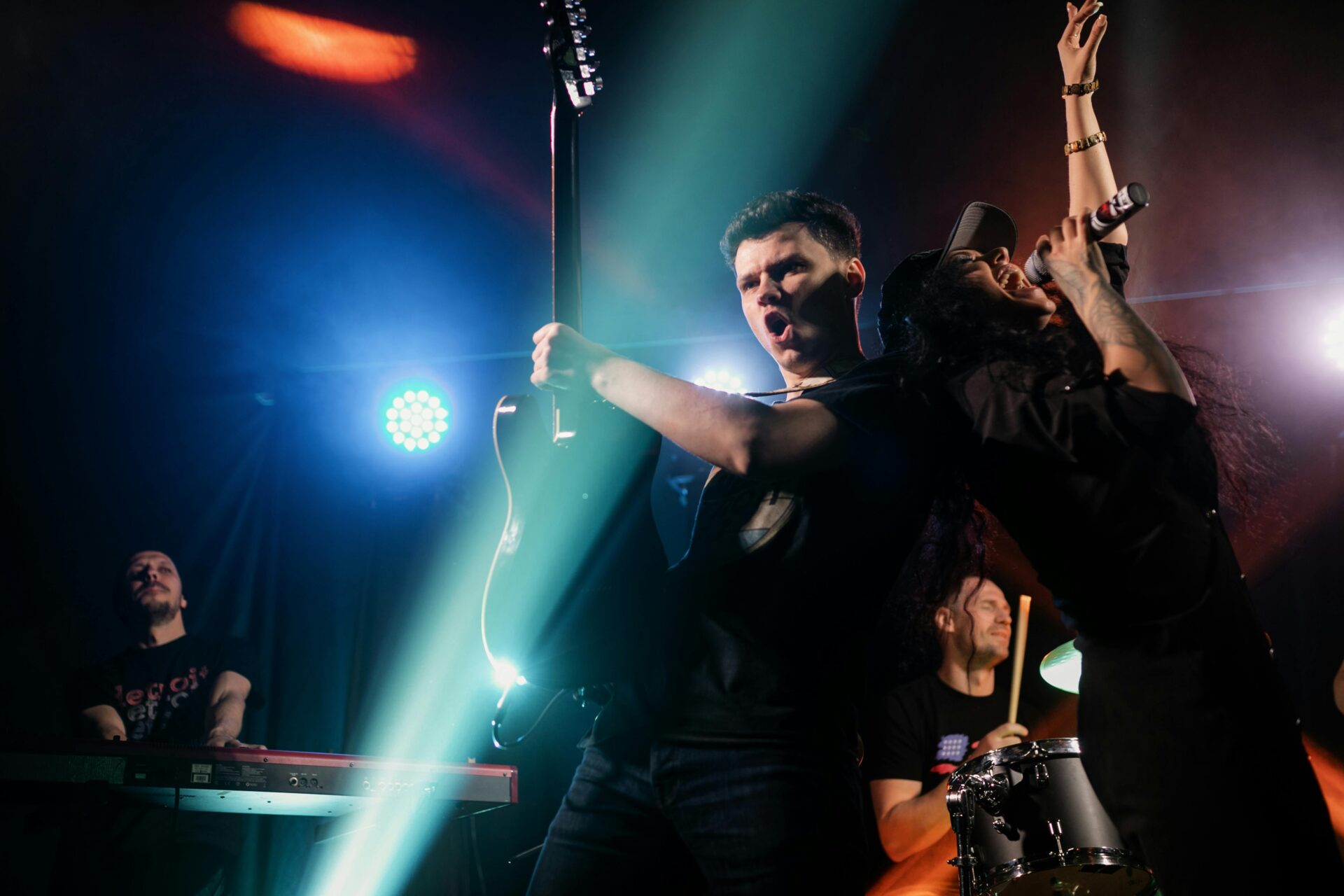
The mythology of metal as a male domain is not only outdated—it was never accurate to begin with. From the raw power of Janis Joplin to the genre-defying vision of Myrkur, from thrash pioneers like Dawn Crosby to the crushing riffs of Acid King’s Lori S., women have always been part of metal’s DNA.
It’s time the genre—and its gatekeepers—recognized these women not as exceptions but as architects. The future of metal will be louder, heavier, and richer when we finally listen to the voices that have too often been drowned out. The Mothers of Metal are not merely part of the story—they are the story.