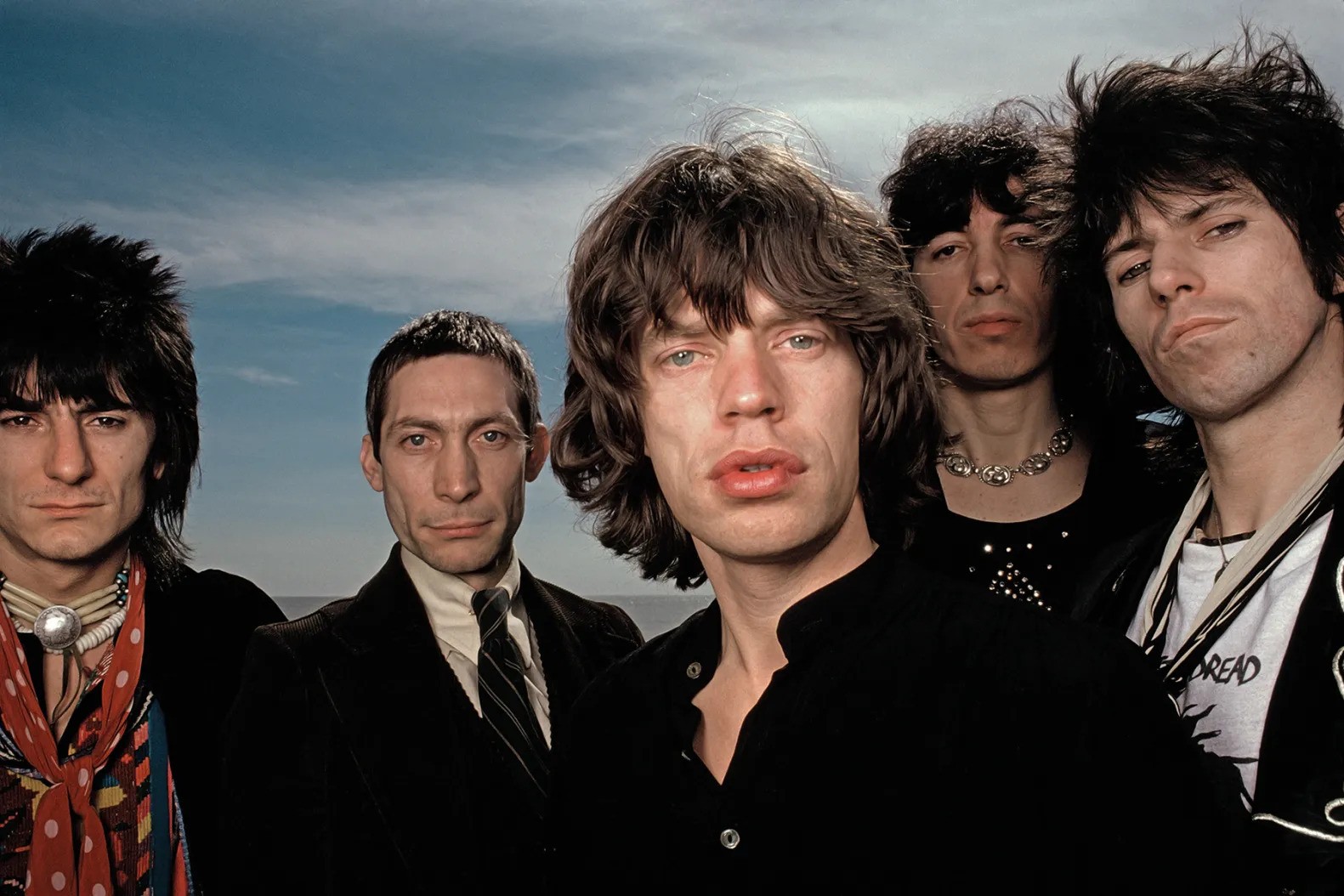
The Rolling Stones have long been celebrated not only as one of the greatest rock bands in history but also as architects of a rhythmic language that reshaped global music culture. Their sound was never static. It evolved from smoky blues clubs to roaring stadiums, yet it always carried a pulse that set them apart. To understand their legacy is to understand the rhythmic backbone that supported their transformations, experiments, and reinventions across six decades. Their journey is a testament to how rhythm can define a band’s identity, fuel its rebellion, and ultimately, keep it timeless.
The Blues Foundations That Forged Their Rhythmic Identity
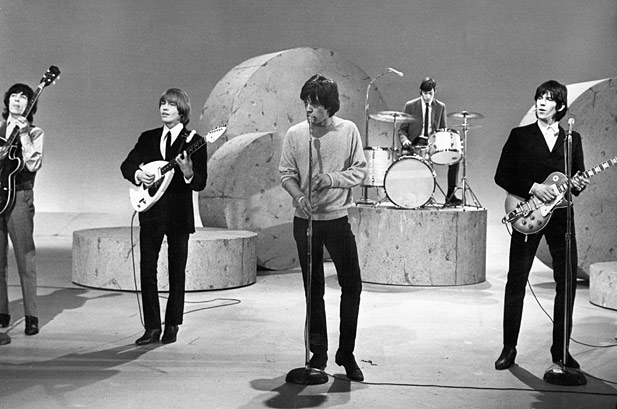
Before the band became synonymous with giant stages and global tours, they were disciples of the American blues. Muddy Waters, Howlin’ Wolf, Chuck Berry, Jimmy Reed—these artists shaped the Stones’ early rhythmic instincts. The blues was never just a genre to them; it was a spiritual and musical anchor. Its driving shuffle beats, hypnotic grooves, and call-and-response patterns gave the band a raw, earthy foundation.
Early Stones tracks like “Little Red Rooster” and “I Just Want to Make Love to You” reflect this devotion. Charlie Watts’ drumming during this period was deliberately understated. He played with a jazz-blues restraint that left space in the groove, honoring the conversational feel of the originals. Keith Richards and Brian Jones brought interlocking guitar parts that mimicked the rhythmic push and pull of Chicago blues. Bill Wyman’s bass lines were more about grounding the song than dominating it.
This early phase taught them an essential lesson: rhythm was not about complexity; it was about feel. And that feel became the heartbeat of the band.
The Birth of a Rock Rhythmic Revolution
As the band transitioned from blues enthusiasts to rock pioneers, their rhythm began to shift. The influence of Chuck Berry’s driving rhythms pushed them toward a tighter, more propulsive sound. The famous guitar-riff-driven rhythm of “(I Can’t Get No) Satisfaction” marked a turning point. Suddenly, the Stones were no longer just interpreting rhythm—they were creating their own.
Keith Richards’ approach to rhythm guitar became central to the band’s identity. Instead of relying on traditional chord progressions, he experimented with open tunings, syncopated strumming patterns, and riffs that felt percussive as much as melodic. These choices gave the band a swagger that separated them from the clean, polished sound dominating mainstream pop.
Charlie Watts complemented this development with a drum style that favored steadiness over flash. His refusal to overplay became a defining element of the Stones’ rock rhythm. While many drummers of the era filled every bar with rolls and flourishes, Watts carved out space, allowing Keith’s riffs and Mick Jagger’s vocal phrasing to breathe. That restraint, paradoxically, made the band sound bigger, bolder, and unmistakably theirs.
The Groove-Driven Seventies: When Rhythm Became the Star
By the early 1970s, the Stones had entered a period where rhythm wasn’t just an ingredient—it was the main attraction. Albums like “Sticky Fingers” and “Exile on Main St.” showed how deeply the band had absorbed the grooves of soul, funk, country, and gospel while staying rooted in rock.
On “Brown Sugar,” the rhythm feels like a runaway train barely being held together, yet it locks in perfectly. Richards’ riffs slice through the track with razor-sharp swagger, while Watts drives the beat with a tightness that feels almost machine-like, despite its human warmth. “Can’t You Hear Me Knocking” showcases one of their most iconic grooves—slow-burning, seductive, and dripping with rhythmic tension.
The Stones’ evolution during this period wasn’t accidental. They traveled extensively, soaked up influences from American South rhythms, Caribbean grooves, and everything in between. Their time recording in France, Jamaica, and Los Angeles exposed them to new musical cultures, all of which seeped into their rhythmic DNA.
In this era, the rhythm became as recognizable as any lyric or melody. Fans didn’t just sing along to their songs—they moved to them.
Keith Richards and the Art of Rhythmic Reinvention
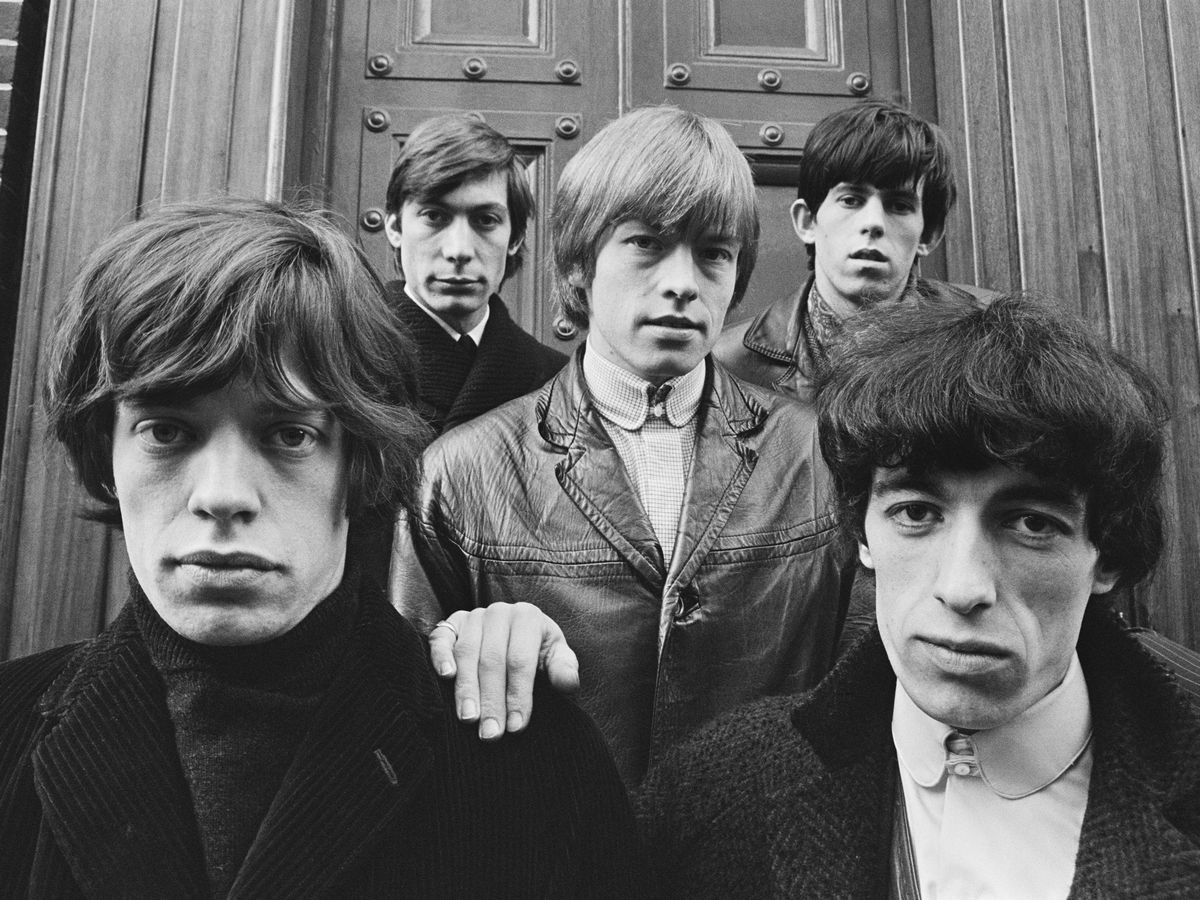
Keith Richards has always insisted that he views himself as a rhythm guitarist first. This philosophy shaped the band profoundly. His open G tuning became synonymous with the Stones’ sound, enabling riffs that were punchy, gritty, and rhythmically rich.
Songs like “Start Me Up” and “Beast of Burden” highlight his ability to craft rhythms that feel simultaneously loose and precise. Richards often played slightly behind the beat, adding a laid-back coolness that contrasted perfectly with Jagger’s energetic, forward-driving vocals. That tension created the “rolling” quality that listeners unconsciously feel even if they can’t articulate it.
What makes Richards’ rhythm style especially intriguing is its conversational nature. He plays like he’s talking through the guitar—syncopating certain chords, emphasizing offbeats, muting strings to create a percussive crackle. This style ensures the rhythm is never static. It breathes, shifts, sways, and keeps the listener hooked.
Richards once said that the rhythm section isn’t about perfection but about chemistry. His partnership with Charlie Watts is perhaps the most iconic example of this idea.
Charlie Watts: The Quiet Rhythm That Powered a Giant
Charlie Watts was never a showy drummer, yet his influence on the Stones’ evolution is impossible to overstate. His jazz background gave him impeccable timing and an instinct for subtle syncopations. Watts had a unique habit: he often lifted his right hand off the hi-hat when striking the snare, creating a crisp, punchy accent. This tiny detail gave the Stones’ rhythm a distinctive snap heard on countless recordings.
Watts understood the emotional undercurrent of rhythm. In gritty rock songs like “Gimme Shelter,” his drumming carries an ominous weight. In groove-heavy tracks such as “Miss You,” he shifts into a smoother, funkier mode without losing the Stones’ signature feel. He was the grounding force that allowed Richards, Wood, and Jagger to experiment while keeping the music anchored.
His steadiness became the band’s compass. No matter how wild the riffs, how flamboyant the vocals, or how chaotic the energy on stage became, Watts held everything together with a pulse that refused to waver.
From Clubs to Colossal Stadium Rhythms
As the Rolling Stones transitioned into the era of global stadium tours, their rhythm evolved once more. Playing for tens of thousands required a sound that was broader, more powerful, and more immediate. The grooves became bolder, the riffs heavier, and the beats more pronounced.
Songs like “Start Me Up”, “Jumpin’ Jack Flash”, and “It’s Only Rock ’n Roll” became stadium staples because their rhythms could fill massive spaces. The band adapted naturally, amplifying the swagger and simplifying certain grooves without losing their nuance.
Ronnie Wood’s addition to the band added new rhythmic possibilities. His weaving technique with Richards created a dual-guitar rhythmic tapestry that felt alive and conversational. Instead of a lead and rhythm guitarist dynamic, the Stones embraced a “two rhythms intertwining” approach. This method became a signature of their stadium-era sound.
Rhythmic Legacy and Cultural Impact
The Rolling Stones’ rhythmic evolution is more than a musical journey—it’s a cultural one. Their approach to rhythm taught entire generations of musicians that groove matters just as much as melody or lyrics. They demonstrated that rock rhythm doesn’t need to be rigid; it can be sensual, rebellious, dirty, elegant, and everything in between.
Their influence can be heard in punk’s raw downstrokes, in classic rock’s swaggering riffs, in indie rock’s minimalist beats, and even in modern pop-rock’s rhythmic accessibility. The Stones proved that rhythm isn’t a background component—it’s the soul of the music.
What makes their rhythmic journey so compelling is that it mirrors their identity. Always evolving, always restless, always grounded in the roots that shaped them. From the sweaty blues clubs of London to the world’s largest stages, they carried with them a pulse that defined an era and continues to pulse through music today.
The Enduring Pulse of a Rock Institution
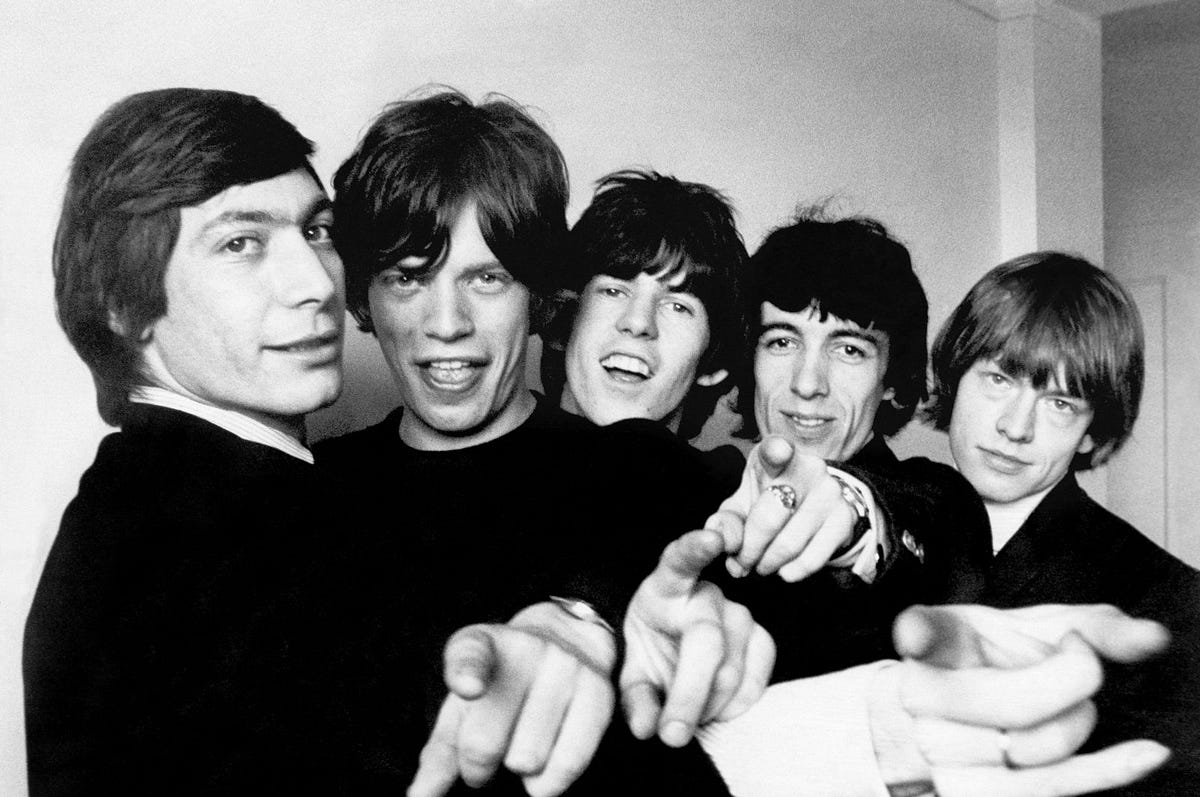
The Rolling Stones’ rhythmic evolution tells a story of curiosity, reinvention, and deep musical respect. They began as students of American blues and became global icons who reshaped rock rhythm from the inside out. Their grooves evolved from intimate and smoky to explosive and stadium-shaking, yet they always remained unmistakably the Stones.
Their rhythm is a living legacy—a pulse that still beats, still inspires, and still proves that great rock music begins with a groove that refuses to be forgotten.
If you’d like, I can also write companion pieces focusing on specific albums, musicians, rhythmic techniques, or the band’s cultural influence.