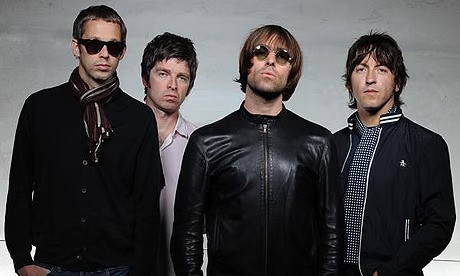
Oasis were never the clean-cut technicians of rock music, and they never wanted to be. Their power came from friction, from personality clashes, from an almost stubborn commitment to doing things their own way. At the heart of that identity sat rhythm. Oasis treated rhythm as a force rather than a feature, something that pushed songs forward with brute confidence instead of elegant precision. Their beats stomped, swung, and surged, carrying the band’s attitude as much as its melodies. To listen to Oasis closely is to hear a band that understood how rhythm could express defiance, unity, and raw emotion all at once, especially in an era hungry for authenticity and volume.
![2024-08-27T072221Z_1576757315_RC26O9A7T1N2_RTRMADP_3_MUSIC-OASIS-1724747338.jpg [webp-to-jpg output image]](https://s4.ezgif.com/tmp/ezgif-4b7fa1a63baaf962.jpg)
Manchester Grit and the Birth of a Rock Pulse
The rhythmic DNA of Oasis is inseparable from Manchester itself. This was a city shaped by industry, repetition, and endurance, and those qualities bled into the band’s music. Oasis didn’t emerge from music schools or polished studio scenes. They came from council estates, warehouses, and rehearsal rooms where volume mattered more than finesse. Rhythm became their way of translating lived experience into sound. It was direct, forceful, and grounded, mirroring the push-and-pull of everyday life in a working-class city.
Early songs like “Bring It On Down” and “Rock ’n’ Roll Star” showcase this mentality. The beats are straightforward but aggressive, designed to feel physical rather than cerebral. Tony McCarroll’s drumming locked into repetitive patterns that emphasized forward momentum. There’s little ornamentation, no unnecessary fills demanding attention. Instead, the drums act like a motor, keeping everything moving while the rest of the band piles on energy. This approach gave Oasis an immediate identity that separated them from more experimental or groove-oriented contemporaries.
Simplicity as a Weapon, Not a Limitation
Oasis’s rhythmic simplicity has often been misunderstood as a lack of ambition, but that view misses the point entirely. Simplicity was their weapon of choice. In rock music, especially music meant to fill large spaces, clarity and consistency can be more powerful than complexity. Oasis understood that a beat people could instantly lock into was more valuable than one that impressed musicians.
“Supersonic” is a perfect example. The rhythm doesn’t twist or surprise, but it creates a solid platform for swagger and attitude. The song’s confidence comes from the way everything sits comfortably in place. Similarly, “Cigarettes & Alcohol” rides a stomping beat that practically demands movement. The rhythm channels glam rock excess and punk defiance at the same time, proving that repetition can be intoxicating when delivered with conviction.
Even emotionally charged songs benefited from this philosophy. “Live Forever” relies on a steady, reassuring rhythm that reinforces its message of hope and permanence. The beat doesn’t distract from the sentiment; it supports it. In Oasis’s hands, restraint became a form of strength, allowing the emotional core of their songs to shine through.
![Oasis_1200-e1473459910418-1.jpg [webp-to-jpg output image]](https://s4.ezgif.com/tmp/ezgif-4c8d7ad005b5173b.jpg)
Drums That Anchored the Chaos
As Oasis matured, changes in the lineup subtly reshaped their rhythmic character. Alan White’s arrival marked a shift toward a more powerful and controlled drum sound. His playing added weight without sacrificing the band’s raw edge. On tracks like “Morning Glory,” the drums feel urgent and driving, matching the song’s sense of restlessness. The rhythm pushes relentlessly forward, refusing to settle into comfort.
What makes Oasis’s drumming particularly interesting is how it functioned as an anchor during periods of intense internal conflict. The Gallagher brothers’ volatility was legendary, but the rhythm section often acted as a stabilizing force. On “Some Might Say,” the drums provide a calm, consistent backbone while layers of guitars shimmer and vocals soar. This balance between chaos and order became a defining feature of the band’s sound. The rhythm kept Oasis grounded even when everything else threatened to explode.
Guitars That Lock In and Clash
Rhythm in Oasis extended far beyond the drum kit. Noel Gallagher’s guitar work was deeply rhythmic, built on assertive strumming patterns that reinforced the beat rather than floating above it. His preference for strong downstrokes gave the music a percussive edge, making the guitar feel like part of the rhythm section. On songs like “Columbia,” the guitar rhythm is hypnotic, repeating patterns that pull the listener into a trance-like state.
This tight relationship between guitars and drums created a sense of unity that defined Oasis’s rock sound. Even when multiple guitar tracks were layered in the studio, they often followed similar rhythmic patterns. This technique amplified the sense of drive without cluttering the groove. Slower anthems like “Don’t Look Back in Anger” still rely heavily on rhythmic consistency. Once the full band enters, the beat ensures the song builds steadily toward its emotional release rather than drifting aimlessly.
Vocals That Become Part of the Beat
Liam Gallagher’s voice was never just a melodic instrument. It was rhythmic in its own right. His phrasing tended to sit squarely on the beat, reinforcing the pulse rather than dancing around it. This gave Oasis songs a sense of unity, as if every element was pulling in the same direction. On “Morning Glory,” Liam’s clipped, almost confrontational delivery mirrors the urgency of the drums, turning each lyric into a rhythmic statement.
Even in more expansive tracks like “Champagne Supernova,” his vocals remain grounded. He stretches notes just enough to create atmosphere, but he never loses connection to the underlying pulse. This discipline made Oasis’s songs easy to sing along to, a crucial factor in their stadium-filling appeal. The audience didn’t just hear the rhythm; they embodied it, shouting every line in time with the beat.
Studio Density and the Rhythm of Layers
Oasis’s studio recordings often sound enormous, yet the rhythmic foundations are surprisingly minimal. Noel Gallagher’s layering techniques played a major role in this illusion of density. Multiple guitars strumming similar rhythms created a thick, unified wall of sound. Instead of competing rhythms fighting for space, everything moved together, reinforcing the same pulse and amplifying emotional impact.
“Wonderwall” demonstrates this beautifully. The percussion is understated, but the strumming pattern is instantly recognizable. The song’s rhythm is hypnotic, looping gently while the melody unfolds above it. Each repetition draws the listener deeper, proving that rhythm doesn’t need to shout to be effective. It simply needs to be consistent and emotionally aligned with the song’s message, allowing space for listeners to project their own memories, longing, and shared moments into the sound.
![10c47badc130cdeb109a0fb5a83387f8.jpg [avif-to-jpg output image]](https://s4.ezgif.com/tmp/ezgif-4f0f33d5484ea49e.jpg)
Live Chaos and the Physical Power of Rhythm
On stage, Oasis’s rhythmic identity reached its most visceral form. Their live shows were famously loud, sometimes sloppy, and always intense. Tempos could fluctuate, and mistakes happened, but the core pulse remained intact. Songs like “Columbia” and “Slide Away” would stretch and swell, with rhythm becoming something felt as much as heard.
The physicality of Oasis’s rhythm turned concerts into communal experiences. Thousands of people moving, jumping, and shouting in time created a shared energy that defined the band’s legacy. Oasis wrote rhythms that belonged to crowds, rhythms that thrived on collective participation rather than technical perfection. The chaos of their performances only amplified the sense of authenticity.
A Rhythmic Legacy Built on Belief
Decades later, Oasis’s approach to rhythm still resonates. In an era where technical mastery often dominates discussions of musicianship, their music stands as a reminder that feel matters. Songs like “Acquiesce” and “Roll With It” endure because their rhythms support genuine emotion and unfiltered confidence, connecting listeners across generations, backgrounds, and changing musical trends.
Oasis showed the world that rock rhythm could be loud, messy, repetitive, and still profoundly moving. Cigarettes, chaos, and clashing beats weren’t distractions from their art; they were its foundation. Their rhythmic identity was rooted in belief—belief in the song, belief in the beat, and belief that sometimes the most powerful music comes from playing together with absolute conviction, no matter how rough the edges might be, or how loudly the world pushes back.