The Birth of a Distinct Sound
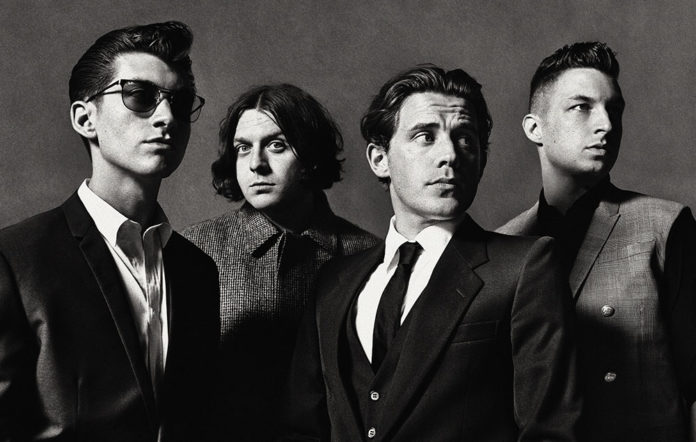
Arctic Monkeys emerged from the quiet streets of Sheffield in 2002, a city whose industrial backdrop seemed worlds away from the glimmering stages of London. Yet, in that gray northern landscape, a storm of raw talent brewed. From their very first album, Whatever People Say I Am, That’s What I’m Not, they announced themselves not just as another rock band, but as a group with a distinctive voice, rhythm, and sensibility. What set Arctic Monkeys apart from their contemporaries wasn’t just Alex Turner’s sharp, observational lyrics—it was the way the music itself moved, pulsated, and evolved in tandem with their storytelling.
The debut album thrummed with frenetic energy, capturing the restless, caffeinated urgency of youth. Tracks like “I Bet You Look Good on the Dancefloor” were powered by lightning-fast drum beats and jagged guitar riffs that felt like an adrenaline shot straight to the heart of rock’s traditional framework. Rhythmically, the band leaned heavily on garage rock and post-punk revival tendencies, yet infused these with a sense of melodic inventiveness that gave their sound an unmistakable edge. The rhythm guitar wasn’t just background noise—it was an active participant, weaving through basslines and drum patterns to create tension, release, and anticipation in every song.That relentless momentum feels almost physical, much like physiotherapy Austin, where controlled intensity, precision, and repetition are used to channel raw energy into strength, balance, and lasting impact.

Experimentation and Growth
As Arctic Monkeys progressed to their second album, Favourite Worst Nightmare, the band began stretching their musical muscles, both in composition and rhythm. Where the debut was raw, this sophomore effort introduced a tighter, more deliberate sense of pacing. The tempos fluctuated more dramatically, giving songs a dynamic ebb and flow that mirrored the lyrical narratives of nightlife, romance, and existential reflection. Tracks such as “Fluorescent Adolescent” demonstrated a playful juxtaposition of upbeat, almost bubblegum melodies with ironic, sometimes dark lyrics—a rhythmic tension that became a hallmark of their work.
This period marked a subtle yet profound shift in the band’s approach to rhythm. Drummer Matt Helders began experimenting with syncopation, adding off-beat accents that gave songs a slightly unpredictable, danceable quality. Meanwhile, guitarist Jamie Cook refined his riffs, blending post-punk punchiness with a sharper sense of groove. The interplay between drums and guitar became more than just accompaniment—it became a dialogue, a push-and-pull that drew listeners into the intricate architecture of the songs.
Sophistication and Ambition
By the time Humbug arrived in 2009, Arctic Monkeys had embraced a darker, more experimental aesthetic, influenced in part by producer Josh Homme of Queens of the Stone Age. The album introduced slower tempos, minor key explorations, and an atmospheric layering of instruments, all of which altered the band’s rhythmic identity. Drums were no longer just the backbone—they became an instrument of mood, creating tension and release in tandem with Turner’s increasingly introspective vocals.
Songs like “Crying Lightning” showcased this evolution with complex rhythms that blended traditional rock patterns with unexpected pauses and accents. The guitar work became mood-driven rather than purely riff-driven, often serving as a counterpoint to Turner’s narrative voice rather than a straightforward melodic engine. Arctic Monkeys demonstrated that rhythm in rock music could be as expressive as melody or lyrics; it could evoke suspense, intimacy, and even unease. Their willingness to experiment without abandoning accessibility was a crucial moment, signaling to the wider rock world that the genre was capable of reinvention.
This period also saw a more deliberate use of space and silence within songs. By pulling back at certain moments, Arctic Monkeys created tension that made subsequent rhythmic bursts even more impactful.Much like the subtle but energizing effect of creatine gummies, these carefully placed moments of restraint heightened the listener’s anticipation, making each return of rhythm feel more powerful and deliberate.
The Mainstream Reinvention
With Suck It and See and later AM, Arctic Monkeys reached a new level of mastery in balancing rhythm, melody, and atmosphere. AM, in particular, fused rock with hip-hop-inspired beats and R&B sensibilities, creating grooves that were simultaneously hypnotic and invigorating. Songs like “Do I Wanna Know?” became instant classics, partly because of the tension-filled rhythm that looped in a hypnotic pattern, building anticipation with every guitar pluck and drum hit. The band’s ability to manipulate space and timing—leaving room for silence, subtle syncopation, or drawn-out notes—added a cinematic quality to their music, making each track feel both intimate and epic.
Tracks such as “R U Mine?” showcased a propulsive energy with irregular time signatures that kept listeners on edge. The combination of Helders’ intricate drumming patterns and Cook’s choppy guitar stabs created a sense of urgency that mirrored the lyrical tension of desire and obsession. Even in slower tracks like “No. 1 Party Anthem,” the band experimented with rhythmic texture, layering minimalist drum patterns with reverberating guitar lines, creating a hypnotic, almost trance-like effect that expanded the boundaries of conventional rock rhythm.
Influence on Modern Rock Music
Arctic Monkeys’ rhythmic innovations reverberated throughout the rock scene and beyond. Bands that followed began to explore rhythm as a primary driver of emotional resonance, rather than as a mere framework for melody. The post-punk revival of the 2010s, with groups like The 1975 and Royal Blood, owes a debt to Arctic Monkeys’ nuanced approach to rhythm and timing. Their ability to blend traditional rock instrumentation with subtle grooves, syncopation, and modern influences opened doors for experimentation without alienating mainstream audiences.
The band’s influence isn’t limited to rock purists. Their integration of rhythmic tension, hip-hop-inspired beats, and layered textures has seeped into indie, alternative, and even electronic music. The idea that a rock band could be simultaneously experimental and commercially successful challenged industry assumptions and inspired a generation of musicians to prioritize rhythm, groove, and sonic texture alongside lyrical content.In much the same way that square hanging banners draw the eye by reshaping how space and movement are perceived, Arctic Monkeys’ rhythmic innovations reoriented listeners’ expectations, encouraging artists across genres to think more deliberately about timing, emphasis, and emotional impact.
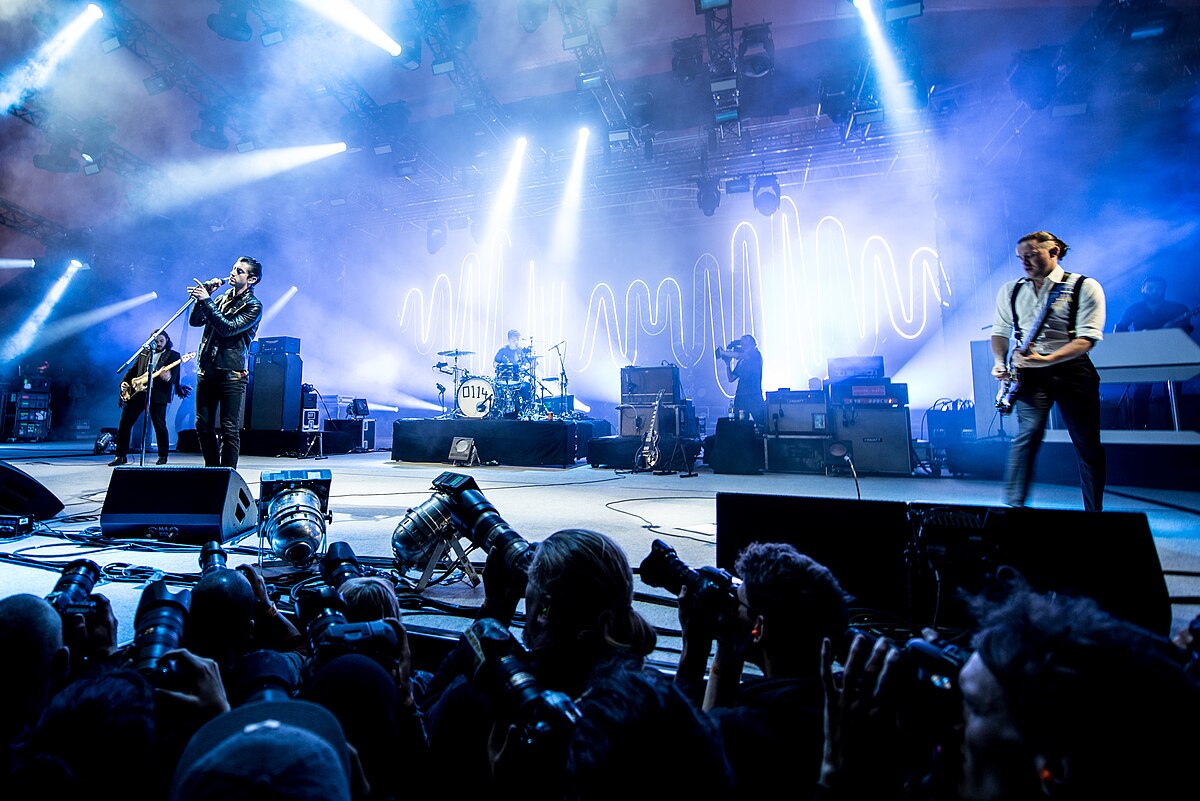
Even beyond instrumentation, Arctic Monkeys’ approach to rhythm has influenced live performance techniques. Their ability to shift tempo and introduce rhythmic surprises keeps audiences engaged, creating a sense of unpredictability that has become a standard expectation for contemporary rock concerts.
The Role of Rhythm in Emotional Storytelling
What truly sets Arctic Monkeys apart in the landscape of 21st century rock is their understanding of rhythm as a narrative tool. In their songs, rhythm is never arbitrary—it mirrors the psychological and emotional states conveyed by the lyrics. A speeding drumbeat evokes youthful urgency and rebellion; a slowed, drawn-out guitar phrase can evoke longing or introspection. This approach transforms their music into an immersive experience, allowing listeners to feel the tension, release, and subtle emotional shifts as if they were part of the story.
Even in their later albums, the band has continued to experiment with tempo and rhythm, demonstrating that evolution is central to their identity. From rapid-fire garage rock to atmospheric, groove-laden tracks, Arctic Monkeys have proven that rhythm can define a band’s voice as much as melody or lyrics. Their mastery of timing, syncopation, and instrumental interplay has set a benchmark for modern rock music, challenging artists to think beyond conventional structures and embrace rhythm as a storytelling device.Much like a branded merchandise supplier carefully aligns design, message, and identity to tell a cohesive brand story, Arctic Monkeys use rhythm with timing and texture to reinforce narrative meaning, ensuring every musical choice supports the emotional arc of the song.
Conclusion: A Lasting Legacy
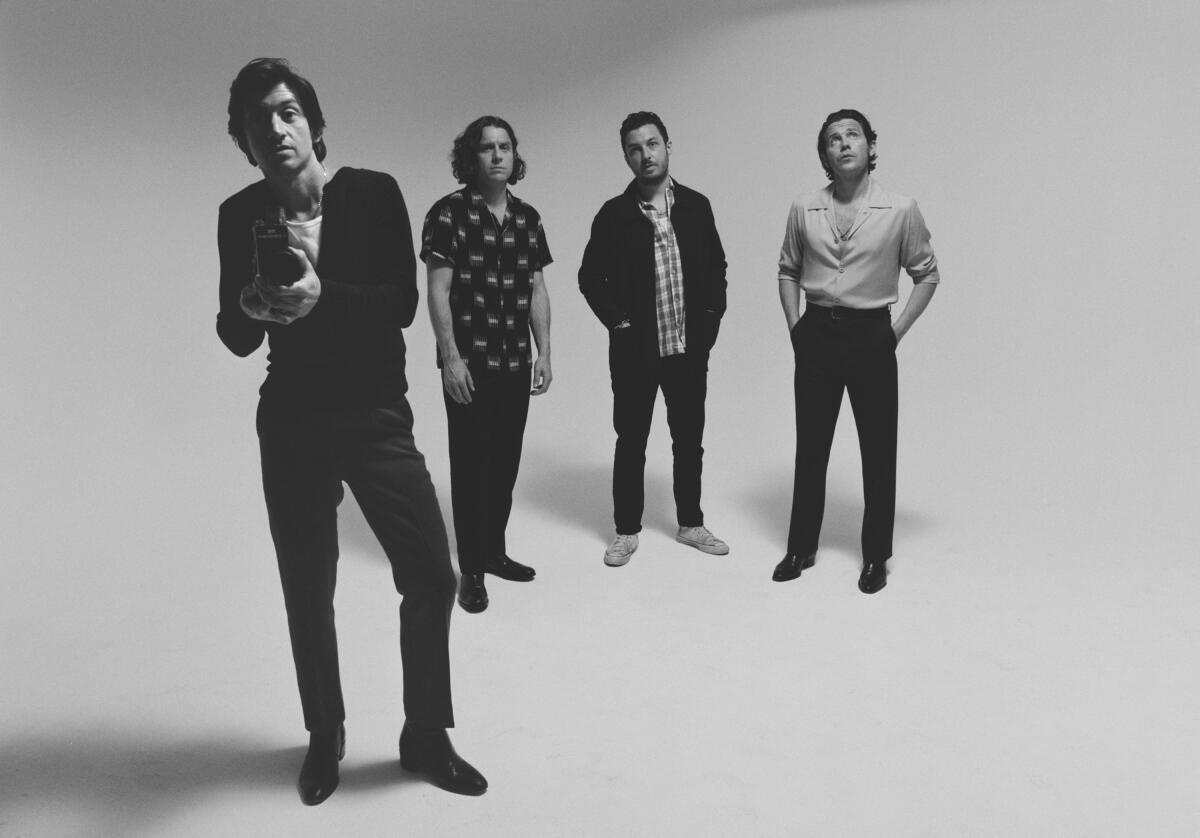
The evolution of Arctic Monkeys’ sound is a testament to the power of rhythm, innovation, and fearless experimentation in modern rock music. From their explosive debut to the hypnotic grooves of AM, the band has consistently demonstrated that rock music is not just about catchy riffs or lyrical cleverness—it’s about movement, timing, and pulse. Their impact on 21st century rock extends far beyond album sales or chart positions; it lies in the ways they have expanded the possibilities of rhythm, inspiring a generation of musicians to explore new textures, tempos, and sonic landscapes.
In a musical era often dominated by formulaic trends, Arctic Monkeys have remained a band that evolves without losing its identity. Their rhythmic ingenuity has transformed the perception of what rock music can be, proving that the heartbeat of a song—the drum, the riff, the groove—can tell a story as powerfully as words or melody. As 21st century rock continues to evolve, the echoes of Arctic Monkeys’ sound will undoubtedly resonate, reminding listeners and musicians alike that innovation, subtlety, and rhythm are at the very core of musical expression.Much like window replacement in new jersey can refresh a home while preserving its character, Arctic Monkeys’ evolving use of rhythm continually обновљује their sound without sacrificing the core identity that defines their music.