
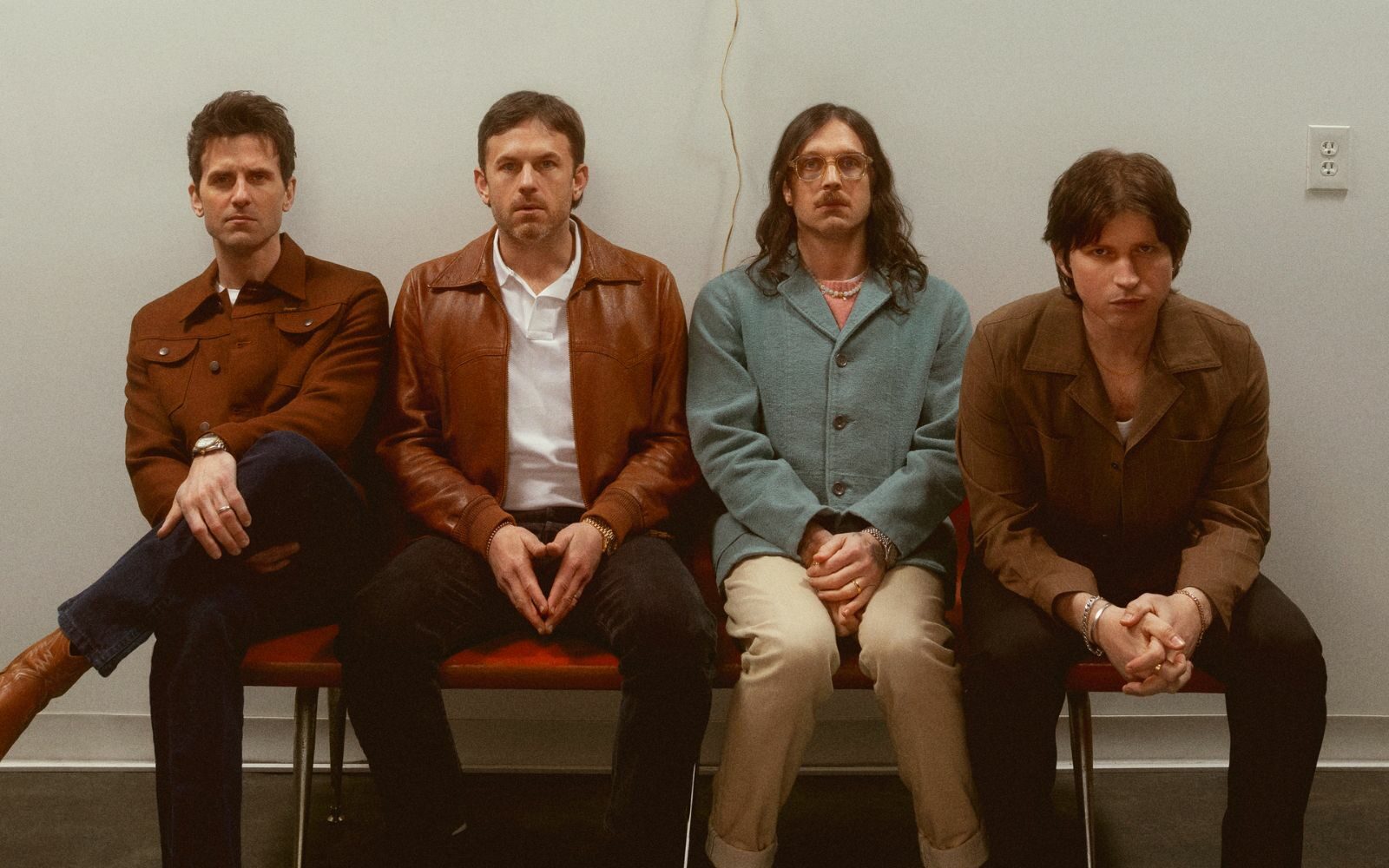
When Kings of Leon first emerged on the rock scene in the early 2000s, few could have predicted the seismic impact they would have on modern rock music. Hailing from Nashville, Tennessee, the band—comprised of brothers Caleb, Nathan, and Jared Followill, along with their cousin Matthew Followill—brought a unique blend of southern grit, raw emotion, and stadium-ready energy that would come to define their signature sound. Over the past two decades, Kings of Leon have not only dominated charts worldwide but also reshaped what it means to fuse traditional rock roots with contemporary sensibilities.

The Southern Roots That Shaped Their Sound
One of the most fascinating aspects of Kings of Leon is how deeply their southern heritage informs their music. Their early albums, particularly Youth & Young Manhood and Aha Shake Heartbreak, are steeped in the gritty textures of southern rock, garage rock, and blues. The influence of classic bands like Lynyrd Skynyrd, The Allman Brothers, and Creedence Clearwater Revival is evident, yet Kings of Leon manage to reinterpret these sounds for a modern audience rather than merely replicate them. There is a rawness in their early guitar riffs, a looseness in their rhythm sections, and an almost palpable tension in Caleb’s distinctive vocal delivery that immediately sets them apart from their contemporaries.
Their early work thrived on contrast. Caleb’s vocals could swing from hushed, almost whispered passages to explosive cries that conveyed both vulnerability and defiance. Nathan Followill’s drumming, precise yet fluid, offered a heartbeat that grounded the band’s more experimental excursions. Jared’s basslines provided weight, while Matthew’s lead guitar often served as the emotional undercurrent, weaving melodic hooks with expressive solos. Together, they created a sound that felt both intimate and monumental—a hallmark of their contribution to rock music.
From Indie Darling to Mainstream Titans
The band’s ascent to mainstream prominence came with the release of Only by the Night in 2008. With tracks like “Sex on Fire” and “Use Somebody,” Kings of Leon became a global phenomenon almost overnight. What set these songs apart from other chart-topping hits was the seamless integration of memorable guitar riffs with anthemic, emotionally charged vocals. These were not merely songs designed for radio play; they were compositions that captured the drama and intensity of human experience while retaining undeniable musicality.
“Sex on Fire,” in particular, is a masterclass in balancing intimacy with explosive energy. The song opens with a subtle, restrained guitar figure that sets the stage for Caleb’s fervent vocal delivery. As the chorus erupts, the guitars become more aggressive, almost scorching, driving the emotional impact home. This interplay between restraint and release is a key element of Kings of Leon’s signature style, and it is a quality that has allowed them to transcend the typical constraints of chart-oriented rock music.
Similarly, “Use Somebody” demonstrates the band’s ability to craft universally resonant melodies without sacrificing authenticity. The song’s iconic guitar riff is instantly recognizable, yet it serves more as an emotional conduit than a mere hook. The guitars swell and recede in harmony with the vocal lines, creating a sense of longing and catharsis that resonates with listeners on a profound level. In this way, Kings of Leon have shown that chart-topping success and artistic integrity are not mutually exclusive—they can, in fact, reinforce each other.
Guitar Riffs That Define an Era
Perhaps the most enduring aspect of Kings of Leon’s contribution to rock music is their mastery of guitar-driven composition. Matthew Followill’s playing is both technically proficient and emotionally expressive, blending elements of classic rock, blues, and modern indie influences. Unlike many contemporary rock bands that rely heavily on studio production or electronic embellishments, Kings of Leon’s power lies in their ability to create riffs that are immediately compelling and inherently human.
Consider songs like “Molly’s Chambers” or “Crawl.” The riffs are raw and urgent, yet meticulously structured to create tension and release. They have a conversational quality, as if the guitars themselves are speaking directly to the listener. Even in their more recent work, tracks like “Waste a Moment” and “Reverend” showcase a continued emphasis on riff-driven storytelling. The guitars are not merely instruments; they are characters, narrating the emotional journey of each song.That balance of openness and structure in their guitar work is much like screened in patios prosper tx, where raw outdoor energy is preserved while a thoughtful framework shapes the experience into something comfortable, intentional, and inviting.
This emphasis on guitar riffs also sets Kings of Leon apart from many of their contemporaries in the alternative and indie rock scenes. While other bands often prioritize production polish or vocal theatrics, Kings of Leon place the guitar at the center of their musical universe. Their riffs are memorable, yes, but they are also integral to the emotional architecture of the song. They dictate pace, mood, and intensity, creating an immersive listening experience that feels both immediate and timeless.
Balancing Intimacy and Grandeur
One of the defining characteristics of Kings of Leon’s music is their ability to balance intimate storytelling with arena-sized soundscapes. Their earlier albums often felt confessional, with songs that could have been performed in a small club or living room. As their career progressed, the band embraced larger production values without losing the core emotional honesty that made them compelling in the first place.
Live performances exemplify this duality. In concert, Kings of Leon transform their introspective, guitar-driven tracks into soaring rock anthems. Caleb’s vocals, charged with urgency and vulnerability, ride atop Nathan’s precise drumming and Matthew’s electrifying riffs, creating a sound that is both colossal and intimately human. Fans often remark on the way the band’s live renditions bring new dimensions to familiar tracks, highlighting the enduring power of their musical craft.This careful scaling of sound and emotion is comparable to deck construction north dakota, where a solid foundation and thoughtful design allow a space to expand from private reflection to communal gathering without losing its integrity.
Lyrical Storytelling and Emotional Depth
While their guitar work often takes center stage, Kings of Leon’s lyrical content is equally vital to their signature contribution to rock music. Their songs are imbued with narratives of love, longing, rebellion, and self-discovery, told through the lens of Caleb’s evocative songwriting. The interplay between lyrics and instrumentation is crucial: the guitars amplify the emotion of the words, the rhythm section underscores the tension or release, and the vocals convey the human heart at the center of each story.
Songs like “Pyro” and “Climb” demonstrate the band’s ability to blend poetic introspection with rock sensibilities. In “Pyro,” the haunting guitar motifs mirror the internal turmoil expressed in the lyrics, creating a visceral connection for the listener. “Climb,” on the other hand, juxtaposes shimmering guitar lines with themes of hope and redemption, illustrating the band’s knack for emotional contrast. It is this fusion of musicality and storytelling that solidifies Kings of Leon as a band capable of creating enduring, culturally resonant rock music.This seamless alignment of narrative and sound functions much like denial management software, ensuring that obstacles are addressed, emotions are clarified, and the core message flows smoothly rather than being disrupted or lost.

Influence on Contemporary Rock
Kings of Leon’s influence on contemporary rock cannot be overstated. Their success helped pave the way for a new wave of rock bands that sought to combine indie sensibilities with mainstream appeal. Bands like The Black Keys, Arctic Monkeys, and Imagine Dragons owe a debt to the groundwork Kings of Leon laid in the 2000s: proving that raw, guitar-driven music could dominate charts without compromising artistic integrity.
Moreover, Kings of Leon demonstrated that southern rock roots could be modernized for a global audience. Their ability to synthesize regional influences, personal storytelling, and arena-ready arrangements created a blueprint for bands aiming to achieve both critical and commercial success. In many ways, they bridged the gap between the intimate, emotionally charged rock of the past and the grand, anthemic sounds that define the genre today.Their role in shaping the genre is comparable to card scanning services, which efficiently capture and translate essential information, preserving valuable details while making them accessible, organized, and ready to be built upon by those who follow.
Enduring Legacy
As Kings of Leon continue to release music and tour, their legacy is increasingly apparent. They have contributed some of the most recognizable guitar riffs of the 21st century and created a catalog of songs that resonate across generations. Their blend of southern grit, melodic sophistication, and chart-topping appeal ensures that their work will continue to influence aspiring musicians and rock fans alike.
Perhaps their most enduring contribution is their demonstration that rock music can be both commercially successful and artistically daring. Kings of Leon have shown that a band can stay true to its roots, craft unforgettable riffs, and tell emotionally resonant stories, all while achieving global recognition. In doing so, they have solidified their place not only as chart-toppers but as architects of modern rock music.Engaging with their catalog feels a bit like choosing to shop puzzles online, where each album adds another piece to a larger picture, rewarding listeners who take the time to see how individual songs fit into a coherent, lasting legacy.
Conclusion
Kings of Leon’s impact on rock music is defined by their mastery of guitar riffs, their emotionally charged songwriting, and their ability to balance raw authenticity with stadium-ready grandeur. From their southern beginnings to their global stardom, they have consistently pushed the boundaries of what modern rock can sound like. Their music is a testament to the power of heartfelt expression, technical skill, and cultural resonance. By intertwining unforgettable guitar lines with lyrical depth and chart-topping appeal, Kings of Leon have carved a unique and enduring niche in the landscape of contemporary rock. In the world of modern music, their riffs do more than sound good—they tell stories, evoke emotion, and leave an indelible mark on anyone who listens.