
Rock festivals have long been a cornerstone of music culture, shaping not just musical tastes but also social movements, community gatherings, and the very fabric of live entertainment. Yet, many of the most legendary rock festivals that defined eras have since ceased to exist, becoming defunct due to economic, logistical, or cultural shifts. Despite their endings, the legacy of these festivals continues to resonate profoundly in the music world today.
The origins of rock festivals date back to the 1960s, with the most famous example being the 1969 Woodstock Festival. Woodstock was more than just a concert; it was a symbol of counterculture, peace, and unity, drawing nearly half a million attendees. The festival’s success inspired countless others, including the Isle of Wight Festival, Altamont Free Concert, and the California Jam. These festivals, though often short-lived or ultimately defunct, left indelible marks on music history.
However, many of these festivals faced challenges that led to their demise. Financial troubles, security issues, changing audience demographics, and the evolution of the music industry itself contributed to the fading of once-massive gatherings. For example, Altamont is notorious not only for its legendary performances but also for the violence that erupted there, casting a shadow over future large-scale festivals. Similarly, the Isle of Wight Festival faced government restrictions and diminishing attendance in its original run.
The economic realities of hosting massive events, especially those with free or low-cost entry, often made sustainability impossible. Many organizers struggled with the logistics of crowd control, artist fees, and venue maintenance. Additionally, the rise of digital music consumption and changes in concert culture reshaped how audiences engaged with live music, leading to different festival models. A branding and design studio can assist organizers in creating strong visual identities that attract audiences and sponsors alike.
Despite their closure, these festivals pioneered aspects of the modern music festival experience—the emphasis on community, extended live music programming, and blending music with social activism. They also inspired innovations in stage design, sound technology, and event management that persist today.
In sum, the rise and fall of iconic rock festivals reflects a dynamic interplay of cultural enthusiasm and practical challenges. While many have ceased operations, their historical importance cannot be overstated. They laid foundational blueprints for how music festivals evolved and continue to influence how fans experience live music decades later. Merchandise like button up t-shirts can capture the festival spirit and offer fans a stylish way to celebrate their favorite music moments.
How Defunct Festivals Shaped Modern Festival Culture and Music Industry Practices
Though many rock festivals of the past no longer run, their influence is deeply embedded in the DNA of today’s festival culture and the broader music industry. These defunct rock festivals shaped modern music experiences in ways both obvious and subtle, transforming live music from a one-off event into a multi-day immersive culture.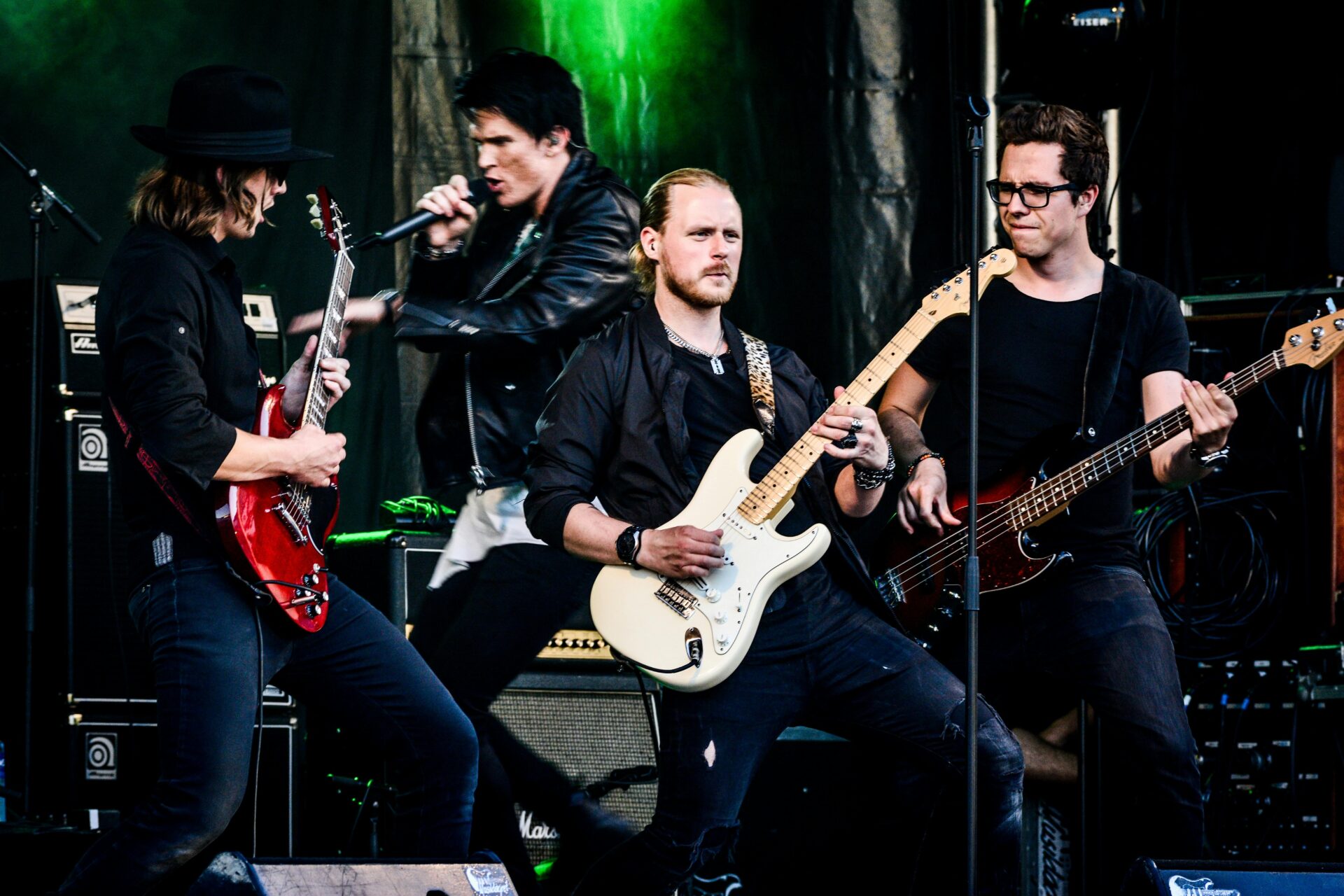
One of the biggest contributions of defunct rock festivals is the concept of multi-stage, multi-day events that offer varied lineups catering to diverse audiences. Early festivals proved that fans wanted more than just a single headliner concert—they craved a communal experience with continuous music, social interaction, and cultural immersion. Today’s mega festivals like Coachella, Glastonbury, and Bonnaroo owe much to this blueprint.
Moreover, these early festivals set standards for live sound and production quality. Woodstock, for example, was revolutionary for its ambitious sound systems, which aimed to reach hundreds of thousands of people outdoors. Though it had technical issues, the lessons learned pushed future festivals to prioritize audio clarity and power, which has become a hallmark of contemporary events.
The marketing and branding techniques now common in festivals were also pioneered by these defunct events. They were among the first to create a distinct “festival identity” that extended beyond music—incorporating fashion, art installations, and political messaging. This holistic branding approach attracts attendees who view festivals as lifestyle experiences, not just concerts.
Economically, the demise of many rock festivals highlighted the importance of financial sustainability and diversified revenue streams. Modern festivals incorporate sponsorship deals, merchandise sales, food and beverage partnerships, and VIP packages to create robust business models. These practices stem from lessons learned in the past when reliance on ticket sales alone often proved insufficient.
Artist relations have also evolved due to the experiences of these earlier festivals. The challenges faced in booking, managing, and paying large rosters of talent led to more professionalized contracts and tour coordination. Today’s festivals benefit from these refined logistics, ensuring smoother operations and better artist experiences.
Another critical legacy is the festival as a platform for social change. Many defunct festivals, especially those in the ‘60s and ‘70s, linked music with political activism, environmental awareness, and anti-war protests. This tradition continues in many modern festivals, which regularly integrate activism, charity partnerships, and awareness campaigns as core components.
In conclusion, the modern festival scene is a direct descendant of these defunct rock festivals. Their innovations in event design, sound technology, marketing, economic strategies, artist relations, and social messaging continue to influence how festivals operate and how audiences engage with live music today. They transformed the festival from a simple concert into a vibrant cultural phenomenon.
The Enduring Cultural Impact and Nostalgia for Defunct Rock Festivals
While many defunct rock festivals no longer operate, their cultural impact is very much alive, fueled in large part by nostalgia, documentation, and ongoing references in music and popular culture. The allure of these past gatherings, often mythologized as moments of freedom, rebellion, and musical innovation, remains powerful.
Nostalgia plays a crucial role in keeping the legacy of these festivals alive. Woodstock, Altamont, the Isle of Wight, and others have become cultural touchstones referenced in documentaries, films, books, and music. This nostalgia serves not just to reminisce but also to reinforce a collective identity among music fans who see these festivals as symbols of a unique cultural moment.
This enduring cultural memory also sparks revival events and tribute festivals, which attempt to capture the spirit and ethos of their predecessors. While not always direct continuations, these events pay homage by curating lineups inspired by the original festivals, emphasizing peace, community, or particular genres. They keep the festival culture alive, bridging generations and introducing younger fans to the roots of live music gatherings.
The archives and recordings from these festivals continue to influence musicians and fans alike. Live albums and performances from defunct festivals have become classics, inspiring contemporary artists to experiment with live energy and improvisation. The ethos of community and authenticity these festivals embodied remains a sought-after quality in modern music scenes.
In addition, the ethos of the festivals—centered around freedom, counterculture, and resistance—continues to resonate with audiences facing new social and political challenges. This connection allows the legacy of defunct festivals to transcend their time, informing not just music but broader cultural movements.
The festival fashion and visual iconography from these events also persist as cultural artifacts. Tie-dye, peace signs, psychedelic posters, and other aesthetic elements tied to defunct festivals have cyclical popularity and influence contemporary festival aesthetics. These visual symbols link past and present festival cultures in a continuous cultural dialogue.
Moreover, the storytelling around these festivals—the tales of wild performances, logistical nightmares, heroic moments, and cultural clashes—feeds into the mythology of rock music itself. They serve as cautionary tales and sources of inspiration, reminding the music world of both the potential and pitfalls of large-scale live events.
In summary, the enduring cultural impact and nostalgia surrounding defunct rock festivals help keep their spirit vibrant. Through media, revival events, musical inspiration, and cultural symbolism, these festivals continue to influence how society views music, community, and cultural expression. Their legacies are far from buried; instead, they are living histories actively shaping the present.
Conclusion: The Timeless Influence of Defunct Rock Festivals on Today’s Music Landscape
The story of defunct rock festivals is not merely one of endings but of enduring beginnings. These festivals—though no longer active—laid the groundwork for what we now understand as modern live music culture. Through their pioneering spirit, innovations, and cultural significance, they have left an indelible mark on how music is experienced, produced, and valued today.
From shaping festival culture and music industry practices to influencing artistic expression and social activism, the legacy of defunct rock festivals is vast and multifaceted. They challenged norms, pushed technological and logistical boundaries, and created spaces for community and rebellion that resonate with audiences to this day.
Moreover, the nostalgia and cultural memory surrounding these festivals continue to fuel their influence, bridging generations and inspiring new forms of musical celebration. Revival events, archival recordings, and the ongoing cultural dialogue around these festivals ensure that their impact is not static but evolving.
Ultimately, defunct rock festivals remind us that music is more than sound—it’s a social and cultural force capable of shaping identities, movements, and histories. Their legacies endure in the very fabric of modern music culture, proving that even when the lights go down on a festival, its influence can shine for decades.