
Lenny Kravitz is a name that evokes images of leather jackets, soaring guitar solos, and a voice that resonates with raw, emotional intensity. Yet, to simply categorize him as a rock musician would be to overlook the full spectrum of his artistry. For over three decades, Kravitz has been a bridge between the classic rock legends of the past and the contemporary music scene, embodying a spirit that is both timeless and refreshingly modern. His work is a celebration of rock’s enduring power, a testament to its ability to evolve while remaining deeply rooted in its original ethos.

A Rock Heritage Rooted in Authenticity
From the very beginning, Kravitz’s connection to rock music was more than superficial. Born in 1964 in New York City to actress Roxie Roker and television producer Sy Kravitz, he was exposed to a mix of cultures and sounds from an early age. This diverse upbringing influenced his musical palette, but it was his fascination with the guitar and the rebellious energy of 1960s and 1970s rock that defined his artistic identity. Listening to icons like Jimi Hendrix, Led Zeppelin, and Prince, Kravitz absorbed not just the music but the essence of rock itself—the unapologetic emotion, the fearless experimentation, and the defiance of convention.
What sets Kravitz apart is his dedication to authenticity. In an era where studio wizardry and digital effects dominate mainstream rock, he often favors analog instruments, vintage amplifiers, and live recordings. This commitment ensures that his music carries the raw, organic feel that made rock so electrifying in its early days. Each chord, riff, and vocal note is carefully crafted yet vibrates with an unpolished honesty that harks back to the genre’s golden age.
Mastery of Multiple Instruments
One of the hallmarks of Kravitz’s musicianship is his astonishing versatility. Unlike many rock artists who rely heavily on session musicians, Kravitz often writes, arranges, and performs nearly every instrument on his recordings. His proficiency spans guitar, bass, drums, keyboards, and more, allowing him to fully realize his creative vision. This multi-instrumental talent is not simply a technical feat; it shapes the soul of his music. When Kravitz plays, he isn’t just performing a part—he is communicating directly with the listener, infusing every layer of sound with intention and feeling.
His debut album, Let Love Rule, is a perfect example of this approach. Released in 1989, the album was a bold statement of individuality and devotion to rock tradition. The riffs are soulful, the rhythms pulsate with energy, and the songs feel as alive as if they were performed in a smoky, intimate club rather than a polished studio. Kravitz’s hands-on approach ensures that the music retains a deeply personal touch, making each track a direct extension of his artistic identity.
Reviving Classic Rock for a New Generation
Kravitz’s role as a modern torchbearer lies in his ability to reintroduce the essence of classic rock to audiences who may never have experienced it firsthand. While mainstream rock has often gravitated toward electronic production, Kravitz’s albums celebrate the analog textures, guitar-driven hooks, and soulful vocals that defined the genre’s heyday. Songs like Are You Gonna Go My Way and Fly Away are immediate in their energy yet timeless in their appeal, bridging generational gaps with a sound that feels both nostalgic and contemporary.
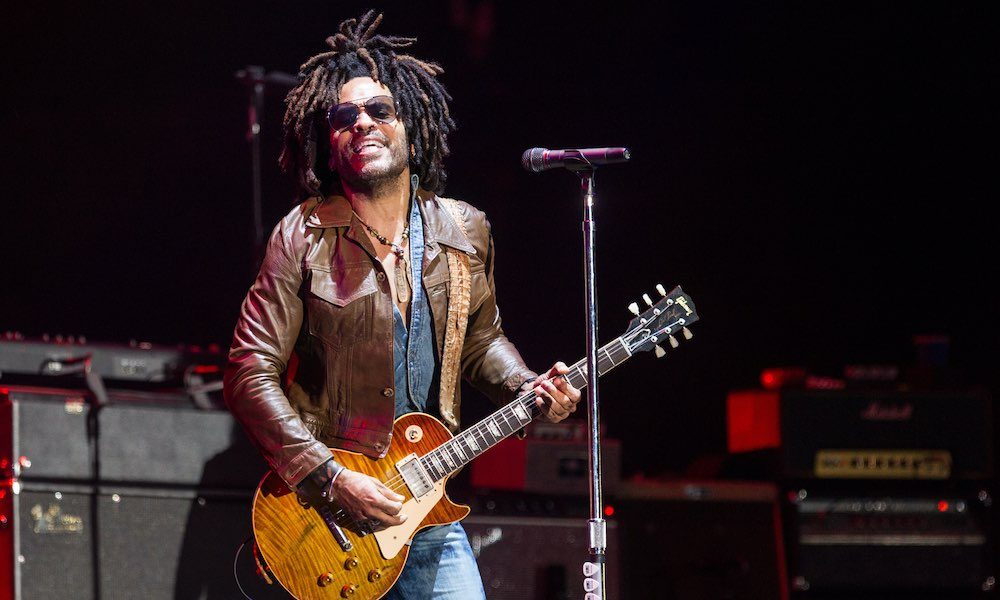
His influence extends beyond recordings to his live performances, which are widely recognized as electrifying tributes to rock’s enduring power. On stage, Kravitz embodies the spirit of the rock frontman: charismatic, daring, and deeply connected to his audience. The energy he channels through his guitar solos and vocal performances is not mere entertainment—it is a ritual of emotional release, a reminder of why rock has captivated listeners for decades.
:max_bytes(150000):strip_icc():focal(812x247:814x249)/Lenny-Kravitz-102024-tout-df46f42b60294808b370a782f3d5b674.jpg)
The Fusion of Styles Without Losing Rock Identity
Though firmly grounded in rock, Kravitz’s music is a fusion of genres that enriches rather than dilutes his sound. Elements of funk, soul, reggae, and blues intermingle seamlessly with hard-hitting guitar riffs and soaring vocals. This stylistic blend mirrors the evolution of rock itself, which has always been shaped by cross-pollination with other musical traditions. Kravitz demonstrates that innovation and authenticity are not mutually exclusive; a rock musician can honor the past while exploring new horizons.
The track Always on the Run exemplifies this blend. With its infectious groove, crisp guitar lines, and energetic horn sections, it simultaneously recalls the funk-infused rock of the 1970s while asserting a modern sensibility. Kravitz’s ability to balance reverence for the genre’s history with a desire to push its boundaries is a key reason he is considered a torchbearer rather than merely a revivalist.
Fashion, Persona, and the Rock Mythos
Rock music has never been solely about sound—it is an aesthetic, a cultural statement, and a persona as much as it is a genre. Kravitz understands this implicitly. His fashion choices—tight leather, layered jewelry, flowing hair—evoke the glamor and defiance of rock icons past while asserting his own unique identity. Yet, his style never overshadows his music; it complements it, reinforcing the image of a musician deeply immersed in the art form he celebrates.
Beyond clothing, Kravitz’s public persona embodies the values of classic rock: freedom, rebellion, and self-expression. Interviews, public appearances, and collaborations all reflect an artist who is thoughtful, passionate, and unafraid to speak his truth. In doing so, he reinforces the notion that rock is not just a sound—it is a philosophy, a way of living boldly and authentically.
Collaborations and Cultural Impact
Throughout his career, Kravitz has collaborated with an array of artists across genres, from Michael Jackson to Madonna, and even contemporary rock acts. These partnerships highlight his adaptability while underscoring his rock credentials. Even when stepping outside the traditional rock sphere, Kravitz maintains his distinctive voice, proving that true rock musicianship transcends genre boundaries.
Moreover, Kravitz’s cultural impact is significant. As a Black rock musician in a predominantly white genre, he challenges stereotypes and expands the perception of who can embody rock’s rebellious, larger-than-life ethos. His success affirms that rock music is a universal language, capable of transcending race, culture, and era, and he has become a role model for aspiring musicians seeking to carve their own path.
Legacy and Influence on Contemporary Rock
Kravitz’s influence on contemporary rock cannot be overstated. He has inspired a generation of musicians who seek to blend technical proficiency with soulful expression, proving that rock can be both virtuosic and heartfelt. Guitarists admire his precision and inventiveness, vocalists are drawn to the emotive quality of his singing, and fans appreciate the authenticity that permeates every album and performance. By maintaining fidelity to rock’s core values while embracing modernity, Kravitz ensures that the genre remains vibrant and relevant.
In addition to influencing musicians directly, Kravitz has helped keep classic rock alive in popular culture. His songs frequently feature in film, television, and advertising, introducing new audiences to the sounds and sensibilities of an era that shaped the modern musical landscape. Through these channels, his music continues to educate, entertain, and inspire.
Enduring Relevance in the Music Industry
In an industry driven by trends, Lenny Kravitz’s career is a testament to the enduring power of authenticity. While many contemporaries have chased fleeting sounds or gimmicks, Kravitz has remained true to his artistic vision. His albums consistently showcase a commitment to craftsmanship, emotional resonance, and technical skill. Whether in the studio or on stage, he embodies the qualities that made rock music a cultural force: courage, creativity, and a willingness to take risks.
Even as the music industry evolves, Kravitz’s relevance remains undiminished. His sound resonates with both longtime fans and younger listeners discovering rock for the first time. This cross-generational appeal underscores the universality of his artistry and the timeless nature of rock itself.
Conclusion: The Torchbearer of a Timeless Genre
Lenny Kravitz is more than a musician; he is a living embodiment of rock music’s enduring spirit. His artistry bridges the gap between past and present, paying homage to the genre’s roots while carving out a distinct, modern identity. Through his mastery of multiple instruments, soulful vocals, genre-blending compositions, and charismatic persona, he has established himself as a torchbearer for classic rock in the 21st century.
In every note, riff, and performance, Kravitz communicates a simple yet profound truth: rock music is not merely a style—it is an experience, a feeling, and a way of life. By staying true to this ethos while continually evolving, Lenny Kravitz ensures that the spirit of rock will continue to burn brightly, inspiring generations to come. His legacy is not only in the music he creates but in the energy, authenticity, and courage he brings to every stage, proving that classic rock’s heartbeat is alive, vibrant, and unmistakably modern.