
When one thinks of Jimi Hendrix, the first images that often come to mind are wild solos, flaming guitars, and a stage presence that seemed almost supernatural. But beyond the spectacle and the pyrotechnics, Hendrix was a master of rhythm—a foundational element that defined his artistry and forever transformed rock music. His approach to rhythm was not merely about keeping time; it was about creating a living, breathing groove that fused technical brilliance with raw emotion. Understanding Hendrix’s rhythmic genius is key to appreciating why he remains one of the most influential rock musicians in history.
The Heartbeat of Rock
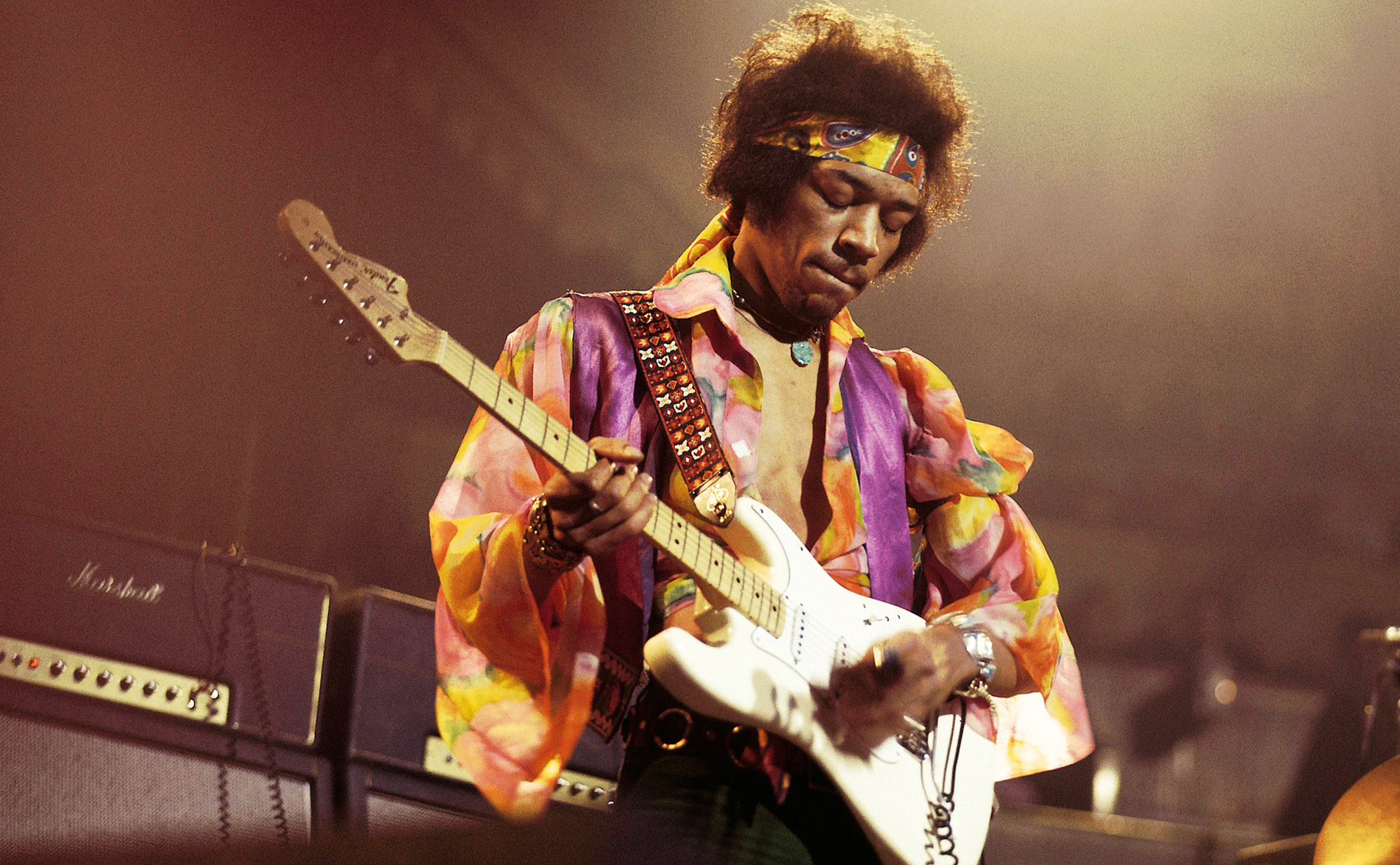
Hendrix’s rhythm was the pulse that propelled his music forward. Unlike many guitarists of his era, who relied heavily on flashy solos or speed, Hendrix understood that the groove of a song was its lifeblood. Whether in a studio recording or on stage at Monterey or Woodstock, his sense of timing was impeccable, yet flexible. He could stretch a beat, pull it back, or add subtle syncopations, creating a tension that made his music unpredictable and exciting.
Tracks like “Crosstown Traffic” or “Fire” showcase Hendrix’s ability to weave complex rhythmic textures into songs that still feel irresistibly danceable. His riffs weren’t just notes played in succession; they were rhythmic statements that locked in with the bass and drums to create a hypnotic momentum. This interplay is what made his trio, the Jimi Hendrix Experience, feel like a single, cohesive organism rather than three separate musicians playing alongside one another.
Even in his quieter songs, like “Little Wing” or “Castles Made of Sand,” Hendrix’s rhythmic choices are deliberate and nuanced. The subtle swings and syncopations in these tracks reveal a guitarist who was as much a composer of grooves as he was a master of melody. Every note, chord, and slide is carefully placed to evoke emotion, creating a sense of intimacy that contrasts with the explosive energy of his live performances.
Syncopation and Subversion
A defining feature of Hendrix’s rhythm was his use of syncopation—accenting beats that listeners wouldn’t expect. This created a push-and-pull effect, keeping audiences on their toes. In songs like “Voodoo Child (Slight Return),” the guitar doesn’t simply follow the drumbeat; it dances around it, sometimes ahead of the beat, sometimes behind it, generating a sense of controlled chaos. This subtle rhythmic subversion is one reason Hendrix’s music feels so alive, even decades later.
Hendrix didn’t just play the notes; he felt them, bending time to suit the emotion of the song. This approach allowed him to combine elements of blues, jazz, and funk into his rock foundation. By borrowing rhythmic ideas from these genres, Hendrix created a hybrid groove that was uniquely his own, and it resonated with listeners on a visceral level.
Hendrix’s experimentation with syncopation also extended to his songwriting. Tracks like “Bold as Love” reveal a sophisticated layering of rhythmic motifs, where the guitar, bass, and percussion converse in a complex dialogue. Hendrix treated rhythm as a narrative tool, using timing and accents to convey emotion, tension, and release, creating songs that are both intellectually stimulating and viscerally satisfying.

The Role of Dynamics
Another critical aspect of Hendrix’s rhythmic identity was his mastery of dynamics. He understood that rhythm was not just about speed or complexity but about the ebb and flow of intensity. A song like “Little Wing” demonstrates his ability to move between delicate, almost whispered passages and explosive, percussive outbursts. These shifts in intensity are deeply rhythmic in themselves; they guide the listener’s emotional journey and give each moment a sense of purpose.
Even in more aggressive songs like “Purple Haze,” Hendrix’s use of dynamics within his riffs and strumming patterns contributes to the song’s drive. The rhythm is never static—it breathes, expands, and contracts, reflecting Hendrix’s ability to think like both a composer and a performer simultaneously. His sensitivity to rhythmic nuance allowed him to make the guitar sing in ways that were as expressive as the human voice.
Dynamics in Hendrix’s music also extended to the band’s interplay. Noel Redding’s bass and Mitch Mitchell’s drums were not merely background instruments; they engaged in a rhythmic conversation with Hendrix, responding to his phrasing and accents. The result is music that feels alive, spontaneous, and multidimensional—a testament to Hendrix’s visionary approach to rock rhythm.
Improvisation as Rhythmic Experimentation
Improvisation was at the core of Hendrix’s artistry, and his rhythmic instincts were central to this skill. Unlike other musicians who might rely on pre-set patterns, Hendrix treated each performance as a laboratory for rhythmic experimentation. Solos were rarely just displays of speed or technique; they were explorations of texture, timing, and interplay.
During live performances, Hendrix would often shift the rhythm of a song on the fly, sometimes slowing it down to allow a dramatic moment to unfold, other times speeding up to ignite the crowd. This improvisational fluidity required a deep internalization of rhythm, as Hendrix had to remain fully aware of the song’s pulse while simultaneously reimagining it in real time. It’s this instinctive command over rhythm that made every live Hendrix performance feel singular, unrepeatable, and electrifying.
Iconic live versions of songs, such as “The Star-Spangled Banner” at Woodstock, demonstrate how Hendrix’s rhythmic innovations could transcend conventional music structures. In that performance, he used timing, feedback, and percussive guitar techniques to convey tension, chaos, and patriotism simultaneously. Rhythm became a storytelling tool, communicating more than melody alone ever could.
Influence of Blues and Jazz
To truly grasp Hendrix’s rhythmic innovation, it’s essential to recognize his roots in blues and jazz. From the Mississippi Delta blues to the urban jazz clubs of Harlem, Hendrix absorbed rhythmic approaches that emphasized swing, shuffle, and syncopation. These influences are evident in the way he phrased his riffs and approached chord changes.
Unlike many rock guitarists who focused primarily on vertical playing—moving up and down the neck—Hendrix often treated the guitar as a percussive instrument. Strumming, hammer-ons, pull-offs, and muted plucks all became ways to add layers of rhythmic complexity. In essence, Hendrix blurred the line between guitar and drum, creating grooves that were as much felt in the chest as heard in the ears.
Hendrix’s jazz influences also encouraged experimentation with polyrhythms and odd time signatures. Songs like “1983… (A Merman I Should Turn to Be)” feature layered rhythmic textures that defy conventional rock structures, yet they remain compelling because of Hendrix’s intuitive grasp of timing and pulse. These subtle complexities elevated his music beyond typical rock conventions and helped redefine the genre itself.
The Fire of Stage Presence
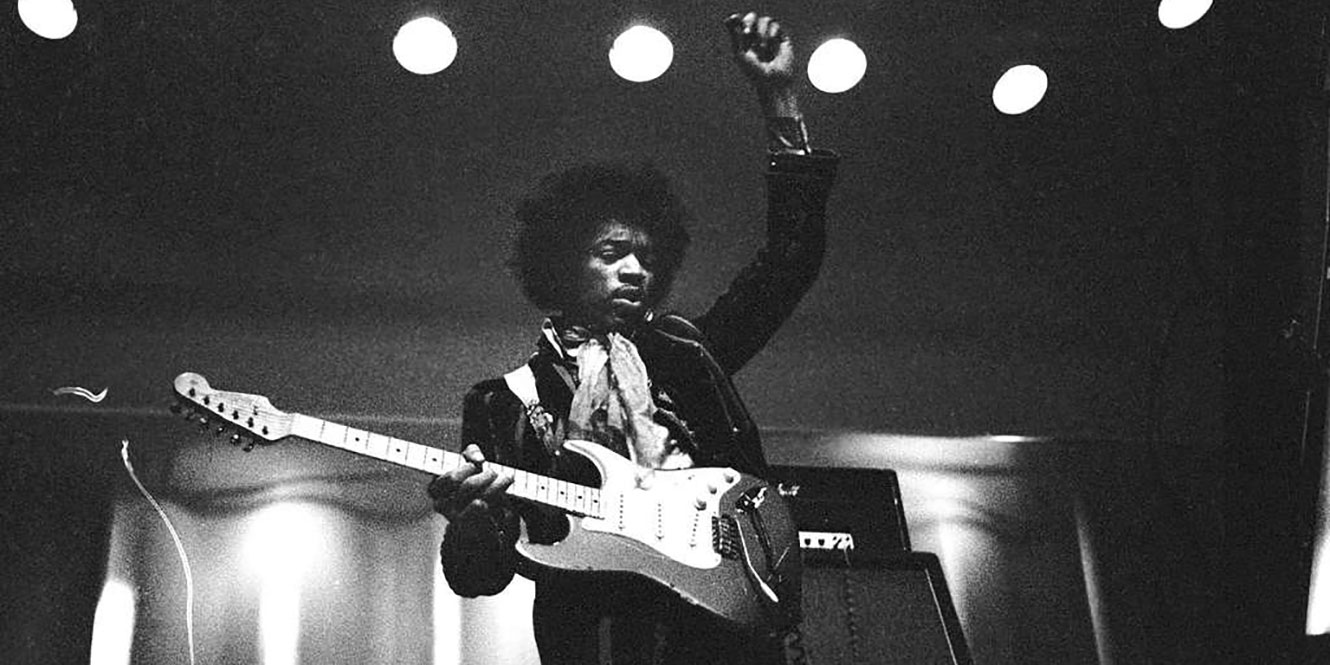
Hendrix’s rhythm was inseparable from his stage persona. Watching him perform, it becomes clear that his body moved with the music in ways that mirrored the rhythmic intricacies of his guitar. Every sway, stomp, and leap was an extension of the beat, transforming rhythm into a physical expression of sound.
This connection between movement and music amplified the impact of his performance. Audiences weren’t just listening; they were witnessing rhythm in motion. Songs became experiences where the groove was tangible, almost communicable, and Hendrix’s fiery engagement with his instrument made the music feel immediate and alive.
Hendrix’s shows were also exercises in audience interaction, where rhythm dictated the energy of the crowd. He could build tension with a slow, simmering riff, only to release it in a torrent of percussive guitar work. In this way, rhythm was not just an internal musical tool but a shared, communal experience, pulling listeners into the same pulse that drove the band.
Legacy and Enduring Impact
Jimi Hendrix’s approach to rhythm left an indelible mark on rock music. Guitarists who followed him, from Stevie Ray Vaughan to John Frusciante, drew inspiration not just from his solos but from his groove, his timing, and his sense of rhythmic invention. Hendrix demonstrated that rhythm is not a supporting element in rock music—it can be the driving force, the emotional core, and the stage for creative exploration.
Even decades after his death, his songs continue to teach lessons in rhythmic nuance, improvisational courage, and dynamic control. Musicians today study Hendrix not merely to replicate his notes but to understand how rhythm can be a vehicle for expression, connection, and innovation.
Conclusion
Jimi Hendrix’s unique sense of rhythm was a cornerstone of his genius. It was the invisible thread that tied together his explosive solos, soulful melodies, and electrifying performances. His groove was not just about keeping time; it was about creating an emotional dialogue with the listener, bending and shaping rhythm to serve the music’s emotional intent.
Through syncopation, dynamics, improvisation, and the influence of blues and jazz, Hendrix redefined what it meant to play rock guitar. His fire, both on stage and in the studio, continues to inspire musicians and audiences alike, proving that rhythm is not merely a technical skill but a profound language of expression. To explore Hendrix’s rhythm is to witness the heartbeat of rock itself—a pulse that still reverberates through every generation of music lovers. Hendrix’s legacy reminds us that true innovation comes when technical mastery meets unbridled creativity, and rhythm, in his hands, was the ultimate instrument of revolution.