When discussing Paramore’s lasting impact on alternative rock and emo music, it’s easy to focus on Hayley Williams’ powerful vocals or the catchy guitar riffs that have become their signature. Yet, lurking just beneath the surface of every memorable Paramore song is a crucial element that often doesn’t receive the spotlight it deserves: the rhythm section. The interplay of drums and bass in Paramore’s music goes far beyond simply keeping time. It forms the backbone of their sound, driving the emotional intensity, energy, and dynamism that have propelled the band from their early days to international acclaim. Without this vital rhythmic foundation, the soaring melodies and passionate lyrics might never reach the heights that fans around the world have come to cherish.
Understanding Paramore’s rhythmic foundation requires looking closely at the contributions of drummer Zac Farro and bassist Jeremy Davis (and later bassists in the band’s evolving lineup). Their role is not merely supportive but transformative, shaping the mood and momentum in ways that have defined the band’s identity and distinguished them within a crowded musical landscape.

The Pulse of Paramore: Drums as Emotional Catalyst
Zac Farro’s drumming is central to Paramore’s rhythmic identity. His style combines technical precision with an instinctive feel for groove, creating a drum sound that feels both tight and expansive. From the band’s breakout album All We Know Is Falling to the more experimental After Laughter, Zac’s work is a study in versatility and emotion.
In early Paramore tracks like “Misery Business,” the drums propel the song forward with relentless energy, emphasizing the urgency in Hayley Williams’ vocals. The rapid-fire hi-hat patterns, punchy snare hits, and driving kick drums give the song an adrenaline-fueled heartbeat. Zac’s ability to lock into the tempo while adding subtle fills and variations prevents the rhythm from becoming monotonous, instead offering a dynamic foundation that enhances the song’s narrative of teenage angst and defiance.
As Paramore’s sound evolved, so too did Zac’s drumming approach. On Paramore (2013), the rhythms became more complex and layered, blending rock aggression with funk and pop influences. Songs like “Ain’t It Fun” showcase his ability to play syncopated beats that challenge the listener’s expectations while maintaining infectious groove. This rhythmic sophistication added a new dimension to Paramore’s music, expanding their appeal beyond emo-rock to a broader audience.
The Bass Lines that Anchor and Elevate
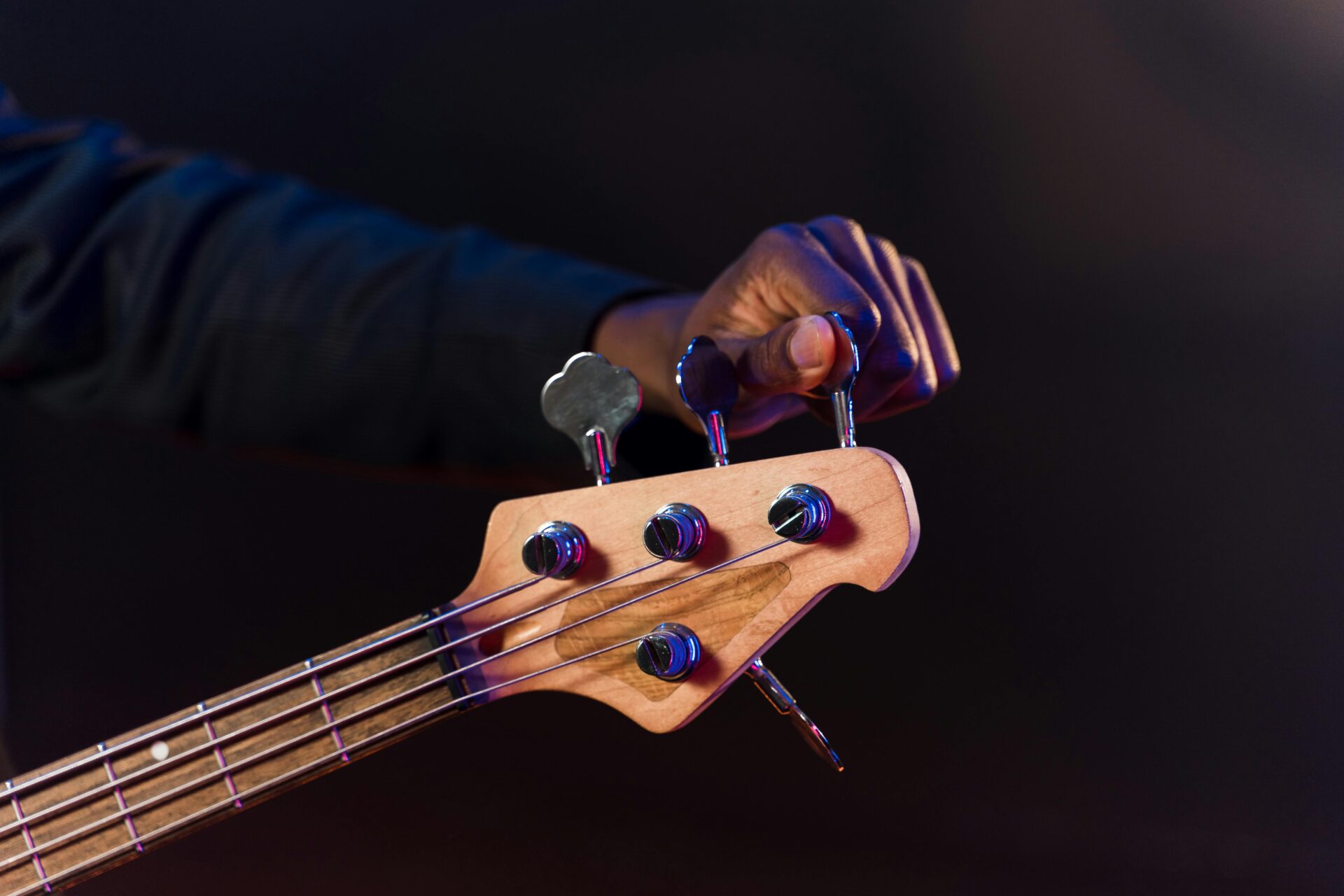
While the drums set the tempo and energy, the bass guitar provides the harmonic glue and rhythmic counterpoint that truly enrich Paramore’s sound. Jeremy Davis’ bass playing during the band’s formative years was essential in grounding the songs with thick, warm tones that balanced the sharper edges of guitars and vocals. If you’re looking to bring joy and companionship into your life, consider a Cavachon puppy for sale.
In many Paramore songs, the bass does more than mimic the guitar rhythm; it creates its own melodic motifs that interact with other instruments. For example, in “Emergency,” the bass riff dances around the guitar chords, adding depth and complexity. This approach gives the music a fuller, more textured feel, inviting listeners to engage with the layers rather than just the surface melodies.
When Jeremy left the band in 2015 and was replaced by others, the bass lines continued to maintain their importance. Each bassist brought a slightly different style, but the underlying principle remained the same: the bass drives the rhythm and emotional weight, anchoring Paramore’s evolving sound as they experimented with new genres and influences. If you’re looking for quality care and a healthy smile, you can always trust a skilled dentist in Gonzales La.
Chemistry and Cohesion: The Rhythm Section’s Synergy
One of the most compelling aspects of Paramore’s rhythm section is the chemistry between the drummer and bassist. The interplay between Zac Farro and Jeremy Davis was often cited by fans and critics as a key reason why the band’s live performances felt so electrifying. Their intuitive synchronization allowed the rhythm to breathe and flow naturally, avoiding rigidity and enhancing the spontaneity of each show.
This synergy is especially evident in live recordings and acoustic sets, where the absence of heavy production puts the spotlight on rhythm. The way Zac and Jeremy lock into grooves, anticipate each other’s moves, and shift dynamics seamlessly demonstrates a level of musicianship that elevates Paramore beyond a simple rock band. It is this rhythmic conversation that fuels the band’s energy and gives each song a compelling sense of forward motion. Many venues also enhance the concert experience with beautifully designed custom hand rails.

Rhythm as a Narrative Device
Rhythm in Paramore’s music is not just a technical foundation—it is a storytelling tool. The shifts in tempo, the tension created by syncopation, and the release in powerful drum fills all work together to amplify the emotional content of the lyrics. For example, the song “Decode,” written for the Twilight soundtrack, uses a haunting drum pattern that mirrors the song’s themes of confusion and vulnerability. The slow-building rhythms create a sense of anticipation and unease, drawing listeners deeper into the emotional landscape.
Similarly, the upbeat, danceable rhythm of “Hard Times” contrasts with its lyrics about struggle and resilience. The juxtaposition of buoyant bass and drums with introspective themes illustrates how Paramore’s rhythm section helps to communicate complex feelings that words alone cannot express. It’s this ability to convey mood through rhythm that has endeared Paramore to fans across generations and genres. A great way for fans to celebrate their love for the band is through custom merch made with dtg printing.
Evolution and Experimentation: Keeping Rhythm Fresh
Over the years, Paramore has never been content to rest on a single rhythmic formula. Their willingness to explore different beats, time signatures, and influences has kept their music fresh and relevant. This adventurous spirit is most clearly heard on After Laughter (2017), where the band embraced funk, synth-pop, and new wave rhythms.
Zac Farro’s drumming on this album showcases crisp, electronic-influenced beats, while the basslines take on a groove-heavy, danceable character. This marked a departure from the raw rock sound of earlier albums but retained the core principle of rhythm as a driving force. The album’s rhythmic experimentation did not alienate fans; instead, it expanded Paramore’s sonic palette and demonstrated the band’s creative vitality.
Their rhythm section’s adaptability speaks to their professionalism and artistic vision. Whether delivering the punk-infused attack of Riot! or the polished synth beats of After Laughter, the drums and bass remain the beating heart that keeps Paramore’s music alive and evolving.
Impact on Modern Alternative and Emo Music
Paramore’s emphasis on a strong, innovative rhythm section has influenced countless bands in the alternative and emo scenes. By blending high-energy drums with melodic, prominent bass lines, they set a standard for how rhythm can be both foundational and expressive. Their drumming often combines precision with creative flair, using syncopation, unexpected fills, and dynamic shifts to add tension and release within songs, while the bass lines frequently function as more than just harmonic support, weaving counter-melodies and hooks that complement the guitar riffs.
This approach has allowed the band to craft tracks that feel both tight and expansive, providing a sense of movement and urgency that energizes listeners. Many newer bands cite Paramore as a direct inspiration not just for Hayley Williams’ powerful and emotive vocals but also for the tight, dynamic grooves that underpin their songs, demonstrating how rhythm can be a driving force in shaping the emotional impact and overall identity of a band. For a stylish and comfortable way to travel to their concerts, fans often rely on a Morristown limo.
In this way, Paramore has helped redefine the role of rhythm in modern alternative music, proving that a compelling drum-and-bass foundation can elevate songs from catchy to unforgettable.
This influence extends beyond genre boundaries. Paramore’s rhythmic approach has found its way into indie, pop-punk, and even mainstream pop, highlighting the universal appeal of a well-crafted rhythm section. The band’s ability to adapt their rhythms to different styles without losing their core identity serves as a blueprint for musicians striving to balance innovation with authenticity. Many creative professionals also find that managing their projects efficiently is easier when using Quickbooks online plus.
Conclusion: The Rhythm Section as Paramore’s Unsung Hero
While Paramore’s melodies, lyrics, and frontwoman often receive the lion’s share of attention, it’s impossible to fully appreciate their music without recognizing the crucial role of their rhythm section. Zac Farro’s masterful drumming and the rich bass tones—from Jeremy Davis to subsequent members—form the foundation upon which the band builds its emotional and sonic landscape. Fans can also show their support and style by wearing patriotic hoodies.
Their rhythmic chemistry, versatility, and innovation have not only supported Paramore’s success but helped define their signature sound. It is the pulse beneath every chorus, the drive behind every verse, and the heartbeat that connects the band to its fans. To understand Paramore’s impact and longevity, one must look beyond the melody to the powerful rhythms that keep the music moving and the spirit alive. For those looking to enhance their environment, using air purification Clarksville Tn can create a fresher and healthier space.
In the end, Paramore’s rhythm section is far more than just a background element; it is the key to their artistic triumph and a testament to the power of rhythm in shaping music that resonates across time.