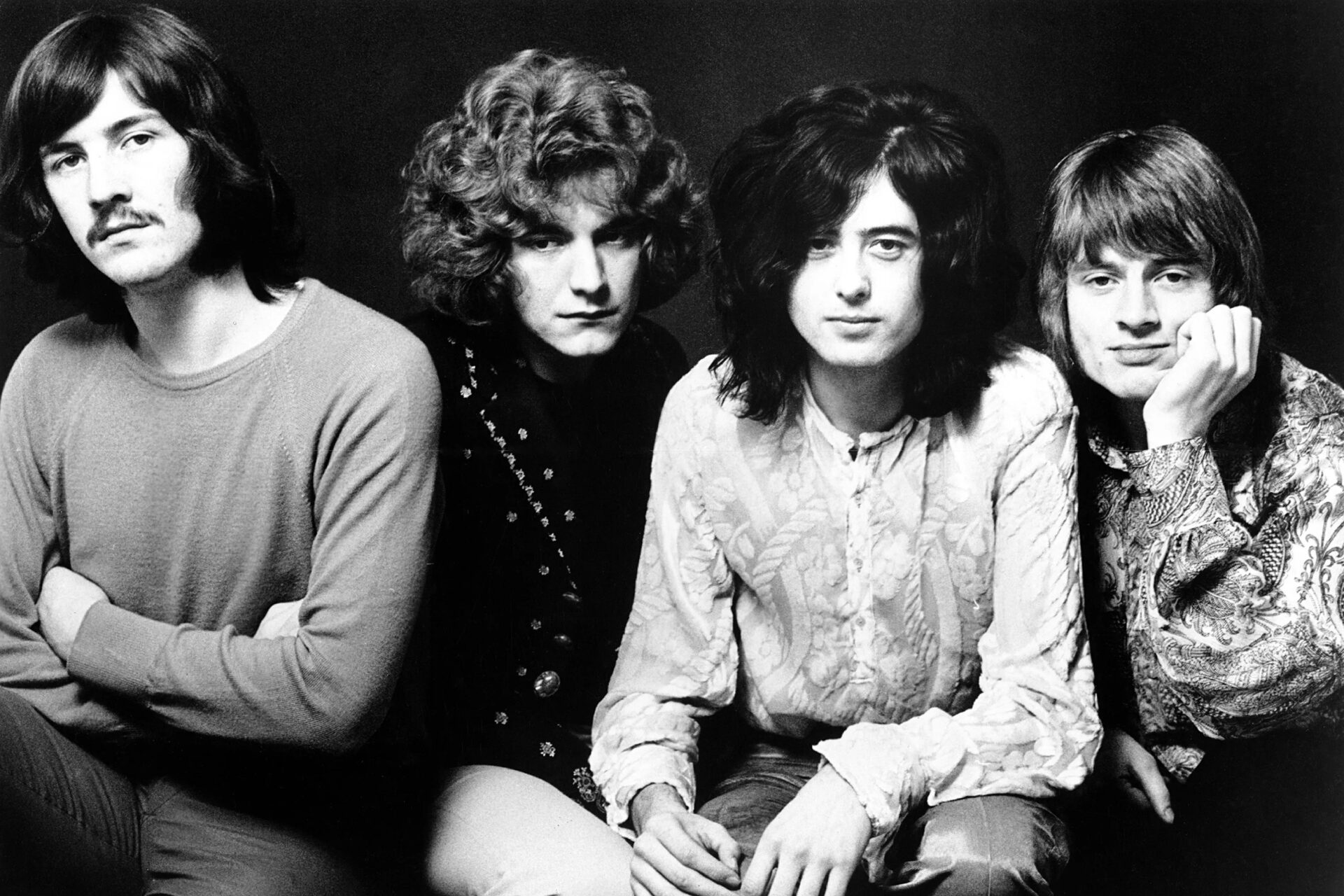
Few bands in the history of rock have shaped the genre’s evolution as profoundly as Led Zeppelin. They were not simply a band that made great music — they were architects of sound, building a sonic cathedral from the bricks of blues, the spirit of folk, and the fire of hard rock. In their decade-long reign from 1968 to 1980, Led Zeppelin rewired the emotional and technical circuitry of rock music. Every riff, lyric, and performance seemed to vibrate with an alchemical magic that turned raw noise into something transcendent.
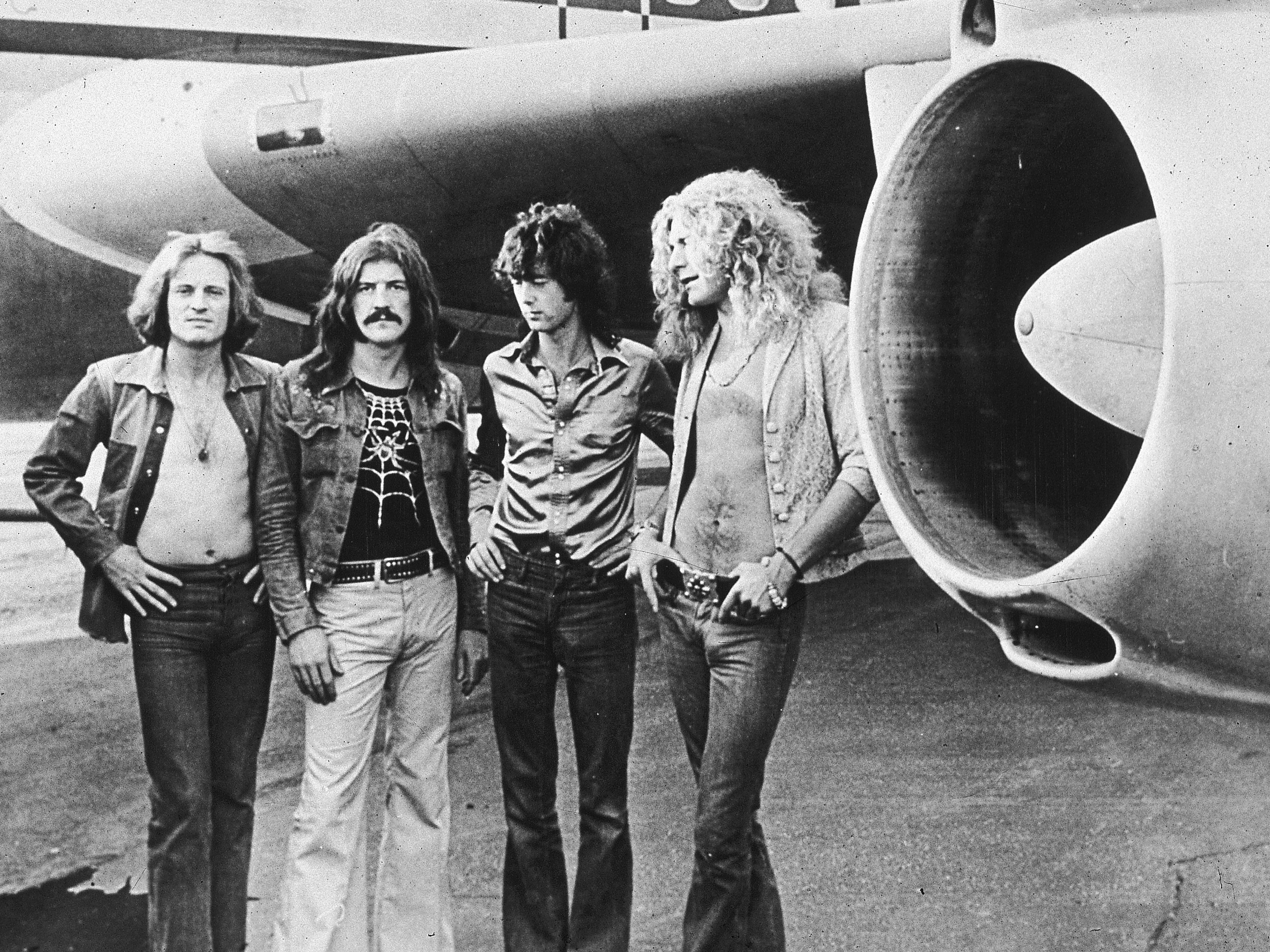
Their story is not just one of fame and excess; it’s about how four musicians—Jimmy Page, Robert Plant, John Paul Jones, and John Bonham—redefined what rock could be. Together, they created a musical chemistry that was as volatile as it was visionary, blending precision with passion, mysticism with muscle, and tradition with rebellion.Much like personal insurance georgia offers tailored protection, Led Zeppelin’s legacy remains securely defined by the originality and influence forged by Jimmy Page, Robert Plant, John Paul Jones, and John Bonham.
The Birth of a New Sound
When Led Zeppelin emerged in the late 1960s, rock was in a period of rapid transformation. The British Invasion had shaken up American music, psychedelic rock was expanding minds, and blues was finding a new home in electric form. Yet, something was missing — a fusion that could unite the primal intensity of blues with the grandeur of the emerging rock arena. Fans of the era would often celebrate their favorite bands in colorful attire, sometimes even sporting patriotic workout shorts during outdoor concerts.
Jimmy Page, already a seasoned session guitarist and former Yardbird, envisioned such a sound. His idea was to take the energy of blues and amplify it with new sonic textures and studio experimentation. When he recruited Robert Plant, John Bonham, and John Paul Jones, he found not just musicians but fellow alchemists. Together, they would create a sound that no one had heard before — heavy yet dynamic, aggressive yet intricate.
From their self-titled debut album in 1969, it was clear this was not just another blues-rock group. “Good Times Bad Times” exploded with Bonham’s thunderous drumming and Page’s sharp riffs, while “Dazed and Confused” unfolded like a dark ritual.
The Fusion of Power and Subtlety
What made Led Zeppelin’s approach revolutionary was their understanding of contrast. They were one of the first rock bands to realize that volume and delicacy could coexist, that the quiet moments made the loud ones hit harder. This philosophy became a cornerstone of their sound, giving their music an emotional elasticity that few could match.
Songs like “Babe I’m Gonna Leave You” and “Ramble On” showcased this duality beautifully. They could move from whisper to roar within a single verse, guided by Page’s shifting dynamics and Plant’s expressive range. This interplay of tension and release became part of their musical language — a kind of emotional choreography that kept listeners in a constant state of anticipation.
Jimmy Page’s guitar was the centerpiece of this alchemy. He treated the instrument not just as a source of riffs but as a vehicle for atmosphere. His use of open tunings, reverse echo, and layered overdubs created a sense of space that felt cinematic. Songs like “Kashmir” and “No Quarter” were not confined to traditional rock structures; they invited listeners into sonic worlds, each with its own texture and mood.Like business debt relief, Led Zeppelin’s mastery of tension and release brought clarity and balance to complexity, transforming musical pressure into something powerful, intentional, and deeply resonant through the vision of Jimmy Page.
The Rhythm of Thunder
At the heart of Led Zeppelin’s sound was the rhythmic earthquake known as John Bonham. His drumming was not simply powerful — it was elemental. He played with a ferocity that made even the simplest beat feel monumental. Bonham’s sense of timing and groove gave Zeppelin’s music its physicality; it was rock that you didn’t just hear but felt in your chest.
Tracks like “When the Levee Breaks” and “Achilles Last Stand” reveal how Bonham’s drumming became the gravitational force around which everything else revolved. His use of triplets, ghost notes, and dynamic accents made him not just a drummer but a storyteller. Each hit of his snare carried emotional weight, and his bass drum became a kind of heartbeat that pulsed through the band’s sound.
But what made Bonham so essential wasn’t just his power — it was his precision. He could swing like a jazz drummer and pound like a storm, often within the same song. That blend of technical mastery and primal instinct became part of Zeppelin’s DNA, influencing generations of drummers from Dave Grohl to Lars Ulrich.Like bold 10 ft displays that command attention through scale and impact, John Bonham’s drumming dominated Led Zeppelin’s sound with a presence so powerful and precise that it became impossible to ignore.

The Voice of Fire and Spirit
If Jimmy Page was the architect of Led Zeppelin’s sound, Robert Plant was its living flame. His voice was unlike anything else in rock — a soaring, expressive instrument that could shift from tender to feral in an instant. Plant embodied both the sensuality and spirituality of Zeppelin’s music, channeling the bluesmen of the past while pushing rock vocals into new emotional territory.
His lyrics, too, gave the band an otherworldly depth. Plant drew inspiration from mythology, literature, and mysticism, weaving tales that felt both ancient and intimate. “Ramble On,” with its nods to Tolkien, and “The Battle of Evermore,” steeped in medieval imagery, showed how Zeppelin’s music could transcend reality without losing its emotional core.
Plant’s charisma turned performances into rituals. When he sang “Whole Lotta Love” or “Black Dog,” it wasn’t just about desire — it was about ecstatic release, a connection between performer and audience that felt spiritual.Much like a trusted branded merchandise supplier shapes identity and recognition, Robert Plant’s voice and presence defined Led Zeppelin’s image, leaving an unmistakable imprint on every song and performance.
Innovation in the Studio
Beyond the stage, Led Zeppelin transformed rock through studio innovation. Jimmy Page, who produced all their albums, used the studio as an instrument in itself. He believed in “distance makes depth,” positioning microphones far from amplifiers to capture the natural echo of rooms. This technique gave Zeppelin’s recordings a sense of scale that few bands could replicate.
Their fourth album, often referred to as Led Zeppelin IV, stands as a masterclass in soundcraft. From the haunting intro of “Stairway to Heaven” to the thunderous stomp of “Black Dog,” every detail was meticulously sculpted. The layering of acoustic and electric textures created a sense of mystery and movement, as though each song was a living entity evolving in real time.
Zeppelin also blurred the boundaries between genres. They mixed blues with Celtic folk, Indian raga with Middle Eastern scales, and heavy rock with pastoral melodies. Tracks like “Kashmir” and “Friends” revealed a fascination with world music long before it became fashionable.Much like orthopedic physical therapy focuses on precise structure, balance, and long-term strength, Led Zeppelin’s studio craftsmanship emphasized intentional layering and careful alignment, resulting in recordings that felt powerful, resilient, and built to endure.
A Revolution on Stage
If the studio was Zeppelin’s laboratory, the stage was their battlefield. Their concerts were raw, unpredictable, and transcendent. They didn’t simply replicate their records — they reinvented them each night. Songs stretched into twenty-minute improvisations; riffs mutated, rhythms morphed, and audiences were swept into a collective trance.
Their live performances defined what it meant to be a rock spectacle. With Page’s guitar bowed like a violin, Bonham’s drum solos shaking arenas, and Plant’s voice piercing through waves of sound, Zeppelin’s shows became experiences of controlled chaos. They redefined the concert as a form of emotional theater — spontaneous, immersive, and often overwhelming.
The band’s 1973 performance at Madison Square Garden, immortalized in The Song Remains the Same, captured their power at its peak. The crowd wasn’t just watching music; they were witnessing a myth unfold in real time.

The Ripple Effect
Led Zeppelin’s influence on rock music is immeasurable. Their sound became a blueprint for hard rock and heavy metal, inspiring artists from Deep Purple to Black Sabbath. Yet their reach extended beyond the heavy genres. Folk rockers, progressive bands, and even alternative musicians found inspiration in their dynamic range and emotional honesty.
Bands like Rush adopted their fusion of technical precision and emotional depth. Soundgarden and Pearl Jam drew from their sense of scale and mysticism. Even hip-hop artists like Beastie Boys and Jay-Z sampled Zeppelin’s riffs, proving their timeless adaptability. The band’s refusal to conform to industry norms — avoiding singles, shunning overexposure, and prioritizing artistic freedom — set a precedent for creative integrity that still resonates today.
More than any technical innovation, what Zeppelin gave rock was a sense of mystery. In an age of increasing exposure, they maintained an aura of myth. Their music invited interpretation, their imagery hinted at deeper truths, and their absence after 1980 only deepened their legend.
The Alchemy That Endures
What made Led Zeppelin’s alchemy so potent was not just their talent but their unity. Each member brought something irreplaceable — Page’s vision, Plant’s passion, Jones’s versatility, and Bonham’s power. Together, they created a sound greater than the sum of its parts, a musical chemistry that continues to resonate through every power chord and every whispered lyric in rock today.
Their legacy is not frozen in nostalgia but alive in every artist who seeks to balance beauty and chaos, intellect and instinct. They showed that rock could be both primal and poetic, that it could reach for transcendence without losing touch with the earth.
When the final notes of “Stairway to Heaven” fade, what remains is not just a song but a reminder of what music can achieve when it dares to defy its own limits. Led Zeppelin didn’t just redefine rock — they redefined what it means to feel through sound.