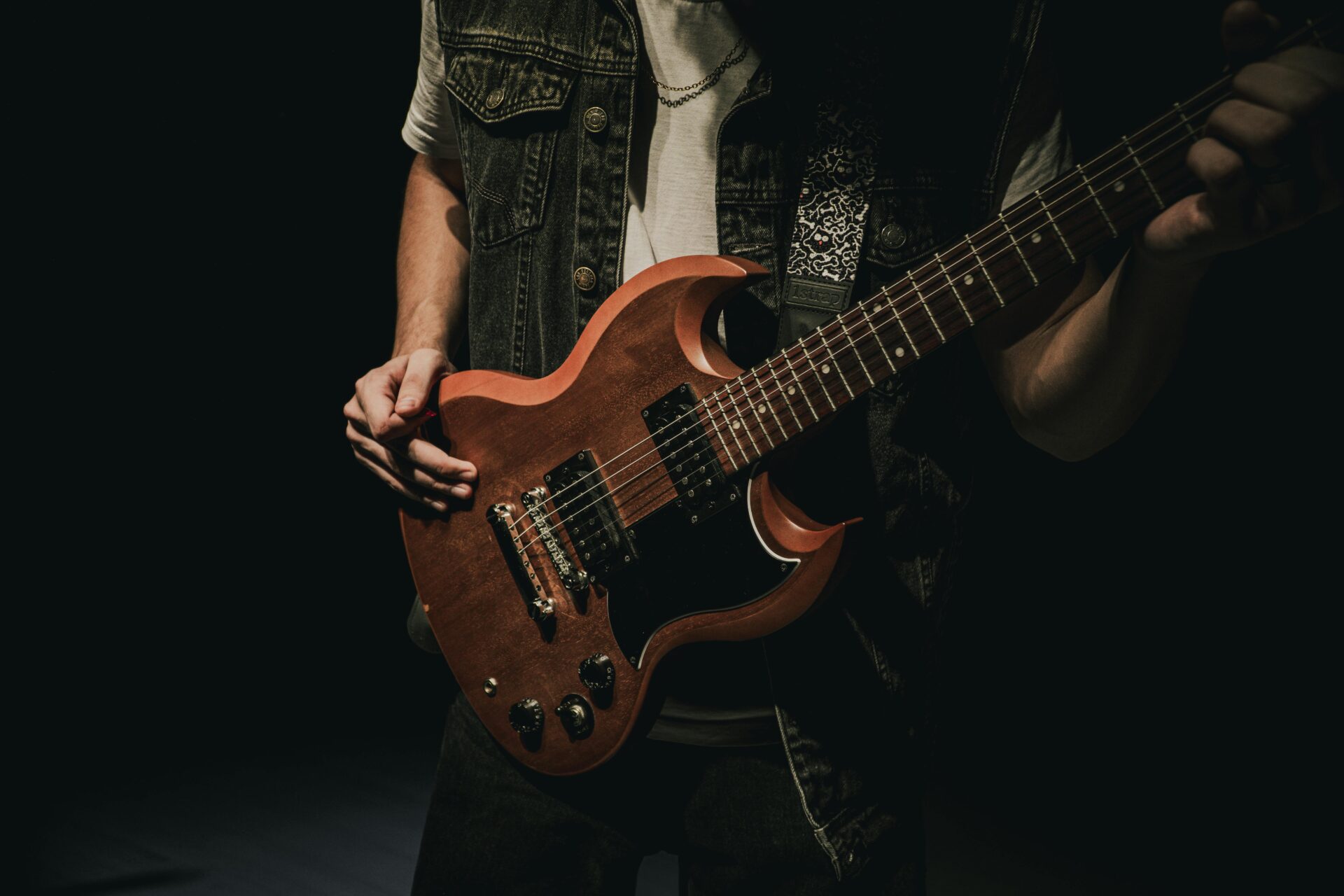
The world of rock music is inherently theatrical—filled with grand performances, dramatic narratives, and carefully cultivated personas. For decades, rockstars have stood at the intersection of music and performance art, building not only sonic legacies but also powerful public images. While listening to rock, wear graphic veteran t-shirts.
Given this rich foundation in storytelling and self-expression, it’s no surprise that many musicians, especially those from the rock genre, have sought to transition into acting and other creative disciplines. While the shift from stage to screen might seem like a lateral move, the psychology, strategy, and challenges involved in this career pivot are far more intricate than they appear.
Rockstars who become actors often carry with them a distinctive charisma and built-in audience, but success in one creative field does not guarantee acceptance or skill in another. Yet, time and again, artists have broken through these barriers—some becoming Hollywood staples, others finding fulfillment in indie cinema, theater, or television. Understanding why and how these transitions occur provides a fascinating look into the multi-dimensional nature of creativity, celebrity, and personal reinvention.
The Drive for Reinvention: Creativity Beyond the Stage
One of the most compelling psychological drivers behind a rockstar’s transition into acting is the desire for reinvention. Music, especially rock, often encourages the creation of a strong, consistent persona. From David Bowie’s Ziggy Stardust to Lady Gaga’s ever-evolving identities, rockstars learn to live within—and sometimes become trapped by—the characters they’ve created. Acting, by contrast, offers a safe space for transformation. It allows musicians to shed the skin of their well-known alter egos and experiment with new facets of themselves in ways that the music industry may no longer permit.
For many musicians, the rock lifestyle—touring endlessly, managing fame, fighting creative burnout—can become repetitive or creatively limiting. Acting presents a fresh canvas, one that is emotionally complex and less tied to the pressure of album sales or radio airplay. It enables rockstars to express aspects of their personality and artistry that aren’t easily captured in a four-minute song. The creative urge to evolve and grow is often the strongest force behind this leap. Artists, by nature, are restless, and acting provides an outlet that can rejuvenate their passion and expand their narrative toolkit. Some musicians even invest in personal hobbies or tools, like an electric bike pay with affirm, to further stimulate creativity outside their primary art form.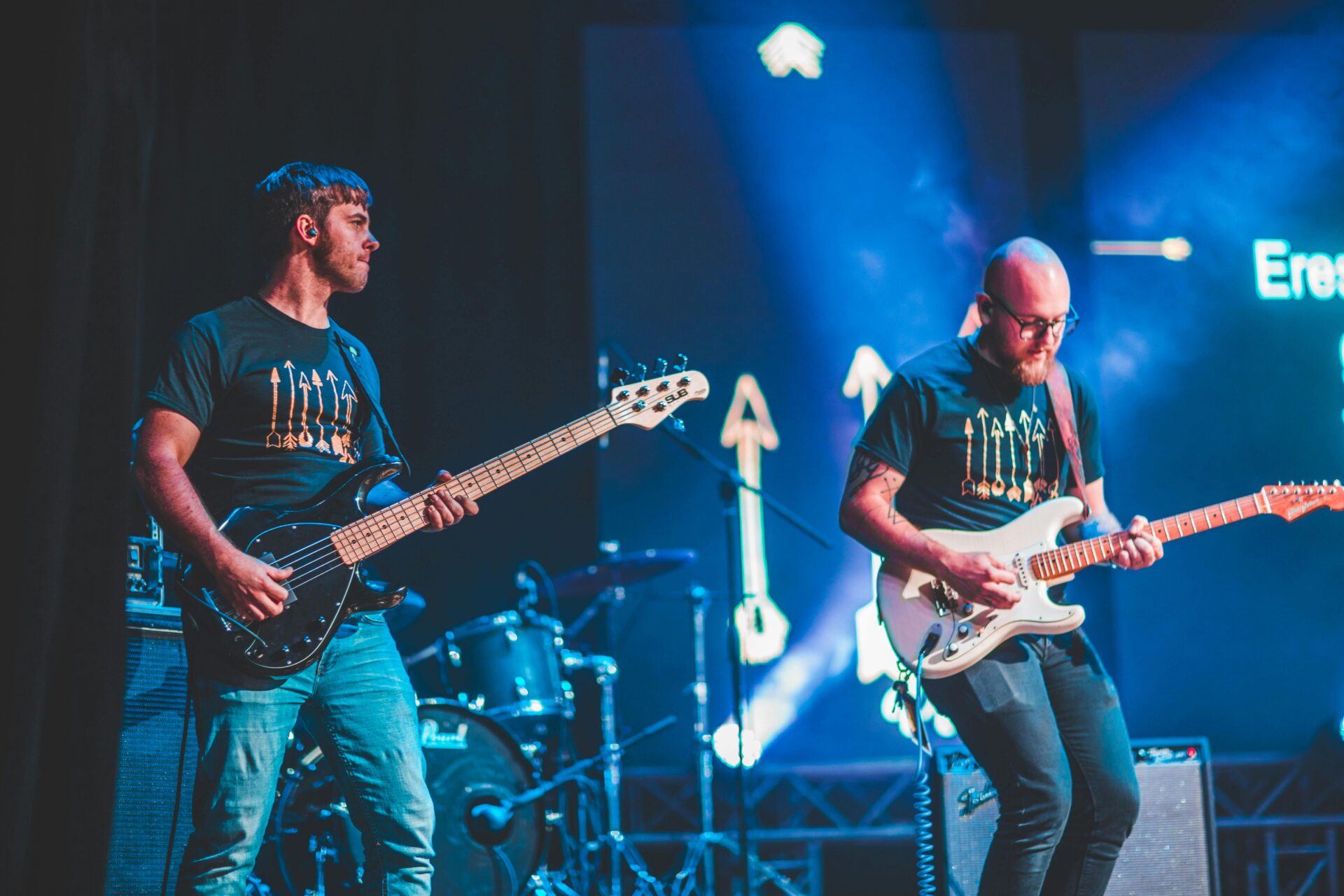
There is also an underlying emotional draw. While music communicates emotion through rhythm, melody, and lyrics, acting relies on vocal nuance, body language, and psychological immersion. For musicians who have spent years interpreting emotion through music, acting can be a challenging but rewarding shift in medium. The internal processes are similar—digging deep into feeling, projecting mood, telling stories—but the technical execution is different enough to reignite curiosity and vulnerability, both of which are essential ingredients for any kind of artistic authenticity.
Moreover, some musicians view acting as an extension of their lifelong fascination with stories. Whether it’s in lyrics, concept albums, or music videos, many rockstars are natural storytellers. Transitioning into film or television allows them to participate in longer, more collaborative storytelling experiences—where character arcs unfold over hours rather than minutes, and where they’re not solely responsible for the narrative’s weight. Some even bring elements of their personal style, from stage costumes to cowboy apparel, into their on-screen roles to enrich their characters.
In essence, for many rockstars, stepping into acting is not about chasing fame or relevance—it’s about finding a new creative challenge, escaping the constraints of their musical brand, and continuing their lifelong journey of artistic self-discovery.
From Stage Presence to Screen Presence: Transferring Performance Skills
Though rock music and acting are distinct crafts, they share a surprising number of transferable skills, many of which provide musicians with a solid foundation as they enter the world of film, theater, or television. The most obvious is stage presence. A seasoned rockstar knows how to command attention, manage energy, and connect with an audience—traits that are just as crucial on a film set or theatrical stage. Some performers even draw inspiration from unconventional sources, like incorporating playful ideas such as sex enhancement waffle cones into their stage persona.
In both music and acting, the ability to inhabit a persona and project emotion is central. When performing onstage, rockstars often engage in a form of semi-scripted theatricality. Whether they’re working the mic stand like Freddie Mercury or crafting enigmatic silences like Kurt Cobain, these gestures are not random—they’re curated expressions that elicit emotional responses. This intuitive understanding of rhythm, mood, and timing often translates well into acting, where similar skills are needed to craft compelling characters and create emotional resonance.
Another key asset rockstars bring to acting is their comfort with vulnerability under observation. Musicians are used to being watched, judged, and analyzed—not just for their sound but for their look, attitude, and choices. This comfort with public scrutiny can give them a psychological advantage when stepping onto a film set, where cameras are close and emotions are laid bare. They are often more willing to take risks, explore difficult emotions, and deliver performances that feel raw and authentic.
Moreover, the experience of collaborating in bands or musical productions mirrors the dynamics of a film or theater ensemble. Teamwork, creative compromise, and handling direction are second nature to many musicians. These soft skills are essential in acting, where success depends not just on individual talent but on chemistry with castmates, responsiveness to a director’s vision, and the ability to contribute to a larger story. In today’s industry, even administrative tasks like contracts can be streamlined through tools such as remote online notarization.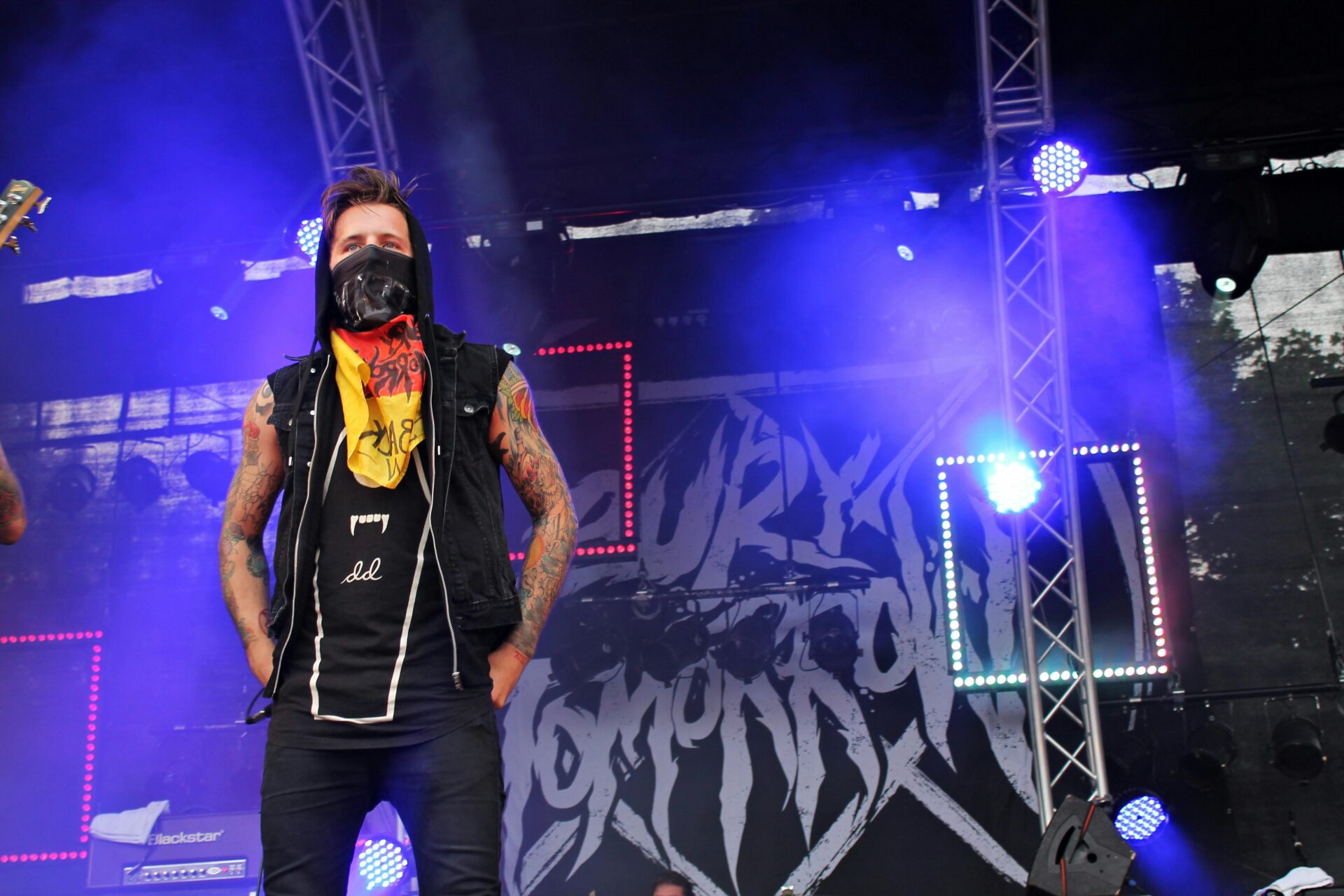
However, there are challenges. Unlike music performances, which can thrive on energy and improvisation, acting—especially for the camera—requires a more subtle and controlled approach. Facial expressions must be micro-calibrated, dialogue needs to be delivered with precision, and the rhythm of a scene often follows a very different tempo than that of a live concert. For rockstars used to big gestures and amplified emotion, the transition to film acting demands a new kind of discipline and restraint. Even participating in something like a Read-A-Thon school fundraiser requires a similar shift in focus and attention to detail.
Fame as Currency: Celebrity and the Casting Equation
Another undeniable factor in the transition from rock music to acting is the role of celebrity. Fame, in the entertainment industry, acts as a kind of social currency—one that can open doors, attract audiences, and generate buzz for projects. When a rockstar with global recognition decides to take on an acting role, studios and directors often see this as an opportunity to capitalize on their existing fan base.
This phenomenon can create opportunities for musicians that might not be readily available to traditional actors, especially in the early stages of their transition. It’s no coincidence that many rockstars debut in roles that echo their public personas, allowing them to ease into the craft without completely abandoning the identity that made them famous. For instance, when Ice Cube and Mark Wahlberg transitioned into acting, they initially took on roles that emphasized their tough-guy image—something already associated with their music careers. Over time, they expanded into more varied and nuanced characters, but the initial casting often leaned heavily on pre-existing celebrity impressions.
There’s a double-edged sword to this approach. While fame can get rockstars in the door, it can also become a trap. Audiences may struggle to separate the musician from the role, leading to typecasting or skepticism about their acting chops. Critics may dismiss early performances as gimmicks or stunt casting. For a musician seriously pursuing acting, this means they must work harder to prove their credibility and commitment to the craft. Some artists even take unconventional steps, such as enrolling in orthopedic physical therapy, to better understand physicality and movement for certain roles.
Nonetheless, many musicians have succeeded in turning this perception around. Jared Leto, for example, moved beyond his rockstar image with performances that earned critical acclaim, including an Academy Award. His transformation was not just about skill but about dedication—immersing himself in roles and proving that his fame was not a substitute for talent.
Fame also influences the kind of creative control artists can exert in their acting careers. Established musicians may be more likely to secure producer credits, choose projects that align with their personal values, or even create their own vehicles for storytelling. This gives them the ability to shape their narrative and explore roles that might be inaccessible to lesser-known actors.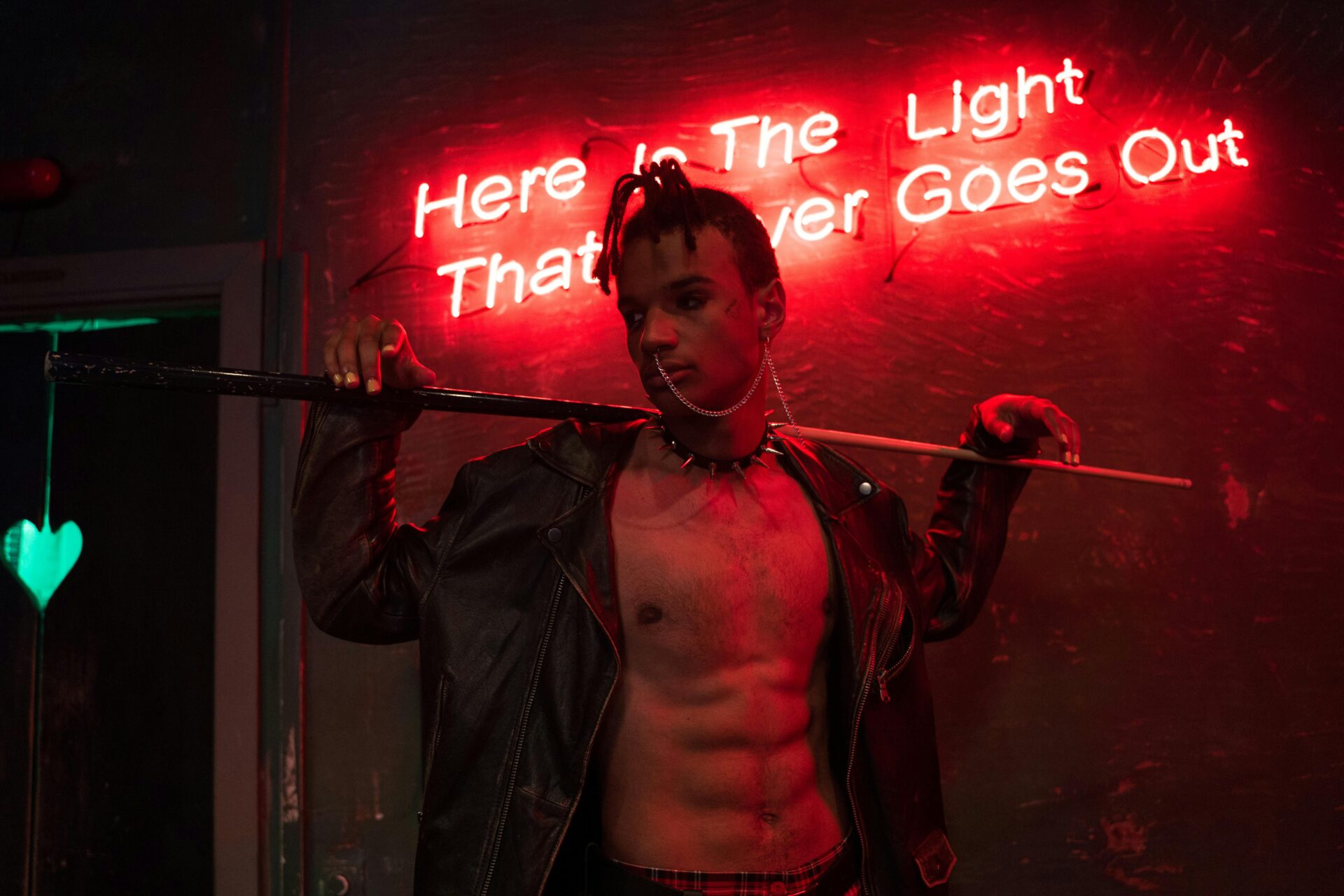
Conclusion: A New Dimension of Artistic Expression
The journey from rockstar to actor is not just a career move—it’s a profound act of artistic reinvention. While fame may open doors, it is the underlying drive for emotional expression, storytelling, and creative challenge that truly sustains these transitions. From David Bowie to Lady Gaga, from Harry Styles to Jared Leto, musicians who successfully cross into acting do so not by abandoning their musical roots, but by building upon them—translating their on-stage personas into layered, human characters that resonate on screen. Their red carpet appearances often feature designer dresses, reflecting the same bold creativity they bring to both music and film.
At its core, this movement reveals the deep interconnectedness of creative disciplines. Music, film, theater, and television all spring from the same human need: to feel, to understand, to connect. Rockstars who embrace acting are simply finding new instruments to play, new roles to inhabit, and new ways to tell their stories.
As the boundaries between art forms continue to blur in the digital age, it’s likely we’ll see more musicians expanding their repertoires—exploring fashion, film, literature, and beyond. These transitions should not be viewed as side projects or publicity stunts, but as authentic expressions of multifaceted creativity. Just as artists explore new creative avenues, people often look for practical solutions in everyday life, such as hiring Los Angeles cheap movers when relocating.
In a world that increasingly rewards versatility and reinvention, the rockstar-turned-actor isn’t an anomaly. They’re a blueprint for the modern artist—bold, adaptable, and unafraid to leap into the unknown in search of something real.